Explore the beauty of African traditional music. From cultural sounds to indigenous instruments and legendary musicians, we bring you stories celebrating Africa’s rich musical heritage.
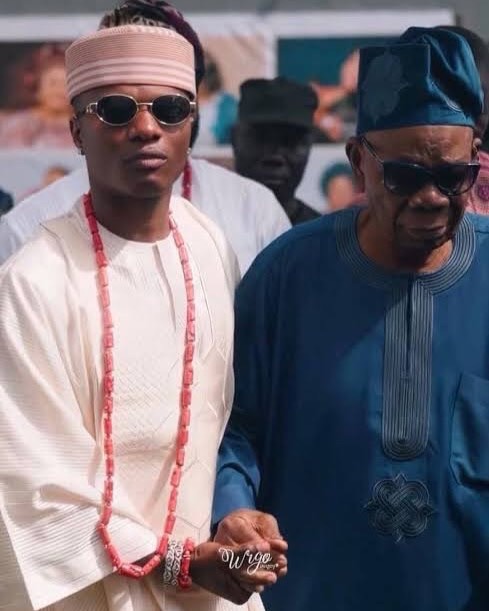
The Nigerian music scene thrives on its legends, and two of the country’s most respected figures recently shared a moment that got fans talking. Alhaji Muniru Olatunji Balogun, Wizkid’s father, paid a friendly visit to Fuji music icon King Wasiu Ayinde Marshal (KWAM 1) at his Mayegan Resort in Ijebu Ode.
This rare moment was captured on video, showing KWAM 1 walking Wizkid’s father out of the luxurious property. The clip spread quickly online, sparking conversations about the relationship between the two influential families.
Why Did Wizkid’s Father Visit KWAM 1?
Neither Wizkid nor KWAM 1 has given an official reason for the visit. However, fans believe this is more than a casual meeting. The two families share a deep respect for each other. KWAM 1 was a prominent guest at the burial of Wizkid’s mother, Jane Dolapo Balogun, in October 2023. Wizkid also paid his respects to KWAM 1 when the Fuji legend suffered personal losses.
This ongoing show of support has strengthened the bond between these two pillars of Nigerian music culture.
Who Is KWAM 1?
King Wasiu Ayinde Marshal, popularly known as KWAM 1, is a Fuji music legend with a career spanning over four decades. He is credited with modernizing Fuji music and bringing it to a global audience. His Mayegan Resort in Ijebu Ode has become a popular spot for celebrities and influential figures across Nigeria.
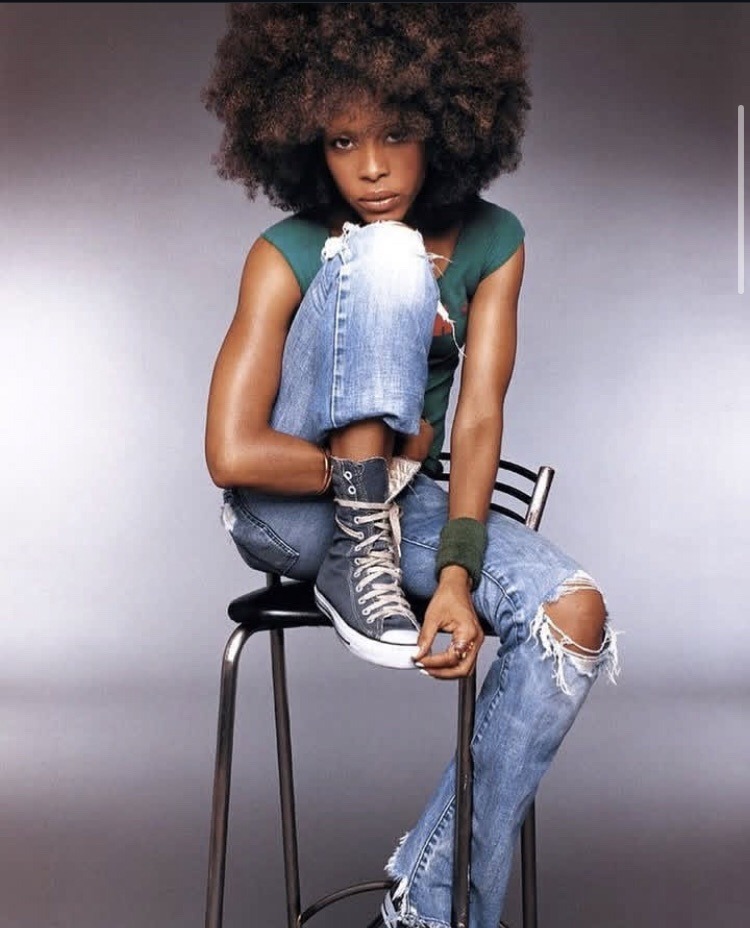
Erykah Badu, known for her soulful music and thought-provoking artistry, sparked widespread controversy during a performance in Chicago when she addressed the audience about R. Kelly. The incident, which quickly became a trending topic, revealed the complexities of addressing divisive issues in the public eye.
What Did Erykah Badu Say About R. Kelly?
During her set at the Aragon Ballroom, Badu expressed that she was praying for R. Kelly. She shared her hope for healing for both him and those he may have harmed, emphasizing a desire for reconciliation and growth. Her comments included:
• Acknowledging the allegations against R. Kelly.
• Highlighting the importance of understanding the root causes of harmful behavior.
• Urging the audience to reflect on the concept of unconditional love.
However, many attendees interpreted her remarks as defending R. Kelly, who faced significant legal issues and allegations of sexual misconduct. This misunderstanding led to boos from the crowd, with some visibly upset by her words.
The Crowd’s Reaction
Badu’s comments were met with immediate disapproval. Attendees began to boo loudly, cutting through her performance. The audience’s response reflected the strong emotions surrounding R. Kelly’s allegations, especially since Chicago is his hometown. Many felt that supporting him, even indirectly, ignored the pain of his alleged victims.
Erykah Badu’s Explanation
Following the backlash, Badu took to social media to clarify her stance. She explained that her words were not meant to excuse harmful actions but to promote healing and compassion. On Twitter, she wrote:
“I love you. Unconditionally. That doesn’t mean I support your poor choices. I want healing for you and anyone you have hurt as a result of you being hurt.”
Her clarification aimed to shed light on her perspective, though it did little to sway public opinion. Critics argued that her comments came across as tone-deaf, given the gravity of the allegations.
Why Was This So Controversial?
The controversy stems from the nature of the allegations against R. Kelly. Public sentiment overwhelmingly supports holding him accountable, and any comments perceived as sympathetic toward him often face harsh criticism. In this case, Badu’s call for prayer and healing was viewed by many as ignoring the voices of survivors and minimizing the impact of his alleged actions
from the foundation of the country’s rich cultural tapestry. Nigeria’s music scene is a vibrant mosaic of genres that reflect its diverse ethnic groups, languages, and traditions. Let’s explore the different types of music in Nigeria and the pioneers who have played pivotal roles in their development.
1. Highlife
Highlife music, which originated in Ghana, found a welcoming home in Nigeria, especially in the southeastern and western regions. This genre blends traditional African rhythms with Western instruments and jazz, creating a unique sound that has captivated audiences for decades.
Pioneers:
E.T. Mensah: A Ghanaian musician whose influence extended deeply into Nigerian highlife, earning him a place as one of its foundational figures.
Rex Lawson: Known for his soulful melodies and mastery of the trumpet, Lawson remains a beloved figure in Nigerian highlife music.
Victor Olaiya: Often called the “Evil Genius of Highlife,” Olaiya’s innovative approach helped shape the genre in Nigeria.
2. Juju
Juju music is a popular genre that emerged from the Yoruba-speaking regions of Nigeria. It incorporates traditional Yoruba percussion instruments, electric guitars, and synthesizers, creating a lively and danceable sound.
Pioneers:
Tunde King: Recognized as the father of juju music, King laid the groundwork for future artists in this genre.
I.K. Dairo: With his band, the Morning Star Orchestra, Dairo modernized juju music and became the first African musician to be honored with the MBE by the British monarchy.
King Sunny Ade: A global ambassador for juju music, Ade’s innovative use of the pedal steel guitar and synthesizers has brought the genre to international audiences.
Fuji music is a genre that evolved from the traditional Yoruba music known as were, which was originally performed during Ramadan. Fuji blends Islamic religious music with apala, sakara, and juju styles, resulting in a vibrant and rhythmic genre.
Pioneers:
Alhaji Sikiru Ayinde Barrister: Often credited with popularizing fuji music, Barrister’s dynamic performances and recordings brought the genre to mainstream audiences.
Ayinla Kollington: A contemporary of Barrister, Kollington added his unique touch to fuji music, further solidifying its place in Nigerian music culture.
Wasiu Ayinde Marshall (K1 De Ultimate): Known for modernizing fuji music, K1’s innovative approach has kept the genre relevant and appealing to younger audiences.
4. Afrobeat
Afrobeat is a genre that combines traditional Nigerian and Ghanaian music with jazz, highlife, funk, and chanted vocals. It is known for its complex rhythms and socially conscious lyrics.
Pioneers:
Fela Kuti: The undisputed king of Afrobeat, Fela’s music and political activism made him a global icon. His innovative style and fearless critique of corruption and oppression have left a lasting legacy.
Tony Allen: As Fela’s drummer and musical director, Allen played a crucial role in defining the Afrobeat sound. His complex rhythms and technical prowess have influenced countless musicians worldwide.
5. Apala
Apala music is rooted in the Yoruba cultural tradition and is characterized by the use of talking drums, shekere, and agidigbo. It often features call-and-response vocals and is traditionally associated with Islamic worship.
Pioneers:
Haruna Ishola: A legendary figure in apala music, Ishola’s powerful voice and masterful drumming brought the genre to prominence in Nigeria.
Ayinla Omowura: Known for his energetic performances and poetic lyrics, Omowura remains a beloved figure in the apala music scene.
6. Hip Hop and Afrobeats
Hip Hop and Afrobeats represent the modern evolution of Nigerian music, blending elements of traditional African rhythms with contemporary sounds. These genres have gained immense popularity both within and outside Nigeria.
Pioneers:
2Baba (formerly 2Face Idibia): A pioneer of the Afrobeats movement, 2Baba’s music has set the standard for modern Nigerian pop music.
D’banj: Known for his energetic performances and catchy tunes, D’banj has been instrumental in bringing Afrobeats to a global audience.
Olamide: A versatile artist who blends hip hop with indigenous sounds, Olamide is a leading figure in the contemporary Nigerian music scene.
The types of music in Nigeria and their pioneers reflect the country’s rich cultural diversity and innovative spirit. From the traditional rhythms of highlife and juju to the modern sounds of Afrobeat and Afrobeats, Nigerian music continues to evolve and captivate audiences worldwide. The pioneers mentioned here have not only shaped the soundscape of Nigeria but have also left an indelible mark on the global music scene.
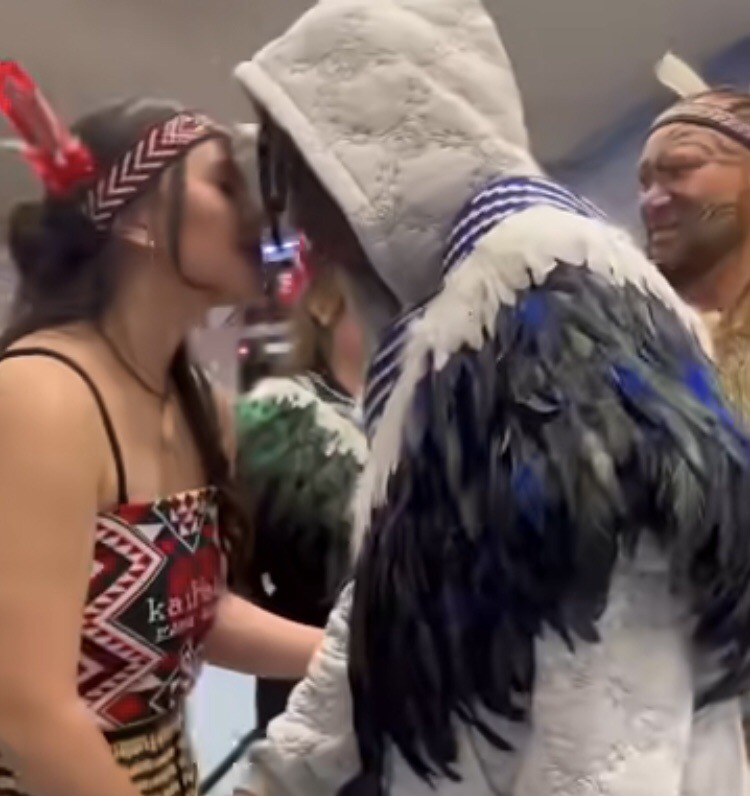
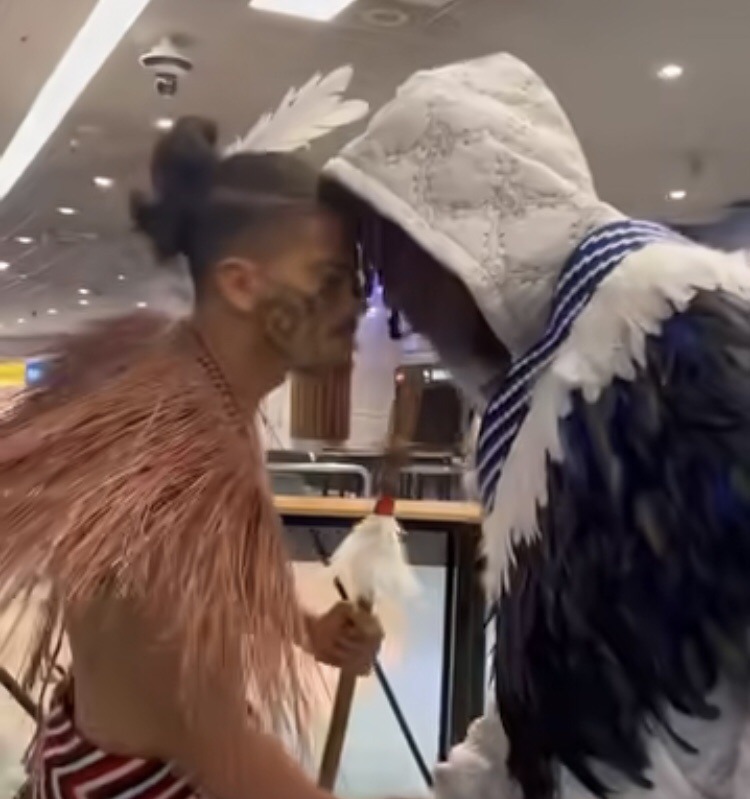
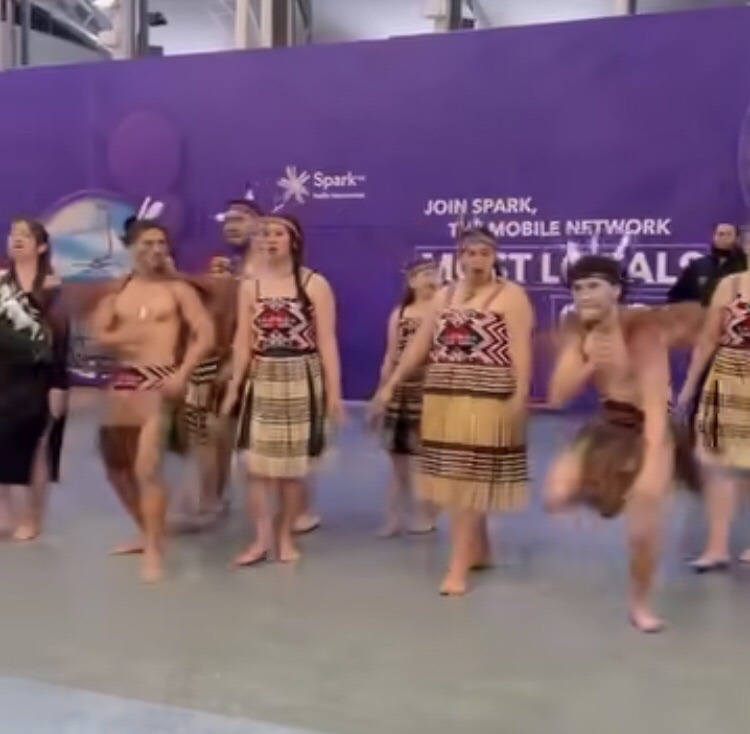
Nigerian Afrobeat sensation Rema continues his global dominance, making waves in New Zealand where he was given a traditional pōwhiri, a Māori ceremony of welcome, ahead of his headline performance.
As one of the key faces of Afrobeat’s rise on the global stage, Rema’s warm reception in New Zealand highlights not just his influence but also the cultural bridges music continues to build across continents.
Rema Instagram photo
What Is a Pōwhiri?
A pōwhiri is a formal welcome rooted in Māori tradition. It begins with a karanga (call) by the hosts to acknowledge and invite the visitors onto the marae (meeting grounds). This call is often answered by the visitors to show respect. The visitors are then guided onto the marae in a procession that reflects the Māori emphasis on unity and remembrance. The ceremonial part typically includes speeches, songs, and the exchange of greetings, concluding with the hongi—the touching of noses, a gesture that symbolizes the sharing of breath between the hosts and the guests.
Rema Instagram photo
For Rema, this ceremony was not just a formal greeting but an opportunity to connect with the indigenous Māori culture. Such a welcome is usually reserved for distinguished visitors, further proving the global recognition of his talent.
The Significance of Rema’s Visit to New Zealand
Rema’s headline performance in New Zealand marks a significant moment for both him and the country. New Zealand is increasingly becoming a popular destination for Afrobeat artists, with a growing fan base that is drawn to the genre’s energetic beats and universal messages. By receiving a pōwhiri, Rema was welcomed not just as a performer but as a respected guest, an honor that underscores the deep appreciation for his music in the country.
Rema Instagram photo
The pōwhiri highlights how music can transcend borders and foster mutual respect between different cultures. In Rema’s case, the warm welcome symbolizes the merging of African and Māori traditions, creating a powerful moment of cultural exchange. It’s a testament to how music, especially Afrobeat, continues to unite people from different parts of the world.
The Global Appeal of Afrobeat
Afrobeat’s rise is undeniable, and Rema is one of the leading figures of this movement. His hit tracks like “Calm Down” have found audiences far beyond Africa, resonating with listeners in every corner of the world. Afrobeat’s infectious rhythms and compelling lyrics make it a genre that crosses language barriers, and Rema’s distinctive sound has made him a favorite not just in Nigeria but globally.
His tour through regions like New Zealand shows that Afrobeat is no longer confined to specific geographic areas—it’s a global phenomenon. Fans in countries as far as New Zealand have embraced the genre, and Rema’s warm welcome there is evidence of his far-reaching impact.
Māori Culture and Music: A Perfect Blend of Traditions
What makes this welcome even more significant is the connection between African and Māori traditions, both of which are deeply rooted in oral history, music, and storytelling. The Māori pōwhiri and African ceremonial traditions share commonalities, particularly in the way they honor guests through song, performance, and the passing down of cultural heritage.
Rema Instagram photo
For Rema, experiencing a traditional Māori welcome is more than just a part of his tour—it’s an opportunity to engage with another culture’s deep respect for history and community. This blend of Afrobeat’s modern beats with the ancient rituals of the Māori reflects the universal language of music.
Rema’s Rising Influence on the World Stage
This event in New Zealand is another milestone in Rema’s rapidly growing career. From Nigeria to New Zealand, his influence is expanding as more people connect with his music. Being welcomed with a pōwhiri shows how Afrobeat is influencing not only the charts but also cultural exchanges worldwide. As one of the youngest and brightest stars of his generation, Rema’s journey is just beginning, and moments like this are a clear indicator of his growing significance on the global stage.
Nigerian music, especially Afrobeats, has become a global phenomenon. Artists like Burna Boy, Wizkid, and Davido have put Africa on the map with sold-out concerts in cities like London, New York, and Paris. However, a growing concern among fans is that these stars seem more accessible abroad than at home. Seun Kuti’s recent comments on this issue sparked debates across social media, and the frustration is real: the very fans who laid the foundation for these artists’ success can’t afford to see them perform live.
This article explores why this happens, its impact, and the conversations it raises about fairness, loyalty, and the economic challenges in Africa.
Why African Fans Are Missing Out on Concerts
1. High Costs of Local Concerts
Concerts in Nigeria or other African countries are often priced beyond what the average fan can afford. Ticket prices can range from ₦20,000 to over ₦1 million for VIP access, depending on the artist and venue. For comparison, the national minimum wage in Nigeria is ₦30,000 per month. This disconnect between earnings and ticket costs makes live performances a luxury for many.
2. Better Revenue Abroad
International tours are far more lucrative. Fans in Europe, the United States, and even Asia are willing to pay significantly higher prices for concert tickets, which guarantees better income for the artists. A single sold-out show in a European arena might generate more revenue than multiple shows back home.
3. Infrastructure Challenges
Organizing large-scale events in Nigeria and other African countries can be complicated. Many venues lack the facilities needed to host world-class concerts. Issues like power supply, security concerns, and logistical difficulties increase the cost of production. These challenges make it easier for artists to focus on markets where organizing events is smoother and more profitable.
4. Perception of Value
Performing abroad adds a layer of prestige to artists. A concert in London’s O2 Arena or New York’s Madison Square Garden is often seen as a milestone achievement. It attracts global media attention and validates an artist’s “international status.” While this is great for the artist’s brand, it can sometimes mean prioritizing foreign audiences over local fans.
How This Affects Fans Back Home
The issue goes beyond ticket prices. Nigerian and African fans often feel undervalued and excluded. They’ve supported these artists from their early days, streaming their music, attending local shows when they were still affordable, and spreading their songs through word of mouth. Now that these artists are global superstars, many fans feel left behind.
For young people, especially, music is a source of pride. Seeing Nigerian artists succeed internationally brings joy and hope, but it’s bittersweet when they can’t share in that success firsthand.
Social media adds to the frustration. Fans see pictures and videos of concerts abroad, full of people who didn’t grow up listening to those songs, while local fans can only watch from a distance.
The Bigger Picture: Neo-Colonialism and African Resources
Seun Kuti’s statement ties this issue to a larger conversation about neo-colonialism. For decades, Africa’s natural and human resources have been exported for the benefit of others. From oil and minerals to art and culture, Africans have often been excluded from enjoying their own wealth.
In this case, Nigerian music has become Africa’s latest “resource” to gain global recognition. While it’s exciting to see the world embrace Afrobeats, the people who nurtured the culture and supported the artists are struggling to experience its success.
What Can Be Done?
While the economic realities won’t change overnight, there are ways to make concerts more accessible for African fans:
• Affordable Local Shows: Artists can organize special shows with lower ticket prices for fans in their home countries. They can use sponsorships or partnerships to cover production costs and ensure affordability.
• Streaming and Virtual Concerts: Artists can offer live-streamed concerts for a fraction of the cost. This allows fans who can’t afford tickets to enjoy the experience in real-time.
• Better Infrastructure: Governments and private investors can improve concert venues, power supply, and security to reduce the cost of organizing shows locally.
• Fan Appreciation Events: Artists can hold free or low-cost events specifically for their local fans to show gratitude for their support.
The Role of Fans
Fans also play a role in keeping this conversation alive. By speaking up and holding artists accountable, they can push for changes. Nigerian artists owe much of their success to the loyal fans back home, and it’s only fair that they give back by creating opportunities for local fans to experience their music live.
In 1976, Fela Kuti released Zombie, a track that would go on to ignite one of the most intense reactions to music in Nigerian history. Known for his fearless political stance, Fela used his Afrobeat style to challenge Nigeria’s military rule with unprecedented directness. The song was a scathing critique of the military’s rigid obedience to orders, painting soldiers as “zombies” who followed commands without thinking. This metaphor struck a deep nerve, leading to a national uproar and brutal retaliation from the government.
The Message of Zombie
Zombie criticizes Nigeria’s military by comparing soldiers to mindless “zombies” who blindly follow commands. Fela uses simple but powerful lyrics to paint a picture of soldiers being sent on orders to “go and die,” “go and kill,” and obey without question. By likening soldiers to zombies, Fela was challenging not just the military, but the authoritarian nature of Nigeria’s leadership at the time, which was ruled by General Olusegun Obasanjo. The military regime had a stronghold on Nigerian society, and obedience was enforced without regard for individual thought or ethics. This kind of blind loyalty was precisely what Fela was fighting against, as he believed it enabled corruption and abuse of power.
The Public Reaction
For many Nigerians, Zombie was a revelation. The song’s blunt message and Afrobeat rhythm quickly turned it into an anthem of resistance. It resonated with a society frustrated by years of military rule and yearning for freedom. Nigerians began to see the military not as protectors, but as enforcers of an oppressive regime. Zombie became a symbol of defiance, sparking discussions in homes, workplaces, and social gatherings across the country. This widespread appeal made Zombie more than just a song; it became a rallying cry for people tired of corruption and abuse.
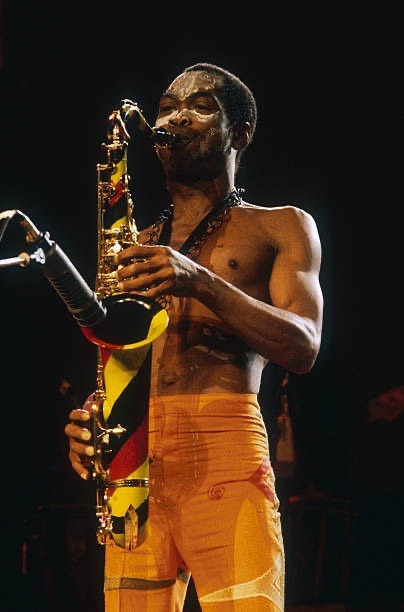
Fela Kuti performs on stage, Paris, 1981. (Photo by Michael Putland/Getty Images)
The military government, however, saw Zombie as a dangerous provocation. In their eyes, Fela’s critique threatened the respect and authority they commanded. The song became widely popular, but this popularity only intensified the government’s response to Fela and his music.
The Brutal Backlash from the Government
The government’s reaction to Zombie was swift and brutal. In 1977, in an attempt to silence Fela and punish him for his defiance, approximately 1,000 soldiers raided his commune, the Kalakuta Republic. This wasn’t just a home but a community that included his family, band members, and supporters. During the raid, soldiers burned down the commune, destroyed Fela’s belongings, and assaulted its residents.
The attack was personal and devastating. Fela’s mother, Funmilayo Ransome-Kuti, a well-respected political activist, was thrown from a window, sustaining injuries that would lead to her death shortly afterward. The brutality of the attack shocked the nation and cemented Fela’s image as a courageous resistor in the face of oppression.
Fela’s response was to double down on his message. He organized a symbolic procession where he and his followers carried a coffin to the residence of the then-head of state, Obasanjo, marking a powerful act of defiance. This act and the memory of the attack on Kalakuta became etched in the minds of Nigerians, further embedding Zombie as a landmark in Nigeria’s resistance history.
The Legacy of Zombie and Its Uproar
Despite the efforts to suppress it, Zombie survived and became a permanent fixture in African music history. Fela’s courage inspired countless others to question authority and speak up against injustice. Even today, Zombie remains a powerful reminder of the cost of resistance and the enduring impact of art in challenging oppression.
In the 1970s, Fela Kuti’s Zombie was much more than music—it was a catalyst for social change and a testament to the power of art to disrupt and inspire. Through this song, Fela gave Nigerians the voice and courage to question authority, and its influence still resonates in Nigerian culture and political discourse to this day.
Fela Anikulapo Kuti, the Nigerian Afrobeat pioneer, wasn’t just an artist; he was a force of nature who used his music as a tool for political resistance. In the Nigeria of the 1970s and ‘80s, when military rule was the norm and dissent was dangerous, Fela dared to use his voice to expose the government’s corruption, brutality, and injustice. His songs often became rallying cries for the people and a thorn in the side of the authorities. Several of his songs were outright banned by the Nigerian government, as they were seen as a threat to the established order.
Fela Kuti’s Banned Music
Here, we’ll look at some of the most controversial Fela tracks that were banned and the impact they had on Nigeria’s political and social climate.
“Zombie” – The Song that Provoked the Military
One of Fela’s most famous and controversial songs, Zombie was released in Nigeria by Coconut Records in 1976, and in the United Kingdom by Creole Records in 1977 and became an anthem of resistance.
The song criticizes the Nigerian military, likening soldiers to zombies who follow orders without thinking. With sharp lyrics and infectious rhythms, Fela’s message resonated with the public but infuriated the military. In the song, he calls soldiers “zombies” who are trained to follow commands like “Go and kill!” and “Go and die!”
The government under General Olusegun Obasanjo saw this as a direct attack on their authority. The reaction was swift and brutal: 1,000 soldiers attacked Fela’s communal compound, the Kalakuta Republic. In the raid, his mother, Funmilayo Ransome-Kuti, a respected activist, was thrown from a second-story window, sustaining injuries that later led to her death. The compound was burned down, and Fela himself was severely beaten. Despite the consequences, Zombie remains a symbol of anti-authoritarianism and a reminder of Fela’s commitment to standing up against oppression.
“Coffin for Head of State” – A Bold Critique of Corrupt Leadership
In 1980, Fela released Coffin for Head of State, another explosive track aimed at Nigeria’s ruling elite. This song condemned the hypocrisy of political and religious leaders who, according to Fela, exploited their positions for personal gain while ignoring the suffering of ordinary Nigerians. He also criticized the government’s cozy relationship with the clergy, accusing both sectors of being complicit in the country’s problems.
The song’s title was inspired by an event where Fela and his followers carried a coffin to the residence of then-head of state Obasanjo, symbolizing the death of integrity and justice in Nigeria. Coffin for Head of State didn’t just criticize the government; it expressed a deep disappointment with religious institutions that Fela believed had abandoned their moral responsibilities. This song, too, was banned, as its powerful lyrics and imagery challenged both the government and the influential religious institutions.
“International Thief Thief (I.T.T.)” – Calling Out Corruption
International Thief Thief (I.T.T.) is another of Fela’s boldest works, taking aim at both the Nigerian government and multinational corporations operating in the country. The title plays on the acronym I.T.T., which was the name of the multinational company International Telephone and Telegraph, whose Nigerian operations were run by prominent businessman Moshood Abiola. In this song, Fela calls out corrupt officials and foreign companies for exploiting Nigeria’s resources, linking them to the suffering of ordinary Nigerians.
This song went beyond criticizing individuals; it pointed fingers at systemic exploitation, where both local leaders and foreign companies collaborated to plunder the nation. The song was banned, but it cemented Fela’s status as a voice for the people and a critic of neocolonialism, corporate greed, and government corruption.
“Unknown Soldier” – Exposing Military Brutality
Unknown Soldier was Fela’s response to the government’s narrative that “unknown soldiers” were responsible for the attack on his Kalakuta Republic compound. In this song, he highlights the government’s attempts to evade responsibility for the destruction of his home, the physical assault on him, and the killing of his mother.
Fela used Unknown Soldier to paint a vivid picture of the injustice he and his family endured, making it clear that the government was accountable. This song struck a chord with Nigerians who were already frustrated with the lack of accountability and transparency in the military regime. The government banned the song, viewing it as a direct accusation and a threat to their image. However, it served to rally support for Fela and his message, further strengthening his reputation as a fearless advocate for truth and justice.
The Impact of Fela’s Banned Songs on Nigerian Society
Each of these songs resonated deeply with Nigerians, particularly those who felt oppressed by the military regime and the corrupt political system. Fela’s music spoke directly to the injustices that many Nigerians experienced but felt powerless to confront. By calling out powerful individuals and institutions, Fela gave a voice to the voiceless and became an icon of resistance.
Despite the bans, Fela’s music continued to spread, gaining popularity through underground networks and word of mouth. His lyrics and fearless attitude inspired a generation of Nigerians