Welcome to Anything Celebrity, your home for global celebrity gist, entertainment news, and trending stories. From Nigeria to Hollywood, we cover music, movies, fashion, and lifestyle.
Duncan Mighty, a notable figure in Nigerian music, achieved a remarkable milestone with his 2011 album, “Ahamefuna (Legacy).” This album not only showcases his incredible talent but also redefined the expectations for artists in the Nigerian music industry.
A Game-Changing Album
Released in 2011, “Ahamefuna (Legacy)” is notable for its originality and depth. Duncan Mighty took a bold approach by handling every aspect of the album. He wrote, performed, produced, mixed, and mastered all 15 tracks on his own. This level of involvement was unusual in an industry where multiple collaborators often contribute to an album’s success.
The fact that Duncan Mighty managed to create such a compelling album solo is a significant achievement. By not featuring any other artists, he demonstrated his ability to carry an entire project with his skills alone. Each track reflects his unique style and creative vision, contributing to the album’s widespread acclaim.
Success Beyond Lagos
One of the most impressive aspects of “l” is its success despite being produced outside the usual music hubs. Duncan Mighty, based in Port Harcourt, managed to achieve viral status without the support typically associated with Lagos-based artists. His success demonstrated that exceptional talent could emerge from any part of Nigeria, challenging the norm of relying on Lagos as the epicenter of the music industry.
The album resonated with a wide audience, proving that high-quality music could gain recognition and success without traditional routes. This achievement was a major milestone, as it highlighted the potential for artists from various regions to make a significant impact on the national stage.
Joining Mavin Records
Following the success of “Ahamefuna (Legacy),” Duncan Mighty’s career saw another significant development. His impressive work caught the attention of Don Jazzy, a key figure in Nigerian music, who signed him to Mavin Records as a sound instructor. This endorsement by a prominent label underlined Duncan Mighty’s exceptional skill and influence in the industry.
At Mavin Records, Duncan Mighty continued to contribute to the music scene, leveraging his unique sound and experience to shape the industry further. His role at the label allowed him to mentor and collaborate with other artists, expanding his impact on Nigerian music.
Celebrating Duncan Mighty’s Impact
Duncan Mighty’s work on “Ahamefuna (Legacy)” is a landmark in Nigerian music. His ability to independently manage every aspect of the album and achieve success from Port Harcourt is a testament to his talent and dedication. The album’s success without relying on collaborations or major industry hubs demonstrates his exceptional artistry and innovation.
Reported by Anything Celebrity – Nigeria’s hub for entertainment gist and celebrity updates.
Chris Brown has made headlines for years, not just for his music but also for his troubled history with Rihanna. Their relationship, once celebrated by fans, took a public turn in 2009 when a domestic violence incident between them became global news.
This moment left a lasting mark on both of their careers and personal lives. Over the years, both have moved on in their respective ways, but it seems Chris Brown still carries the weight of his past actions.
Recently, Brown opened up about writing multiple songs apologizing to Rihanna. This gesture raises questions about whether these tracks will ever be released to the public or if they serve a more personal purpose. Regardless of the outcome, it highlights the ongoing emotional impact this chapter of his life has on him.
Chris Brown’s Journey Toward Accountability
It’s clear that Chris Brown has been grappling with his past mistakes. While many have criticized him, it’s important to recognize that his public efforts, like this collection of songs, reflect an ongoing struggle for accountability. He has spoken about his regret numerous times, but the choice to channel that into his music could suggest a deeper, more sincere effort.
Writing songs about personal experiences can be cathartic for artists, and for Brown, this may be his way of trying to process what happened. The connection between music and personal healing is undeniable, and for an artist of his stature, music becomes the language through which he expresses himself most authentically.
Will These Songs Ever Be Released?
The question of whether these apology songs will ever be released is intriguing. As a high-profile artist, any release associated with Rihanna would generate massive attention. While fans might be curious to hear the tracks, their impact could be divisive. Some may view them as a genuine attempt at redemption, while others could see them as self-serving.
Given the sensitivity of the situation, it’s possible that Chris Brown will choose to keep these songs private. However, if they are eventually shared, they could provide insight into his mindset and growth since the incident.
How Rihanna May Respond
Rihanna has remained mostly quiet on the topic in recent years. After the incident, she focused on building her career and personal life, becoming a global icon in music, fashion, and beauty. In interviews, she has mentioned forgiveness but has not expressed any interest in rekindling a relationship with Brown, whether personal or professional.
If she ever listens to these songs, her reaction would be her own, but the fact that Chris Brown is still seeking her forgiveness shows that the event continues to weigh heavily on him. However, it’s important to remember that forgiveness is a personal journey, and it’s uncertain whether Brown’s songs would play any role in Rihanna’s process.
The Broader Conversation About Public Apologies
Chris Brown’s situation brings to light the larger topic of public apologies, especially in the age of social media. When celebrities make mistakes, their attempts to apologize are often scrutinized. Genuine remorse can be difficult to convey in the public eye, and the pressure to respond can make it harder for people to show their true feelings.
In Brown’s case, choosing music as the medium for his apology may offer a more authentic reflection of his emotions. Rather than a standard public statement or a social media post, writing songs allows for a more personal expression of regret. This approach can resonate more with fans and provide a space for reflection and healing, even if forgiveness from the public or the person harmed takes time.
The Role of Music in Healing
Music has always been a powerful tool for both artists and listeners to process emotions. Whether it’s joy, pain, regret, or love, songs often capture feelings that are hard to express in words alone. For Chris Brown, music is clearly his outlet, and these apology songs to Rihanna might be part of his journey toward personal growth.
Listeners who have been following his career may see these tracks as another chapter in his story. While his past actions cannot be erased, the music might provide some insight into the lessons he has learned and how he hopes to move forward.
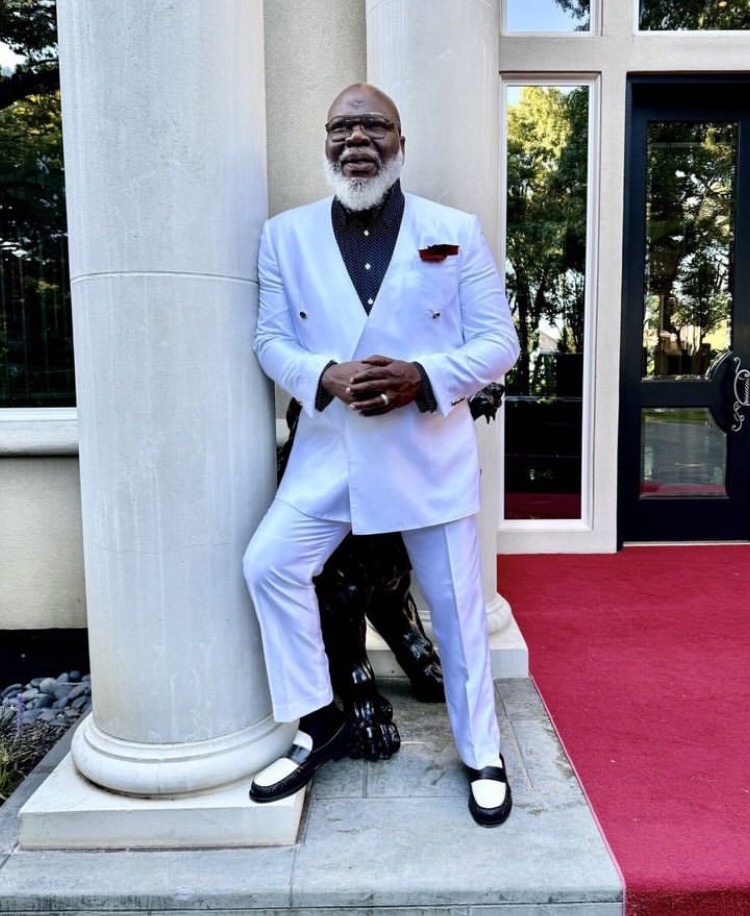
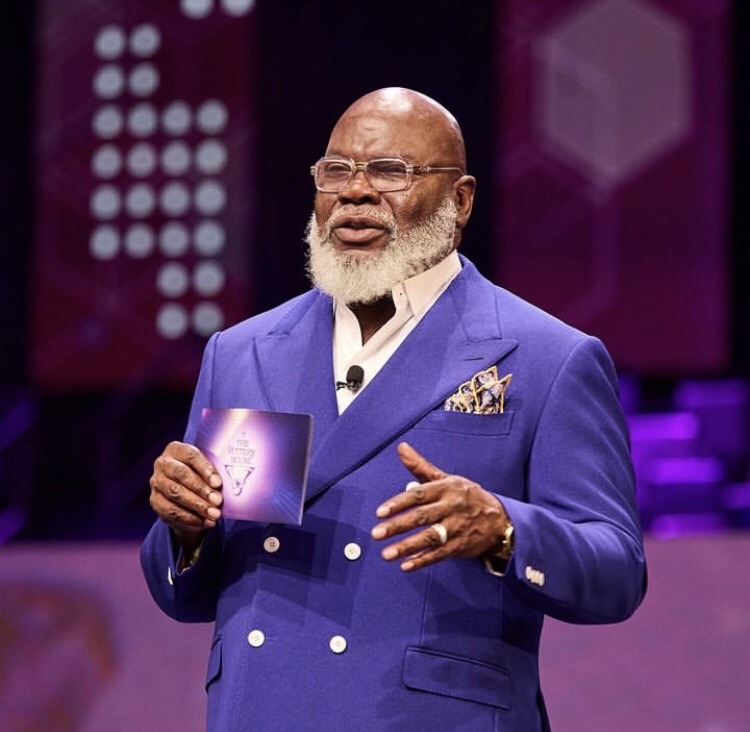
The world of faith and entertainment has been rocked by shocking reports involving by Bishop TD Jakes and hip-hop mogul Sean “Diddy” Combs. TD Jakes, one of the most well-known pastors of his generation, has allegedly stepped down as pastor after being mentioned in a case related to Diddy. This unexpected development has left many people searching for answers.
The Allegations Against Diddy
At the center of this controversy are claims that Diddy may have used the church to clean illicit money. While details are still emerging, new evidence reportedly ties Diddy to financial improprieties involving religious institutions. These allegations have made headlines, and many are speculating about the extent of the involvement and what this means for the church leaders connected to him.
For years, Diddy has been a powerful figure in the music industry, known for his wealth and influence. The idea that he could be involved in money laundering through a respected church is raising eyebrows, especially as more details come to light.
TD Jakes’ Role and His Decision to Step Down
TD Jakes has spent decades building a reputation as a man of God, leading The Potter’s House in Dallas and inspiring millions with his sermons, books, and teachings. The mention of his name in this case has come as a surprise to many who hold him in high regard.
Reports suggest that, after being linked to these financial allegations, Jakes may have decided to step down from his pastoral duties. Some sources claim that he is deeply hurt by the accusations, while others speculate that his resignation is to avoid further scrutiny on the church or himself. Whatever the reason, the decision to step back from such a prominent role is significant, considering his status as a spiritual leader.
TD Jakes has also unfollowed Diddy on social media, which has added fuel to the rumors about their possible connection. For someone as respected as Jakes to distance himself from the hip-hop mogul is no small move. It signals that there could be more to the story than what is currently known.
What This Means for The Potter’s House and Its Congregation
TD Jakes stepping down from his role has undoubtedly left The Potter’s House in a state of uncertainty. His leadership has been a cornerstone of the church for many years, and his influence extends far beyond the walls of the church. The congregation, as well as his global audience, will likely feel the impact of his absence.
For many, Jakes has been a source of guidance and inspiration. His teachings have reached millions around the world, and his departure could leave a gap in leadership that won’t be easy to fill. How the church moves forward without him is a question that will be on the minds of his followers in the coming weeks.
Public Reaction to the News
The news has sparked reactions from both religious and entertainment communities. Some are expressing their shock and disappointment, while others are calling for patience until all the facts are revealed. Social media has been buzzing with opinions, with many wondering what will happen next.
This story is still developing, and it’s unclear how deep the allegations go or if TD Jakes will return to ministry after this period of uncertainty. In the meantime, people are waiting for more concrete information about the case and how it will impact both Diddy’s and Jakes’ reputations.
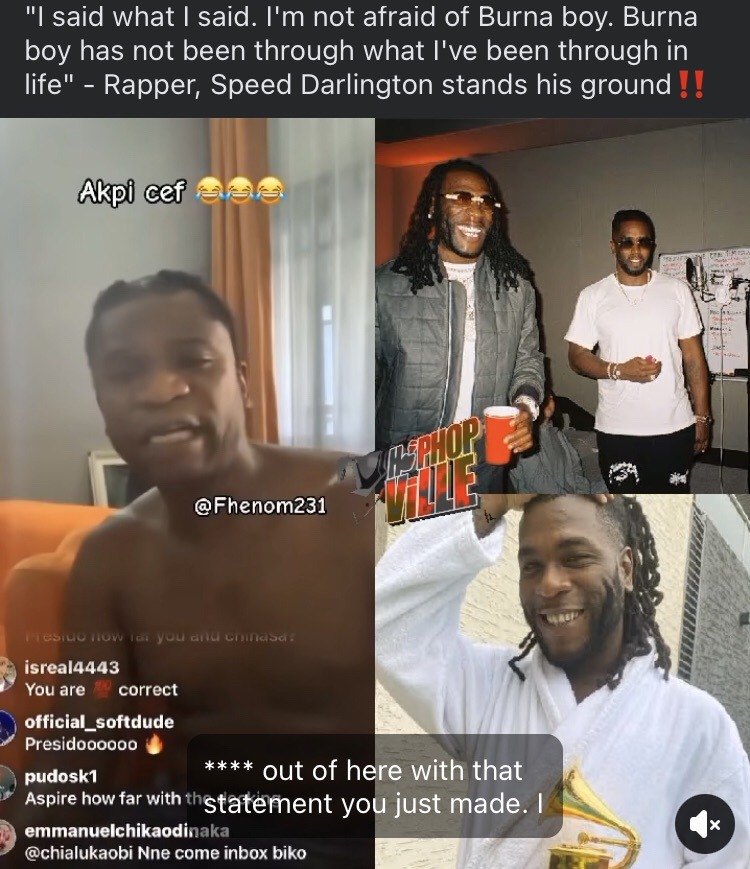
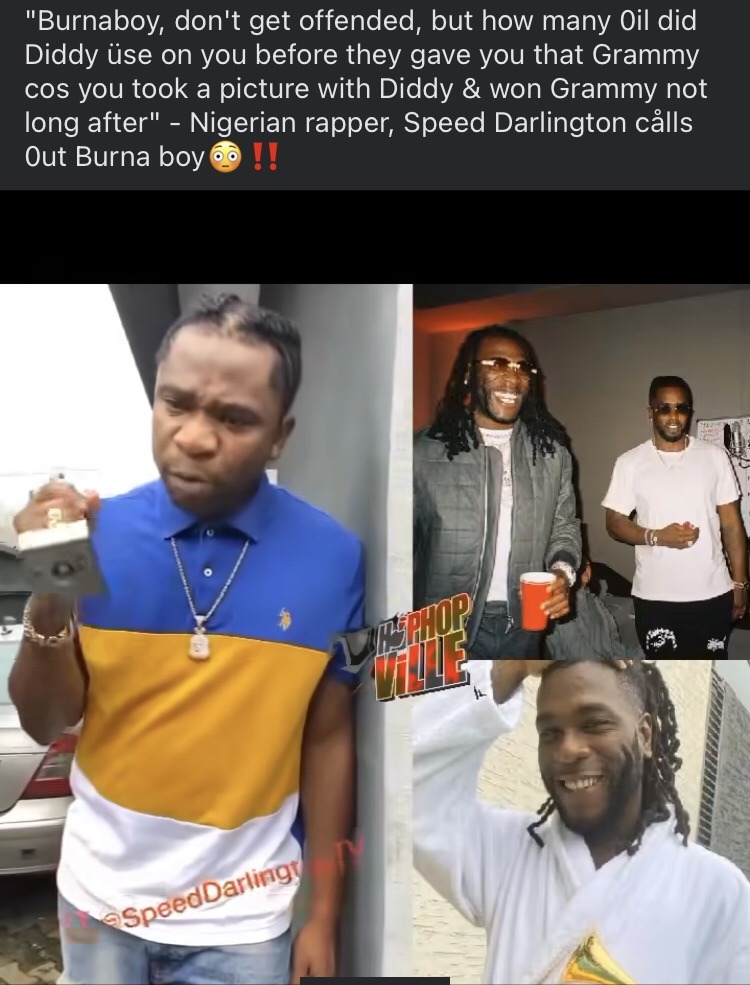
Nigerian artist Speed Darlington has become well-known for his outspoken and often controversial statements. His latest target is Afrobeat sensation Burna Boy, whom he claims may not have won his Grammy Award solely based on merit. In a viral video circulating on social media, Speed Darlington raised eyebrows by suggesting that Burna Boy’s association with American music mogul Sean “Diddy” Combs played a significant part in securing his award.
Speed Darlington’s Bold Accusations
Speed Darlington didn’t hold back in his critique, stating that Burna Boy’s Grammy win came suspiciously soon after a publicized collaboration and picture with Diddy. Darlington’s exact words have sparked reactions online, with him questioning whether Diddy had a hand in “helping” Burna win the prestigious award. In his words, he asked Burna boy.
how much “oil” Diddy used before Burna was awarded the Grammy.
This statement suggests that Speed Darlington believes Burna Boy’s rise to global recognition and success was influenced by his relationship with Diddy. The timing of Burna Boy’s Grammy win following his interactions with Diddy has become the subject of Darlington’s critique, implying that connections may have played a more significant role than talent alone.
The Role of Diddy in Burna Boy’s Career
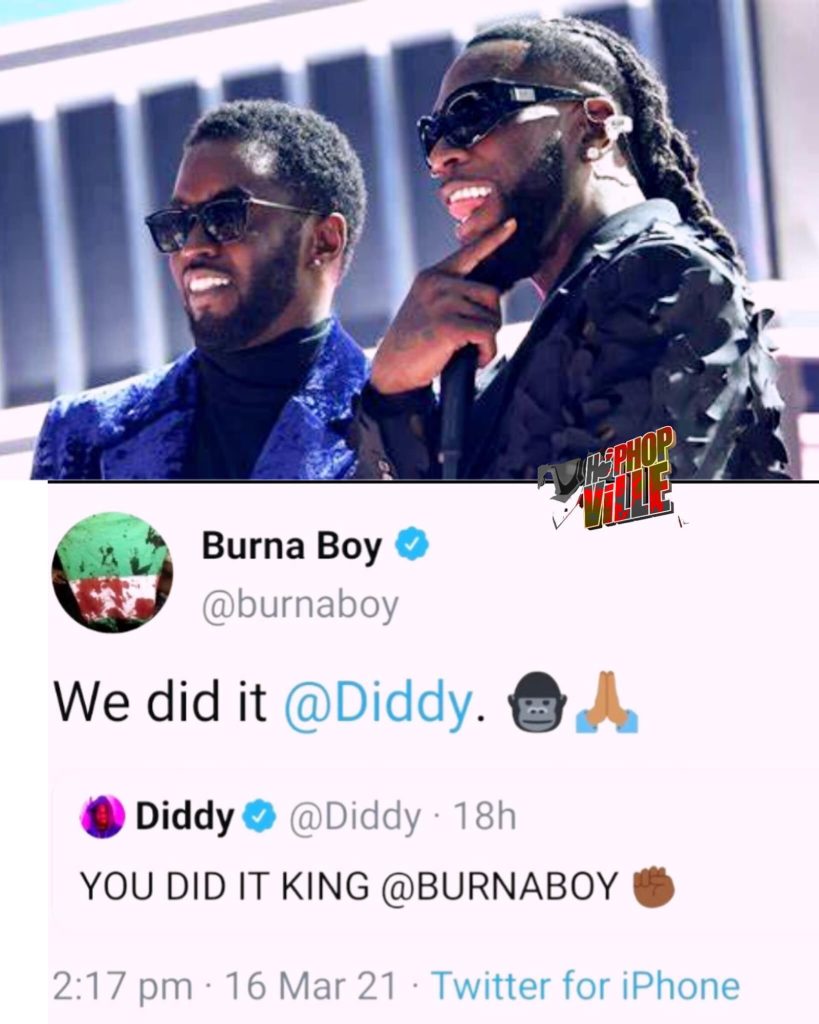
Burna Boy’s Grammy-winning album Twice As Tall was executive produced by Diddy, a fact that was widely publicized at the time of the album’s release. Diddy’s involvement added a level of international flair to the project, as Burna Boy was already an established figure in the Nigerian and African music scenes.
Speed Darlington seems to take issue with the role that Diddy might have played in elevating Burna Boy’s status on the global stage. This partnership, according to Darlington, could have been a key reason for Burna Boy’s Grammy win in 2021 for Best Global Music Album. Although Speed Darlington’s comment is phrased humorously with the use of “oil,” it reflects a broader conversation about the influence of international collaborations in gaining recognition for African artists.
The Reactions of Fans and Critics
Speed Darlington’s comments have sparked mixed reactions across social media. While some fans found his remarks entertaining and consistent with his often humorous and audacious personality, others were quick to defend Burna Boy, highlighting his long history of producing quality music. Many fans noted that Burna Boy had already been nominated for a Grammy before his collaboration with Diddy, suggesting that his success was inevitable, with or without Diddy’s influence.
Burna Boy’s fans have consistently praised his unique sound and his ability to bridge the gap between African and global audiences, emphasizing that his Grammy win was well-deserved. Diddy’s involvement, while significant, was just one part of a broader strategy that Burna Boy had already been working on for years.
The Impact of International Collaborations in Afrobeat
The Afrobeat genre has exploded in popularity on a global scale over the past few years, with artists like Burna Boy, Wizkid, and Davido leading the charge. Collaborations with international stars have played a big part in this growth, as artists from Africa team up with producers, songwriters, and musicians from the U.S. and Europe.
While collaborations can provide a platform for artists to expand their reach, there are those who believe that such partnerships can overshadow the homegrown talent and success that many African artists already have. In this context, Speed Darlington’s comments reflect a concern that external influence could be perceived as diminishing the hard work of African musicians.
Diddy’s Legal Issues and How They Tie Into the Controversy
Adding to the intrigue of this conversation is the fact that Diddy recently faced legal troubles, with reports of him being investigated by the FBI on charges related to human trafficking and racketeering. Though these issues are separate from the music industry, they have sparked additional speculation about his dealings, with some like Speed Darlington questioning the ethics behind his professional relationships.
While no direct connection between Diddy’s legal troubles and Burna Boy’s Grammy win has been made, it does add fuel to the fire of Speed Darlington’s claims. Fans on social media have debated whether Diddy’s involvement in Burna Boy’s career could have had any influence on the Grammy results, though no concrete evidence has emerged to support such an idea.
Is There Merit to Speed Darlington’s Claim?
At the heart of Speed Darlington’s accusation is a broader conversation about the intersection of talent, fame, and influence in the music industry. Burna Boy’s Grammy win was a watershed moment for Afrobeat, a genre that has long deserved recognition on the global stage. However, Speed Darlington’s comments have shone a light on the skepticism that sometimes surrounds the achievements of African artists who collaborate with powerful figures in the Western music industry.
Whether or not Diddy’s influence played a role in Burna Boy’s Grammy win, one thing is clear: Burna Boy’s talent and impact on the global music scene cannot be denied. His success has paved the way for other African artists, solidifying Afrobeat as a force to be reckoned with.
Wizkid’s hit song Ojuelegba has turned 10, and Spotify is celebrating this iconic track in style, with banners displayed around the world. This celebration highlights how much the song has impacted not just the Nigerian music scene but also global listeners, solidifying its place in the world of Afrobeats.
The Rise of “Ojuelegba”
Released in 2014, Ojuelegba became a massive hit for Wizkid, propelling him from local stardom in Nigeria to international acclaim. The song, named after a popular area in Lagos, captures the artist’s journey and struggles before his breakthrough. Fans connected with the authenticity and raw emotion in the lyrics, which reflect the daily life of many in Lagos and beyond.
Wizkid’s rise through Ojuelegba wasn’t just about the catchy rhythm, but the relatability of the story it tells. It’s a tale of hustle, resilience, and eventual triumph, themes that resonate deeply with listeners worldwide.
The Role of Ojuelegba in Wizkid’s Global Success
Though Wizkid had several hits before Ojuelegba, this song remains a defining moment in his career. The track caught the attention of top international stars, including Drake and Skepta, both of whom jumped on a remix. This collaboration helped to introduce Wizkid and Afrobeats to a broader global audience, making Ojuelegba one of the key tracks that played a role in bridging the gap between Afrobeat and mainstream Western music.
The success of Ojuelegba set the stage for even greater achievements in Wizkid’s career. From his Grammy award to his Billboard-topping Made in Lagos album, his rise can be traced back to the impact this single had, both in Nigeria and internationally.
Spotify’s Global Celebration: A Testament to Afrobeat’s Reach
Spotify’s decision to honor Ojuelegba with banners across the globe shows just how much Afrobeat has grown in the past decade. The song’s presence in major cities around the world underscores not only Wizkid’s international appeal but also how far Nigerian music has come.
Afrobeats has become a global genre, with artists like Burna Boy, Davido, and Rema following in Wizkid’s footsteps to bring the sound to new audiences. But it was songs like Ojuelegba that laid the groundwork for this success.
The worldwide recognition of Ojuelegba serves as a moment of pride for Afrobeats fans and the Nigerian music industry. It’s a reminder of how far the genre has come and a celebration of the continued growth and influence of African music on the global stage.
What Does This Mean for the Future of Afrobeats?
As we look back at the past decade, it’s clear that Ojuelegba helped open doors for African artists in the international music market. With platforms like Spotify giving recognition to tracks like this, it’s likely we’ll see even more African artists reaching global fame in the coming years.
The global celebration of Ojuelegba isn’t just about honoring a song; it’s about recognizing the power of Afrobeats and its potential to continue shaping the future of global music. As the genre continues to evolve, more milestones like this will keep happening, pushing Afrobeats further into the spotlight.
Wizkid’s journey, symbolized by this track, represents the dreams of countless young African artists. It serves as a beacon of hope, showing that hard work and authenticity can break through any barriers, no matter where you’re from.
In a remarkable achievement for Afrobeat, Burna Boy has matched Tems’ impressive record in the United States. This significant milestone not only highlights the global influence of these Nigerian artists but also underscores the rising popularity of Afrobeat music worldwide.
Grammy-winning singer, Damini Ogulu, aka Burna Boy, has tied Tems as the Nigerian artiste with the second most certified singles in RIAA history (4 each).
He accomplished this after the Recording Industry Association of America, RIAA, certified his collaborative hit with British Grime star, Dave, ‘Location’ as Gold for sales of 500,000 units in the country. Burna Boy previously had three certified songs in the United States: ‘Last Last’ (Platinum), ‘Ye’ (Gold), and ‘On the Low’ (Gold).
Wizkid is the most certified Nigerian artist in the US, with seven certified singles. Meanwhile, American rapper J.Cole’s 2019 hit ‘Middle Child’ became his first diamond certified single, selling 10 million units.
Burna Boy’s Journey to International Stardom
Burna Boy, born Damini Ebunoluwa Ogulu, has been a formidable force in the music industry. His distinctive blend of Afrobeat, dancehall, reggae, and pop has earned him a loyal fan base and numerous accolades. With hits like “Ye,” “On the Low,” and “Last Last,” Burna Boy has consistently demonstrated his ability to create music that resonates across cultures and continents.
His album “Twice as Tall,” released in 2020, further cemented his status as a global superstar. The album not only won a Grammy Award for Best Global Music Album but also received critical acclaim for its production and powerful themes. Burna Boy’s relentless pursuit of excellence and his unique sound have been pivotal in bringing Afrobeat to the forefront of global music.
Tems: A Trailblazer in Her Own Right
Tems, whose real name is Temilade Openiyi, has also made significant strides in the music industry. Known for her soulful voice and emotive songwriting, Tems has quickly become one of the most influential artists of her generation. Her collaboration with Wizkid on the hit song “Essence” was a game-changer, earning widespread acclaim and charting high on the Billboard Hot 100.
Tems’ success continued with her feature on Drake’s album “Certified Lover Boy,” further establishing her presence in the international music scene. Her unique style, which blends R&B, neo-soul, and Afrobeat, has garnered her a dedicated global audience.
Equaling Tems’ Record: A Testament to Burna Boy’s Impact
Burna Boy’s latest achievement in the US marks a significant moment in his career. By equaling Tems’ record, Burna Boy has demonstrated the powerful impact of Afrobeat on the global music landscape. This milestone reflects the increasing acceptance and appreciation of Afrobeat in mainstream music markets.
The record that Burna Boy has matched involves significant chart positions and streaming numbers in the US, a testament to his widespread popularity and the universal appeal of his music. This achievement is not just a personal victory for Burna Boy but also a win for the Afrobeat genre as a whole.
The Rising Popularity of Afrobeat
Afrobeat has seen a meteoric rise in popularity over the past few years. Artists like Burna Boy, Tems, Wizkid, and Davido have played crucial roles in this movement, bringing African rhythms and stories to global audiences. The genre’s infectious beats, rich melodies, and vibrant cultural expressions have resonated with listeners worldwide.
The success of Afrobeat artists on international charts signals a broader shift in the music industry. It indicates a growing appetite for diverse musical styles and a willingness to embrace sounds from different parts of the world. This trend is likely to continue, with more Afrobeat artists poised to make their mark on the global stage.
Burna Boy equaling Tems’ record in the US is a significant achievement that highlights the growing influence of Afrobeat music. As both artists continue to break barriers and set new records, they pave the way for future generations of musicians. Their success stories inspire countless artists and affirm the universal appeal of Afrobeat.
The rise of Afrobeat is a testament to the power of music in bridging cultural divides and bringing people together. With artists like Burna Boy and Tems leading the charge, the future of Afrobeat looks incredibly bright. Their achievements in the US mark just the beginning of what promises to be a long and successful journey for Afrobeat music on the global stage.
In the vibrant world of Afrobeat, few names shine as brightly as Ernest CoolEtz. Today, as we celebrate his birthday, we recognize not just the day a star was born but also the journey of a musical genius whose beats and rhythms have enchanted millions.
A Meteoric Rise
Ernest CoolEtz’s ascent in the music industry has been nothing short of spectacular. From his early days of crafting beats in a modest studio to headlining major festivals around Abia State Nigeria, his journey is a testament to talent, dedication, and an unyielding passion for music. Each track he releases becomes an anthem, resonating deeply with fans across the globe.
Musical Genius
What sets Ernest CoolEtz apart is his unique sound—a perfect fusion of traditional African rhythms with contemporary beats. His ability to tell stories through music, to make us dance, and to evoke a spectrum of emotions is unparalleled. Tracks like “Bella” and “Rambo” have not only topped charts but have also become cultural milestones, shaping the modern Afrobeat landscape.
Beyond his music, Ernest CoolEtz is a beacon of inspiration. His story is one of perseverance and innovation, encouraging aspiring artists to follow their dreams. His commitment to using his platform for positive change, advocating for social issues, and supporting emerging talents makes him a true icon in every sense.
A Day of Celebration
As Ernest CoolEtz celebrates another year of life, we join his fans worldwide in wishing him joy, health, and continued success. May his beats keep us dancing, his lyrics keep us inspired, and his journey keep us in awe.
Happy Birthday, Ernest CoolEtz! Here’s to many more years of groundbreaking music and unforgettable moments.
In celebrating Ernest CoolEtz, we celebrate the spirit of Afrobeat and the power of music to transcend boundaries and bring us all together. Let’s raise a toast to the maestro of melodies, the king of beats—Ernest CoolEtz.
The Nigerian music scene continues to be a hub of incredible talent, with artists like Buju, Wizkid, Davido, and Burna Boy making significant waves. Each of these musicians has their own unique style and sound, contributing to the richness of Afrobeat and Afropop. This article explores Buju’s vocal abilities in comparison to those of Wizkid and Davido, while also recognizing Burna Boy’s exceptional skills.
The Rise of Buju (Bnxn)
Buju, born Daniel Benson, has rapidly risen to prominence in the Nigerian music scene. Known for his melodious voice, heartfelt lyrics, and unique style, Buju has captured the hearts of many music lovers. His tracks such as “My Life,” “Pigin and English,” “Regret,” “Many Ways,” and “Pray” showcase his lyrical prowess and vocal versatility.
Buju vs. Wizkid: A Vocal Comparison
Wizkid, also known as Starboy, is a major figure in the Afrobeat genre, with a career filled with global hits. His voice and catchy melodies have made him a favorite among music lovers around the world.
Buju, on the other hand, brings a different kind of energy with his natural vocal talent and the ability to evoke strong emotions in his listeners. While Wizkid excels at creating infectious tunes, Buju’s approach offers something fresh and authentic, showcasing his range and depth as a vocalist.
Buju vs. Davido: The Vocal Showdown
Davido, often referred to as OBO, is known for his powerful voice and high-energy performances. His music is full of anthems that get people moving, making him a key player in the Nigerian music industry.
Buju, however, shines in his ability to blend melody and emotion seamlessly. Tracks like “My Life” and “Pray” highlight his vocal skills and his knack for telling stories through music. While Davido’s strong voice and lively style are unmatched, Buju’s softer, more melodic approach offers a different kind of appeal.
Why Burna Boy Stands Out
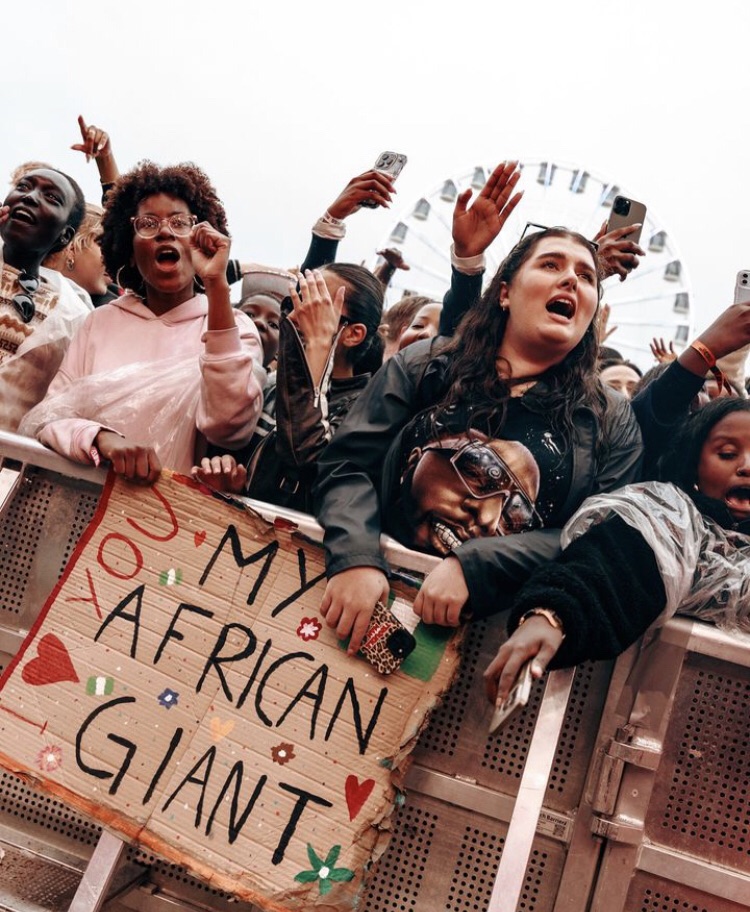
Burna Boy, also known as the African Giant, has made a name for himself with his unique voice and genre-blending music. His ability to mix Afrobeat, reggae, dancehall, and pop has earned him international acclaim.
While Buju is undoubtedly talented, Burna Boy’s wide vocal range and versatile style put him in a category of his own. Buju’s strengths are clear, but Burna Boy’s consistency and creativity keep him at the top.
Buju’s Unique Style and Impact
Buju’s rapid rise in the music industry is a result of his talent and hard work. His ability to connect with listeners through his voice and lyrics makes him a compelling artist to watch. Songs like “My Life” not only highlight his vocal abilities but also his skill in crafting meaningful lyrics.
Buju’s unique style and commitment to his craft have set him on a path to becoming one of the leading voices in Afrobeat. Whether you’re a fan of Wizkid, Davido, or Burna Boy, Buju’s music offers something special that is sure to leave a lasting impression.
As Buju continues to grow as an artist, the future of Nigerian music looks even brighter with him as one of its shining stars.
In today’s fast-paced world, the term “cultural icon” resonates deeply with people from all walks of life. A cultural icon is more than just a famous personality; they are symbols that embody the values, ideals, and history of a society. From music legends to political figures, cultural icons have the power to shape and influence societal norms and trends. In this blog post, we will delve into what makes a cultural icon, explore some notable examples, and understand their lasting impact on culture and society.
What Defines a Cultural Icon?
A cultural icon is an individual or symbol that holds significant meaning within a culture. They often represent a collective identity and are seen as embodiments of particular values and ideals. Cultural icons can emerge from various fields, including music, art, politics, sports, and entertainment. Their influence transcends their immediate domain, impacting broader societal conversations and inspiring generations.
Characteristics of a Cultural Icon
Widespread Recognition: A cultural icon is universally recognized within a culture. Their image, name, or symbol is immediately identifiable to the general public.
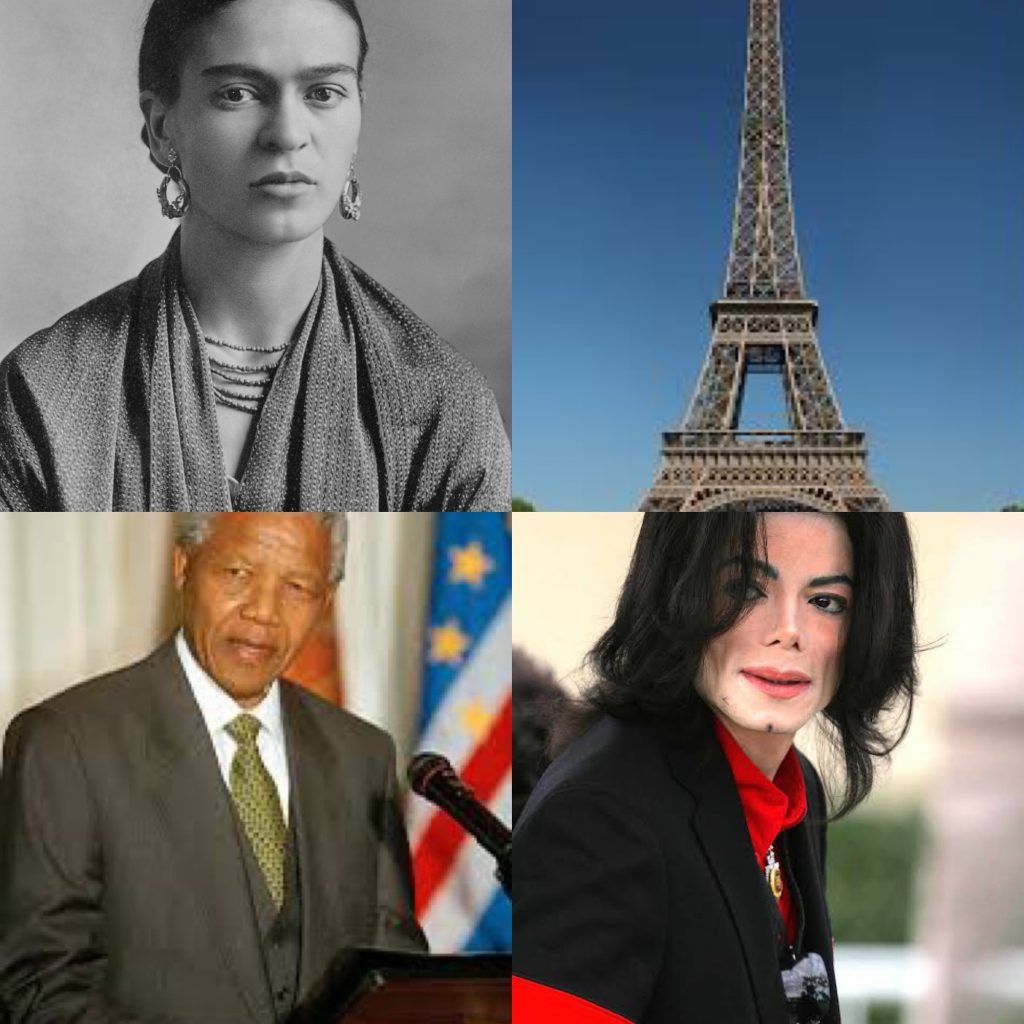
Symbolic Value: They represent specific ideals, values, or historical moments. For instance, Nelson Mandela symbolizes the struggle for freedom and equality.
Enduring Influence: Their impact is not fleeting. Cultural icons have a lasting legacy that continues to inspire and influence long after their peak or even after their death.
Cross-Generational Appeal: They resonate with multiple generations, maintaining relevance over time.
Notable Examples of Cultural Icons
Nelson Mandela
Nelson Mandela is a prime example of a cultural icon in the realm of politics and social justice. As the leader of the anti-apartheid movement in South Africa and the country’s first black president, Mandela’s legacy of peace, resilience, and equality continues to inspire people worldwide.
Michael Jackson
In the world of music, Michael Jackson stands out as a cultural icon. Known as the “King of Pop,” Jackson’s influence on music, dance, and fashion is unparalleled. His groundbreaking work and iconic performances have left an indelible mark on popular culture.
Frida Kahlo
Frida Kahlo, the Mexican painter known for her distinctive style and powerful self-portraits, is a cultural icon in the art world. Her work, which often explores themes of identity, postcolonialism, and gender, has gained global recognition and continues to inspire artists and feminists alike.
The Eiffel Tower
Not all cultural icons are individuals; some are landmarks. The Eiffel Tower in Paris is a symbol of French culture and ingenuity. It stands as an enduring representation of France and is recognized globally.
The Impact of Cultural Icons on Society
Cultural icons play a crucial role in shaping societal values and norms. They serve as role models, offering inspiration and a sense of identity to people. Their actions and words can influence public opinion and inspire social and political movements. For example, Martin Luther King Jr., another cultural icon, played a pivotal role in the American civil rights movement, using his platform to advocate for equality and justice.
Moreover, cultural icons often drive trends in fashion, music, and lifestyle. Icons like Madonna and David Bowie have continually pushed the boundaries of fashion and music, influencing countless artists and fashion designers.
The power and influence of a cultural icon cannot be overstated. They are more than just famous personalities; they are embodiments of cultural values and ideals that inspire and shape society. Whether through music, art, politics, or other domains, cultural icons leave a lasting legacy that transcends generations. By understanding the impact of these icons, we can gain a deeper appreciation for their contributions to our cultural landscape.
Recognizing and celebrating cultural icons helps us connect with our shared history and values, providing a sense of identity and continuity in an ever-changing world. As we look to the future, the influence of these icons will continue to be felt, guiding and inspiring new generations.
When comparing these two icons, it’s often a matter of choosing between Wizkid’s long-standing impact and Burna Boy’s current dominance. Wizkid has been a trailblazer, opening doors for Afrobeat on the world stage, while Burna Boy continues to break new ground with his recent achievements.
The ongoing debate over whether Wizkid or Burna Boy is the bigger artist is a favorite topic among Afrobeat lovers. Both artists have carved out significant careers, each contributing uniquely to the global music stage.
Wizkid: The Afrobeat Star
Wizkid, born Ayodeji Ibrahim Balogun, burst onto the scene in 2010 with his album Superstar and quickly became a major figure in music. His style, which mixes Afrobeat with elements of pop and R&B, has gained attention globally. Collaborations with major international artists like Drake on “Come Closer” and Beyoncé on “Brown Skin Girl” have only solidified his position. Wizkid has been instrumental in bringing Afrobeat to a global audience, making him a key figure in the genre.
Burna Boy: The African Giant
Burna Boy, whose real name is Damini Ebunoluwa Ogulu, earned the nickname “African Giant” for his commanding presence in the music world. With albums like Outside, African Giant, and Twice as Tall, Burna Boy has showcased a blend of Afrobeat, dancehall, and reggae that appeals to audiences worldwide. His Grammy win and sold-out shows at venues like the O2 Arena in London and New York’s Madison Square Garden underscore his massive international success.
Legacy vs. Current Influence
When comparing these two icons, it’s often a matter of choosing between Wizkid’s long-standing impact and Burna Boy’s current dominance. Wizkid has been a trailblazer, opening doors for Afrobeat on the world stage, while Burna Boy continues to break new ground with his recent achievements.
Final Thoughts
Both Wizkid and Burna Boy have significantly shaped Afrobeat, each in their own way. Whether one is bigger than the other depends on what aspects of their careers and achievements you value most. The debate continues as both artists keep pushing the boundaries of Afrobeat music on a global scale.
Reported by Anything Celebrity – Nigeria’s hub for entertainment gist and celebrity updates.
Exploring Burna Boy’s Afro-Fusion: A Unique Sound in Global Music
Burna Boy is widely regarded as a leading force in Afro-fusion, a genre that blends African rhythms with reggae, dancehall, pop, and other global sounds. His unique style, powerful storytelling, and hits like Ye helped take African music to a global audience, while his Grammy-winning album Twice as Tall further cemented his influence on the international music scene.
Burna Boy has become a major force in the music world, thanks to his distinctive blend of African rhythms and global sounds. This genre, known as Afro-fusion, combines elements from Afrobeat, dancehall, reggae, and pop. Burna Boy has played a significant role in popularizing Afro-fusion, which has led to its growing recognition both in Africa and internationally.
Afro-fusion brings together the rich musical traditions of Africa with influences from around the globe. Burna Boy’s music is an excellent example of this genre, where traditional African beats meet contemporary global styles. This blend results in a sound that is fresh and vibrant, capturing the essence of both African and international music traditions.
Burna Boy: A Trailblazer in Afro-Fusion
Born Damini Ebunoluwa Ogulu, Burna Boy was raised in a musically rich environment. His grandfather was a manager for Fela Kuti, the pioneer of Afrobeat, and this connection deeply influenced Burna Boy’s musical direction. Growing up in Nigeria, he was exposed to a variety of music, ranging from local sounds to genres like reggae and hip-hop. This diverse background shaped his Afro-fusion style.
Burna Boy’s music is distinguished by his deep, raspy voice, which adds a unique quality to his songs. His lyrics often touch on themes of African identity, social issues, and personal stories, making his music resonate with a wide audience. His ability to create songs that are both meaningful and rhythmically engaging sets him apart in the music industry.
Key Features of Afro-Fusion
Afro-fusion stands out due to its combination of different musical elements. Some of the key features include:
African Rhythms: The heartbeat of Afro-fusion lies in its rhythmic patterns, often driven by African drums and percussion.
Global Influences: Afro-fusion is enriched by its incorporation of styles like dancehall and reggae, creating a sound that is both innovative and familiar.
Storytelling: Lyrics play a crucial role in Afro-fusion, often reflecting the artist’s experiences and thoughts. Burna Boy’s storytelling ability adds depth to his music, making it more than just a beat-driven genre.
Adaptability: Afro-fusion’s flexibility allows it to be enjoyed in various settings, from energetic dance tracks to more reflective songs.
Afro-Fusion’s Global Reach
The appeal of Afro-fusion lies in its ability to connect with listeners from different cultures. While it retains its African roots, the global influences in Afro-fusion make it accessible to a wide audience. Burna Boy has been able to build a global fanbase by performing at international events and collaborating with artists from different parts of the world.
His hits, such as “Ye” and “On the Low,” have resonated not only in Africa but also across the globe, thanks to their catchy tunes and relatable themes. Burna Boy’s success shows how Afro-fusion has the potential to become a leading genre in global music.
Burna Boy’s Influence on Afro-Fusion
Burna Boy’s contribution to Afro-fusion has been immense. He has not only brought the genre to a broader audience but has also helped redefine the image of African music on the world stage. Through his work, Burna Boy has demonstrated that African sounds can be both contemporary and deeply rooted in tradition, appealing to listeners across the globe.
His Grammy win for Best Global Music Album with “Twice as Tall” highlights the growing recognition of Afro-fusion. This achievement opens doors for other artists in the genre and solidifies Afro-fusion’s place in the global music scene.
Burna Boy’s Afro-fusion is a powerful and innovative genre that has left a significant mark on the music industry. By blending African rhythms with global sounds, he has created a style that is both unique and universally appealing. His ability to tell compelling stories through his music, combined with his deep understanding of various musical genres, has made him a trailblazer in the industry.
As Afro-fusion continues to gain traction worldwide, Burna Boy’s influence will undoubtedly shape its future. His music not only entertains but also brings the rich sounds of Africa to the global stage, fostering a deeper appreciation for the diversity and creativity of African music.
Davido may have more awards in total, particularly in Africa, but Burna Boy’s international accolades set him apart.
Burna Boy vs. Davido: Award Showdown
Burna Boy and Davido are two of Nigeria’s most celebrated music stars. Both have left their mark not just in Africa but globally, racking up numerous awards along the way. But who has taken home more trophies?
Burna Boy: The Global Sensation
Burna Boy has become a dominant force in music worldwide. With his unique blend of styles, he’s captured the attention of audiences far beyond Africa.
Grammy Win: Burna Boy’s 2021 Grammy Award for “Twice as Tall” is a significant achievement in his career. This win was a milestone, as few African artists have claimed this honor. He was previously nominated in 2020 for “African Giant,” but it was in 2021 that he brought the trophy home.
BET Awards: Burna Boy has also been a regular winner at the BET Awards, claiming the title of Best International Act multiple times. These awards highlight his influence not just in Africa, but on a global stage.
MTV Europe Music Awards: His impact in Europe is further evidenced by multiple wins at the MTV EMAs, showing just how far-reaching his music is.
MOBO Awards: Recognized for his contributions to music of Black origin, Burna Boy has also picked up several MOBO Awards, underscoring his widespread appeal.
Beyond these, Burna Boy has also won awards at the MTV Africa Music Awards and the All Africa Music Awards, making him one of the most decorated artists from the continent.
Davido: The Afrobeats Maestro
Davido has been a major figure in the African music scene for over a decade, consistently delivering hits that resonate across the continent.
The Headies: Davido has dominated The Headies, Nigeria’s premier music awards, with multiple wins in categories such as Best Pop Single, Song of the Year, and Artiste of the Year.
BET Awards: Davido’s international success was highlighted by his BET Award for Best International Act in 2018. This moment was particularly significant as he became the first African artist to receive his award on the BET main stage.
MTV Africa Music Awards: Davido’s presence at the MAMAs is further proof of his influence, with several wins to his name. His ability to create songs that resonate widely has kept him at the forefront of African music.
AFRIMMA and AFRIMA Awards: Davido’s victories at the African Muzik Magazine Awards and the All Africa Music Awards show just how deeply his music connects with African listeners.
While Davido’s awards are largely centered on Africa, he has also been recognized internationally, earning nominations and wins at the MTV Europe Music Awards, Soul Train Music Awards, and MOBO Awards.
When counting the awards, Davido leads with a higher number overall, especially within Africa. His success at The Headies, AFRIMMA, and MAMAs reflects his consistent dominance in African music.
However, Burna Boy has made a stronger impression on the global stage. His Grammy win and repeated victories at the BET Awards, MTV EMAs, and MOBO Awards highlight his international recognition.
The Verdict
Davido may have more awards in total, particularly in Africa, but Burna Boy’s international accolades set him apart. Both artists have made significant contributions to music, each excelling in their way. Whether you’re drawn to Davido’s catchy tunes or Burna Boy’s global appeal, there’s no denying that they are both at the top of their game, each with a collection of awards that showcases their unique talents.
Ernest coolezt, a standout figure in the Afrobeat world, has stirred up excitement among his fans with the upcoming release of his new track, Gangster. But here’s the catch—Ernest won’t drop the song until 100 TikTok videos have been created using the sound snippet he shared.
What’s the Buzz About ‘Gangster’?
Ernest coolezt has never been one to follow the traditional path when it comes to releasing new music. This time, he’s asking his fans to get involved directly. He released a short snippet of Gangster on TikTok, inviting his followers to make videos using the sound. The challenge is simple: once 100 unique videos are made, Ernest will drop the full track.
This approach not only builds anticipation for Gangster, but it also strengthens the connection between Ernest and his fanbase. By involving his followers in the release process, he’s ensuring that when the song does drop, it already has a strong presence and support.
The response to the Gangster challenge has been overwhelming. Fans from all over are creating TikTok videos, showcasing everything from dance routines to comedic skits. Each video brings the release of Gangster one step closer, and the excitement is palpable.
For many, this is more than just a challenge; it’s an opportunity to contribute to the success of an artist they admire. The buzz surrounding Gangster is growing daily, with more and more fans jumping in to ensure that the song sees the light of day.
How to Join the Gangster Challenge
If you haven’t participated yet, now is the perfect time to jump in. Head over to TikTok, find the Gangster sound snippet, and create your own unique video. The more creative, the better! Not only will you be helping to unlock the full track, but you’ll also be part of a community of fans eagerly awaiting its release.
The target is clear: 100 videos, and the track is yours to enjoy. So, get creative, share your video, and encourage others to join the movement. Together, let’s make sure Gangster hits the airwaves sooner rather than later.
Looking Forward to ‘Gangster’
Ernest CoolEtz has a track record of delivering hits, and Gangster promises to be no different. With the support and enthusiasm of his fans, the song is poised to make a huge impact once it’s released.
So keep an eye on TikTok, watch the video count rise, and get ready for the full release of Gangster. With Ernest CoolEtz at the helm and his fans rallying behind him, this is one song that’s sure to make waves.
Reported by Anything Celebrity – Nigeria’s hub for entertainment gist and celebrity updates.
Young Jonn, the acclaimed Nigerian record producer and musician, has once again captivated the music world with his latest release, “Montana.” Known for his groundbreaking contributions to the Afrobeat and Afropop genres, Young Jonn’s new song “Montana” is a testament to his evolving artistry and enduring impact on the Nigerian music industry.
Young Jonn, born John Saviours Udomboso, has made a name for himself as one of Africa’s most influential music producers. His signature sound has powered numerous chart-topping hits for top artists like Olamide, Kizz Daniel, and Davido. Over the years, Young Jonn has earned several awards and nominations, solidifying his reputation as a key player in contemporary African music.
The Rise of “Montana
Released in 2024, “Montana” marks a new milestone in Young Jonn’s career. The song blends infectious beats with engaging lyrics, a hallmark of Young Jonn’s production style. “Montana” is quickly becoming a favorite among Afrobeat enthusiasts, drawing praise for its vibrant energy and catchy hooks.
Young Jonn’s expertise as a producer shines through in “Montana.” The track features a seamless blend of traditional Afrobeat rhythms and modern pop elements. The production quality is top-notch, with layered instrumentals and polished vocals that highlight Young Jonn’s attention to detail. The song’s upbeat tempo and danceable groove make it a perfect addition to any playlist.
Lyrical Themes and Inspiration
Lyrically, “Montana” delves into themes of ambition, success, and celebration. Young Jonn’s lyrics are both relatable and aspirational, resonating with listeners who are on their own journeys to achieve greatness. The song’s infectious chorus and memorable lines make it a sing-along favorite, reinforcing its appeal across different demographics.
Reception and Impact
Since its release, “Montana” has garnered significant attention on streaming platforms and social media. Fans and critics alike have praised the song for its fresh sound and Young Jonn’s versatility as an artist. The track’s popularity is reflected in its streaming numbers and positive reviews, further establishing Young Jonn as a powerhouse in the Afrobeat scene.
With “Montana,” Young Jonn continues to push the boundaries of Afrobeat and Afropop. His ability to innovate while staying true to the genre’s roots ensures that he remains a relevant and influential figure in the music industry. As Young Jonn continues to release new music and collaborate with other artists, fans can look forward to more groundbreaking tracks that define the future of African music.
Certainly! Here are some platforms where you can download Young Jonn’s latest track “Montana”:
Apple Music: You can purchase and download “Montana” directly from the Apple Music store.
Spotify: While Spotify primarily offers streaming, you can download tracks for offline listening if you have a premium subscription.
Amazon Music: The track is likely available for purchase and download on Amazon Music.
Google Play Music: Another platform where you might find the song available for purchase and download.
Audiomack: This platform often features new music from African artists, including Young Jonn, and allows downloads for offline listening.
Boomplay: A popular music streaming and download service in Africa that often features tracks from Nigerian artists.
SoundCloud: Some artists upload their tracks to SoundCloud, where they might be available for download.
Make sure to support Young Jonn by downloading “Montana” from these official and legal platforms.
Young Jonn’s new song “Montana” is more than just a hit; it’s a statement of his artistic growth and enduring influence in the Afrobeat genre. As he continues to shape the soundscape of contemporary African music, Young Jonn’s contributions remain invaluable. “Montana” is a must-listen for anyone who appreciates the vibrant and dynamic world of Afrobeat.
“Stubborn,” a collaboration between Victony and Asake, has generated significant buzz since its release. Produced by Blaise Beatz and KTIZO, the song is a fusion of Afrobeat and modern hip-hop elements, showcasing both artists’ distinctive styles.
Asake Instagram photo
Review
Victony and Asake’s synergy is palpable throughout “Stubborn.” The track opens with a catchy beat that immediately grabs the listener’s attention. Victony’s smooth vocals and lyrical prowess are complemented by Asake’s energetic and unique delivery. The production, handled expertly by Blaise Beatz and KTIZO, features rhythmic drums and vibrant melodies, creating a soundscape that is both engaging and dance-worthy.
Lyrically, “Stubborn” explores themes of resilience and determination. Both artists reflect on their journeys and the challenges they’ve faced, emphasizing the importance of perseverance. The chorus, with its repetitive declaration of being “stubborn,” reinforces the song’s message and adds to its memorability.
Public reaction to “Stubborn” has been overwhelmingly positive. Fans have praised the track for its infectious beat and relatable lyrics. On social media, many listeners have shared their appreciation for the collaboration, noting how well Victony and Asake’s styles complement each other. The song’s catchy hook has also made it a favorite for dance challenges and viral videos on platforms like TikTok.
Critics have highlighted the song’s production quality and the chemistry between the two artists. According to JustNaija, “Stubborn” is a standout track that showcases Victony’s versatility and Asake’s dynamic vocal performance Victony – Stubborn Ft Asake MP3 Download – JustNaija.
Similarly, Flexymusic commended the song for its engaging beat and compelling lyrics, calling it a “masterpiece”.
Overall, “Stubborn” is a testament to Victony and Asake’s talents and their ability to create music that resonates with a wide audience. The song’s blend of catchy melodies, strong lyrical content, and top-notch production make it a standout addition to both artists’ discographies.
Nigeria’s music scene is vibrant and diverse, with genres ranging from Afrobeat to highlife to gospel. One genre that has made significant strides, thanks to the contributions of a few key figures, is indigenous rap. Two of the most influential pioneers in this realm are Dagrin and Mr. Raw. Their efforts have not only popularized rap in indigenous languages but have also left a lasting impact on the Nigerian music industry.
Dagrin Instagram photo
Dagrin: The Yoruba Rap Legend
Breaking Barriers with Language and Style
Dagrin, born Oladapo Olaitan Olaonipekun, was a trailblazer who brought the Yoruba language and street slang into mainstream rap music. Before Dagrin, Nigerian rap was heavily influenced by Western styles and often featured English lyrics. Dagrin’s decision to rap in Yoruba made his music relatable to a broader audience. He addressed everyday struggles, hustle, and resilience, themes that resonated with many Nigerian youths.
Cultural Representation in Music
Dagrin’s music provided a voice for the voiceless. Songs like “Pon Pon Pon” depicted the realities of life in the streets, blending catchy beats with poignant lyrics. His 2009 album “C.E.O. (Chief Executive Omoita)” became a cultural phenomenon, bringing indigenous rap to the forefront of Nigerian music. His authenticity and relatability made him a beloved figure.
An Enduring Legacy
Tragically, Dagrin’s life was cut short in 2010, but his legacy endures. He inspired a new generation of Yoruba-speaking rappers, including Olamide and Reminisce, who continue to dominate the music scene. Dagrin’s influence extends beyond his music; he proved that indigenous languages and local experiences have a place in global music.
Mr rawInstagram photo
Mr. Raw: The Igbo Rap Pioneer
Pioneering Igbo Rap
Mr. Raw, originally known as Nigga Raw, is credited with pioneering rap in the Igbo language. Before his emergence, Igbo was rarely used in rap music. Mr. Raw’s ability to seamlessly blend Igbo with English lyrics opened up new possibilities for the genre. His unique style quickly gained popularity, making Igbo rap a recognized and respected subgenre.
Commercial Success and Versatility
Mr. Raw’s debut album “Right & Wrong” featured hits like “Obodo” and “Hip Hop Gyration,” which achieved commercial success and became anthems. His versatility in mixing different musical styles and his numerous collaborations with other artists broadened the appeal of indigenous rap. He showed that rap music could be both commercially viable and culturally significant.
Mr raw Instagram photo
Mentorship and Inspiration
Mr. Raw has been a mentor to many upcoming rappers from Eastern Nigeria. Artists like Phyno have credited him as a major influence. By proving that rap in indigenous languages could succeed, Mr. Raw has inspired many to follow in his footsteps, ensuring that the genre continues to evolve and grow.
The Lasting Impact on Nigerian Music
The foundations laid by Dagrin and Mr. Raw have transformed the landscape of Nigerian rap music. Their work has shown that indigenous languages can thrive in rap, providing a more inclusive and representative musical experience. Today, artists like Olamide, Phyno, and Reminisce continue to build on their legacy, creating music that reflects Nigeria’s diverse cultural tapestry.
Dagrin and Mr. Raw’s contributions to indigenous rap in Nigeria cannot be overstated. They broke linguistic barriers, brought local stories to the forefront, and inspired a new generation of artists. Their legacy is evident in the thriving indigenous rap scene today, proving that authenticity and cultural pride resonate deeply with audiences. As Nigerian music continues to evolve, the foundations laid by these pioneers will undoubtedly remain a vital part of its history.
Dagrin Instagram photo
Did dagrin and Mr raw received any award or nomination during their time in the music industry
Both Dagrin and Mr. Raw received recognition for their contributions to the Nigerian music industry during their careers. Here are some notable awards and nominations they garnered:
Dagrin
Hip Hop World Awards (Headies):
In 2010, Dagrin received several nominations at the Hip Hop World Awards (now known as The Headies), one of Nigeria’s most prestigious music awards. He won the award for Best Rap Album for his album “C.E.O.”
He also won the Best Collaboration award for the song “Kondo” and Best Rap Single for “Pon Pon Pon.”
Additionally, he received a posthumous award for Artiste of the Year.
Mr raw Instagram photo
Mr. Raw
Nigerian Music Awards:
Mr. Raw received nominations for his work, particularly for his groundbreaking contributions to indigenous rap. He was recognized in categories such as Best Rap Album and Best Collaboration.
Channel O Music Video Awards:
Mr. Raw’s music videos received nominations at the Channel O Music Video Awards, an award ceremony that celebrates African music videos.
City People Entertainment Awards:
Mr. Raw has also been recognized at the City People Entertainment Awards, which honor achievements in the entertainment industry.
While Mr. Raw may not have had as many mainstream awards as Dagrin, his influence and pioneering work in Igbo rap have earned him a respected place in the Nigerian music scene. Both artists left an indelible mark on the industry, and their recognition through awards and nominations underscores their impact on Nigerian rap music.
Olamide, often hailed as the “Voice of the Street,” is a titan in the Nigerian music industry. Known for his raw talent, versatility, and lyrical genius, Olamide has carved out a niche not only as a performer but also as a prolific songwriter. His latest contribution to D’banj’s song “Koko” highlights his exceptional ability to craft hit songs that resonate with diverse audiences.
Olamide Instagram photo
The Collaboration: Olamide and D’banj
When two giants of the Nigerian music industry collaborate, the result is bound to be spectacular. Olamide’s recent work with D’banj on the song “Koko” is no exception. D’banj, famous for his energetic performances and catchy tunes, enlisted Olamide to infuse “Koko” with fresh, vibrant lyrics and a unique musical style.
Olamide’s Songwriting Prowess
Olamide’s songwriting skills are second to none. His ability to blend contemporary sounds with traditional Nigerian music elements has made him a sought-after songwriter for many artists. Here’s what sets Olamide apart:
1. Versatility
Olamide seamlessly adapts his writing style to fit different genres, whether it’s Afrobeats, hip-hop, or pop. This versatility ensures that every song he writes is not only unique but also universally appealing.
2. Cultural Relevance
Olamide has a knack for incorporating cultural references and local slang into his lyrics. This not only makes his songs relatable to Nigerian audiences but also adds an authentic flavor that appeals globally.
3. Catchy Hooks
One of Olamide’s strengths is creating memorable hooks that stay with listeners long after the song has ended. This talent is evident in “Koko,” where the chorus is both infectious and engaging.
The Impact of “Koko”
Olamide Instagram photo
Since its release, “Koko” has quickly climbed the charts, becoming a favorite among fans and music critics alike. The song’s success can be attributed to several factors:
Lyrical Depth: Olamide’s lyrics in “Koko” are both meaningful and entertaining, providing listeners with a rich auditory experience.
Melodic Composition: The melody, crafted in collaboration with D’banj, is both catchy and sophisticated, showcasing a perfect blend of both artists’ strengths.
Production Quality: High-quality production ensures that “Koko” stands out in an increasingly crowded music landscape.
Olamide’s Influence in the Music Industry
Olamide’s influence extends far beyond his own discography. By writing for other artists, he has helped shape the sound of contemporary Nigerian music. His collaborations have set new trends and raised the bar for musical excellence.
Some other artists Olamide has written song for?
Olamide has written songs for a number of artists, contributing to the success of many tracks within the Nigerian music industry. Some of the notable artists he has written for include:
1. Tiwa Savage
Olamide has collaborated with Tiwa Savage, one of Nigeria’s top female artists, on several projects. Their synergy often results in hits that blend both their unique styles seamlessly.
2. Phyno
Olamide and Phyno share a strong musical bond, often writing and performing together. Their collaborations, such as “Fada Fada” and “Ghost Mode,” have become anthems in the Nigerian music scene.
Olamide Instagram photo
3. Lil Kesh
As a mentor to Lil Kesh, Olamide has significantly influenced his music. He has written and co-written several songs for Lil Kesh, including hits like “Shoki” and “Efejoku.”
4. Adekunle Gold
During Adekunle Gold’s time with YBNL Nation, Olamide played a key role in his musical development. He contributed to writing some of Adekunle Gold’s early hits, helping to establish his career.
5. Viktoh
Another artist from the YBNL stable, Viktoh has benefited from Olamide’s songwriting prowess. Olamide has written and co-written songs that have helped Viktoh gain recognition in the industry.
6. Chinko Ekun
Olamide has also worked closely with Chinko Ekun, writing songs that highlight his rap skills and lyrical dexterity. Tracks like “Able God” have been influential in Chinko Ekun’s career.
7. Naira Marley
Olamide’s influence extends to working with Naira Marley, known for his controversial yet popular style. Their collaborations have yielded successful tracks that resonate with a broad audience.
Olamide Instagram photo
Olamide’s role as a songwriter has significantly shaped the careers of many Nigerian artists. His ability to craft compelling lyrics and memorable hooks has not only advanced his own career but has also propelled others into the spotlight. As Olamide continues to collaborate and write for other artists, his influence on the Nigerian music industry remains profound and far-reaching.
Olamide’s contribution to D’banj’s “Koko” is a testament to his exceptional songwriting abilities. His unique style, cultural relevance, and knack for creating catchy hooks make him one of the most influential songwriters in the Nigerian music industry. As Olamide continues to lend his talent to other artists, his impact on the music scene will undoubtedly grow, inspiring the next generation of musicians.
For fans of Nigerian music, Olamide’s work is a beacon of creativity and innovation. Whether he is performing his own hits or writing for others, Olamide consistently delivers music that captivates and entertains. Keep an ear out for his latest projects, as they are sure to make waves in the music world.
Young Jonn, born John Saviours Udomboso, has established himself as a notable figure in the Nigerian music industry, evolving from a highly respected music producer to a successful recording artist.
Young jonn Instagram photo
Early Career and Music Production
Introduction to Music Production: Young Jonn began his career primarily as a music producer. His early work caught the attention of the Nigerian music scene, particularly due to his distinctive and innovative production style. He was known for his ability to craft catchy beats and his knack for creating hit songs.
Breakthrough as a Producer: His major breakthrough came through his association with the record label YBNL Nation, where he worked closely with Olamide, one of Nigeria’s biggest artists. Young Jonn produced several hit tracks for Olamide, including “Story for the Gods” and “Bobo,” which cemented his reputation as one of the top producers in the country.
Signature Sound: Young Jonn’s production style is characterized by its energetic beats, catchy hooks, and a blend of traditional African rhythms with modern sounds. His work significantly influenced the Afrobeats genre, contributing to its global appeal.
Young jonn Instagram photo
Transition to a Recording Artist
First Steps as a Vocalist: After years of success behind the scenes, Young Jonn began exploring his potential as a recording artist. His transition was gradual, starting with featuring on tracks and providing vocals on some of his productions.
Debut Singles and Style: He eventually released his own singles, showcasing his ability to not only produce but also perform. Songs like “Dada” and “Incase” displayed his versatility and his ability to craft hit songs as a solo artist. His music as a recording artist often blends his production prowess with his unique vocal style, creating a seamless integration of beats and lyrics.
Critical and Commercial Reception: Young Jonn’s work as a recording artist has been well-received both critically and commercially. He has been praised for his smooth transition from producer to artist, maintaining the quality and appeal of his music. His singles have garnered millions of streams, and he has built a solid fanbase that appreciates his dual talent.
Young jonn Instagram photo
Impact on the Industry
Influence on Upcoming Artists: Young Jonn’s evolution has been inspirational for many upcoming artists and producers in Nigeria and beyond. His success story underscores the potential for producers to step into the spotlight as performing artists, breaking traditional industry boundaries.
Continued Production Work: Despite his focus on his career as a recording artist, Young Jonn continues to produce music for other artists, maintaining his influence in the industry. This dual role enhances his versatility and keeps him relevant in the ever-evolving music scene.
What are some other projects young jonn worked on while he was a musical producer
Young Jonn has an impressive portfolio as a music producer, having worked on various projects with several high-profile artists beyond his collaborations with Olamide. Here are some notable projects and songs he has produced:
Olamide’s albums such as Street OT (2014), Eyan Mayweather (2015), and The Glory (2016) feature several tracks produced by Young Jonn.
Lil Kesh’s debut album Y.A.G.I (Young And Getting It) (2016) includes multiple tracks produced by Young Jonn.
Singles:
“My Life” by Ycee (2017)
“Don’t Call Me Back” by Joeboy (featuring Mayorkun) (2019)
Influence and Style
Young Jonn’s production style is known for its energetic beats, catchy melodies, and a unique blend of traditional African sounds with contemporary music trends. This signature sound has significantly influenced the Afrobeats genre and has helped many artists achieve mainstream success.
Awards and Recognition
His work has earned him multiple accolades, including the Headies Award for Producer of the Year in 2016 for his production on Olamide’s “Bobo.”
Young Jonn’s transition from a behind-the-scenes producer to a recording artist continues to inspire many in the music industry, demonstrating his versatility and deep understanding of music production and performance.
Young jonn Instagram photo
If i had the opportunity to interview Young Jonn, the successful Nigerian producer and recording artist, I would ask him the following questions:
Transition from Producer to Artist: What inspired you to transition from being a producer to a recording artist, and how has this shift impacted your career?
Creative Process: How does your creative process differ when producing music for other artists versus creating your own tracks?
Influences and Inspirations: Who are your biggest musical influences, and how have they shaped your sound?
Challenges: What were some of the biggest challenges you faced in establishing yourself as a successful recording artist, and how did you overcome them?
Collaboration: How do you approach collaborations, and what do you look for in artists you choose to work with?
Future Projects: Can you share any details about upcoming projects or collaborations that you are excited about?
Advice for Aspiring Artists: What advice would you give to young producers and artists who aspire to achieve similar success in the music industry?
Industry Changes: How do you think the Nigerian music industry has evolved over the past few years, and where do you see it heading in the future?
Personal Growth: How have you grown personally and professionally since you started your career in music?
Balancing Roles: How do you balance your roles as a producer and an artist, and do you have a preference for one over the other?
These questions aim to explore his journey, creative insights, and future aspirations, providing a comprehensive look at his career and impact on the music industry.
Young jonn hits track since he transitioned from music production to being a recording artist
Since transitioning from music production to being a recording artist, Young Jonn has released several hit tracks. Notable among them are:
Young jonn Instagram photo
“Dada“: This track became a significant hit and showcased Young Jonn’s versatility as a recording artist.
“Xtra Cool”: This song further established him as a prominent artist in the Nigerian music scene.
“Currency“ (featuring Olamide): A collaboration that resonated well with fans and highlighted his ability to blend his production skills with his vocal talent.
These tracks have helped cement Young Jonn’s reputation not only as a top producer but also as a successful recording artist in his own right.
Young Jonn’s journey from a renowned music producer to a successful recording artist exemplifies his multifaceted talent and adaptability. His contributions to Afrobeats, both as a producer and as a performer, have left a significant mark on the genre. As he continues to evolve, Young Jonn remains a dynamic force in the music industry, inspiring many with his creativity and determination.
Burna Boy, the globally acclaimed Afrobeat star, is set to make waves again as he hosts a special YouTube Music Nights performance. This event, scheduled for July 26, 2024, marks the 5th anniversary of his groundbreaking album African Giant. The concert, which will take place at the iconic KOKO Camden venue in London, promises to be a night of electrifying performances and unforgettable moments.
A Milestone Celebration
The YouTube Music Nights event featuring Burna Boy will celebrate the monumental success of African Giant, an album that has significantly influenced the global music scene. Released in July 2019, African Giant brought Afrobeat to new heights and featured collaborations with international artists like Jorja Smith, Jeremih, Future, Damian Marley, and YG
Burna Boy’s performance will include hit tracks from African Giant, such as “On the Low,” “Dangote,” “Wetin Man Go Do,” and “Gum Body.” Fans can expect a dynamic set filled with the infectious energy and captivating stage presence that Burna Boy is known for
The Significance of “African Giant”
African Giantis not just an album; it’s a cultural statement. It represents a pivotal moment in Burna Boy’s career, marking his international breakthrough and earning him a Grammy nomination for Best World Music Album. The album’s blend of Afrobeat, dancehall, pop, and hip-hop resonates with a diverse audience, showcasing the versatility and depth of African music
Burna Boy expressed his excitement for the event, stating, “Celebrating the 5th anniversary of African Giant with a special performance in London, supported by YouTube Music, has been an incredible experience. This album holds a special place in my heart as it represents a pivotal moment in my career and a powerful statement of African pride”.
The Impact of YouTube Music Nights
YouTube Music Nights has become a platform for artists to connect with their fans in unique and intimate settings. Burna Boy’s participation in this event underscores the significance of his music and the global impact of African Giant. The concert will also feature performances from other artists, adding to the night’s diversity and appeal.
Addy Awofisayo, Head of Music at YouTube in Africa, shared her enthusiasm, stating, “We are thrilled to present Burna Boy on YouTube Music Nights, celebrating the 5th anniversary of his groundbreaking album, African Giant“.
A Night to Remember
As the date approaches, anticipation is building for what promises to be a historic night. Burna Boy’s YouTube Music Nights performance will not only celebrate the success of African Giant but also highlight the artist’s journey and the cultural impact of his music.
Fans around the world can tune in to the live stream on YouTube to witness Burna Boy’s electrifying performance and join in the celebration of an album that has left an indelible impression
What to Expect at YouTube Music Nights
Burna Boy’s YouTube Music Nights performance will be a dynamic showcase of his biggest hits from African Giant. The artist, known for his energetic and captivating stage presence, will deliver a setlist that includes fan favorites such as “Collateral Damage,” “Wetin Man Go Do,” and “Gum Body.” The event will also feature guest performances by other talented artists, adding to the night’s diversity and excitement.
The Venue: KOKO Camden
Located in the heart of London, KOKO Camden is a venue with a rich history of hosting legendary performances. Its intimate setting is ideal for a concert that celebrates the cultural and musical impact of African Giant. The ambiance of KOKO Camden will perfectly complement Burna Boy’s performance, creating a memorable experience for all attendees
Reflecting on Five Years of Success
As Burna Boy looks back on the five years since the release of African Giant, he acknowledges the album’s significant role in his career. In a recent statement, he expressed his gratitude to his fans, saying, “Celebrating the 5th anniversary of African Giant with a special performance in London, supported by YouTube Music, has been an incredible experience. This album holds a special place in my heart as it represents a pivotal moment in my career and a powerful statement of African pride”
The world of hip-hop has been rocked by new allegations surrounding the death of Tupac Shakur, one of its most iconic figures. According to recent court documents, Sean “Diddy” Combs is accused of offering $1 million to have Tupac killed. These revelations come from Duane “Keffe D” Davis, who has been a central figure in the investigation of Tupac’s murder. In this blog post, we will delve into the details of these claims, the background of the East Coast/West Coast feud, and the responses from those involved.
Diddy
The Allegations
Keffe D, a former Compton Crip, alleges that Diddy offered him $1 million to kill Tupac Shakur and Suge Knight, the head of Death Row Records. This claim was made in a taped confession that has been submitted as evidence in court. According to Keffe D, the offer was made during the height of the East Coast/West Coast rap wars, a period marked by intense rivalry and violence between the two factions.
In the tape, Keffe D recounts how Diddy purportedly expressed his desire to eliminate both Tupac and Suge Knight. The tape, which has been reviewed by multiple media outlets, contains chilling details of the alleged conspiracy. Keffe D’s claims have added a new layer of intrigue to the long-unsolved murder of Tupac Shakur, who was killed in a drive-by shooting in Las Vegas in 1996
In the papers filed on Thursday (July 18), Diddy is named 77 times by his various pseudonyms: Puffy, Puff Daddy, Puff and his government name, Sean Combs.
“Defendant [Keefe] has asserted publicly that he only told on himself and wasn’t trying to provide evidence against anyone else in his conversations with police. However, this statement belies this claim, as he suggested that Sean Combs paid Eric Von Martin a million dollars for the killings,” the documents read in part.
In one of the transcripts, Davis reportedly testified to Diddy’s involvement in 2Pac’s murder.
Police asked Davis, “Puffy Combs….Does he play a role in this thing?…” and Davis replied, “Yeah, I think he did.” Davis said Diddy told him and a group of about 45 people how he “would give anything” for Knight’s “head” because he was “scared” of him and also had a problem with Shakur after he had released a diss track about him.
Prosecutors filed the documents in a bid to oppose Davis’ latest bail request. His $112,500 bail bond was rejected last month over concerns about the source of the money.
However, it’s still unknown if Diddy will be subpoenaed or indicted as part of the case.
Background of the Feud
The East Coast/West Coast rivalry was a major conflict in the 1990s hip-hop scene. On one side was Death Row Records, led by Suge Knight and featuring artists like Tupac Shakur. On the other side was Bad Boy Records, led by Diddy and featuring artists like The Notorious B.I.G. The feud was fueled by personal animosities, diss tracks, and violent confrontations.
Tupac’s murder on September 7, 1996, came at the peak of this rivalry. Despite numerous theories and investigations, the case remained unsolved for decades. The latest allegations against Diddy have reignited interest in the case and raised questions about the true motives behind Tupac’s killing.
Diddy’s Response
Sean “Diddy” Combs has consistently denied any involvement in Tupac’s murder. In response to the latest allegations, Diddy has reiterated that the story is “pure fiction” and “completely ridiculous.” He has maintained his innocence in numerous interviews and has even reached out to Tupac’s family to assert that he had no role in the murder
The Legal Proceedings
The court documents and tape recordings provided by Keffe D have become key pieces of evidence in the ongoing investigation. Las Vegas prosecutors are using these materials to build their case against Keffe D, who has been charged with murder in connection with Tupac’s death. The revelations in the tape recordings could potentially reshape the narrative surrounding Tupac’s murder and bring new insights into the involvement of key figures in the hip-hop industry
The allegations that Diddy offered $1 million to have Tupac killed are shocking and have reignited interest in one of the most infamous unsolved murders in hip-hop history. As the legal proceedings unfold, more details are likely to emerge, shedding light on the complex web of relationships and rivalries that defined the East Coast/West Coast feud.
The rap industry has long been fueled by rivalries, and one of the most compelling in recent years is the competition between Cardi B and Nicki Minaj. Both artists have shattered records, pushed boundaries, and inspired countless fans. But who is truly on top when it comes to U.S. sales?
Nicki Minaj Instagram photo
Cardi beat Minaj in attributed units to become the highest-certified female rapper in US history. Cardi has sold 107 million copies while Minaj has sold 106 million, according to data from the official website of the Recording Industry of America (RIA), which certifies songs based on unit sales in the US.
Although Minaj has sold more tracks than Cardi B, the majority of her successes were features that the RIA website failed to give her credit for.
Nicki Minaj’s Unprecedented Achievement
Nicki Minaj recently hit a significant milestone in her illustrious career. Her hit single “Super Bass,” originally released in 2011, has been certified 12 times platinum by the Recording Industry Association of America (RIAA). This certification makes it the highest certified single by a female rapper in U.S. history, surpassing Cardi B’s “Bodak Yellow,” which held the record with 11 times platinum certification
This achievement underscores Nicki’s enduring appeal and consistent performance over more than a decade in the music industry. It’s a testament to her staying power and the loyalty of her fan base, known as the Barbz, who have supported her through numerous albums and singles.
Cardi B’s Impact on the Rap Scene
Cardi B Instagram photo
Cardi B, on the other hand, has also made a significant impact since her breakout hit “Bodak Yellow” in 2017. The song catapulted her to fame and earned her a place in history as the first female rapper to top the Billboard Hot 100 with a solo song in nearly two decades. Her debut album, “Invasion of Privacy,” was both a commercial and critical success, winning a Grammy Award for Best Rap Album.
Cardi B has been praised for her raw, unfiltered style and her ability to connect with audiences on a personal level. She has consistently released hits that dominate the charts and has shown a unique ability to stay relevant in a rapidly changing industry.
The Ongoing Rivalry
Nicki Minaj Instagram photo
The rivalry between Nicki Minaj and Cardi B has been well-documented. From their infamous altercation at the Harper’s Bazaar ICONS party in 2018 to their frequent social media exchanges, the tension between the two has only added to their public personas.
Nicki Minaj has frequently asserted her dominance in the rap game, and her recent sales milestone with “Super Bass” is a powerful reminder of her influence. Meanwhile, Cardi B continues to make headlines with her music and public appearances, solidifying her position as one of the leading voices in modern hip-hop.
Cardi B Instagram photo
In the battle of sales, Nicki Minaj currently holds the upper hand with her record-breaking certification for “Super Bass.” However, Cardi B’s rapid rise and consistent chart-topping hits demonstrate her significant influence and staying power in the industry. Both artists continue to shape the landscape of hip-hop, inspiring future generations of female rappers and leaving an indelible mark on the music world.
For more insights and updates on the achievements of Nicki Minaj and Cardi B, stay tuned to the latest in hip-hop news and charts analysis.
The debate over who reigns supreme in U.S. sales is far from settled, but one thing is clear: both Nicki Minaj and Cardi B have cemented their places in the pantheon of hip-hop legends. As they continue to release new music and break new records, fans can expect this rivalry to keep the rap game exciting and dynamic.
Rema Asake and Firboy DML are the three big cats in Afrobeat in this new school
In recent years, Afrobeat has ascended to unprecedented heights on the global music stage, thanks to the innovative sounds and electrifying performances of Rema, Asake, and Fireboy DML. These young artists have redefined the genre, bringing African music into the international limelight. Here, we delve into their journeys, achievements, and contributions to Afrobeat, complete with links to their YouTube channels and Instagram pages.
Rema: The Leading Big Cat of Afrobeat
Divine Ikubor, popularly known as Rema, burst onto the music scene in 2019 with his self-titled debut EP. Since then, he has consistently released chart-topping hits and earned accolades that have cemented his status as one of Afrobeat’s leading artists.
Key Achievements:
Breakout Single “Dumebi”: Rema’s breakout single “Dumebi” was a commercial success, amassing millions of streams and introducing him to a global audience.
Guinness World Record: Rema’s hit single “Calm Down” featuring Selena Gomez topped the inaugural Middle Eastern and North Africa (MENA) chart, earning him a spot in the Guinness Book of Records as the first artist to achieve this feat.
Spotify Milestone: “Calm Down” also reached one billion streams on Spotify, making Rema the first African artist-led track to join Spotify’s Billions Club Read more on punch.
Highest Paid African Artist: In 2024, Rema became the highest paid African artist after earning $3 million for his performance at the wedding of Indian billionaire Mukesh Ambani’s son.
International Performances: Rema has performed at prestigious events like the Brit Awards, further showcasing his talent on a global stage.
Rema’s unique blend of Afrobeat, trap, and pop has made him a favorite among fans worldwide, and his philanthropic efforts, such as the Rema Care Foundation, highlight his commitment to giving back to his community.
Asake: The Street Pop Big Cat
Ahmed Ololade, known professionally as Asake, has taken the Afrobeat scene by storm with his distinct sound that fuses street pop with traditional Yoruba music. His rise to fame has been marked by a series of hits that resonate deeply with fans across Nigeria and beyond.
Key Achievements:
Hit Singles: Asake’s tracks like “Mr. Money,” “Omo Ope,” and “lonely at the top” have become anthems in the Afrobeat community.
Mr money
Omo ope
Lonely at the top
Album Success: His debut album “Ololade Asake” received critical acclaim and solidified his place as a leading artist in the Afrobeat genre.
Ololade Asake
Collaborations: Asake has collaborated with top artists such as Olamide, which has helped expand his reach and influence.
Asake’s music is characterized by its energetic beats and relatable lyrics, making it a staple at parties and gatherings. His rise from the streets to stardom is an inspiring story of perseverance and talent.
Fireboy DML: The Melodic Big Cat
Adedamola Adefolahan, known as Fireboy DML, has captivated audiences with his smooth vocals and heartfelt lyrics. Since his debut, he has been a force to reckon with in the Afrobeat scene, delivering hits that have garnered international acclaim.
Key Achievements:
Debut Album “Laughter, Tears & Goosebumps”: Fireboy’s debut album was a commercial success, featuring hit singles like “Jealous” and “Vibration.”
Laughter, Tears & Goosebumps
Sophomore Album “Apollo”: His second album, “Apollo,” showcased his growth as an artist and included tracks that topped various charts.
International Recognition: Fireboy’s collaboration with Ed Sheeran on the remix of “Peru” brought him further international recognition and chart success.
Awards and Nominations: Fireboy has received numerous awards and nominations, including the Headies Award for Album of the Year.
Fireboy DML’s music is known for its emotional depth and melodic richness, making it a favorite among listeners who appreciate quality songwriting and vocal performance.
Rema, Asake, and Fireboy DML are more than just musicians; they are cultural ambassadors who are taking Afrobeat to new heights. Their achievements reflect not only their individual talents but also the vibrancy and diversity of African music. As they continue to break barriers and reach new milestones, they inspire a new generation of artists and fans alike.
By celebrating their accomplishments and sharing their music, we not only support these artists but also contribute to the global appreciation of Afrobeat. Here’s to the future of Afrobeat, powered by the incredible talents of Rema, Asake, and Fireboy DML.
To determine who could be considered the “fourth big cat” in the Nigerian music industry alongside Davido, Burna Boy, and Wizkid, we can look at several key metrics such as:
Music Sales and Streaming Numbers: High streaming numbers on platforms like Spotify, Apple Music, and YouTube.
Awards and Recognitions: Local and international awards and nominations.
Social Media Influence: Number of followers and engagement on platforms like Instagram, Twitter, and Facebook.
Collaborations: Notable collaborations with other big artists, both within Nigeria and internationally.
Concerts and Tours: Successful tours and major concert performances.
Chart Performance: Songs and albums charting on major music charts.
Given these criteria, the artists who are often considered as contenders for the fourth spot for the four big cats include:
Olamide Instagram photo
1. Olamide
Music Sales and Streaming Numbers: Consistently high.
Awards and Recognitions: Multiple awards including The Headies, MTV Africa Music Awards, etc.
Social Media Influence: Strong presence and engagement.
Collaborations: Extensive collaborations within the Nigerian music industry.
Concerts and Tours: Regular sold-out shows and tours.
Chart Performance: Numerous hits on Nigerian charts.
Tiwa SavageInstagram photo
2. Tiwa Savage
Music Sales and Streaming Numbers: High streaming numbers.
Awards and Recognitions: Multiple awards including MTV Africa Music Awards, The Headies, and international nominations.
Social Media Influence: Large following and high engagement.
Collaborations: International collaborations with artists like Beyoncé, Sam Smith, and others.
Concerts and Tours: Successful tours and major concert performances globally.
Chart Performance: Significant presence on Nigerian and international charts.
3. Mr Eazi
Music Sales and Streaming Numbers: High streaming numbers.
Awards and Recognitions: Awards and nominations locally and internationally.
Social Media Influence: Strong social media presence.
Collaborations: Notable collaborations with international artists.
Concerts and Tours: Successful tours and participation in major music festivals.
Chart Performance: Hits on various charts.
Rema Instagram photo
4. Rema
Also one of the rising artist considered as “the fourth big cats“
Music Sales and Streaming Numbers: Rapidly increasing streaming numbers, especially among the younger audience.
Awards and Recognitions: Emerging awards and recognitions.
Social Media Influence: Growing following and high engagement.
Collaborations: Collaborations with artists like Selena Gomez and others.
Concerts and Tours: Successful tours and performances.
Chart Performance: Increasing presence on international charts.
Olamide “Baddo”
Also considered to be the “fourth big cats“
Career and Impact: Olamide Adedeji, popularly known as Olamide Baddo, is one of the most influential artists in the Nigerian music industry. He started his career in 2010 with the release of his debut single “Eni Duro,” which became an instant hit. His debut album, “Rapsodi,” released in 2011, solidified his presence in the industry.
Music Sales and Streaming: Olamide has released numerous hit songs and albums that have consistently topped charts and garnered millions of streams across platforms like Spotify, Apple Music, and YouTube. His ability to blend traditional Yoruba sounds with contemporary hip-hop and Afrobeat has resonated widely with fans.
Awards and Recognitions: Olamide has won several prestigious awards, including multiple The Headies awards, Nigeria Entertainment Awards, and City People Entertainment Awards. He is known for his prolific output and consistency in the music industry, earning him a reputation as one of the hardest working artists.
Social Media Influence: Olamide has a strong social media presence with millions of followers across Instagram, Twitter, and Facebook. His engagement with fans is high, often using these platforms to promote his music and connect with his audience.
Collaborations: Olamide has collaborated with numerous top-tier artists both within Nigeria and internationally. His collaborations span a wide range of genres and include artists like Wizkid, Davido, Phyno, and international acts like Wale.
Concerts and Tours: Olamide regularly performs at sold-out shows and has headlined numerous concerts both in Nigeria and internationally. His annual “Olamide Live in Concert” (OLIC) is one of the most anticipated music events in Nigeria.
Chart Performance: Olamide’s songs consistently perform well on various music charts. Hits like “Wo,” “Science Student,” and “Motigbana” have dominated Nigerian airwaves and online streaming charts.
Tiwa Savage
“fourth big cats“
Career and Impact: Tiwa Savage, often referred to as the “Queen of Afrobeats,” began her music career as a backup vocalist for international artists like George Michael and Mary J. Blige. She returned to Nigeria to launch her solo career, releasing her debut album “Once Upon a Time” in 2013.
Music Sales and Streaming: Tiwa Savage’s music has a broad appeal, with millions of streams on platforms like Spotify, Apple Music, and YouTube. Her ability to fuse Afrobeats with R&B and pop has made her a favorite both in Nigeria and internationally.
Awards and Recognitions: Tiwa Savage has received numerous awards and nominations, including The Headies, MTV Africa Music Awards, and BET Awards. She has also been recognized on global platforms like the MTV Europe Music Awards and the MOBO Awards.
Social Media Influence: Tiwa Savage boasts a massive following on social media, with millions of followers on Instagram, Twitter, and Facebook. Her posts often go viral, reflecting her strong connection with fans.
Collaborations: Tiwa Savage has collaborated with some of the biggest names in the music industry, including Beyoncé, Sam Smith, and Major Lazer. Her feature on Beyoncé’s “The Lion King: The Gift” album brought her even greater international recognition.
Concerts and Tours: Tiwa Savage has performed at major concerts and music festivals worldwide, including Coachella and the ESSENCE Festival. She has also headlined her own tours, attracting large crowds and critical acclaim.
Chart Performance: Tiwa Savage’s singles and albums frequently chart on both Nigerian and international music charts. Hits like “All Over,” “Ma Lo,” and “49-99” have achieved significant chart success and radio play.
OlamideInstagram photo
The fourth big cats
Both Olamide and Tiwa Savage have made substantial contributions to the Nigerian music industry and have the credentials to be considered the fourth big cat alongside Davido, Burna Boy, and Wizkid. Olamide’s consistent output, ability to dominate local charts, and deep cultural influence make him a strong contender. Tiwa Savage’s international collaborations, award-winning music, and broad appeal also position her as a formidable candidate. Each artist brings unique strengths to the table, making either a deserving addition to the top tier of Nigerian music stars.
Based on current statistics, Olamide and Tiwa Savage are often highlighted as strong candidates for the “fourth big cat” due to their consistent impact and presence in the industry over the years. However, the rising stars like Rema are also making significant waves and could be considered as the fourt big cats in the near future depending on their continued growth and success.
The Dynamics of Female Collaborations in the Nigerian Music Industry
Nigerian music has gained international recognition in recent years and produced some of the most amazing musicians in the world. Several extraordinary female artists who are pushing limits and creating new trends are among these gifted people. Nonetheless, there is a clear pattern in how rarely these female artists work together. This begs the interesting question: Why aren’t Nigerian female musicians featuring one another more frequently?
Simi Instagram photo
Understanding Industry Dynamics
The Nigerian music industry is well-known for its tough rivalry, and female performers face even greater challenges. In a market where building a distinct brand and a committed fan base is essential for success, many female musicians may prioritise individual projects to establish their presence before pursuing partnerships. This strong competitiveness could encourage an environment in which collaboration is viewed as a secondary goal.
Strategic Market Considerations
In the music business, strategic commercial considerations frequently drive collaboration. In order to expand their reach and expand their appeal, female artists and their management teams may place a higher priority on working with male artists or foreign performers. Highlighting a well-known male performer or a global celebrity might increase visibility and provide new business prospects that may not be as easily obtained through female-to-female partnerships.
In the past, female artists have had less possibilities than their male colleagues in Nigeria and many other countries of the world. Due to this difference, female artists now operate in a more competitive climate where they must establish their own credibility before engaging in joint ventures. The industry practices of today are affected by this historical background, which has also influenced the contemporary patterns of collaboration.
Cultural and Social Influences
The dynamics of collaboration among female artists are also significantly influenced by cultural conventions and societal expectations. Female artists may experience additional demands and scrutiny in a society where gender norms are deeply embedded, which could impact their professional relationships and collaboration decisions. These cultural elements may have a subtle impact on the type and frequency of partnerships among female artists.
Tiwa savage Instagram photo
The Emerging Trend of Female Collaborations
In spite of these obstacles, the terrain is progressively shifting. In Nigeria’s music industry, the value and possibilities of female collaborations are becoming increasingly apparent. Notable examples are Seyi Shay and Tiwa Savage, who have both worked with other female artists and contributed to a trend that is gradually but surely gaining traction. These partnerships support industry unity and gender equality in addition to providing musical enrichment.
A Future of Empowered Collaborations
Because of a variety of industry practices, strategic concerns, historical settings, and cultural reasons, the dynamics of female partnerships in the Nigerian music industry are complex and broad.Still, there’s potential for more frequent and significant female collaborations thanks to the changing music environment. Future empowered partnerships that have the potential to form the next phase of Nigerian music are bright, especially as more female musicians continue to shatter stereotypes and redefine industry standards.
For the latest insights and updates on the Nigerian music industry, stay tuned to our blog and follow us on social media.
Notable Collaborations Between Nigerian Female Artists
The Nigerian music industry has seen several notable collaborations between female artists that have left a significant impact on fans and the industry alike. Here are some of the most popular collaborations:
Tems Instagram photo
Yemi Alade and Omawumi – “love you well“ Yemi Alade and Omawumi, both powerhouse vocalists, joined forces on the vibrant track “love you well.” The song blends traditional African sounds with contemporary beats, celebrating African culture and music.
Niniola and Busiswa – “Magun (Remix)“ Niniola, known for her energetic Afro-house tracks, collaborated with South African singer Busiswa on the remix of “Magun.” This collaboration fused Nigerian and South African musical elements, creating a dance hit that resonated across the continent.
Tiwa Savage and Waje – “Onye“ Tiwa Savage also collaborated with Waje, another vocal powerhouse, on the track “Onye.” This song is a perfect blend of their strong vocals and has been appreciated for its lyrical depth and melody.
Yemi Alade and Angélique Kidjo – “Shekere“ Though Angélique Kidjo is a Beninese artist, this collaboration with Yemi Alade is worth mentioning. “Shekere” has been celebrated for its rich cultural representation and powerful message, bridging the gap between different African music traditions.
These collaborations not only highlight the immense talent of Nigerian female artists but also demonstrate the power of unity and creativity in the music industry. As the industry continues to grow, fans can look forward to more exciting and groundbreaking collaborations in the future.
Burna Boy’s “African Giant” album, released in July 2019, has undoubtedly carved out a significant place in the annals of contemporary music history. This groundbreaking album not only elevated Burna Boy to international stardom but also shone a spotlight on Afrobeat, bringing it to a global audience like never before. In this blog post, we’ll explore the multifaceted success of “African Giant,” examining its critical acclaim, commercial triumphs, and cultural impact. Let’s dive into the elements that make “African Giant” a monumental success.
Critical Acclaim: Setting New Standards
When Burna Boy released “African Giant,” it was immediately met with widespread critical acclaim. Music critics and aficionados praised the album for its innovative fusion of genres, including Afrobeat, dancehall, reggae, and pop. This seamless blending of sounds created a unique auditory experience that captivated listeners worldwide.
The album’s lyrical content was another highlight. Burna Boy’s poignant storytelling and powerful messages resonated deeply with audiences. Tracks like “Anybody” and “Dangote” tackle socio-economic issues, while songs like “Ye” became anthems of resilience and celebration. The critical success of “African Giant” is a testament to Burna Boy’s artistry and his ability to connect with listeners on multiple levels.
Awards and Nominations: Recognizing Excellence
“African Giant” didn’t just capture the hearts of listeners; it also garnered significant recognition within the music industry. The album was nominated for a Grammy Award for Best World Music Album in 2020, a prestigious acknowledgment of its global impact. Although it didn’t win, the nomination itself was a historic moment for Burna Boy and Afrobeat as a genre.
In addition to the Grammy nomination, “African Giant” won several other awards. It clinched the Best Album of the Year at the All Africa Music Awards (AFRIMA) and the Best International Album at the BET Awards. These accolades underscore the album’s exceptional quality and its influence on the global music scene.
From a commercial standpoint, “African Giant” was a massive success. The album debuted at number 104 on the Billboard 200 chart, making Burna Boy one of the few Nigerian artists to achieve such a feat. This milestone was not just a personal triumph for Burna Boy but also a significant moment for African music on the world stage.
“African Giant” also topped charts in various African countries, solidifying Burna Boy’s status as a leading figure in the continent’s music industry. The album’s commercial success is further evidenced by its streaming numbers, with millions of plays across platforms like Spotify and Apple Music.
Impact on Afrobeat: A Global Movement
One of the most profound impacts of “African Giant” is its role in propelling Afrobeat to global prominence. Before the album’s release, Afrobeat was already gaining traction internationally, but “African Giant” took it to new heights. Burna Boy’s unique sound and magnetic stage presence helped to introduce the genre to new audiences around the world.
The success of “African Giant” has opened doors for other African artists, paving the way for a new wave of musicians to gain international recognition. This cultural shift is evident in the increasing number of Afrobeat artists collaborating with global superstars and performing on international stages.
Collaborations: Building Bridges
“African Giant” features an impressive lineup of collaborations with high-profile artists, including Jorja Smith, Zlatan, Damian Marley, and Future. These collaborations not only broadened the album’s appeal but also helped to bridge the gap between different musical genres and cultures.
Tracks like “Gum Body” featuring Jorja Smith and “Different” with Damian Marley highlight the seamless integration of diverse musical influences. These collaborations have contributed to the album’s widespread popularity and its ability to resonate with a diverse audience.
Cultural Influence: Beyond the Music
Beyond its musical achievements, “African Giant” has had a significant cultural impact. Burna Boy has used the platform to address pressing social and political issues, particularly those affecting Nigeria and Africa. His willingness to speak out on topics such as corruption, economic inequality, and cultural pride has added depth to the album’s appeal.
Songs like “Collateral Damage” and “Another Story” are not just musical tracks but powerful commentaries on the state of African nations. This ability to combine entertainment with social awareness is one of the reasons why “African Giant” stands out as a monumental success.
The Legacy of “African Giant”
Burna Boy’s “African Giant” is a landmark album that has achieved monumental success on multiple fronts. Its critical acclaim, commercial triumphs, and cultural impact have cemented its place in music history. The album’s success has not only elevated Burna Boy’s career but also helped to bring Afrobeat to a global audience, inspiring a new generation of artists and listeners.
As we look back on the journey of “African Giant,” it is clear that this album is more than just a collection of songs; it is a cultural movement that continues to resonate and inspire. Burna Boy’s “African Giant” is, without a doubt, a monumental success that will be remembered for years to come.