Nigerian music superstar Davido has once again made headlines after reportedly acquiring a brand-new Mercedes-Maybach SL 680 Monogram in Lagos, Nigeria.
The luxury vehicle, the Mercedes‑Maybach SL 680, is said to be worth around ₦1.5 billion, making it one of the most expensive and exclusive cars currently in Africa’s celebrity garage scene.
According to reports circulating online, Davido is among the first Africans to own this ultra-luxury convertible, further cementing his status as one of Nigeria’s biggest entertainers with a taste for high-end automobiles.
Davido’s Growing List of Luxury Cars
This latest addition adds to Davido’s already impressive garage, which includes several Rolls-Royce, Lamborghini, and other high-end supercars owned by the singer over the years.
See video below….
Davido is making headlines after reports emerged that his Mercedes-Maybach SL 680 luxury car has arrived in Lagos, adding another high-end vehicle to his already impressive car collection. pic.twitter.com/KkV4EFPJwG
— Anything celebrity (@AnytinCelebrity) May 15, 2026
Social Media Reactions
Fans and social media users have reacted massively to the news, with many praising his success while others expressed shock at the price tag of the luxury vehicle.
The video and images of the car have since gone viral, especially after it was spotted in Lagos shortly after its arrival.
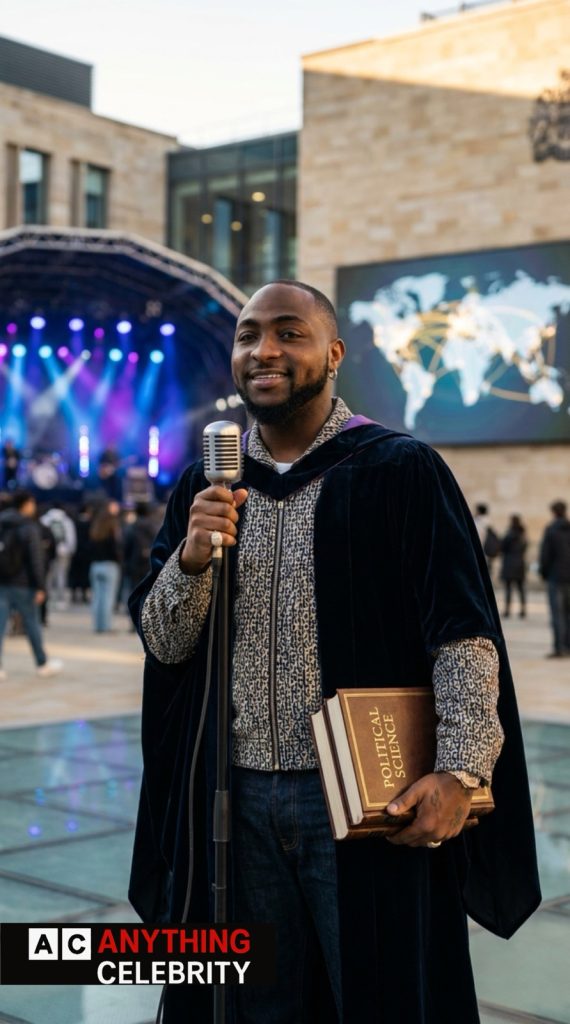
Davido has revealed plans to study for a Master’s degree in Political Science in the UK next year, surprising many fans online. The announcement sparked conversations about education, personal growth, and whether the Afrobeats star could enter politics in the future.
Davido has built a global name in Afrobeats, but his recent announcement about returning to school has sparked fresh conversations. He revealed plans to start a Master’s degree in Political Science at a university in the United Kingdom next year.
For many fans, it came as a surprise. For others, it simply shows a side of him that has always been there — someone who still values learning, even with worldwide fame.
Is Davido really going back to school in the UK?
Yes. Davido confirmed that he plans to begin a Master’s degree in Political Science in the UK next year.
He did not position it as a publicity move or a side project. It was presented as a personal decision tied to growth and education.
The announcement quickly spread across social media, especially among fans who are used to seeing him on stage, touring, or releasing hit songs.
Why is Davido studying Political Science?
Many people are asking this question because his career is rooted in music, not politics.
Political Science focuses on government systems, leadership, public policy, and how societies are managed. People often study it for different reasons:
Interest in governance and leadership
Curiosity about how public systems work
Preparation for future roles in public service
Personal development and knowledge building
Davido has not said he is planning a political career. The choice could simply reflect an interest in understanding how society and leadership work, especially given his influence and global exposure.
Davido’s Plan to Study Political Science in the UK
Is Davido planning to enter politics later?
This is one of the biggest talking points online.
At the moment, there is no official statement suggesting he is moving into politics. The reactions are mostly coming from fans and social media users who are linking his course of study to future ambitions.
Nigeria has seen entertainers cross into public service before, so the idea naturally comes up when a major figure chooses Political Science.
Still, his focus remains music and business ventures.
Why are fans reacting strongly to this news?
The reaction comes from the contrast between his current life and the decision to return to school.
Davido is one of Africa’s most successful music exports, with international awards, sold-out tours, and global collaborations. Seeing someone at that level choose academics again feels unusual to many fans.
Some reactions include:
Surprise that he still wants formal education
Respect for choosing personal development
Jokes about him becoming president one day
Conversations about education being important at any stage of success
Does Davido’s decision change how people see success?
For many young fans, success is often linked to fame, money, or viral moments. Davido’s move adds another layer to that conversation.
It shows that success does not stop someone from going back to learning. It also challenges the idea that education is only for early stages of life.
People are now talking more about returning to school after success, learning new skills later in life, and balancing career achievements with education.
What does studying Political Science mean for Davido’s future?
At this stage, it only confirms one thing — he is investing in knowledge beyond music.
Whether it leads to public speaking, business expansion, or even leadership roles in society later on is not confirmed.
What stands out is the intention to keep learning, even with an already established global career.
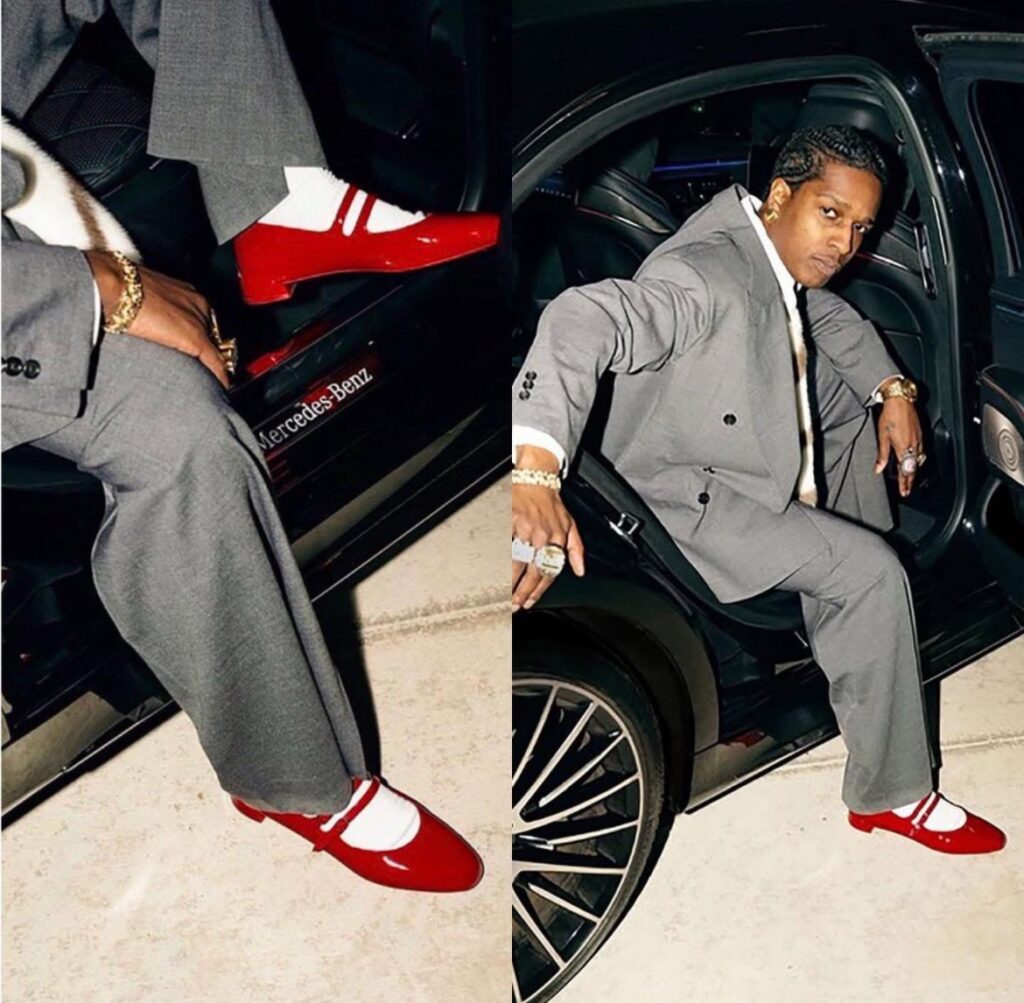
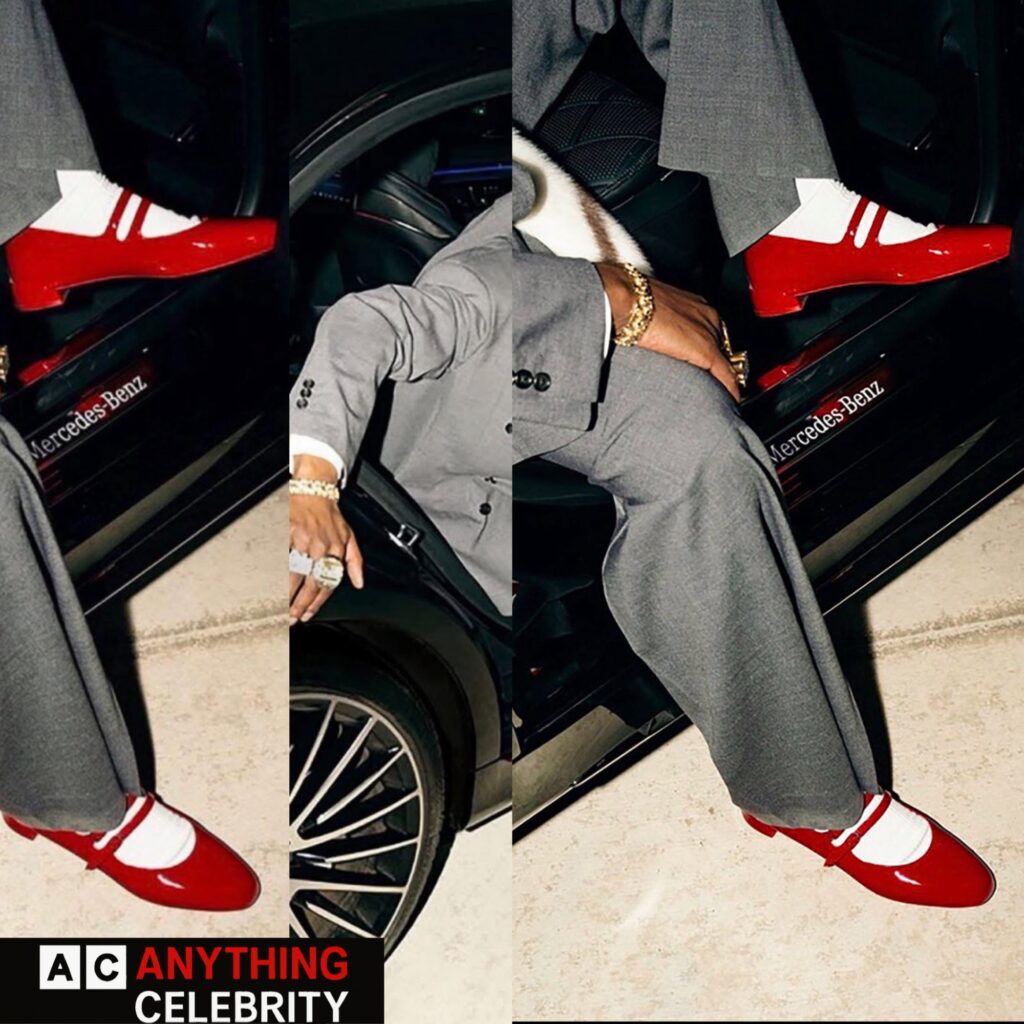
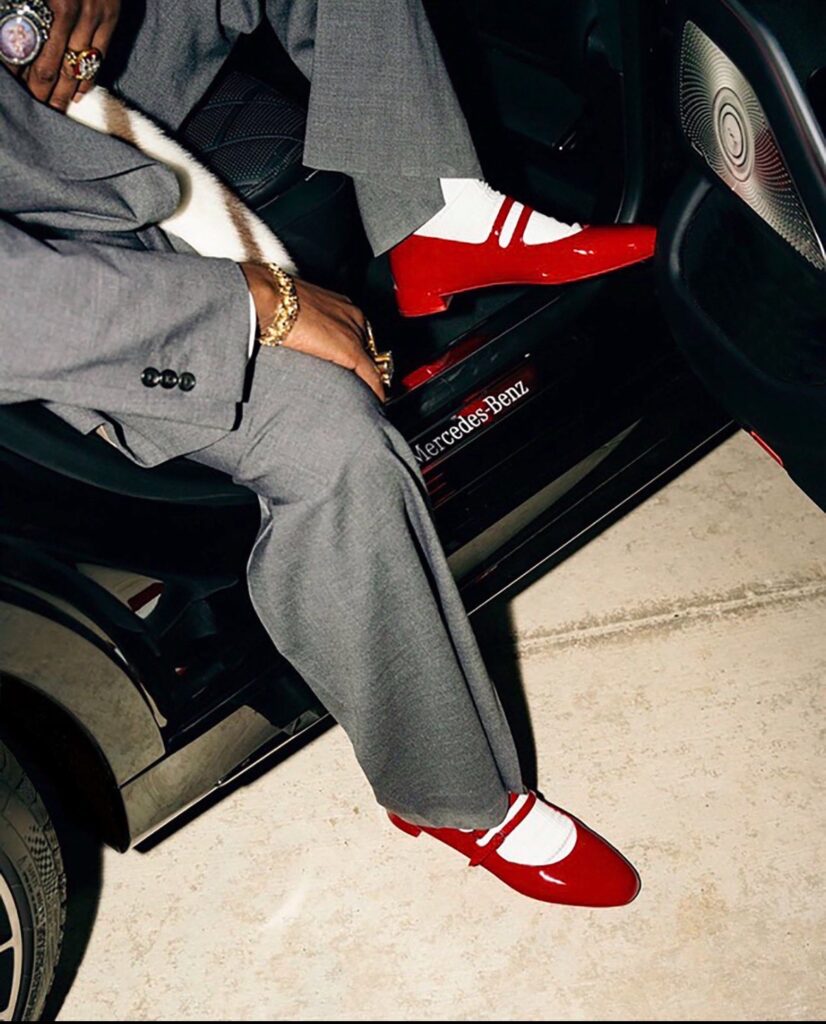
A$AP Rocky is once again the talk of social media this time, it’s not for a new song or fashion campaign, but for stepping out in high heels. Yes, actual heels. The rapper and fashion icon has gone viral after being spotted rocking them in public, leaving fans both shocked and impressed.
This isn’t the first time Rocky has made headlines for challenging traditional men’s fashion rules. From his bold runway looks to androgynous fits, he has never been one to follow mainstream expectations. But this latest appearance has taken the conversation to a new level.
Did A$AP Rocky Mean What He Said in D.M.B.?
Fans quickly linked Rocky’s choice of footwear back to a line in his song D.M.B., where he raps:
“I share my clothes with my b*tch like she my sis.”
Turns out, he might’ve meant that quite literally.
His recent heel-wearing moment has added more weight to that bar, and fans are now quoting it across social media alongside the photos. It’s becoming more than just a fashion choice — it’s a moment that blends lyrics, image, and public attention.
A$AP Rocky and Fashion: No Rules, No Limits
For years, A$AP Rocky has been one of the boldest names in fashion. He’s worked with big names like Dior, Raf Simons, and Gucci. He’s known for pairing high-end designer looks with streetwear in a way that feels effortless.
But what sets him apart isn’t just expensive clothes it’s his attitude. Whether it’s wearing a silk scarf like a babushka or showing up in pearl necklaces, he doesn’t care about outdated gender rules in fashion.
Wearing heels is just the latest addition to his long list of bold choices, and it fits right in with how he presents himself.
How Fans Are Reacting
Reactions have been mixed, but mostly full of praise. Some are calling him a “fashion god,” while others are still adjusting to the idea of a male rapper wearing heels. A few critics say he’s going too far, but his core supporters are standing by him.
One X user wrote:
“A$AP Rocky really said ‘I share my clothes with my b*tch’ and meant it. Iconic.”
Another fan added:
“He’s doing what a lot of these rappers are scared to do — expressing himself fully.”
The discussion keeps growing, and with every viral post, the buzz only gets stronger.
Is A$AP Rocky Changing the Game?
Fashion has always reflected culture, and Rocky seems to know how to push buttons just enough to keep the spotlight on him. Whether he’s intentionally trying to start a conversation or just dressing how he feels, people are watching.
His influence reaches beyond music. With Rihanna by his side and a consistent presence in both fashion and entertainment, Rocky knows how to stay ahead — even if that means stepping into heels.
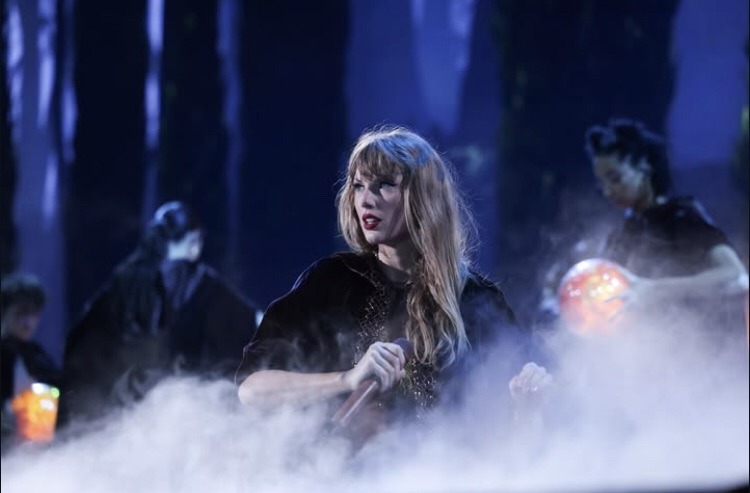
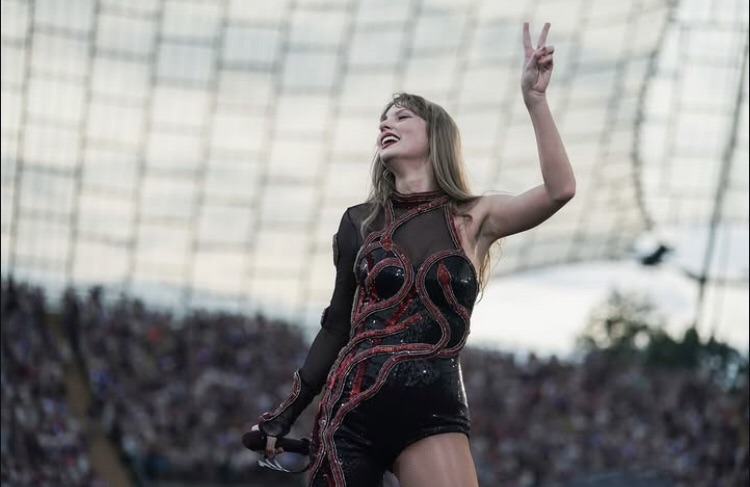
Music lovers worldwide have witnessed an incredible year on Spotify, with Taylor Swift and Bad Bunny leading the charge. These two superstars have achieved over a billion streams each, solidifying their positions as the most dominant figures in streaming for 2025. This success highlights their widespread appeal and the strong connections they’ve built with fans globally.
Taylor Swif
Taylor Swift’s Unstoppable Year
Taylor Swift’s consistent rise in streaming numbers is no surprise. With her re-recorded albums like 1989 (Taylor’s Version) breaking records, she’s successfully turned nostalgia into a powerful force. Fans have flocked to hear her old hits revamped with fresh production, along with vault tracks that bring something new to the table.
Her popularity also reflects her ability to tell stories that resonate. Tracks like “Cruel Summer” and “Style” have captured listeners across generations, while her storytelling approach ensures she remains at the forefront of the music industry. Her tours, combined with her relatable yet iconic persona, have only amplified her streaming performance.
Taylor Swif
Bad Bunny’s Unmatched Global Appeal
Bad Bunny has continued to dominate not just in Latin music but across global charts. Known for blending reggaeton, Latin trap, and various other styles, his music appeals to listeners regardless of language barriers. His tracks this year, including “Un Preview” and songs from his latest album, have been massive hits on Spotify.
Bad Bunny album cover
What makes Bad Bunny stand out is his ability to fuse catchy rhythms with meaningful lyrics. Whether he’s addressing personal experiences, romance, or social issues, his artistry is both relatable and groundbreaking. Fans also admire his authenticity, which has helped him build a loyal following beyond music.
bad Bunny
What Sets Them Apart?
Taylor Swift and Bad Bunny are distinct in style but share some key traits that have fueled their dominance:
1. Connection with Fans
Both artists excel at creating music that feels personal. Swift’s lyrics often feel like pages from a diary, while Bad Bunny’s raw delivery resonates deeply with his audience.
2. Cultural Influence
Taylor Swift represents global pop culture, and her every move sparks conversation. Bad Bunny, on the other hand, is a trailblazer for Latin music, bringing it to audiences who might not have explored the genre otherwise.
3. Consistency and Experimentation
While Taylor experiments with re-recording albums and exploring new sounds, Bad Bunny constantly reinvents reggaeton and Latin trap. Their ability to stay fresh while maintaining their core style is a major reason behind their success.
What Does the Future Hold?
As streaming continues to shape the music industry, artists like Taylor Swift and Bad Bunny will remain key players. Their billion-plus streams are a testament to their staying power, creativity, and ability to connect with audiences worldwide.
Whether you’re into Taylor’s heartfelt lyrics or Bad Bunny’s infectious beats, their music proves that boundaries in language and genre are becoming less significant in today’s globalized music landscape. Fans can expect them to keep pushing the envelope and setting new records for years to come.
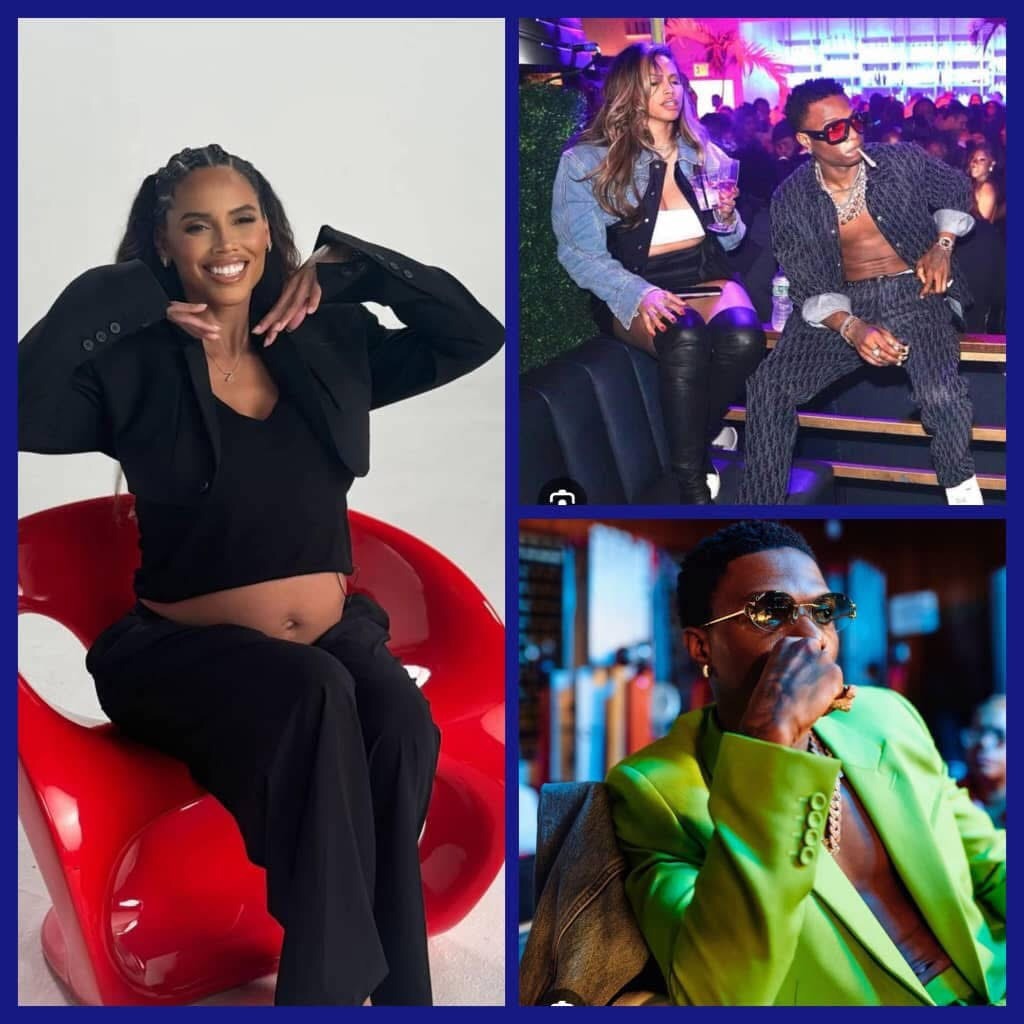
Jada Pollock, often referred to as Wizkid’s baby mama, is tired of being boxed into that single title. She wants the world to know that her role in Wizkid’s life goes far beyond being the mother of his children. As his longtime manager and partner, Jada has been instrumental in shaping the global success of one of Nigeria’s biggest musical icons.
Who Is Jada Pollock?
Jada Pollock, also known as Jada P, is an accomplished talent manager with years of experience in the entertainment industry. Before her connection with Wizkid, she worked with high-profile clients, including international artists like Akon and Chris Brown. Her career path gave her the tools and connections to guide Wizkid’s journey from being a local superstar to becoming an international sensation.
A Manager Turned Life Partner
Jada started as Wizkid’s manager, but their professional relationship eventually blossomed into a personal one. Their bond has led to the birth of two children and a strong partnership both in life and in business.
While many know her as the mother of Wizkid’s kids, Jada wants to be recognized for the significant role she plays in his career. She has helped craft his brand, negotiate major deals, and position him as a leading figure in the global music industry.
In her own words:
“I am titled everywhere as Wizkid’s baby-mama, but I’m also his manager, and I’ve helped to build a legacy that shall stand the test of time.”
Jada’s Role in Wizkid’s Career
Wizkid’s rise to global stardom didn’t happen overnight. It required strategic planning, brand positioning, and an understanding of the music industry on a global scale. These are areas where Jada’s expertise has been invaluable.
From securing collaborations with artists like Drake to orchestrating Wizkid’s international tours, Jada has been deeply involved in the decision-making process. She understands what it takes to keep Wizkid relevant in a highly competitive industry.
Why Does the “Baby Mama” Label Bother Her?
Jada’s frustration stems from the fact that the term “baby mama” often diminishes a woman’s contributions and reduces her identity to just being a parent. In Jada’s case, she feels the label overlooks her role as a professional who has significantly impacted Wizkid’s career.
She wants to be recognized as a partner who has helped build a brand that resonates with millions worldwide. Her contributions are not just personal but professional, and she believes it’s time for the narrative to reflect that.
The Legacy She’s Helped Build
One of Wizkid’s most significant achievements is becoming a global Afrobeat ambassador. From his chart-topping hits to his Grammy nominations, his career has reached heights that many could only dream of. Behind these milestones is a team of hardworking individuals, with Jada playing a central role.
By blending her knowledge of the industry with her personal understanding of Wizkid as an artist, Jada has been able to guide his career in a way that feels authentic to his roots while appealing to a global audience.
Why Recognition Matters
Jada’s recent statements are a call for people to reframe how they view women in the entertainment industry, particularly those who balance personal and professional relationships. She isn’t seeking applause for doing her job but wants to remind people of the importance of giving credit where it’s due.
Women like Jada often work behind the scenes, ensuring the success of the artists they manage, yet their efforts frequently go unnoticed. By speaking out, Jada is paving the way for a broader conversation about the recognition of women’s contributions in the entertainment industry.
In 1976, Fela Kuti released Zombie, a track that would go on to ignite one of the most intense reactions to music in Nigerian history. Known for his fearless political stance, Fela used his Afrobeat style to challenge Nigeria’s military rule with unprecedented directness. The song was a scathing critique of the military’s rigid obedience to orders, painting soldiers as “zombies” who followed commands without thinking. This metaphor struck a deep nerve, leading to a national uproar and brutal retaliation from the government.
The Message of Zombie
Zombie criticizes Nigeria’s military by comparing soldiers to mindless “zombies” who blindly follow commands. Fela uses simple but powerful lyrics to paint a picture of soldiers being sent on orders to “go and die,” “go and kill,” and obey without question. By likening soldiers to zombies, Fela was challenging not just the military, but the authoritarian nature of Nigeria’s leadership at the time, which was ruled by General Olusegun Obasanjo. The military regime had a stronghold on Nigerian society, and obedience was enforced without regard for individual thought or ethics. This kind of blind loyalty was precisely what Fela was fighting against, as he believed it enabled corruption and abuse of power.
The Public Reaction
For many Nigerians, Zombie was a revelation. The song’s blunt message and Afrobeat rhythm quickly turned it into an anthem of resistance. It resonated with a society frustrated by years of military rule and yearning for freedom. Nigerians began to see the military not as protectors, but as enforcers of an oppressive regime. Zombie became a symbol of defiance, sparking discussions in homes, workplaces, and social gatherings across the country. This widespread appeal made Zombie more than just a song; it became a rallying cry for people tired of corruption and abuse.
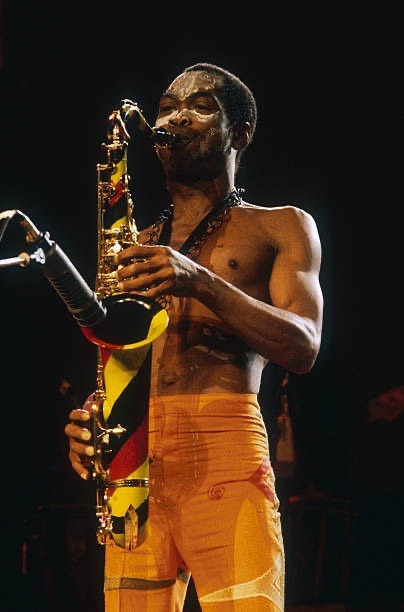
Fela Kuti performs on stage, Paris, 1981. (Photo by Michael Putland/Getty Images)
The military government, however, saw Zombie as a dangerous provocation. In their eyes, Fela’s critique threatened the respect and authority they commanded. The song became widely popular, but this popularity only intensified the government’s response to Fela and his music.
The Brutal Backlash from the Government
The government’s reaction to Zombie was swift and brutal. In 1977, in an attempt to silence Fela and punish him for his defiance, approximately 1,000 soldiers raided his commune, the Kalakuta Republic. This wasn’t just a home but a community that included his family, band members, and supporters. During the raid, soldiers burned down the commune, destroyed Fela’s belongings, and assaulted its residents.
The attack was personal and devastating. Fela’s mother, Funmilayo Ransome-Kuti, a well-respected political activist, was thrown from a window, sustaining injuries that would lead to her death shortly afterward. The brutality of the attack shocked the nation and cemented Fela’s image as a courageous resistor in the face of oppression.
Fela’s response was to double down on his message. He organized a symbolic procession where he and his followers carried a coffin to the residence of the then-head of state, Obasanjo, marking a powerful act of defiance. This act and the memory of the attack on Kalakuta became etched in the minds of Nigerians, further embedding Zombie as a landmark in Nigeria’s resistance history.
The Legacy of Zombie and Its Uproar
Despite the efforts to suppress it, Zombie survived and became a permanent fixture in African music history. Fela’s courage inspired countless others to question authority and speak up against injustice. Even today, Zombie remains a powerful reminder of the cost of resistance and the enduring impact of art in challenging oppression.
In the 1970s, Fela Kuti’s Zombie was much more than music—it was a catalyst for social change and a testament to the power of art to disrupt and inspire. Through this song, Fela gave Nigerians the voice and courage to question authority, and its influence still resonates in Nigerian culture and political discourse to this day.
Fela Anikulapo Kuti, the Nigerian Afrobeat pioneer, wasn’t just an artist; he was a force of nature who used his music as a tool for political resistance. In the Nigeria of the 1970s and ‘80s, when military rule was the norm and dissent was dangerous, Fela dared to use his voice to expose the government’s corruption, brutality, and injustice. His songs often became rallying cries for the people and a thorn in the side of the authorities. Several of his songs were outright banned by the Nigerian government, as they were seen as a threat to the established order.
Fela Kuti’s Banned Music
Here, we’ll look at some of the most controversial Fela tracks that were banned and the impact they had on Nigeria’s political and social climate.
“Zombie” – The Song that Provoked the Military
One of Fela’s most famous and controversial songs, Zombie was released in Nigeria by Coconut Records in 1976, and in the United Kingdom by Creole Records in 1977 and became an anthem of resistance.
The song criticizes the Nigerian military, likening soldiers to zombies who follow orders without thinking. With sharp lyrics and infectious rhythms, Fela’s message resonated with the public but infuriated the military. In the song, he calls soldiers “zombies” who are trained to follow commands like “Go and kill!” and “Go and die!”
The government under General Olusegun Obasanjo saw this as a direct attack on their authority. The reaction was swift and brutal: 1,000 soldiers attacked Fela’s communal compound, the Kalakuta Republic. In the raid, his mother, Funmilayo Ransome-Kuti, a respected activist, was thrown from a second-story window, sustaining injuries that later led to her death. The compound was burned down, and Fela himself was severely beaten. Despite the consequences, Zombie remains a symbol of anti-authoritarianism and a reminder of Fela’s commitment to standing up against oppression.
“Coffin for Head of State” – A Bold Critique of Corrupt Leadership
In 1980, Fela released Coffin for Head of State, another explosive track aimed at Nigeria’s ruling elite. This song condemned the hypocrisy of political and religious leaders who, according to Fela, exploited their positions for personal gain while ignoring the suffering of ordinary Nigerians. He also criticized the government’s cozy relationship with the clergy, accusing both sectors of being complicit in the country’s problems.
The song’s title was inspired by an event where Fela and his followers carried a coffin to the residence of then-head of state Obasanjo, symbolizing the death of integrity and justice in Nigeria. Coffin for Head of State didn’t just criticize the government; it expressed a deep disappointment with religious institutions that Fela believed had abandoned their moral responsibilities. This song, too, was banned, as its powerful lyrics and imagery challenged both the government and the influential religious institutions.
“International Thief Thief (I.T.T.)” – Calling Out Corruption
International Thief Thief (I.T.T.) is another of Fela’s boldest works, taking aim at both the Nigerian government and multinational corporations operating in the country. The title plays on the acronym I.T.T., which was the name of the multinational company International Telephone and Telegraph, whose Nigerian operations were run by prominent businessman Moshood Abiola. In this song, Fela calls out corrupt officials and foreign companies for exploiting Nigeria’s resources, linking them to the suffering of ordinary Nigerians.
This song went beyond criticizing individuals; it pointed fingers at systemic exploitation, where both local leaders and foreign companies collaborated to plunder the nation. The song was banned, but it cemented Fela’s status as a voice for the people and a critic of neocolonialism, corporate greed, and government corruption.
“Unknown Soldier” – Exposing Military Brutality
Unknown Soldier was Fela’s response to the government’s narrative that “unknown soldiers” were responsible for the attack on his Kalakuta Republic compound. In this song, he highlights the government’s attempts to evade responsibility for the destruction of his home, the physical assault on him, and the killing of his mother.
Fela used Unknown Soldier to paint a vivid picture of the injustice he and his family endured, making it clear that the government was accountable. This song struck a chord with Nigerians who were already frustrated with the lack of accountability and transparency in the military regime. The government banned the song, viewing it as a direct accusation and a threat to their image. However, it served to rally support for Fela and his message, further strengthening his reputation as a fearless advocate for truth and justice.
The Impact of Fela’s Banned Songs on Nigerian Society
Each of these songs resonated deeply with Nigerians, particularly those who felt oppressed by the military regime and the corrupt political system. Fela’s music spoke directly to the injustices that many Nigerians experienced but felt powerless to confront. By calling out powerful individuals and institutions, Fela gave a voice to the voiceless and became an icon of resistance.
Despite the bans, Fela’s music continued to spread, gaining popularity through underground networks and word of mouth. His lyrics and fearless attitude inspired a generation of Nigerians
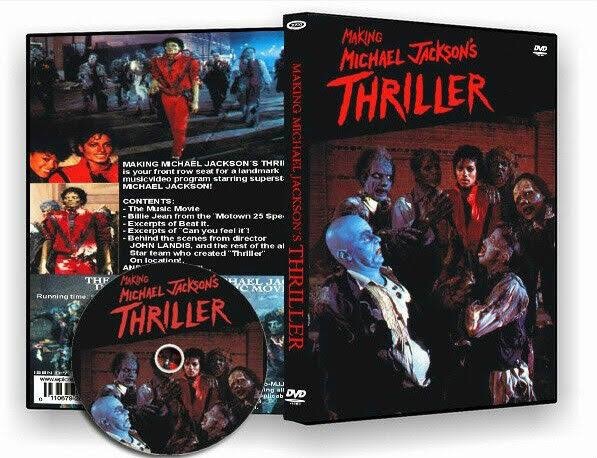
On December 3, 1983, Michael Jackson’s “Thriller” music video premiered and forever changed the music and entertainment industries. However, few people know the story of why Jackson, one of the most creative artists of his generation, was required to include a disclaimer in the video distancing it from any endorsement of the occult.
This decision was influenced by Jackson’s religious beliefs and his affiliation with the Jehovah’s Witnesses, a Christian denomination that held strict views on supernatural themes and imagery.
The Influence of Religion on Michael Jackson’s Career
During the early 1980s, Michael Jackson was a member of the Jehovah’s Witnesses, a group known for its adherence to a literal interpretation of the Bible. This religious background shaped many aspects of his life and career, particularly the way he approached creative projects.
The release of the “Thriller” video, with its elaborate scenes of werewolves, zombies, and eerie settings, sparked concern among the church elders. They believed that the video’s themes could be interpreted as promoting occult practices, which contradicted their teachings.
Why the Disclaimer Was Added
Facing immense pressure from the church elders, Jackson reluctantly agreed to include a disclaimer at the start of the video. The statement reads:
“Due to my strong personal convictions, I wish to stress that this film in no way endorses a belief in the occult.”
This disclaimer was a direct response to the church’s concerns. Jackson wanted to maintain his membership in the church while also ensuring the artistic integrity of the video.
The Impact on Jackson’s Personal and Professional Life
While the disclaimer may have appeased the elders, it highlighted a growing tension between Jackson’s artistic vision and the restrictions imposed by his faith. Reports from those close to him suggest that the situation caused significant stress, as he felt torn between his loyalty to the church and his desire to create groundbreaking art.
Eventually, these conflicts contributed to Jackson distancing himself from the Jehovah’s Witnesses later in his career. This decision allowed him more creative freedom, though it came at the cost of severing ties with a community that had been a significant part of his life.
“Thriller”: A Cultural Milestone
Despite the controversy, the “Thriller” music video remains one of the most iconic works in entertainment history. Directed by John Landis and featuring choreographed sequences that are still replicated today, it broke new ground for the music industry.
The video helped Thriller become the best-selling album of all time, solidifying Jackson’s status as the King of Pop. Its innovative storytelling, paired with unmatched music and dance, set the standard for music videos and reshaped how artists approached visual media.
While the disclaimer may seem like a minor detail today, it represents a pivotal moment in Jackson’s life. It shows his efforts to respect his faith while pursuing his passion for pushing creative boundaries.
In today’s fast-paced world, the term “cultural icon” resonates deeply with people from all walks of life. A cultural icon is more than just a famous personality; they are symbols that embody the values, ideals, and history of a society. From music legends to political figures, cultural icons have the power to shape and influence societal norms and trends. In this blog post, we will delve into what makes a cultural icon, explore some notable examples, and understand their lasting impact on culture and society.
What Defines a Cultural Icon?
A cultural icon is an individual or symbol that holds significant meaning within a culture. They often represent a collective identity and are seen as embodiments of particular values and ideals. Cultural icons can emerge from various fields, including music, art, politics, sports, and entertainment. Their influence transcends their immediate domain, impacting broader societal conversations and inspiring generations.
Characteristics of a Cultural Icon
Widespread Recognition: A cultural icon is universally recognized within a culture. Their image, name, or symbol is immediately identifiable to the general public.
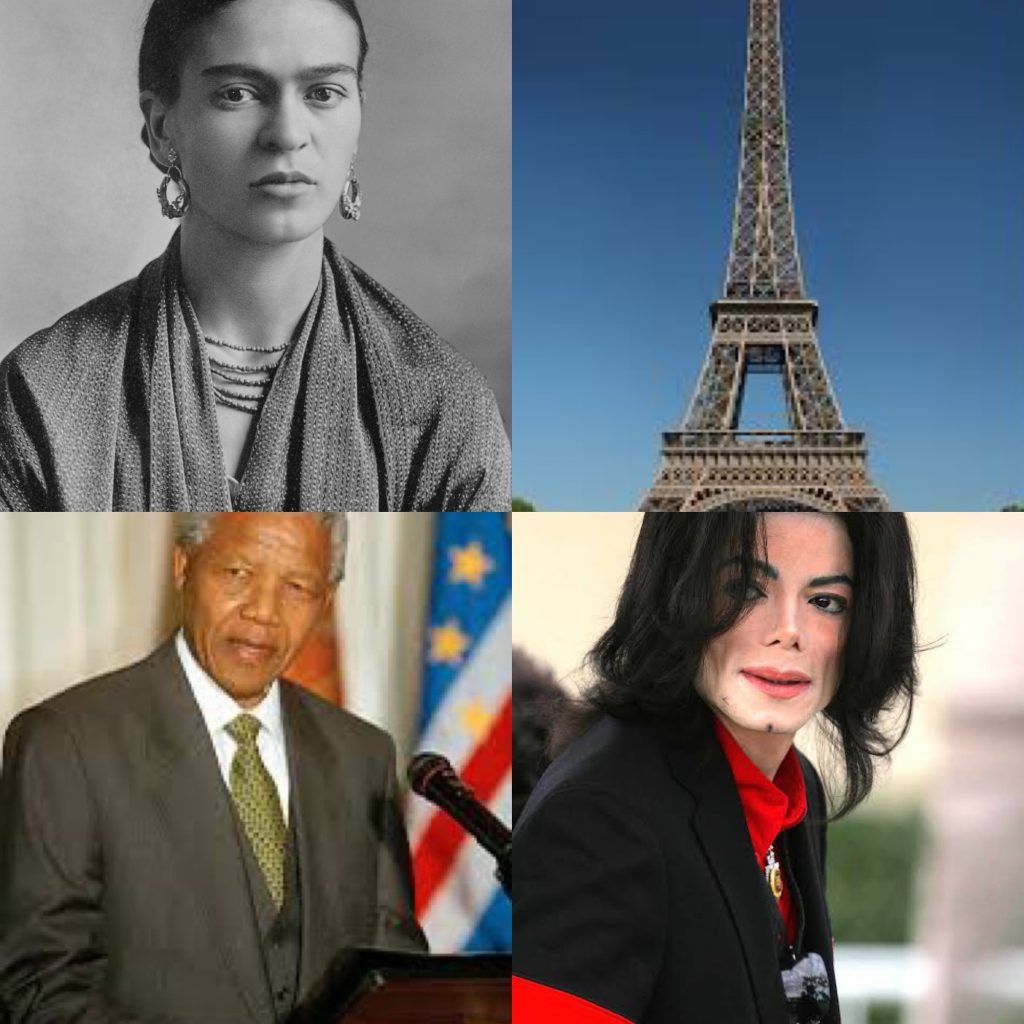
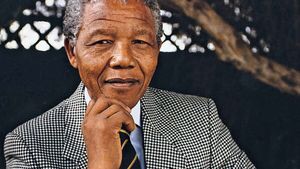
Symbolic Value: They represent specific ideals, values, or historical moments. For instance, Nelson Mandela symbolizes the struggle for freedom and equality.
Enduring Influence: Their impact is not fleeting. Cultural icons have a lasting legacy that continues to inspire and influence long after their peak or even after their death.
Cross-Generational Appeal: They resonate with multiple generations, maintaining relevance over time.
Notable Examples of Cultural Icons
Nelson Mandela
Nelson Mandela is a prime example of a cultural icon in the realm of politics and social justice. As the leader of the anti-apartheid movement in South Africa and the country’s first black president, Mandela’s legacy of peace, resilience, and equality continues to inspire people worldwide.
Michael Jackson
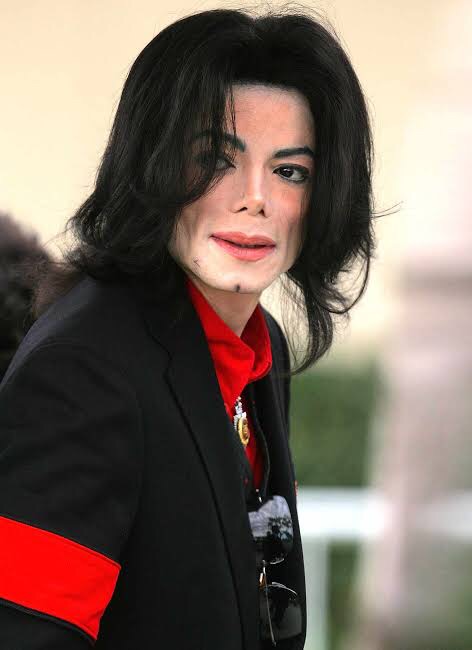
In the world of music, Michael Jackson stands out as a cultural icon. Known as the “King of Pop,” Jackson’s influence on music, dance, and fashion is unparalleled. His groundbreaking work and iconic performances have left an indelible mark on popular culture.
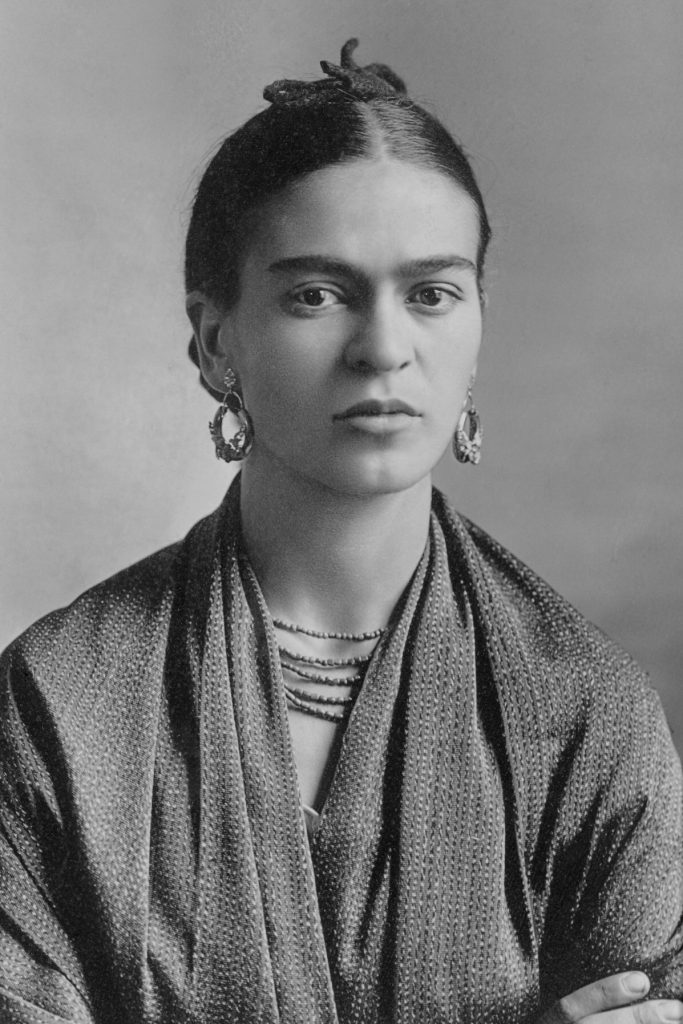
Frida Kahlo
Frida Kahlo, the Mexican painter known for her distinctive style and powerful self-portraits, is a cultural icon in the art world. Her work, which often explores themes of identity, postcolonialism, and gender, has gained global recognition and continues to inspire artists and feminists alike.
The Eiffel Tower
Not all cultural icons are individuals; some are landmarks. The Eiffel Tower in Paris is a symbol of French culture and ingenuity. It stands as an enduring representation of France and is recognized globally.
The Impact of Cultural Icons on Society
Cultural icons play a crucial role in shaping societal values and norms. They serve as role models, offering inspiration and a sense of identity to people. Their actions and words can influence public opinion and inspire social and political movements. For example, Martin Luther King Jr., another cultural icon, played a pivotal role in the American civil rights movement, using his platform to advocate for equality and justice.
Moreover, cultural icons often drive trends in fashion, music, and lifestyle. Icons like Madonna and David Bowie have continually pushed the boundaries of fashion and music, influencing countless artists and fashion designers.
The power and influence of a cultural icon cannot be overstated. They are more than just famous personalities; they are embodiments of cultural values and ideals that inspire and shape society. Whether through music, art, politics, or other domains, cultural icons leave a lasting legacy that transcends generations. By understanding the impact of these icons, we can gain a deeper appreciation for their contributions to our cultural landscape.
Recognizing and celebrating cultural icons helps us connect with our shared history and values, providing a sense of identity and continuity in an ever-changing world. As we look to the future, the influence of these icons will continue to be felt, guiding and inspiring new generations.