Category: Nigerian music

“Discover the latest Nigerian music, trending Afrobeats hits, artist updates, and exclusive releases. Stay updated with top Nigerian songs, music videos, and entertainment news.”

  • Types of Music in Nigeria and Their Pioneers

    Types of Music in Nigeria and Their Pioneers

    Types of Music in Nigeria and Their Pioneers

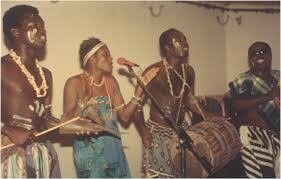
    from the foundation of the country’s rich cultural tapestry. Nigeria’s music scene is a vibrant mosaic of genres that reflect its diverse ethnic groups, languages, and traditions. Let’s explore the different types of music in Nigeria and the pioneers who have played pivotal roles in their development.
    Types of Music in Nigeria and Their Pioneers

    1. Highlife

    Highlife music, which originated in Ghana, found a welcoming home in Nigeria, especially in the southeastern and western regions. This genre blends traditional African rhythms with Western instruments and jazz, creating a unique sound that has captivated audiences for decades.

    Pioneers:

    • E.T. Mensah: A Ghanaian musician whose influence extended deeply into Nigerian highlife, earning him a place as one of its foundational figures.
    • Rex Lawson: Known for his soulful melodies and mastery of the trumpet, Lawson remains a beloved figure in Nigerian highlife music.
    • Victor Olaiya: Often called the “Evil Genius of Highlife,” Olaiya’s innovative approach helped shape the genre in Nigeria.

    2. Juju

    Juju music is a popular genre that emerged from the Yoruba-speaking regions of Nigeria. It incorporates traditional Yoruba percussion instruments, electric guitars, and synthesizers, creating a lively and danceable sound.

    Pioneers:

    Types of Music in Nigeria and Their Pioneers
    • Tunde King: Recognized as the father of juju music, King laid the groundwork for future artists in this genre.
    • I.K. Dairo: With his band, the Morning Star Orchestra, Dairo modernized juju music and became the first African musician to be honored with the MBE by the British monarchy.
    • King Sunny Ade: A global ambassador for juju music, Ade’s innovative use of the pedal steel guitar and synthesizers has brought the genre to international audiences.
    I.K Dairo performing in new York in 1992

    3. Fuji

    Fuji music is a genre that evolved from the traditional Yoruba music known as were, which was originally performed during Ramadan. Fuji blends Islamic religious music with apala, sakara, and juju styles, resulting in a vibrant and rhythmic genre.

    Pioneers:

    • Alhaji Sikiru Ayinde Barrister: Often credited with popularizing fuji music, Barrister’s dynamic performances and recordings brought the genre to mainstream audiences.
    • Ayinla Kollington: A contemporary of Barrister, Kollington added his unique touch to fuji music, further solidifying its place in Nigerian music culture.
    • Wasiu Ayinde Marshall (K1 De Ultimate): Known for modernizing fuji music, K1’s innovative approach has kept the genre relevant and appealing to younger audiences.

    4. Afrobeat

    Afrobeat is a genre that combines traditional Nigerian and Ghanaian music with jazz, highlife, funk, and chanted vocals. It is known for its complex rhythms and socially conscious lyrics.

    Pioneers:

    • Fela Kuti: The undisputed king of Afrobeat, Fela’s music and political activism made him a global icon. His innovative style and fearless critique of corruption and oppression have left a lasting legacy.
    • Tony Allen: As Fela’s drummer and musical director, Allen played a crucial role in defining the Afrobeat sound. His complex rhythms and technical prowess have influenced countless musicians worldwide.
    Types of Music in Nigeria and Their Pioneers

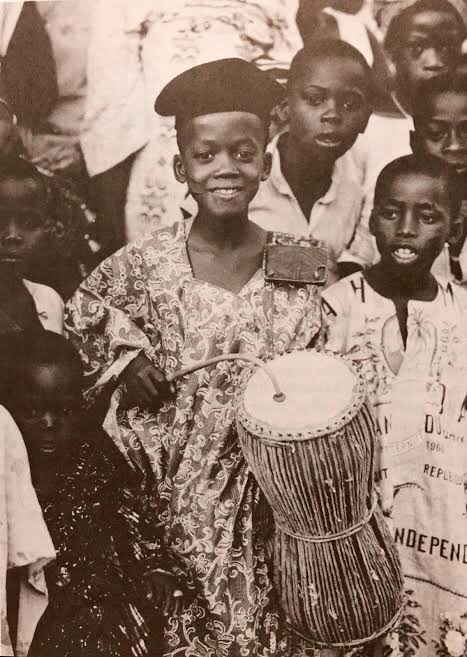
    5. Apala

    Apala music is rooted in the Yoruba cultural tradition and is characterized by the use of talking drums, shekere, and agidigbo. It often features call-and-response vocals and is traditionally associated with Islamic worship.

    Pioneers:

    • Haruna Ishola: A legendary figure in apala music, Ishola’s powerful voice and masterful drumming brought the genre to prominence in Nigeria.
    • Ayinla Omowura: Known for his energetic performances and poetic lyrics, Omowura remains a beloved figure in the apala music scene.

    6. Hip Hop and Afrobeats

    Hip Hop and Afrobeats represent the modern evolution of Nigerian music, blending elements of traditional African rhythms with contemporary sounds. These genres have gained immense popularity both within and outside Nigeria.

    Pioneers:

    • 2Baba (formerly 2Face Idibia): A pioneer of the Afrobeats movement, 2Baba’s music has set the standard for modern Nigerian pop music.
    • D’banj: Known for his energetic performances and catchy tunes, D’banj has been instrumental in bringing Afrobeats to a global audience.
    • Olamide: A versatile artist who blends hip hop with indigenous sounds, Olamide is a leading figure in the contemporary Nigerian music scene.

    The types of music in Nigeria and their pioneers reflect the country’s rich cultural diversity and innovative spirit. From the traditional rhythms of highlife and juju to the modern sounds of Afrobeat and Afrobeats, Nigerian music continues to evolve and captivate audiences worldwide. The pioneers mentioned here have not only shaped the soundscape of Nigeria but have also left an indelible mark on the global music scene.

  • Burna Boy Among Top 5 Music Artists Globally – 2Face Idibia’s Insight

    Burna Boy Among Top 5 Music Artists Globally – 2Face Idibia’s Insight

    By celebrating Burna Boy’s achievements and the endorsement from a legend like 2Baba, this blog post aims to provide an in-depth look at why Burna Boy is considered one of the top music artists in the world today.

    Burna Boy Among Top 5 Music Artists Globally – 2Face Idibia's Insight
    Burna boy Instagram photo

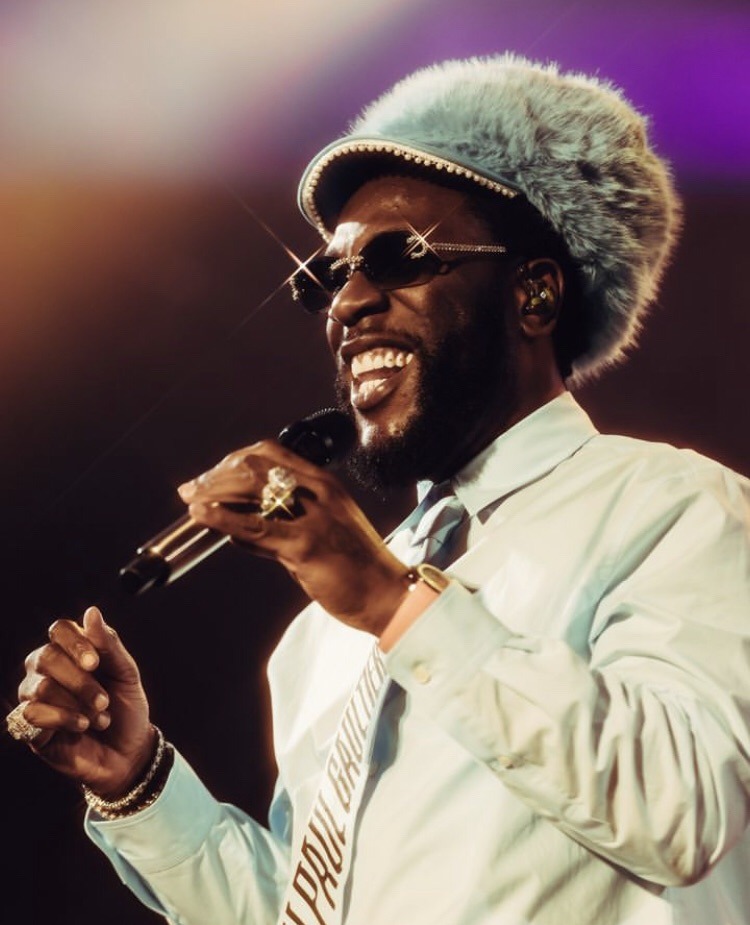
    Recently, legendary Nigerian musician 2Face Idibia, now known as 2Baba, proclaimed Burna Boy as one of the top 5 music artists globally. This accolade from a seasoned icon like 2Baba not only highlights Burna Boy’s immense talent but also underscores his significant contributions to the global music scene.

    Burna Boy’s Rise to Global Stardom

    Burna Boy Among Top 5 Music Artists Globally – 2Face Idibia's Insight
    Burna boy Instagram photo

    Born Damini Ebunoluwa Ogulu, Burna Boy has seamlessly blended Afrobeat, dancehall, reggae, and pop to create a unique and infectious sound. His journey to stardom began with his 2013 single “Like to Party,” but it was his 2018 album Outside that truly propelled him to international recognition. Featuring hits like “Ye,” the album showcased his versatility and deep understanding of Afrobeat’s roots, paying homage to the genre’s pioneers while pushing its boundaries.

    Related: What type of singer is Burna boy?

    Grammy Success and Chart-Topping Hits

    Burna Boy Among Top 5 Music Artists Globally – 2Face Idibia's Insight
    Burna boy Instagram photo

    Burna Boy’s 2019 album African Giant further solidified his status as a global superstar. The album received critical acclaim and was nominated for a Grammy Award for Best World Music Album. Although he didn’t win that year, Burna Boy’s follow-up album, Twice as Tall, clinched the Grammy for Best Global Music Album in 2021. This historic win not only marked a milestone in his career but also shone a spotlight on Afrobeat as a powerful force in the global music industry.

    2Baba’s Endorsement: A Testament to Burna Boy’s Influence

    2Baba’s endorsement of Burna Boy as one of the top 5 music artists globally is significant. As an artist with over two decades of experience and numerous accolades, 2Baba’s opinion carries considerable weight. In an industry where trends are ever-changing, being recognized by a legend like 2Baba speaks volumes about Burna Boy’s staying power and impact.

    In his statement, 2Baba praised Burna Boy for his innovative approach to music, his lyrical depth, and his ability to connect with audiences worldwide. Burna Boy’s music transcends borders, blending African rhythms with contemporary sounds to create a universal appeal.

    The Global Impact of Burna Boy’s Music

    Burna Boy Among Top 5 Music Artists Globally – 2Face Idibia's Insight
    Burna boy Instagram photo

    Burna Boy’s influence extends beyond his music. He is a cultural ambassador, using his platform to address social and political issues affecting Nigeria and Africa at large. His music often tackles themes of identity, resilience, and the African experience, resonating with listeners across the globe.

    Songs like “Monsters You Made” and “Bank on It” are not just chart-toppers; they are anthems of empowerment and resistance. Burna Boy’s ability to weave powerful narratives into his music has earned him a dedicated fan base and critical acclaim.

    Burna Boy’s Contribution to the Afrobeat Genre

    Afrobeat, pioneered by the legendary Fela Kuti, has seen a resurgence in recent years, thanks in part to artists like Burna Boy. By infusing modern elements into traditional Afrobeat, Burna Boy has introduced the genre to new audiences and ensured its continued relevance.

    His collaborations with international artists like Beyoncé, Stormzy, and Sam Smith further illustrate his versatility and appeal. These partnerships have not only broadened his musical horizons but have also introduced Afrobeat to listeners who may not have encountered the genre otherwise.

  • Ladipoe’s remarkable line on Asake’s song Active and why Afrobeats Needs More Nigerian Rappers Like Ladipoe

    Ladipoe’s remarkable line on Asake’s song Active and why Afrobeats Needs More Nigerian Rappers Like Ladipoe

    Afrobeats has become a global phenomenon, but the Nigerian rap culture is one aspect of the genre that is frequently overlooked. Ladipoe’s remarkable line on Asake’s song Active has garnered a lot of attention lately, and rightfully so. His performance highlights the unrealised potential of combining the passionate beats and rhythms of Afrobeats with Nigerian rap.

    Ladipoe’s Impact on Afrobeats

    Ladipoe's remarkable line on Asake's song Active and why Afrobeats Needs More Nigerian Rappers Like Ladipoe

    Ladipoe has been steadily rising as one of the top rappers in Nigeria. His verse on Active not only impressed listeners but also added a new flavor to Asake’s already vibrant sound. The collaboration sparked conversations about the importance of incorporating more local rap talent into Afrobeats. This type of collaboration gives artists like Ladipoe the chance to shine and demonstrates the powerful chemistry that can exist between the two genres.

    Unlike traditional rap collaborations with foreign artists like Travis Scott, who also appeared on the Active remix, Ladipoe’s verse was more in tune with the local culture and sound. He brought his unique flow, wordplay, and a lyrical style that resonated with Nigerian audiences while still appealing to a global crowd. This has led to discussions about how Nigerian rap can elevate Afrobeats further.

    The Unique Appeal of Nigerian Rappers

    Ladipoe's remarkable line on Asake's song Active and why Afrobeats Needs More Nigerian Rappers Like Ladipoe

    Nigerian rap brings its own flair, blending indigenous languages, street slang, and relatable storytelling. While Afrobeats is often associated with feel-good vibes and energetic dance tracks, Nigerian rap can introduce deeper narratives without losing that energy. Artists like Ladipoe, MI Abaga, and Falz have demonstrated time and again that rap doesn’t have to disrupt Afrobeats—it can complement it in ways that create richer, more dynamic tracks.

    Ladipoe’s ability to drop bars that flow seamlessly over Afrobeats rhythms shows how much more room there is for collaborations like this. As more artists and producers start to recognize the potential of these partnerships, it could open up exciting new directions for the genre.

    Why More Afrobeats Artists Should Embrace Nigerian Rappers

    One reason Afrobeats artists should look more towards Nigerian rappers is the versatility they bring. With the global reach of Afrobeats, there’s a need to constantly innovate and keep the sound fresh. Rappers can bring that edge, offering lyrical depth, new flows, and different angles to what Afrobeats fans are used to hearing.

    When Nigerian rappers are included, it gives listeners a fresh take, offering something new without straying too far from the core sound that makes Afrobeats so popular. For example, Burna Boy’s ability to blend Afro-fusion with rap elements has set him apart on the global stage. Following this lead, more Afrobeats acts could benefit from featuring homegrown rappers.

    Ladipoe's remarkable line on Asake's song Active and why Afrobeats Needs More Nigerian Rappers Like Ladipoe

    Future Collaborations: What’s Next for Nigerian Rap and Afrobeats?

    The success of Ladipoe on Active should be a signal for Afrobeats stars to seek out Nigerian rap talent more often. These collaborations can introduce new audiences to Nigerian rap, while also allowing Afrobeats to evolve and remain relevant.

    With rappers like Ladipoe and others proving their ability to flow effortlessly over Afrobeats beats, we might see more projects where these worlds come together. The possibilities are endless: think of what an entire project featuring top Nigerian rappers on Afrobeats production could sound like. It would be a perfect blend of lyrical excellence and infectious rhythms, appealing to fans both locally and abroad.

  • Ayra starr: The Rising star with a Heartfelt Sound

    Ayra starr: The Rising star with a Heartfelt Sound

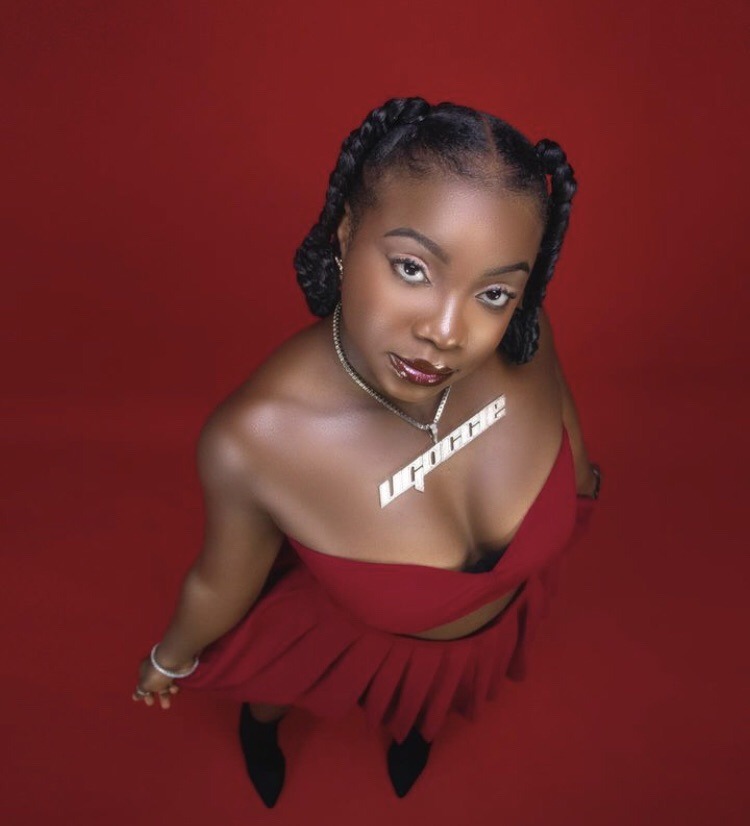
    One name that’s been making waves in Nigerian music is Ayra Starr. Her heartfelt lyrics and beautiful voice have charmed listeners all around the world. We’ll explore Ayra Starr’s career as a singer-songwriter, her distinct sound, and the reasons her songs are connecting with audiences all over the world in this blog article.

    Ayra starr: The Rising star with a Heartfelt Sound

    Ayra Starr’s Background:

    Born in Benin City, Nigeria, Ayra Starr made her music debut in 2020 with her EP simply dubbed “Ayra Starr.” She was signed to one of Nigeria’s top record labels, Mavin Records, and soon became well-known for her unique sound and raw talent. Ayra Starr, who is only 19 years old, has already made a name for herself in the competitive R&B and Afrobeat industries.

    absolutely! Oyinkansola Sarah Aderibigbe, better known as Ayra Starr, was born in Benin City, Nigeria, on June 14, 2002. Her passion of music was fostered from an early age since she grew up in a musically interested family. Ayra Starr attributes her introduction to music and instruction in singing foundations to her mother, a choir mistress.

    Ayra Starr was raised in a musical household, although she first went into modelling before deciding to pursue a career in music. Don Jazzy, the founder of Mavin Records, noticed her during her 2020 audition for one of Nigeria’s top record firms. Don Jazzy signed her to Mavin Records because he was impressed by her talent and potential, that launched her musical career.

    January 2021 saw the release of Ayra Starr’s debut EP, which highlighted her skill as a songwriter and vocalist. Songs on the EP, entitled “Away,” “Sare,” and “Ditr,” among others, received a lot of positive press and cemented her position as a rising star in the Nigerian music scene.

    Since then, Ayra Starr has continued to make waves with her soulful sound and heartfelt lyrics. She has amassed a loyal fanbase and earned accolades for her contributions to Afrobeat and R&B music. With her talent, determination, and passion for music, Ayra Starr is poised to become one of Nigeria’s most influential artists in the years to come.

    Soulful Sound and Influences:

    Ayra starr: The Rising star with a Heartfelt Sound

    Ayra Starr’s music is a blend of soul, R&B, and Afrobeat, with lyrics that speak to the heart. Drawing inspiration from her own experiences and emotions, her songs are both relatable and deeply personal. Influenced by legends like Beyoncé, Sade, and Tiwa Savage, Ayra Starr brings a fresh perspective to the Nigerian music scene.

    Hits and Highlights:

    Since her debut, Ayra Starr has released several hit singles, including “Away,” “Sare,” and “Bloody Samaritan.” Each track showcases her vocal range and storytelling prowess, earning her critical acclaim and a loyal fanbase. With millions of streams on platforms like Spotify and Apple Music, Ayra Starr is undeniably a rising star in the music industry.

    Ayra starr: The Rising star with a Heartfelt Sound

    Connecting with Fans:

    One of the reasons Ayra Starr’s music resonates with so many people is its authenticity. Whether she’s singing about love, heartbreak, or personal growth, her lyrics strike a chord with listeners of all ages. Through her music, Ayra Starr creates a sense of connection and empathy, fostering a community of fans who find solace in her songs.

    In a world filled with noise, Ayra Starr’s music stands out for its sincerity and soulfulness. With her talent, charisma, and unwavering passion, she is destined for greatness in the music industry. Whether you’re a longtime fan or discovering her for the first time, Ayra Starr’s music is sure to leave a lasting impression.

  • Seun Kuti’s Take on Wizkid’s Grammy Win: Setting the Record Straight

    Seun Kuti’s Take on Wizkid’s Grammy Win: Setting the Record Straight

    Seun Kuti has sparked a conversation among Nigerian music lovers, especially fans of Wizkid, known as Wizkid FC. The debate centers around whether or not Wizkid can claim ownership of the Grammy Award associated with Brown Skin Girl, a song he was featured on alongside Beyoncé. Seun Kuti’s position is clear: the Grammy belongs to Beyoncé, not Wizkid.

    Seun Kuti's Take on Wizkid's Grammy Win: Setting the Record Straight

    This viewpoint has stirred reactions online, with Wizkid FC maintaining that Wizkid indeed has a Grammy under his belt. However, Seun insists that being featured on a Grammy-winning song doesn’t equate to having a Grammy win of your own. According to him, there are only four Nigerian artists who have been officially nominated for their own solo projects—King Sunny Ade, Femi Kuti, Seun Kuti, and Burna Boy.

    Seun Kuti’s Argument: What Defines a Grammy Win?

    Seun Kuti highlights an important distinction between being the main artist on a project and being featured on someone else’s work. He believes the Grammy associated with Brown Skin Girl rightfully belongs to Beyoncé, as she was the primary artist. Seun also claims that the only Nigerian artists to receive Grammy nominations for their own albums are King Sunny Ade, his father Fela Kuti, himself, and Burna Boy.

    Related: Burna Boy’s ‘Love, Damini’ Joins Nigerian Albums with Highest RIAA Certification: A New Milestone for Afrobeat

    Wizkid, who was featured on Beyoncé’s track, technically shares in the recognition of Brown Skin Girl‘s success, but Seun emphasizes that this doesn’t qualify as Wizkid’s personal Grammy win. According to Grammy rules, a featured artist’s contribution to a song is recognized, but the award goes to the primary artist and producers. This distinction has fueled conversations around ownership and recognition in the music industry.

    Seun Kuti's Take on Wizkid's Grammy Win: Setting the Record Straight

    Wizkid FC’s Defense and Grammy Submission Rumors

    In response to Seun’s comments, many Wizkid fans have come forward to defend their favorite artist. Wizkid FC often refers to Brown Skin Girl as one of Wizkid’s crowning achievements, especially in terms of international recognition. However, Seun Kuti’s argument seeks to correct what he perceives as a misunderstanding, highlighting that a Grammy win should be attributed to the main artist on the track.

    In addition to this, rumors surfaced that Wizkid did not submit any projects to the Grammys this year, with some fans speculating that he may have chosen to bypass the Grammy process altogether. Seun Kuti addressed this as well, suggesting that the reason for not submitting may have been influenced by the fact that Wizkid doesn’t have a Grammy win tied directly to his solo work.

    How Grammy Nominations Work for Nigerian Artists

    The Grammys operate with strict rules regarding nominations and awards, and Seun Kuti’s comments have shed light on the process, especially as it applies to African artists. While collaborations between international and African artists have become more common, the primary artist is the one credited with the award. This means that when artists like Wizkid or Burna Boy collaborate with global superstars, their contribution is recognized, but the Grammy win belongs to the main artist, unless the African artist is the lead on their own project.

    Seun’s remarks point out that Burna Boy’s Grammy for Twice as Tall represents the type of win Nigerian artists can claim for themselves, as Burna Boy was the primary artist on that project. Seun believes that this distinction is important and one that fans of Nigerian artists should understand.

    Nigerian Grammy Nominees: A Short List

    Seun Kuti's Take on Wizkid's Grammy Win: Setting the Record Straight

    Seun Kuti’s statement also emphasizes how few Nigerian artists have received Grammy recognition for their own work. According to Seun, the list of Nigerian artists nominated for a Grammy without being a feature includes:

    1. King Sunny Ade – A pioneer in Afro-Juju music and an early ambassador for Nigerian sounds on the global stage.
    2. Femi Kuti – A multi-time nominee for his work in Afrobeat and humanitarian efforts.
    3. Seun Kuti – Nominated for his work continuing the Afrobeat legacy his father, Fela Kuti, started.
    4. Burna Boy – A Grammy winner for Twice as Tall and a symbol of the current global rise of Afrobeats.

    Seun’s insistence that only these artists have truly earned Grammy nominations on their own projects has sparked debate, but it also highlights the barriers and challenges that Nigerian musicians face when seeking recognition on such a global scale.

    Seun Kuti's Take on Wizkid's Grammy Win: Setting the Record Straight

    What This Means for Nigerian Music Fans

    Seun Kuti’s statements may be controversial, but they also underscore how important it is for fans to understand the intricacies of awards and recognition in the music industry. The conversation around Grammy wins, nominations, and collaborations highlights the different ways African artists are breaking through on the world stage.

    Wizkid FC may argue that their favorite artist deserves his place in Grammy history, and Seun Kuti’s statements invite a closer examination of what constitutes a Grammy win. With the rise of Afrobeats and more Nigerian artists gaining global recognition, this debate will likely continue as more artists strive for international accolades.

  • Top 10 Afrobeats Hits of 2024: The Biggest Songs Shaping the Year

    Top 10 Afrobeats Hits of 2024: The Biggest Songs Shaping the Year

    Afrobeats continues to be a dominant force in global music, with 2024 bringing a wave of exciting hits that capture both the vibrancy of the genre and the talent of its artists. Whether it’s the infectious rhythms or the smooth melodies, this year’s Afrobeats tracks have kept listeners on their feet. Here, we’ll dive into the top 10 songs that have defined the Afrobeats scene in 2024, while also exploring why each one has resonated so deeply with audiences.

    Related: Top 10 Viral Afrobeats Songs of 2024: A Global Sensation

    Top 10 Afrobeats Hits of 2024

    1. “Big Big Things” – Young Jonn ft. Kizz Daniel & Seyi Vibez

    Young Jonn, Kizz Daniel, and Seyi Vibez have created an anthem that is sure to be heard at every party. The track features an exciting mix of Afrobeats and amapiano, two genres that have been dominating dance floors across the world. The energetic rhythm combined with catchy lyrics has made it a go-to track for many.

    2. “Bad Vibes” – Ayra Starr ft. Seyi Vibez

    Ayra Starr and Seyi Vibez teamed up to deliver a hit that speaks to cutting off negative energy. With its memorable hooks and relatable message, this song has been a favorite among listeners who enjoy a combination of smooth vocals and a powerful beat.

    3. “Fi Kan We Kan” – BNXN ft. Rema

    BNXN (formerly Buju) and Rema brought their signature sound to “Fi Kan We Kan,” a track that celebrates their rise to fame. The song’s polished production, memorable lyrics, and smooth delivery have made it one of the top tracks in 2024.

    4. “Love Me Jeje” – Tems

    Tems continues to make waves internationally with “Love Me Jeje.” The track’s soulful vibe and beautiful vocal delivery are a testament to her incredible artistry. This song has garnered attention for its deep connection to themes of love and vulnerability, making it a favorite across streaming platforms.

    5. “Romeo Must Die (RMD)” – Ruger & BNXN

    With its smooth R&B influence mixed with Afrobeats rhythms, “Romeo Must Die” is another standout track this year. Ruger and BNXN’s chemistry shines through, and their lyrical storytelling has captivated fans across the world.

    6. “Tshwala Bam” – TiTom & Yuppe ft. Burna Boy & S.N E

    Burna Boy’s contribution to this collaboration has added depth and energy to “Tshwala Bam,” a track that blends Afrobeats with dancehall. Its danceable beat and infectious energy have made it a must-play in clubs around the globe.

    7. “Ogechi (Remix)” – BoyPee, Hyce & Brown Joel ft. Davido

    This heartfelt remix, featuring one of Nigeria’s biggest stars, Davido, has captured audiences with its emotional delivery. The song, which celebrates love and resilience, has become a favorite for fans of both Afrobeats and contemporary African music.

    8. “Rodo” – Adekunle Gold

    Adekunle Gold never fails to impress with his unique fusion of sounds. “Rodo” brings together Afrobeats and electronic elements, creating a track that feels both fresh and timeless. His vocal delivery and infectious energy are on full display here, making this one of the most popular songs of 2024.

    9. “MMS” – Asake ft Wizkid

    Asake has maintained his spot as one of Afrobeats’ rising stars, and “MMS ” featuring Wizkid showcases why. This song is a vibey, laid-back track with smooth vocals and a catchy beat, capturing the essence of Asaks and Wizkid’s effortless style and charisma.

    10. “Jinja” – olamide

    Olamide continues to be one of the most talented artists in the Afrobeats scene. “Jinja” is a feel-good song that has quickly become a favorite for its infectious melody and Olamide’s signature vocal delivery. The track stands out for its ability to lift spirits and keep listeners grooving.

    Why These Songs Stand Out in 2024

    Related: Top 6 International Afrobeats Collaborations of 2024: A Global Phenomenon

    The success of these songs comes from their ability to connect with a global audience while maintaining the essence of Afrobeats. A common theme across these tracks is their unique blend of genres—whether it’s the inclusion of amapiano, dancehall, or R&B, these collaborations bring a fresh sound to the forefront of African music.

    Additionally, the lyrical content of these tracks resonates with listeners on a personal level. Whether it’s the celebratory tone of songs like “Fi Kan We Kan” or the emotional depth in tracks like “Ogechi (Remix),” Afrobeats in 2024 has provided a soundtrack to life’s highs and lows.

    Afrobeats’ Global Impact

    As we move through 2024, these top 10 hits exemplify the genre’s growing influence and the ability of African artists to push musical boundaries. Afrobeats is not only thriving within the continent but also making waves on the international stage. With its infectious rhythms, relatable lyrics, and world-class talent, it’s no surprise that Afrobeats continues to dominate playlists and charts worldwide.

    Whether you’re new to the genre or a longtime fan, these tracks are a great starting point to explore the best of what Afrobeats has to offer this year. Be sure to add them to your playlist and join the global movement of fans embracing African music in all its forms.

  • Is Ajebo Hustlers biological brothers?

    Is Ajebo Hustlers biological brothers?

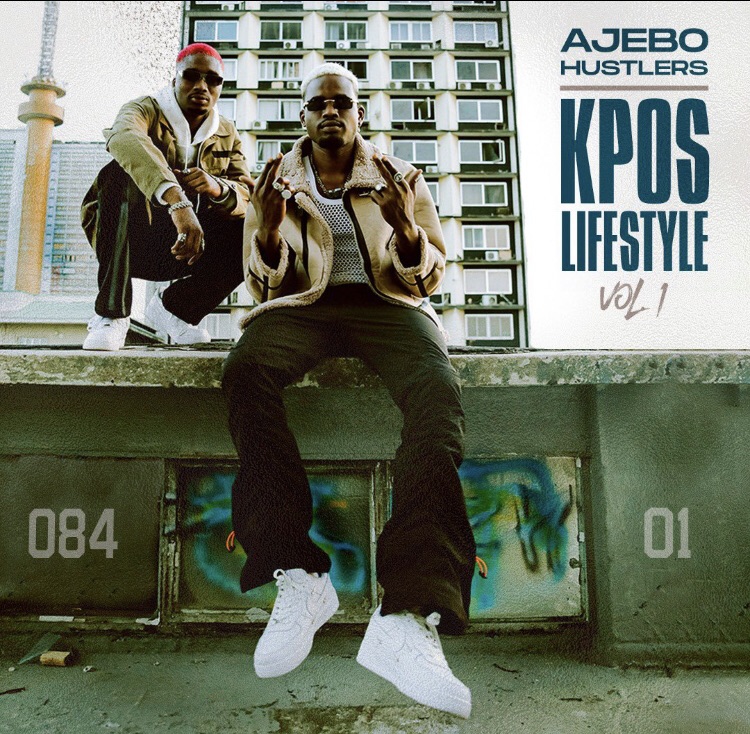
    No they are not biological brothers, in the vibrant and ever-evolving landscape of Nigerian music, few acts have made as significant an impact as the Ajebo Hustlers. Comprising Knowledge (George Dandeson) and Piego (Isaiah Precious), this dynamic duo has taken the industry by storm with their unique sound and captivating performances. Despite their brother-like chemistry, it might surprise many fans to learn that the Ajebo Hustlers are not biological brothers but rather close friends united by their passion for music.

    Is Ajebo Hustlers biological brothers?
    Ajebo Hustlers Instagram photo

    Who are the Ajebo Hustlers?

    The Ajebo Hustlers, hailing from Port Harcourt, Nigeria, have carved out a niche for themselves with their Afrobeat-infused sound that blends elements of highlife, reggae, and contemporary pop. Their music, characterized by catchy melodies and relatable lyrics, resonates deeply with audiences both in Nigeria and beyond. Songs like “Barawo,” which addresses societal issues, and “Symbiosis,” a feel-good track, showcase their versatility and commitment to meaningful storytelling.

    Is Ajebo Hustlers biological brothers?
    Ajebo Hustlers Instagram photo

    The questions people normally ask is if Ajebo Hustlers are biological brothers.

    But the answer is Ajebo Hustlers are not biological brothers but musical brothers

    Is Ajebo Hustlers biological brothers?

    A common misconception about the Ajebo Hustlers is that they are biological brothers. In reality, Knowledge and Piego are friends who share a deep bond, akin to that of brothers. This close relationship is evident in their seamless collaboration and the natural chemistry they exhibit both on and off the stage. Their partnership, founded on mutual respect and a shared vision for their music, has proven to be a powerful driving force behind their success.

    The Rise to Fame

    The journey of the Ajebo Hustlers is one of perseverance and hard work. They began their musical career performing in local shows and steadily built a loyal fan base. Their breakthrough came with the release of several hit singles that caught the attention of music lovers and industry stakeholders alike. Their ability to address social issues while delivering infectious tunes has set them apart in the crowded Nigerian music scene.

    Is Ajebo Hustlers biological brothers?
    Ajebo Hustlers Instagram photo

    The Ajebo Hustlers’ Unique Sound

    What truly distinguishes the Ajebo Hustlers is their ability to blend various musical influences to create a sound that is distinctly their own. Their songs often feature a mix of local dialects and English, reflecting the rich cultural tapestry of Nigeria. This linguistic versatility, coupled with their innovative approach to Afrobeat, makes their music both accessible and refreshing.

    Impact and Future Prospects

    The Ajebo Hustlers are not just musicians; they are cultural ambassadors who use their platform to inspire and uplift. Their music often addresses pertinent societal issues, sparking conversations and encouraging positive change. As they continue to rise in prominence, the duo shows no signs of slowing down. With several chart-topping hits and numerous awards to their name, the future looks incredibly bright for the Ajebo Hustlers.

    Is Ajebo Hustlers biological brothers?
    Ajebo Hustlers Instagram photo

    Their cultural heritage and background

    Ajebo Hustlers, consisting of Knowledge (George Dandeson) and Piego (Isaiah Precious), hail from Nigeria. While specific details about their cultural backgrounds and tribes might not be readily available, they originate from Port Harcourt, which is in the Niger Delta region of Nigeria. In Nigeria, the population is diverse, with over 250 ethnic groups, each with its own distinct cultural heritage and language. Port Harcourt itself is a melting pot of various ethnicities, including the Igbo, Ijaw, and Ikwerre peoples, among others. Therefore, it’s possible that the members of Ajebo Hustlers belong to one of these ethnic groups, but without explicit information from the artists themselves, it’s challenging to determine their precise cultural backgrounds.

    Is Ajebo Hustlers biological brothers?
    Ajebo Hustlers Instagram photo

    How can I differentiate between knowledge and piego

    Certainly! Knowledge (George Dandeson) is known for his rap prowess, delivering sharp and insightful verses that showcase his lyrical dexterity and storytelling ability. On the other hand, Piego (Isaiah Precious) is recognized for his melodic vocals and soulful singing, adding depth and emotion to the duo’s tracks. So, while both members contribute to the overall sound of Ajebo Hustlers, Knowledge stands out as the rapper, while Piego takes on the role of the vocalist. Their distinct styles complement each other seamlessly, creating a harmonious blend that has become synonymous with the Ajebo Hustlers’ signature sound.

    In the realm of Nigerian music, the Ajebo Hustlers have proven that talent, hard work, and a strong partnership can lead to remarkable success. Though not biological brothers, Knowledge and Piego have created a brotherhood through music that transcends familial ties. As they continue to innovate and inspire, there is no doubt that the Ajebo Hustlers will remain a formidable force in the industry for years to come.

    Is Ajebo Hustlers biological brothers?
    Ajebo Hustlers Instagram photo

    For fans and aspiring musicians alike, the story of the Ajebo Hustlers serves as a testament to the power of friendship, collaboration, and the unyielding pursuit of one’s dreams. Keep an eye on this incredible duo as they continue to shape the future of Nigerian music.

  • Davido Clears the Air on Relationship with Wizkid: No Beef, Just Unity

    Davido Clears the Air on Relationship with Wizkid: No Beef, Just Unity

    For years, rumors have circulated about a supposed rivalry between two of Nigeria’s biggest musical exports, Davido and Wizkid. Fans of both artists have speculated on a long-standing feud, fueled by their fanbases and occasional cryptic comments on social media. However, Davido has finally put the rumors to rest in a recent interview, stating unequivocally that there is no conflict between him and Wizkid.

    Davido Clears the Air on Relationship with Wizkid: No Beef, Just Unity

    The Origin of the Feud Rumors

    The idea that Davido and Wizkid were at odds isn’t new. It dates back nearly a decade, when both artists were beginning to solidify their positions in the Nigerian and global music scenes. Comparisons between the two were inevitable, given their similar rise to fame, but over time, these comparisons evolved into rumors of animosity. This perception was fueled by fan battles online, where the passionate supporters of both musicians engaged in heated arguments, often interpreting silence or unrelated actions as signs of tension.

    But Davido, in a candid conversation, revealed that these fan-driven conflicts have no basis in reality. In his own words, he shared that he and Wizkid hung out just before the release of his album Timeless, a move that was meant to show that there is no bad blood between them.

    Addressing the Real Issue: Fan Wars

    One of the key points Davido made was the role of fanbases in stirring up drama between artists. He specifically mentioned reaching out to one of his own fans, Tomiwa, advising him to avoid any confrontation with Wizkid’s fanbase, known as the FC. Davido wanted to ensure that his album launch was not overshadowed by any unnecessary conflicts. Unfortunately, despite his best efforts, there were still clashes, and his album leaked before its official release.

    “I reached out to one of my fans, Tomiwa. The guy that kind of gets to everybody. I called him and I said, look my album is coming out on Thursday. Please leave all these Wizkid fans. Please don’t fight anybody.

    “I was with Wizkid a couple of days ago and we were not fighting. Don’t fight anybody because I want my album to come out clean, but Tomiwa started fighting and my album leaked two days before the launch. But these fans are amazing as well, they also have positive sides.”

    Davido Clears the Air on Relationship with Wizkid: No Beef, Just Unity

    While fans often get overly protective or competitive when it comes to their favorite artists, Davido stressed that this can sometimes cause more harm than good. He pointed out that while these fanbases are passionate and have helped push Nigerian music to global heights, the infighting is unnecessary, especially when the artists themselves are on good terms.

    Unity in Afrobeat

    What’s particularly significant about Davido’s comments is that they emphasize the unity between two of the genre’s biggest stars. Instead of fostering division, Davido and Wizkid are showing that they are focused on mutual respect and pushing Afrobeat to new levels of global success. This message of unity is not only important for their fanbases but for the broader Afrobeat community, as the genre continues to gain international recognition.

    As two of the pioneers of this movement, both artists have made significant contributions to shaping the sound and identity of modern Afrobeat. Collaborating or even simply showing public solidarity could help dispel any remaining rumors about a rivalry and foster a sense of collective pride among their fans.

    The Future of Davido and Wizkid’s Relationship

    With Davido making it clear that there’s no ongoing feud, many fans are left wondering whether a musical collaboration between the two could be on the horizon. While nothing has been confirmed, this public acknowledgment of their friendship certainly opens the door to possibilities. The idea of a collaboration between these two titans of Afrobeat is something that has excited fans for years, and with Davido’s recent statements, it seems more plausible than ever.

    What’s most refreshing about Davido’s stance is the emphasis on peace and unity. In an industry where drama often makes headlines, his focus on positive energy and collaboration over competition is a breath of fresh air. As Afrobeat continues to take over global charts, the harmony between its biggest stars will only further solidify the genre’s place in music history.

  • Rema Receives a Traditional Māori Welcome in New Zealand: A Global Star Meets Indigenous Culture

    Rema Receives a Traditional Māori Welcome in New Zealand: A Global Star Meets Indigenous Culture

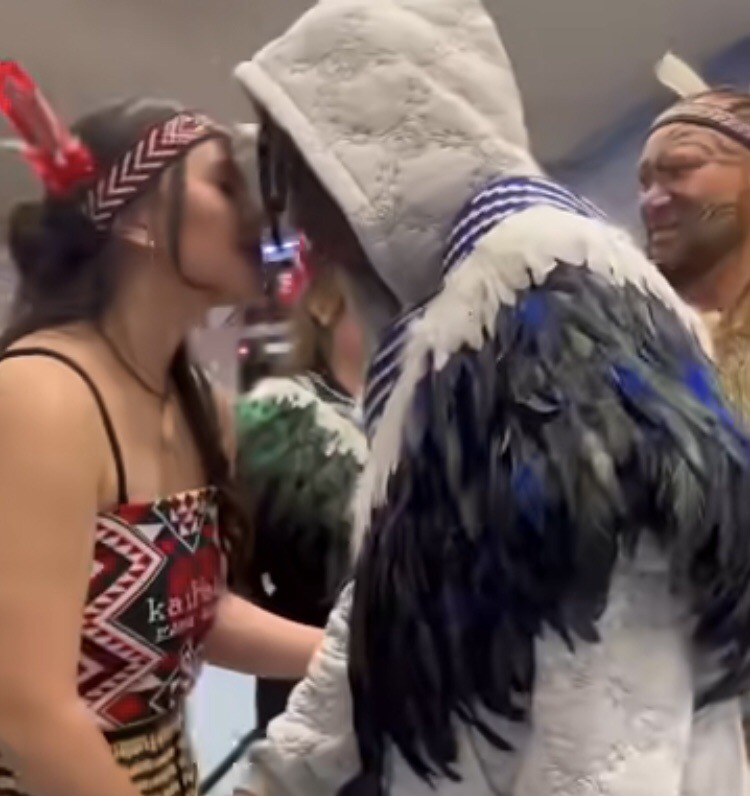
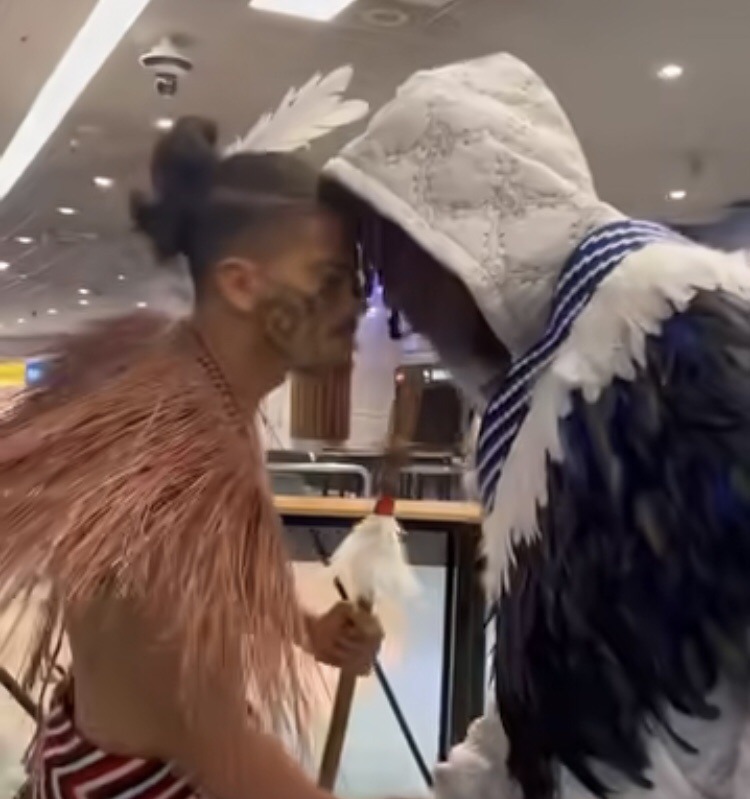
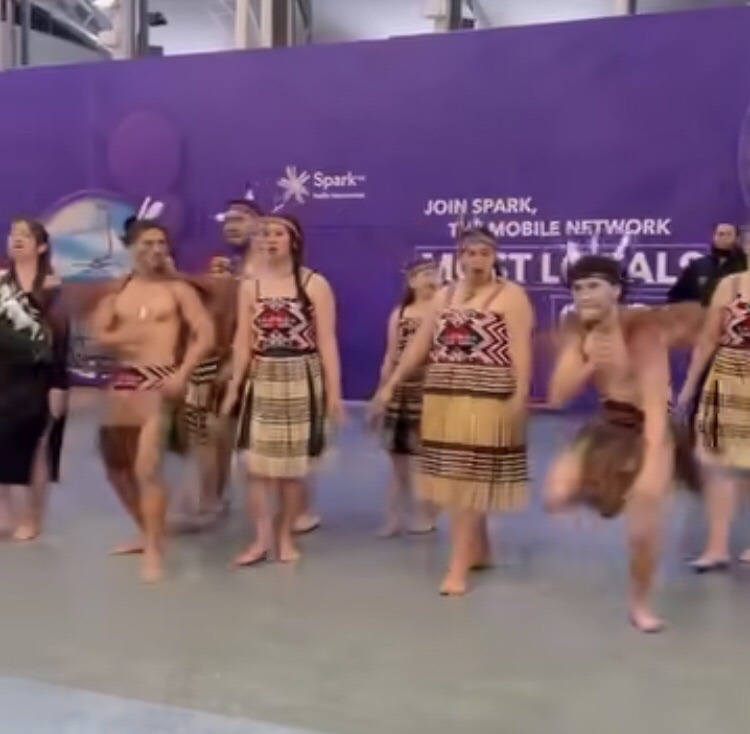
    Nigerian Afrobeat sensation Rema continues his global dominance, making waves in New Zealand where he was given a traditional pōwhiri, a Māori ceremony of welcome, ahead of his headline performance.

    As one of the key faces of Afrobeat’s rise on the global stage, Rema’s warm reception in New Zealand highlights not just his influence but also the cultural bridges music continues to build across continents.

    Rema Instagram photo
    Rema Instagram photo

    What Is a Pōwhiri?

    A pōwhiri is a formal welcome rooted in Māori tradition. It begins with a karanga (call) by the hosts to acknowledge and invite the visitors onto the marae (meeting grounds). This call is often answered by the visitors to show respect. The visitors are then guided onto the marae in a procession that reflects the Māori emphasis on unity and remembrance. The ceremonial part typically includes speeches, songs, and the exchange of greetings, concluding with the hongi—the touching of noses, a gesture that symbolizes the sharing of breath between the hosts and the guests.

    Rema Instagram photo
    Rema Instagram photo

    For Rema, this ceremony was not just a formal greeting but an opportunity to connect with the indigenous Māori culture. Such a welcome is usually reserved for distinguished visitors, further proving the global recognition of his talent.

    The Significance of Rema’s Visit to New Zealand

    Rema’s headline performance in New Zealand marks a significant moment for both him and the country. New Zealand is increasingly becoming a popular destination for Afrobeat artists, with a growing fan base that is drawn to the genre’s energetic beats and universal messages. By receiving a pōwhiri, Rema was welcomed not just as a performer but as a respected guest, an honor that underscores the deep appreciation for his music in the country.

    Rema Instagram photo
    Rema Instagram photo

    The pōwhiri highlights how music can transcend borders and foster mutual respect between different cultures. In Rema’s case, the warm welcome symbolizes the merging of African and Māori traditions, creating a powerful moment of cultural exchange. It’s a testament to how music, especially Afrobeat, continues to unite people from different parts of the world.

    The Global Appeal of Afrobeat

    Afrobeat’s rise is undeniable, and Rema is one of the leading figures of this movement. His hit tracks like “Calm Down” have found audiences far beyond Africa, resonating with listeners in every corner of the world. Afrobeat’s infectious rhythms and compelling lyrics make it a genre that crosses language barriers, and Rema’s distinctive sound has made him a favorite not just in Nigeria but globally.

    His tour through regions like New Zealand shows that Afrobeat is no longer confined to specific geographic areas—it’s a global phenomenon. Fans in countries as far as New Zealand have embraced the genre, and Rema’s warm welcome there is evidence of his far-reaching impact.

    Māori Culture and Music: A Perfect Blend of Traditions

    What makes this welcome even more significant is the connection between African and Māori traditions, both of which are deeply rooted in oral history, music, and storytelling. The Māori pōwhiri and African ceremonial traditions share commonalities, particularly in the way they honor guests through song, performance, and the passing down of cultural heritage.

    Rema Instagram photo
    Rema Instagram photo

    For Rema, experiencing a traditional Māori welcome is more than just a part of his tour—it’s an opportunity to engage with another culture’s deep respect for history and community. This blend of Afrobeat’s modern beats with the ancient rituals of the Māori reflects the universal language of music.

    Rema’s Rising Influence on the World Stage

    This event in New Zealand is another milestone in Rema’s rapidly growing career. From Nigeria to New Zealand, his influence is expanding as more people connect with his music. Being welcomed with a pōwhiri shows how Afrobeat is influencing not only the charts but also cultural exchanges worldwide. As one of the youngest and brightest stars of his generation, Rema’s journey is just beginning, and moments like this are a clear indicator of his growing significance on the global stage.

  • Optimizing Spotify Volume: How to Fix Low Sound Issues

    Optimizing Spotify Volume: How to Fix Low Sound Issues

    Listening to music on Spotify can sometimes be frustrating when the volume feels lower than expected. Whether you’re using a phone, laptop, or external speaker, getting the best sound experience is crucial. Below, we’ll explore steps to boost Spotify’s volume, check device settings, and make sure you’re getting the best audio performance.

    Optimizing Spotify Volume: How to Fix Low Sound Issues

    1. Check Device Volume Settings

    Before diving into Spotify-specific adjustments, always start by checking the volume on your device. Many people overlook this simple step, assuming it’s a Spotify issue when it could be as simple as the device volume being too low. Whether you’re on Android, iOS, or a computer, make sure the media volume is turned up.

    2. Spotify’s Built-In Volume Settings

    Spotify has its own internal volume controls that can be adjusted separately from your device’s main sound settings. Here’s how to access it:

    • Open Spotify and go to Settings.
    • Scroll down to Playback.
    • Find the Volume Level option, and set it to Loud for the maximum volume. By default, Spotify may set this to a lower level to save battery or protect hearing, but you can switch it to loud for a fuller sound.
    Optimizing Spotify Volume: How to Fix Low Sound Issues

    3. Disable Volume Normalization

    Spotify uses volume normalization to equalize the sound levels across tracks. This can sometimes result in tracks sounding quieter than they should. To turn off this feature:

    • Go to Settings.
    • Under Playback, find Normalize Volume.
    • Toggle this off to let each track play at its natural volume.

    Disabling normalization can give you a noticeable boost in loudness, especially for quieter tracks.

    Optimizing Spotify Volume: How to Fix Low Sound Issues

    4. Check Your Equalizer Settings

    Spotify allows users to customize their sound experience with an equalizer. While an equalizer can enhance certain frequencies, improper use can also lower overall volume. To check your equalizer settings:

    • Go to Settings.
    • Find the Equalizer under Playback.
    • You can experiment with different presets or adjust sliders manually to balance your sound. If the equalizer is reducing volume, try resetting it to default or disabling it.
    Optimizing Spotify Volume: How to Fix Low Sound Issues

    5. Use External Audio Devices

    If you still feel like your music is too quiet, consider using high-quality headphones or external speakers. Many devices come with basic sound hardware, which might not deliver the best experience. Bluetooth speakers or wired headphones often provide a richer and louder sound than the built-in speakers on most phones and laptops.

    6. Check Bluetooth Settings

    When using Bluetooth headphones or speakers, the connection quality can sometimes affect volume. Ensure your device and the Bluetooth accessory are fully charged, and check that any volume limitations (especially on mobile devices) are disabled. On iPhones, for instance, there’s a Volume Limit feature in the settings that can cap the loudness of Bluetooth-connected devices.

    7. Update Spotify and Device Software

    Outdated software, whether on Spotify or your device, can sometimes cause glitches in volume control. Regularly updating both your Spotify app and your device’s operating system can fix such issues and potentially enhance sound performance.

    8. Clear Spotify Cache

    Over time, Spotify’s cache can accumulate, leading to performance issues, including problems with sound. Clearing the cache can sometimes resolve these kinds of glitches:

    • Open Settings in the Spotify app.
    • Scroll down to Storage and clear the cache.
      This won’t delete your downloaded songs but will free up space and potentially fix performance issues.
    Optimizing Spotify Volume: How to Fix Low Sound Issues

    9. Use Spotify on Higher Quality Streaming

    Spotify offers different sound quality options depending on your internet connection and subscription plan. Free users are limited to standard quality, but premium subscribers can switch to higher quality settings:

    • Go to Settings and scroll to Music Quality.
    • Change Streaming Quality to Very High.

    This option uses more data and you can’t use this service when data saver is on, but delivers much clearer and louder audio, especially noticeable when using good headphones or speakers.

    Optimizing Spotify Volume: How to Fix Low Sound Issues

    10. Contact Support if the Issue Persists

    If you’ve tried everything and still can’t get the volume up to where you want it, it might be worth reaching out to Spotify’s support. They can guide you through more advanced troubleshooting steps or check for bugs in the app.

    Final Thoughts on Maximizing Spotify Volume

    Ensuring that Spotify delivers the best audio experience requires attention to both app settings and the hardware you’re using. By adjusting Spotify’s built-in features like volume level, equalizer settings, and disabling normalization, you can significantly boost sound. Additionally, investing in quality headphones or speakers and keeping your app and device up to date will help you enjoy your music at the highest possible volume.

    These steps should help enhance your listening experience and get the most out of your Spotify music sessions. Happy listening!

  • Davido, Burna Boy, and Wizkid Perform Together at Oando PLC End-of-Year Party: A Night to Remember

    Davido, Burna Boy, and Wizkid Perform Together at Oando PLC End-of-Year Party: A Night to Remember

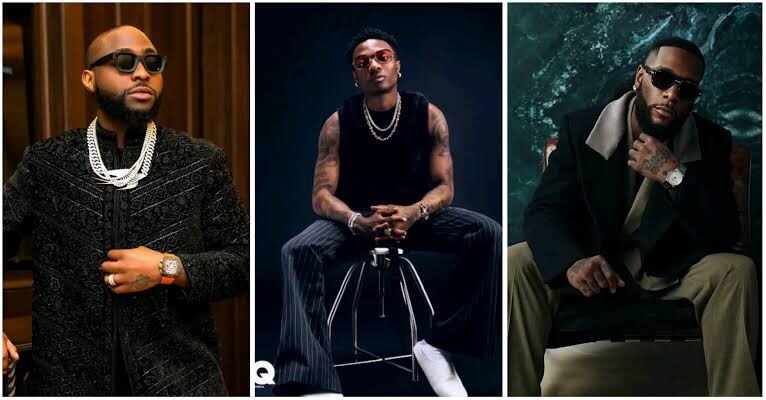
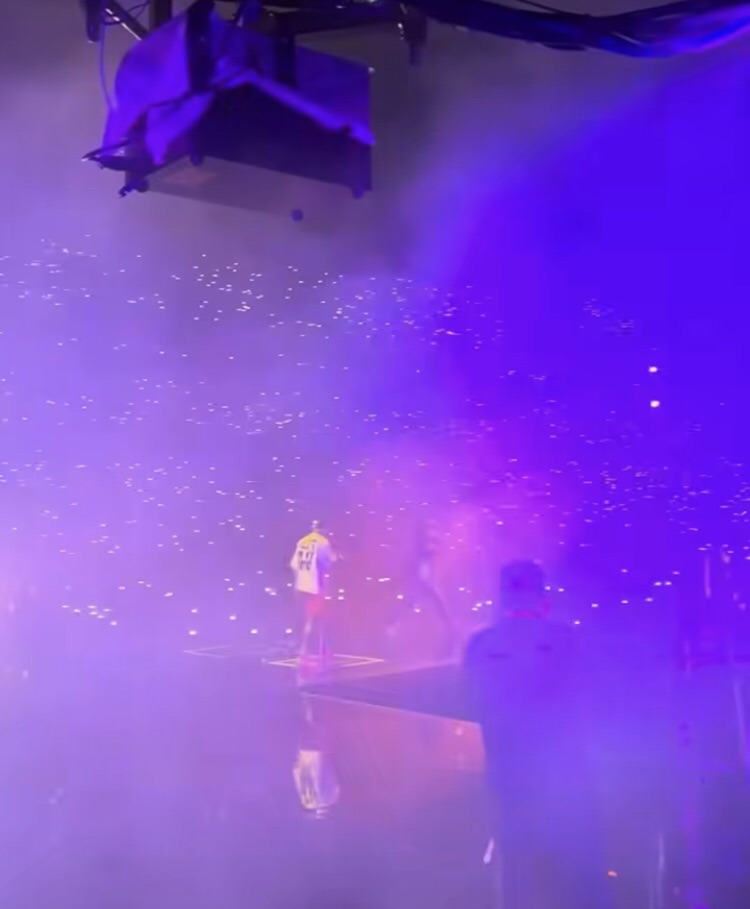
    In an unexpected and thrilling turn of events, three of Nigeria’s biggest music stars—Davido, Burna Boy, and Wizkid—graced the same stage at the Oando PLC end-of-year party held in Lagos, Nigeria. Fans who attended witnessed an extraordinary night filled with electrifying performances from the iconic trio, fondly referred to as the “Big 3” of Afrobeats.

    A Performance That Made History

    For years, fans of these global superstars have debated the possibility of them performing together. Despite their individual successes and differences, this event brought them together, showing the unifying power of music and, of course, the influence of a significant paycheck.

    Latest Nigeria celebrity event photos

    Reports suggest that Davido was paid an astonishing 2.8 billion Naira for his appearance, followed by Burna Boy with 1.7 billion Naira, and Wizkid earning 1.4 billion Naira. These figures not only highlight the star power of these artists but also reflect the value they bring to corporate events and the global entertainment industry.

    What Made This Event So Special?

    1. The Artists’ Repertoire

    Each of the Big 3 performed their greatest hits, turning the party into a night of celebration and nostalgia for their fans. From Davido’s chart-topping tracks like “Unavailable” to Burna Boy’s international anthem “Last Last” and Wizkid’s Grammy-nominated “Essence,” the energy in the room was palpable.

    2. Unity in Diversity

    While their fans often debate who the greatest is among them, this event proved there’s enough space for all three to shine. Their combined stage presence and performances showcased the strength of collaboration, even when competition exists.

    3. Cultural and Global Impact

    These artists are not just Nigerian icons but global ambassadors of Afrobeats. Their ability to share the same platform elevates the genre to new heights, demonstrating its growing influence worldwide.

    How Did Oando Pull This Off?

    Latest Nigeria celebrity event photos

    Oando PLC’s decision to book Davido, Burna Boy, and Wizkid for the same event was a strategic move. The company’s investment reflects its commitment to creating unforgettable experiences for its stakeholders. It’s clear that music remains a powerful tool for fostering connections, and securing these three legends was a way to end the year on a high note.

    The Big Question: Will This Happen Again?

    Now that fans have seen the Big 3 on the same stage, many are wondering if this will become a recurring spectacle. While the hefty payments might limit how often this can happen, this performance has set a precedent. Event organizers, brands, and even fans will be looking forward to similar collaborations in the future.

    The Legacy of the Big 3

    Davido, Burna Boy, and Wizkid have redefined what it means to be an African artist on the global stage. Their music transcends borders, and their performances continue to captivate audiences worldwide. This event will go down in history as a moment that highlighted their collective impact while celebrating their individual brilliance.

    Whether you’re Team Davido, Team Burna Boy, or Team Wizkid, one thing is certain—this was a night for the history books. The Oando PLC end-of-year party wasn’t just a corporate event; it was a celebration of music, culture, and the unifying power of the Afrobeats genre.

  • Bella Shmurda’s Story: Redefining Success Beyond Classroom Grades

    Bella Shmurda’s Story: Redefining Success Beyond Classroom Grades

    When Bella Shmurda shared his journey of being labeled the “dullest” student in school to becoming a successful musician, he highlighted a reality many people can relate to: traditional academic success doesn’t define everyone’s future. In his own words, his poor grades pushed him to drop out of school, a decision that led him to pursue his passion for music. Today, Bella Shmurda is one of the most successful artists among his peers, proving that success comes in many forms.

    Latest Nigeria celebrity event photos

    The Pressure of Academic Performance

    In many cultures, students are judged based on how well they perform in school. Grades are often seen as a measure of intelligence and a predictor of future success. For students like Bella Shmurda, this pressure can feel overwhelming. Low grades may lead to feelings of inadequacy and frustration, especially when classmates and teachers reinforce these labels. However, as Bella’s story shows, traditional schooling isn’t the only way to succeed in life.

    Turning “Failure” Into Motivation

    Latest Nigeria celebrity event photos

    Bella didn’t let his struggles with academics define his future. Instead, he recognized that school wasn’t his strength and used this realization as a turning point. Dropping out wasn’t a sign of giving up; it was a decision to focus on something he was passionate about—music.

    This decision wasn’t without risks. Dropping out of school doesn’t guarantee success, and not everyone who does so ends up thriving in their chosen field. But Bella’s story is a testament to what can happen when someone is willing to work hard and take a chance on their talents.

    Lessons From Bella Shmurda’s Journey

    1. Success Isn’t One-Size-Fits-All

    Bella’s story is a reminder that there’s no single path to success. Academic excellence works for many, but others may find fulfillment and achievement in creative fields, entrepreneurship, or other unconventional routes.

    2. Self-Awareness Is Key

    Knowing your strengths and weaknesses can help guide your decisions. Bella realized that academics weren’t his strength but music was. By focusing on what he was good at, he was able to build a career that not only brought him success but also happiness.

    3. Hard Work and Dedication Matter

    Dropping out of school isn’t the secret to success—it’s the hard work, discipline, and resilience that come afterward. Bella put in the effort to hone his craft and build his career, proving that dedication is crucial no matter the path you choose.

    Risks of Dropping Out

    While Bella Shmurda’s story is inspiring, it’s important to recognize that not everyone who struggles in school will find success by dropping out. For many, staying in school provides essential skills, connections, and opportunities that can lead to a fulfilling career.

    If you’re considering leaving school to pursue a passion, ask yourself:

    • Are you ready to work hard and stay disciplined in your chosen field?

    Latest Nigeria celebrity event photos

    • Do you have a support system to help you navigate challenges?

    • Have you considered alternative paths, such as part-time schooling or vocational training, that might better suit your goals?

    Redefining Success

    At its core, Bella’s story challenges the traditional definition of success. It’s not just about grades or following a conventional path. Success is about finding what makes you happy and working toward it, even if it means taking risks or facing criticism.

    His journey also serves as a reminder that everyone has their own timeline. Just because you’re not excelling in one area doesn’t mean you’re failing—it might just mean that your success lies elsewhere.

  • Did Davido Inspire Burna Boy, Rema, Fireboy, and the “New Cats” in Afrobeat?

    Did Davido Inspire Burna Boy, Rema, Fireboy, and the “New Cats” in Afrobeat?

    Afrobeats has grown into a global movement, with several Nigerian artists leading the charge. Recently, Davido made a statement suggesting that apart from Wizkid, he inspired and paved the way for artists like Burna Boy, Rema, Fireboy, and others he referred to as the “New Cats.” This claim has sparked debates within the music community.

    Here, we explore Davido’s influence, his contributions to Afrobeat, and whether his assertion holds up when looking at the timeline of events and achievements in the genre.

    Davido’s Contributions to Afrobeat

    Davido is undeniably one of the key figures responsible for making Afrobeats a global phenomenon. Since his breakout hit “Dami Duro” in 2011, he has consistently delivered chart-topping songs and collaborated with international stars like Chris Brown, Nicki Minaj, and others. His music videos, often characterized by their high-quality production, helped present Afrobeats in a way that resonated globally.

    Moreover, Davido’s work ethic and consistency set a standard for upcoming artists. He has used his platform to support younger talents, signing artists like Mayorkun and Peruzzi to his DMW label. This mentorship role is one reason some believe he has influenced the next generation of artists.

    The “New Cats” and Their Journeys

    Let’s take a closer look at the artists Davido mentioned:

    1. Burna Boy

    Latest Nigeria celebrity event photos

    Burna Boy’s career dates back to 2012 when he released his debut album L.I.F.E. However, his global recognition skyrocketed with the 2018 release of Outside, featuring the hit track “Ye.” Unlike Davido, Burna Boy’s style leans heavily on Afro-fusion, blending Afrobeat, dancehall, and reggae influences. While it’s clear Burna Boy has benefited from the global rise of Afrobeats, his musical journey was distinct and heavily influenced by his grandfather’s connection to Fela Kuti and his time in the UK.

    2. Rema

    Latest Nigeria celebrity event photos

    Rema is among the youngest and most exciting voices in today’s Afrobeats scene. Signed to Mavin Records in 2019, his debut single “Dumebi” propelled him to fame. Rema represents the new wave of artists who are blending Afrobeats with trap, pop, and alternative sounds. While Davido may have inspired Rema’s belief in the global potential of Afrobeats, Rema’s success owes much to his unique sound and vision.

    3. Fireboy DML

    Latest Nigeria celebrity event photos

    Fireboy DML burst onto the scene with his debut album Laughter, Tears, and Goosebumps in 2019, showcasing a sound that combines Afrobeats with R&B and soul. His hit single “Jealous” became an anthem, and Fireboy has continued to dominate with songs like “Peru,” which was remixed by Ed Sheeran. While Fireboy has cited artists like Wizkid and Wande Coal as inspirations, it’s possible that Davido’s global breakthroughs helped create a more accepting market for artists like him.

    Did Davido “Pave the Way”?

    The idea of “paving the way” can mean different things. It could refer to breaking barriers, providing opportunities, or inspiring others.

    Breaking Barriers: Davido, Wizkid, and others undeniably opened doors internationally, making it easier for subsequent artists to enter foreign markets.

    Providing Opportunities: Davido’s DMW label has directly helped a number of artists, though Burna Boy, Rema, and Fireboy do not fall into this category.

    Inspiration: Many artists have been inspired by Davido’s success story, his ability to blend African sounds with global appeal, and his consistency in delivering hits.

    However, artists like Burna Boy and Rema have carved out their paths with unique styles that differ significantly from Davido’s approach.

    Latest Nigeria celebrity event photos

    Why This Debate Matters

    The conversation surrounding Davido’s claim is important because it highlights the collaborative and interconnected nature of Afrobeats. Every artist, whether a pioneer or newcomer, contributes to the genre’s growth in different ways.

    Afrobeats thrives on its diversity of sounds, and while Davido deserves credit for his influence, the success of artists like Burna Boy, Rema, and Fireboy is equally tied to their individuality, hard work, and the infrastructure built by earlier legends like Fela Kuti, 2Baba, and others.

    What’s Next for Afrobeats?

    Afrobeats is no longer confined to Nigeria or even Africa. With stars like Burna Boy headlining stadiums, Rema charting globally with “Calm Down,” and Fireboy collaborating with international acts, the genre is reaching new heights. While pioneers like Davido, Wizkid, and Burna Boy continue to push boundaries, the “New Cats” are poised to carry the torch forward.

    Davido’s statement may have sparked a debate, but one thing is clear: the success of Afrobeats is a collective effort. Every artist, old or new, plays a role in shaping its future.

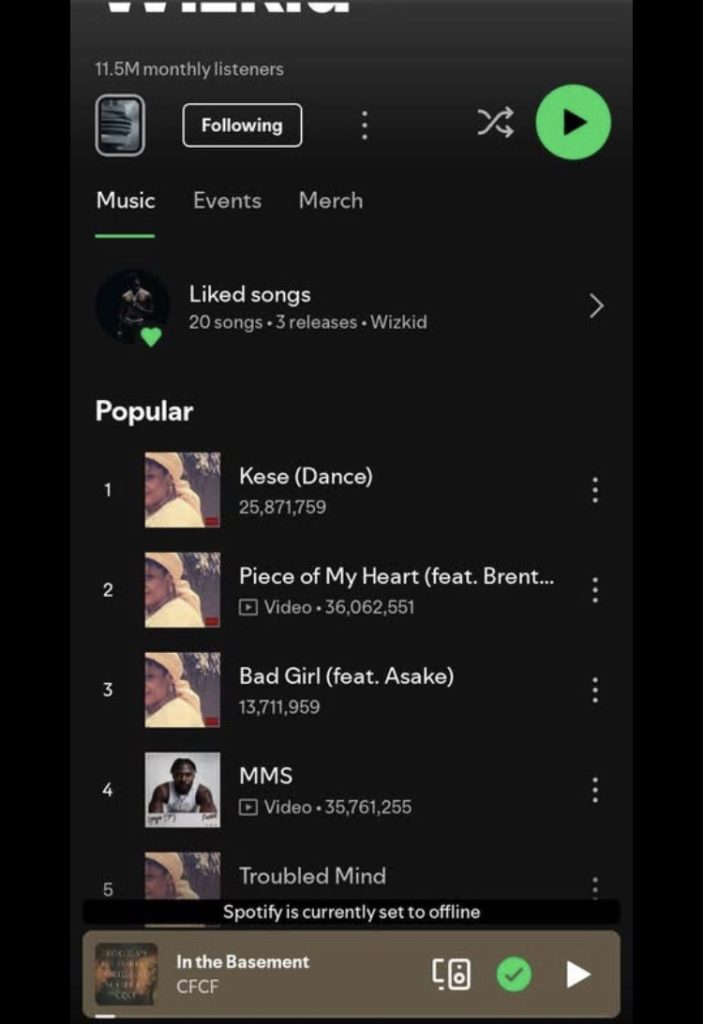
  • Wizkid Makes History with 8 Billion Streams on Spotify

    Wizkid Makes History with 8 Billion Streams on Spotify

    Wizkid, one of Nigeria’s most celebrated musicians, has achieved an incredible milestone by amassing 8 billion streams on Spotify. This achievement places him among the elite global artists who have reached this level of streaming success, highlighting his influence in the music world.

    Wizkid Makes History with 8 Billion Streams on Spotify

    Wizkid’s Journey to Global Stardom

    Wizkid’s rise from his early days in Surulere, Lagos, to becoming a global icon is a testament to his talent and consistency. Bursting onto the scene with his debut single Holla at Your Boy, he quickly captured the hearts of fans with his distinct blend of Afrobeats, R&B, and pop influences.

    Over the years, he has released numerous chart-topping hits, including Ojuelegba, which received international recognition after Drake and Skepta shared their admiration for the song. Wizkid’s ability to craft infectious melodies and relatable lyrics has made his music resonate with audiences across different cultures and regions.

    The Impact of “Made in Lagos”

    A major contributor to this milestone is Wizkid’s fourth studio album, Made in Lagos. Released in 2020, the album features hits like Essence featuring Tems, which became a global anthem and earned a Grammy nomination. The deluxe edition, with additional tracks like Mood and Anoti, further boosted its popularity.

    “Made in Lagos” has been praised for its smooth production, Afrobeat rhythms, and collaborations with international stars like Burna Boy, Skepta, and Damian Marley. This album played a pivotal role in introducing Afrobeats to new audiences worldwide.

    Why 8 Billion Streams Matters

    Reaching 8 billion streams is not just a personal victory for Wizkid; it signifies the growing global acceptance of Afrobeats as a dominant genre. Platforms like Spotify have made it easier for Nigerian artists to connect with international fans, and Wizkid’s success is a prime example of this cultural shift.

    This milestone also showcases the dedication of Wizkid’s fanbase, often referred to as “Wizkid FC.” Their unwavering support has propelled his music to the top of charts and playlists worldwide.

    The Role of Collaborations in Wizkid’s Success

    Wizkid’s willingness to collaborate with artists across genres has significantly expanded his reach. From his groundbreaking feature on Drake’s One Dance to working with Beyoncé on Brown Skin Girl, these collaborations have introduced him to audiences who might not have discovered him otherwise.

    Wizkid Makes History with 8 Billion Streams on Spotify

    His strategic partnerships with global stars have also positioned him as a bridge between African music and the wider world. This approach has not only elevated his career but also opened doors for other African artists.

    Meanwhile, Burna Boy has reached 7.2 billion streams on Spotify, securing his place as the second most-streamed African artist on the platform. He is also the most-followed Afrobeats artist on Spotify.

    What’s Next for Wizkid?

    As Wizkid celebrates this monumental achievement, fans are eagerly awaiting his next move. His upcoming projects are expected to push boundaries even further, solidifying his place as a trailblazer in the global music scene.

    With Afrobeats gaining more recognition at major award shows and streaming platforms, Wizkid’s success story is a reminder that the world is ready for more African music.

  • Spotify Removes Millions of Streams from Davido’s Songs: What Does This Mean for the Artist and the Music Industry?

    Spotify Removes Millions of Streams from Davido’s Songs: What Does This Mean for the Artist and the Music Industry?

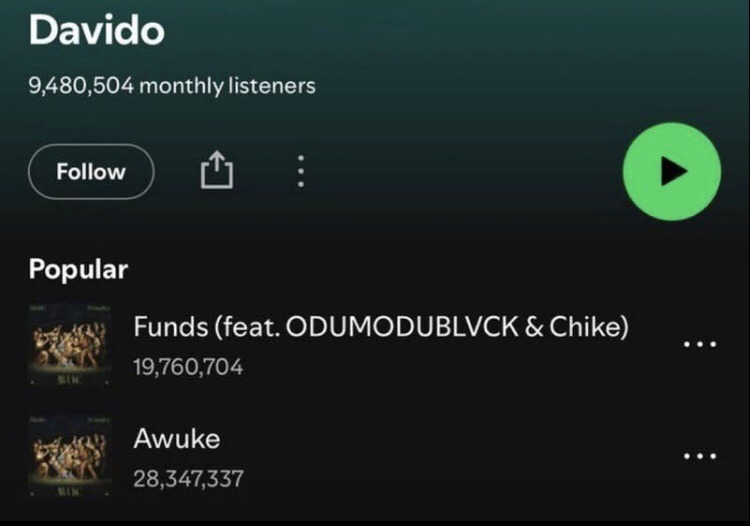
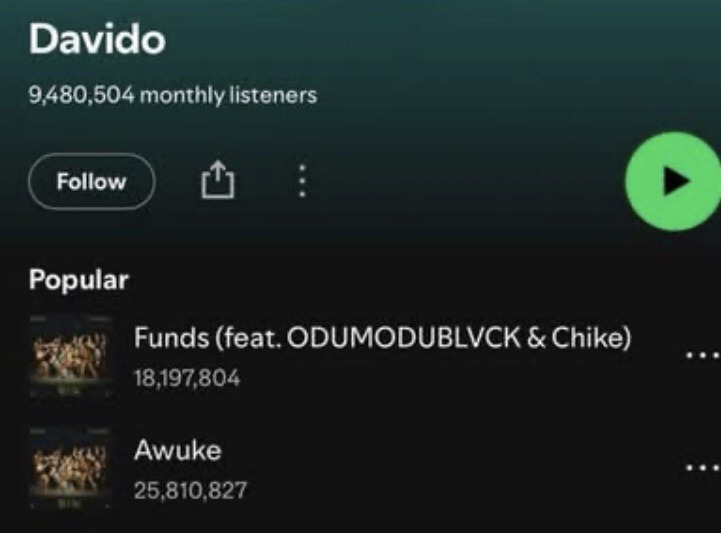
    Recently, Spotify took the significant step of removing over 4 million streams from two of Davido’s popular tracks—“Funds” and “Awuke.” This move has left many fans and industry experts wondering about the implications for the artist and the broader music scene. In this post, we’ll explore what might have caused the removal of these streams, what it means for Davido’s career, and what this could tell us about how streaming platforms are working to maintain fairness in the music industry.

    Why Did Spotify Remove Streams from Davido’s Songs?

    Spotify Removes Millions of Streams from Davido’s Songs: What Does This Mean for the Artist and the Music Industry?
    Before

    Spotify’s decision to remove millions of streams raises some important questions. Over 1.5 million streams were removed from “Funds,” while “Awuke” saw a significant cut of 3 million streams. This is not a common occurrence for major artists, especially one as prominent as Davido.

    One possible explanation is that these streams may have been flagged as part of a practice known as stream farming. Stream farming involves artificially inflating the number of plays on a song through the use of bots or paid listeners. This is something that has become an ongoing issue in the streaming industry as some artists or entities try to boost their numbers to appear more popular or increase their chart standings.

    Spotify Removes Millions of Streams from Davido’s Songs: What Does This Mean for the Artist and the Music Industry?

    For Spotify to take action, it would suggest that there were irregularities in the way these streams were generated. The company uses sophisticated algorithms and detection systems to identify fake streams. By removing these plays, Spotify is working to ensure that only legitimate listens are counted toward an artist’s metrics, protecting the credibility of the platform and the artists who follow the rules.

    The Impact on Davido’s Career

    After

    Davido has been one of the leading figures in Afrobeats, with a massive fanbase known as 30BG (30 Billion Gang). His music has garnered millions of streams worldwide, cementing his position as one of the most influential artists in the genre. While the removal of streams may raise eyebrows, it’s important to consider how this will affect Davido’s standing in the industry.

    Davido’s career is built on years of hard work, incredible talent, and a loyal fanbase. While this incident could cause some temporary embarrassment, it’s unlikely to drastically affect his overall success. His music continues to resonate with millions of fans, and his contribution to Afrobeats is undeniable. The controversy around this may even work in his favor, sparking more attention around his songs.

    The real impact here might be on the credibility of streaming platforms, as they are now more closely scrutinized than ever. The music industry is shifting towards more transparency, and streaming platforms like Spotify are under pressure to ensure fairness in how streams are counted. For artists like Davido, this could mean future efforts to maintain the integrity of streaming numbers.

    Will Fans Defend Davido?

    As expected, the 30BG fanbase has already voiced strong support for their favorite artist. This group has consistently shown fierce loyalty, so it’s no surprise that many believe Davido has been unfairly targeted in this situation. Fans argue that the artist himself may not have been involved in any fraudulent activity, but rather, it could have been done by others—whether bots or third parties—without his direct knowledge.

    Davido’s fans are known for going to great lengths to show support, whether it’s through social media campaigns or buying his albums. With such a dedicated following, this issue is likely to spark more engagement from fans, who will undoubtedly rally behind the artist.

    What Does This Mean for the Music Industry?

    Spotify’s actions send a clear message to the industry: streaming platforms are serious about tackling artificial inflation of streaming numbers. As the music industry becomes more reliant on streaming services for revenue and exposure, these platforms are working to maintain the integrity of their charts and metrics.

    Spotify Removes Millions of Streams from Davido’s Songs: What Does This Mean for the Artist and the Music Industry?

    The rise of stream farming has raised concerns among artists, labels, and listeners alike. While some see it as a way to manipulate the system, others argue that it’s a symptom of a flawed model that puts too much pressure on numbers rather than the quality of music. For Spotify and other streaming platforms, taking action against stream farming is an attempt to level the playing field, ensuring that the most popular songs are truly reflective of listeners’ preferences, not just the result of artificially inflated numbers.

    What’s Next for Davido?

    As one of the leading voices in Afrobeats, Davido’s music career will likely continue to thrive, regardless of this incident. While this controversy may spark debates about the ethics of stream farming and the role of streaming platforms in regulating their charts, it’s unlikely to change the trajectory of his success. The artist has already proven his resilience in the face of criticism, and his loyal fanbase is always ready to back him up.

    In the coming months, we can expect Davido to continue releasing new music and performing around the world. As the streaming industry evolves, artists like him will likely need to adapt to new standards and practices, but with his talent and support system, he’ll continue to make an impact in the music world.

  • The Untold Story of Sky B and X-B: Betrayal in Nigeria’s Music Industry

    The Untold Story of Sky B and X-B: Betrayal in Nigeria’s Music Industry

    Sky B’s meteoric rise in the Nigerian music scene was as unexpected as it was unforgettable. His debut album Pray for Me, released in the early 2000s, captured the hearts of fans with hits like My Baby and You Promised Not to Go. While Sky B was hailed as Nigeria’s first commercial rapper, new revelations from his former music partner, X-B, have shed light on a story of betrayal and broken trust that challenges the narrative behind Sky B’s success.

    Latest Nigeria celebrity event photos

    Sky B and X-B: A Forgotten Partnership

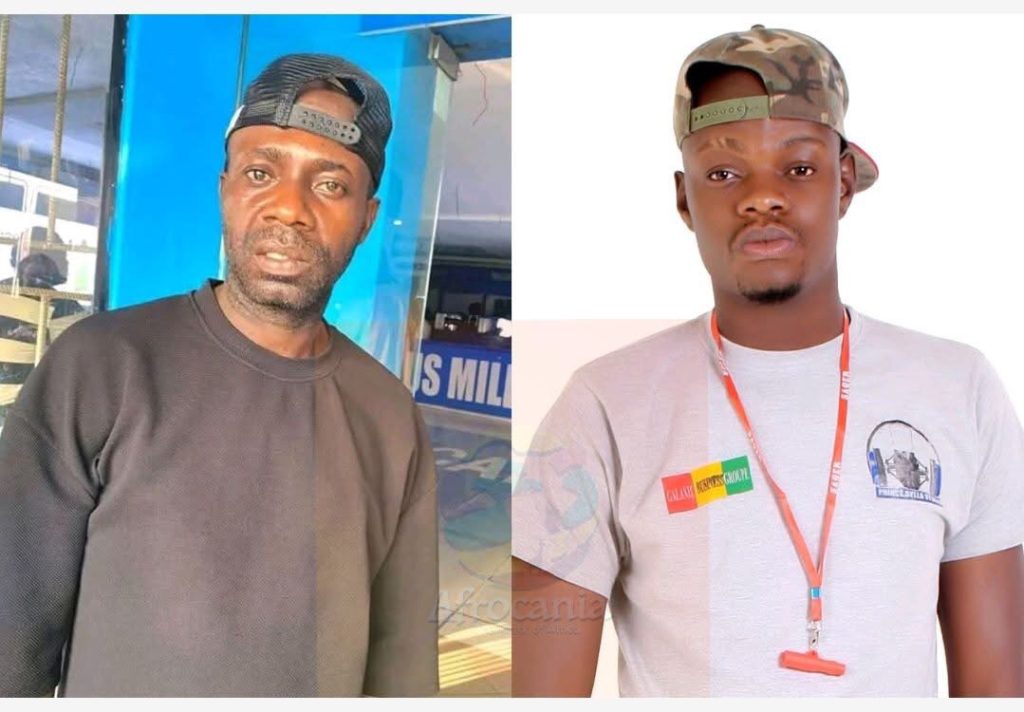
    X-B, a lesser-known name in the industry, recently opened up about his past as Sky B’s collaborator. According to X-B, he and Sky B worked together on every track of the Pray for Me album. As a tenant in Sky B’s family compound in Port Harcourt, X-B contributed his vocals, including the chorus for My Baby, and his unique style to the project. He claims that his voice and contributions can still be heard in the intros and verses of the songs.

    Despite their partnership, X-B alleges that Sky B launched the album without his knowledge. The album’s release, funded by the sale of a piece of Sky B’s father’s land, marked the end of their collaboration. X-B reportedly discovered the betrayal on the very day of the album’s launch through a mutual acquaintance.

    A Story of Betrayal and Its Consequences

    The fallout between the two artists was swift and painful. X-B was evicted from Sky B’s father’s house shortly after, leaving him with no platform to address the betrayal. Meanwhile, Sky B went on to enjoy the spotlight, with fans believing he single-handedly created the album.

    However, X-B’s claims have been corroborated by some Port Harcourt-based artists who were familiar with the duo. They insist that X-B’s contributions were significant, and Sky B’s attempts to replicate his style after their split were less convincing.

    Sky B’s Struggles and Decline

    Sky B’s career, once promising, eventually took a downward turn. After the initial success of Pray for Me, he struggled to sustain his momentum. His personal life also became a subject of public scrutiny, with allegations of substance abuse and financial difficulties.

    X-B believes that the betrayal and unethical practices that marked the start of Sky B’s career contributed to his eventual decline. He sees the unraveling of Sky B’s career as a reflection of the consequences of dishonesty and broken trust.

    Lessons for the Nigerian Music Industry

    This story highlights the challenges faced by many upcoming artists in Nigeria. From lack of resources to fractured partnerships, the road to success is often fraught with difficulties. For X-B, the betrayal he experienced serves as a cautionary tale about the importance of integrity and collaboration in the music industry.

    The revelations about Sky B and X-B also bring up important questions about credit and recognition in creative projects. How many artists have been overshadowed or sidelined in similar ways? X-B’s story is a reminder of the need for transparency and fairness, especially in an industry as competitive as music.

    Moving Forward

    While Sky B’s story has largely faded from the spotlight, X-B’s revelations have reignited interest in his music and the Pray for Me album. Fans and industry insiders alike are now reevaluating Sky B’s legacy, with some calling for greater recognition of X-B’s contributions.

    For X-B, the focus remains on moving forward and letting time and truth heal old wounds. His story serves as both a warning and an inspiration for upcoming artists navigating the complexities of the Nigerian music scene.

  • Chris Brown and Lojay’s Epic Collaboration: “Sensational” Lights Up Johannesburg

    Chris Brown and Lojay’s Epic Collaboration: “Sensational” Lights Up Johannesburg

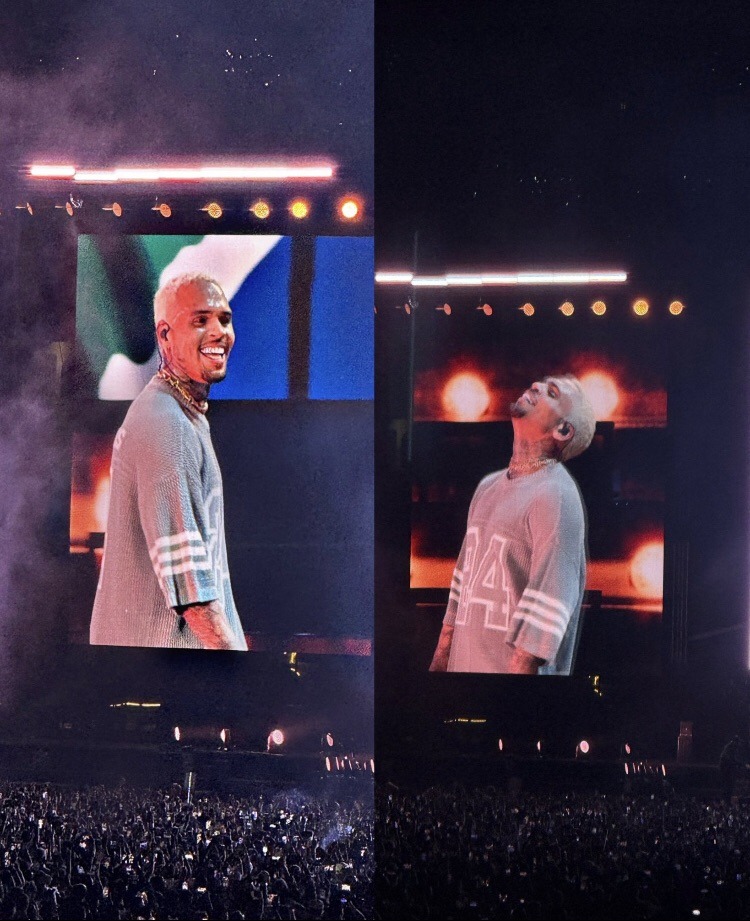
    Chris Brown surprised fans in Johannesburg last night by bringing Nigerian Afrobeat sensation Lojay on stage at the FNB Stadium. Together, they performed their hit track, “Sensational,” thrilling the crowd with a live rendition that perfectly blended Lojay’s Afrobeat rhythms with Chris Brown’s signature R&B style.

    The performance was part of Chris Brown’s global tour, and it showcased the seamless fusion of African sounds with international music. Fans in the audience were ecstatic as the two artists delivered an electrifying performance, making the moment a highlight of the night.

    https://www.instagram.com/p/DDktpdtyLU_/?igsh=MXd3N2l3cW1xdHEwZw==

    Why “Sensational” Resonates Globally

    Sensational” is a collaboration that has captivated listeners worldwide. Its catchy melody, smooth production, and heartfelt lyrics have made it a favorite on streaming platforms and airwaves. The track reflects a growing trend where international artists embrace Afrobeat, highlighting the genre’s global appeal.

    Lojay, known for his unique voice and ability to create memorable hooks, brought his A-game, complementing Chris Brown’s polished vocal delivery. Their partnership on the track has proven to be a masterstroke, blending the best of Afrobeat and contemporary R&B.

    A Night to Remember in Johannesburg

    The FNB Stadium, renowned for hosting large-scale events, provided the perfect setting for this remarkable moment. Fans at the venue sang along word-for-word, showcasing the song’s popularity in South Africa and beyond. The collaboration symbolizes a bridge between African and global music scenes, and the energy in the stadium reflected that connection.

    As videos from the performance circulate online, the demand for similar collaborations is growing. Many fans are now calling for Chris Brown to include Nigeria on his tour. One fan said,

    “Chris Brown, please make a bus stop in Nigeria so we can experience the Bezzy effect.”

    Will Chris Brown Bring the Show to Nigeria?

    With the overwhelming response from fans in South Africa, it’s no surprise that Nigerian fans are eager to see Chris Brown and Lojay perform live in their country. Nigeria, being the heart of Afrobeat, would provide an electric atmosphere for such a performance.

    Bringing “Sensational” to a Nigerian stage could also highlight the growing influence of Nigerian artists on the global music scene. From Lagos to Los Angeles, Afrobeat has become a dominant force, and artists like Lojay continue to push the genre forward.
  • Wizkid’s Morayo: A Celebration of Legacy and Success

    Wizkid’s Morayo: A Celebration of Legacy and Success

    Afrobeats sensation Wizkid has once again captured the spotlight with his album Morayo, released on the 22nd of November 2024 a heartfelt tribute to his late mother. Since its release, the album has resonated with fans globally, drawing attention for its emotionally charged lyrics, innovative sound, and star-studded collaborations. Here, we’ll explore the album’s success so far, the public reception, and the elements that make it stand out.

    A Personal Touch with Universal Appeal

    Wizkid dedicated Morayo to his late mother, infusing the album with themes of love, gratitude, and reflection. This personal connection has struck a chord with fans, who appreciate the depth and sincerity behind the music. The album features 16 tracks, blending Afrobeats with influences from R&B, highlife, and Yoruba folk sounds. This fusion showcases Wizkid’s ability to stay true to his roots while maintaining a global appeal.

    Morayo

    Noteworthy Collaborations

    The album boasts features from a mix of Nigerian stars and international artists. Collaborations with Brent Faiyaz, Jazmine Sullivan, and Tiakola bring diverse international flavors. Each collaboration feels purposeful, adding layers to the album without overshadowing Wizkid’s presence.

    Public Reception and Streaming Numbers

    Fans and critics alike have praised Morayo as one of Wizkid’s best projects to date. Within days of its release, the album dominated streaming platforms, topping charts in multiple countries. Tracks like “Troubled Mind” “Time” and “piece of my heart featuring Brent faiyaz” have become fan favorites, with millions of streams on Spotify and Apple Music. Social media is buzzing with discussions about the album, and hashtags like #MorayoAlbum have been trending globally.

    A Cultural and Commercial Success

    Beyond its musical qualities, Morayo has become a cultural phenomenon. Listeners have expressed admiration for how Wizkid used the album to honor his mother while addressing universal themes of resilience and love. This duality has made the album relatable to a broad audience, further cementing Wizkid’s position as one of Afrobeats’ most influential artists.

    What Makes Morayo Special?

    1. Lyrical Depth: From introspective tracks to party anthems, the lyrics in Morayo showcase Wizkid’s versatility and maturity as an artist. Each song tells a story, creating a cohesive experience for listeners.

    2. Production Quality: The production, handled by a mix of local and international producers, is polished yet authentic. The beats are infectious, and the instrumentation complements Wizkid’s voice perfectly.

    3. Global Appeal: While rooted in African sounds, the album’s universal themes and collaborations ensure it resonates with listeners worldwide.

    The Road Ahead

    As Morayo continues to climb the charts, its impact is undeniable. Fans are eagerly anticipating music videos, live performances, and possibly a world tour to celebrate the album. Meanwhile, the album’s success further solidifies Wizkid’s legacy as a pioneer of modern Afrobeats.

  • Burna Boy’s ‘Love, Damini’ Joins Nigerian Albums with Highest RIAA Certification: A New Milestone for Afrobeat

    Burna Boy’s ‘Love, Damini’ Joins Nigerian Albums with Highest RIAA Certification: A New Milestone for Afrobeat

    Afrobeat’s global rise continues to reach new heights, and Burna Boy is undeniably one of the genre’s driving forces. His album Love, Damini, released in July 2022, has now earned a significant distinction—it is among the few Nigerian albums to achieve one of the highest certifications by the Recording Industry Association of America (RIAA). This recognition highlights the album’s popularity in the US and underscores Burna Boy’s growing influence on the international stage.

    Related: Burna Boy Equals Tems’ Record in the US: A New Milestone for Afrobeat

    What is RIAA Certification and Why is it Important?

    The RIAA awards certifications based on the number of albums sold or streamed. Gold certification requires 500,000 units, Platinum demands one million, and multi-Platinum recognizes two million or more. Burna Boy’s Love, Damini joins a select group of Nigerian albums that have hit this mark, marking a milestone not just for the artist, but also for the Afrobeat genre as a whole.

    Burna Boy’s ‘Love, Damini’ Joins Nigerian Albums with Highest RIAA Certification: A New Milestone for Afrobeat
    Burna boy Instagram photo

    Burna Boy’s Journey with Love, Damini

    Love, Damini is Burna Boy’s sixth studio album and follows his Grammy Award-winning project, Twice as Tall. The album features a mix of Afrobeats, reggae, and pop influences, making it an eclectic and engaging listen. Songs like “Last Last,” which samples Toni Braxton’s “He Wasn’t Man Enough,” became a global hit, while “For My Hand,” featuring Ed Sheeran, connected Burna Boy to an even wider audience.

    Related: What type of singer is Burna boy?

    This album not only expanded Burna Boy’s international reach but also cemented his position as one of Nigeria’s biggest music exports. By blending African sounds with global genres, Love, Damini resonates across borders, making it a favorite for both local and global listeners.

    Burna Boy’s ‘Love, Damini’ Joins Nigerian Albums with Highest RIAA Certification: A New Milestone for Afrobeat
    Burna boy Instagram photo

    Why Love, Damini Achieved Global Success

    There are several reasons why Love, Damini stands out as a global success:

    1. Wide Appeal: The album blends various genres seamlessly, making it relatable for diverse audiences. The use of Afrobeats alongside pop and reggae allows it to appeal to both African and Western listeners.

    2. High-Profile Collaborations: Featuring collaborations with international stars like Ed Sheeran, J Balvin, and Khalid, Burna Boy ensured the album would attract attention from outside Africa.

    3. Emotional Depth: Burna Boy addresses personal themes throughout the album, touching on loss, love, and growth. This emotional resonance helps listeners from different backgrounds connect with the music on a deeper level.

    4. Strong Promotion: Burna Boy’s global tour and strategic marketing played a significant role in the album’s visibility. His performance at sold-out venues across the world ensured that the album reached international ears.

    Related: Burna Boy’s Love, Damini: A Global Success and Its RIAA Certification

    Burna Boy’s Influence on Nigerian Music

    This RIAA certification is another feather in the cap for Burna Boy, whose career continues to elevate Nigerian music on the global scene. He follows in the footsteps of other Nigerian musicians like Wizkid and Davido, who have also received international acclaim. However, Burna Boy’s unique ability to mix traditional African sounds with global pop music sets him apart.

    His success is more than just personal; it’s also part of the larger story of Afrobeat’s rise in the international music industry. The genre has gone from being a local phenomenon to a global trend, with major music festivals, radio stations, and record labels all embracing the sound.

    What’s Next for Burna Boy?

    With Love, Damini achieving high RIAA certification, the question remains—what’s next for Burna Boy? He shows no signs of slowing down. His consistent output of hits and collaborations suggests that Burna Boy will continue to be at the forefront of Afrobeat’s global takeover. His upcoming projects are expected to follow the same trajectory, gaining even more international recognition.

    Burna Boy’s ‘Love, Damini’ Joins Nigerian Albums with Highest RIAA Certification: A New Milestone for Afrobeat
    Burna boy Instagram photo

    Burna Boy’s Place in Afrobeat’s Global Expansion

    Burna Boy’s success with Love, Damini represents not just a win for him, but for Afrobeat as a whole. By earning high RIAA certification, the album solidifies Afrobeat’s global presence and underscores Burna Boy’s influence in the music industry. His achievements are a testament to the power of African music and its ability to break cultural and geographical boundaries. As Afrobeat continues to spread worldwide, artists like Burna Boy are leading the charge, proving that the genre is here to stay.

    This latest recognition from the RIAA is not just a reflection of Burna Boy’s talent but also a milestone for Nigerian music, as it reaches new audiences and achieves greater commercial success. With Afrobeat gaining more recognition globally, the future looks bright for Burna Boy and the next generation of African artists.

  • Rising costs of music video production in Nigeria: what’s driving the 100 million price tag?

    Rising costs of music video production in Nigeria: what’s driving the 100 million price tag?

    The cost of producing music videos in Nigeria has skyrocketed in recent years, with some high-end productions reaching over 100 million Naira. The increase in cost has raised questions about what’s driving the price tag. This blog post will explore the various factors behind the rising cost of Nigerian music video production, focusing on the reasons why artists and producers are investing so heavily in their visual content.

    what’s driving the 100 million price tag?

    Increased Demand for High-Quality Visuals

    One of the primary reasons music video costs are climbing in Nigeria is the growing demand for high-quality visuals. Nigerian music has gained international recognition, and with it comes higher expectations for video production. Fans and critics alike are looking for videos that match or exceed global standards, which requires the use of advanced technology, professional crews, and meticulous post-production work.

    Related: Timaya Decries High Cost of Music Video Promotion: A Closer Look at the ₦100 Million Price Tag

    To compete on the world stage, Nigerian artists are no longer content with simple or low-budget productions. High-definition cameras, drones, and cutting-edge lighting setups are now standard, and they come at a price. Renting this type of equipment can be costly, but it’s necessary to create the kind of videos that will resonate with both local and international audiences.

    Location Costs

    Another significant factor contributing to the high price of Nigerian music videos is the choice of locations. Music videos are no longer confined to simple studio settings or local spots. Many artists now choose to shoot their videos in exotic or iconic locations, both within Nigeria and abroad.

    Shooting in high-end locations comes with numerous expenses, including permits, travel costs for the cast and crew, and sometimes even special insurance for the equipment. When you add these costs to the already significant production expenses, it’s easy to see why video budgets are ballooning.

    Hiring Top Talent

    In today’s music scene, a top-tier director is often just as important as the artist. Directors like TG Omori, Clarence Peters, and Meji Alabi are in high demand because they have proven track records of delivering visually stunning videos. Hiring these directors, along with a skilled crew that includes camera operators, set designers, makeup artists, and choreographers, doesn’t come cheap.

    These professionals bring expertise that elevates the overall quality of the production. Their creative input can make a significant difference in how the video is perceived by audiences, but the cost of their services adds up quickly. Many artists are willing to pay for the best, understanding that a well-executed video can greatly enhance their brand and visibility.

    Elaborate Set Design and Wardrobe

    Modern music videos often feature elaborate set designs, custom-built for the specific needs of the production. Creating these sets can involve significant costs, especially when the vision calls for something unique or grand in scale. Building, decorating, and dressing these sets can drive up production costs, particularly when dealing with larger or more complex setups.

    Some artists even opt to work with international production teams or shoot in foreign countries to enhance the appeal of their videos. This global outlook, while beneficial for increasing exposure, also adds to the overall production costs.

    Related: How Independent Artists can manage High Promotion Costs

    Wardrobe and styling are another area where costs can escalate. Custom-designed outfits, luxury fashion, and unique accessories are now standard in many high-end Nigerian music videos. Artists want to stand out, and their clothing and overall presentation are key elements of the video’s visual appeal. The cost of these elements can be substantial, especially when multiple looks are required for a single video.

    Post-Production and Special Effects

    After the shoot, there’s still plenty of work to be done in post-production. This phase can include everything from editing and color grading to adding special effects and animations. Many Nigerian artists are now opting for videos with more complex visual effects, which require additional time and resources to complete.

    Editing a music video to perfection takes time, and high-end editors often charge a premium for their services. Special effects, such as CGI or animation, add another layer of complexity and cost. This post-production work is essential for creating a polished, professional final product, but it’s also one of the most expensive parts of the process.

    The Role of International Influence

    The global success of Nigerian music, particularly Afrobeats, has exposed artists to international standards in both sound and visuals. As a result, there’s been a noticeable shift toward producing videos that can compete with those coming out of major entertainment hubs like Los Angeles or London.

    Music Videos as a Marketing Tool

    In today’s digital world, a well-produced music video is a crucial part of an artist’s marketing strategy. Videos are no longer just a way to visualize a song; they are powerful promotional tools that help artists reach wider audiences, secure brand deals, and grow their fan base. A standout video can go viral, driving massive engagement on platforms like YouTube, Instagram, and TikTok.

    Given the potential return on investment, artists are willing to spend large sums on video production to ensure their content makes a lasting impact. The ability to generate millions of views and create buzz around a release can translate into increased streams, concert ticket sales, and merchandise revenue. In this context, the high cost of video production can be seen as a necessary investment.

  • How Independent Artists can manage High Promotion Costs

    How Independent Artists can manage High Promotion Costs

    In today’s music industry, independent artists face a steep challenge: promotion. The costs associated with marketing a song or album can be high, especially for those who don’t have the backing of a record label.

    Yet, independent artists are finding innovative ways to cope, ensuring their music reaches audiences without breaking the bank.

    How Independent Artists can manage High Promotion Costs

    How Independent Artists Are Managing High Promotion Costs

    Leveraging Social Media for Free Promotion

    Social media has become one of the most powerful tools for artists. Platforms like TikTok, Instagram, and YouTube allow independent musicians to connect directly with fans. Creating engaging content—whether it’s behind-the-scenes videos, music challenges, or live performances—can organically reach thousands, even millions, of people without any cost.

    TikTok, in particular, has become a game-changer for music promotion. With the right challenge or viral trend, a song can quickly gain traction. Artists often encourage fans to create videos using their music, which boosts visibility and creates an organic wave of promotion.

    Related: Timaya Decries High Cost of Music Video Promotion: A Closer Look at the ₦100 Million Price Tag

    Building Direct Fan Relationships

    One of the most effective ways to manage promotional costs is by building direct relationships with fans. Platforms like Bandcamp or Patreon allow artists to offer exclusive content, early releases, or merchandise in exchange for support. This helps artists build a loyal fan base that is willing to invest in their success. Fans feel more connected to the artist and are more likely to share the music, acting as promoters themselves.

    By focusing on fan engagement, artists can bypass traditional, costly promotional channels and still achieve widespread recognition.

    The Power of Collaborations

    Collaborating with other musicians or content creators is another way artists manage promotion costs. When artists team up, they can share audiences, cutting promotional efforts in half. Cross-promotion allows both artists to reach new listeners without doubling their marketing spend.

    Influencers also play a big role in today’s music scene. Many artists partner with social media influencers who have large followings. These influencers feature their music in videos or posts, introducing the artist to a whole new audience. This strategy often costs less than traditional advertising and can be more effective, especially when the influencer has a strong relationship with their audience.

    DIY Marketing Skills

    With promotion costs rising, many artists are taking matters into their own hands by learning the basics of marketing. From running targeted ads on social media to optimizing their online presence, artists are becoming their own marketers.

    How Independent Artists can manage High Promotion Costs

    Learning to use tools like Google Ads, Facebook Ads, or even email marketing services helps artists control their promotion without relying on costly agencies. This DIY approach allows them to target specific demographics or regions, ensuring their marketing budget goes further.

    Crowdfunding for Promotional Campaigns

    Crowdfunding platforms like Kickstarter or GoFundMe provide independent artists with the ability to raise funds directly from their fans. By offering perks such as exclusive music, signed merchandise, or even private concerts, artists can raise enough money to cover their promotional expenses.

    Related: Rising costs of music video production in Nigeria: what’s driving the 100 million price tag?

    This approach not only helps with funding but also strengthens the bond between artist and fan, as supporters feel personally invested in the artist’s success.

    Playlists and Streaming Platforms

    Getting featured on popular playlists can be a huge promotional boost. Spotify, Apple Music, and YouTube Music offer curated playlists that can introduce an artist’s music to new listeners. Many independent artists submit their music to playlist curators or music blogs in hopes of being featured. While this takes time and persistence, it’s often an effective way to gain exposure without needing a massive budget.

    How Independent Artists can manage High Promotion Costs

    Brand Partnerships and Sponsorships

    Independent artists are increasingly partnering with small businesses or brands to reduce promotional costs. These partnerships can be mutually beneficial, as both the artist and the brand gain exposure. In exchange for promoting a product or service, artists receive support in promoting their music, whether through co-branded social media campaigns or sponsorship deals.

    Brand partnerships often allow artists to reach new audiences while aligning with companies that share similar values or target demographics.

  • Timaya Decries High Cost of Music Video Promotion: A Closer Look at the ₦100 Million Price Tag

    Timaya Decries High Cost of Music Video Promotion: A Closer Look at the ₦100 Million Price Tag

    The Nigerian music industry is no stranger to high costs, but a recent statement by Timaya has brought renewed attention to just how expensive it has become to produce and promote music. The Afro-dancehall artist expressed frustration that the cost of making a music video now runs up to ₦100 million, a significant sum even by industry standards.

    Timaya decries high cost of promotion as music videos now cost ₦100 million

    Timaya revealed in an interview with Channels TV that music videos used to cost 1.5 million naira, but now they cost up to 100 million.

    Related: How Independent Artists can manage High Promotion Costs

    Timaya Decries High Cost of Music Video Promotion: A Closer Look at the ₦100 Million Price Tag

    For many upcoming artists and independent musicians, these costs are increasingly difficult to bear. But even for established stars like Timaya, the shift in the cost of promotion can seem overwhelming, signaling a broader issue within the industry. Let’s explore the key reasons why music video production has become so expensive and what this means for artists navigating the current music scene.

    Why Music Videos Now Cost ₦100 Million

    One of the primary factors contributing to the rising costs of music video production in Nigeria is the demand for higher quality visuals. As Afrobeats and other genres from the country gain international recognition, artists feel the pressure to produce videos that meet global standards. High-quality cameras, elaborate set designs, special effects, and professional post-production can drive up the price tag considerably.

    Related: Rising costs of music video production in Nigeria: what’s driving the 100 million price tag?

    Additionally, more artists are opting for international locations, which can significantly add to production expenses. From flights to accommodation and securing filming permits abroad, these factors quickly accumulate, making a music video budget soar.

    “Before we used to shoot music videos, 1.5 million. Today, 100, million, 50 million, 60 million,” Timaya said. 

    He added that after shooting the video, artists still need to spend millions on marketing. He pointed out that the high cost of promotion has contributed to a hike in artist fees as Nigerian superstars are becoming imcreasinly expensive to book. 

    Timaya Decries High Cost of Music Video Promotion: A Closer Look at the ₦100 Million Price Tag

    The Role of Promotion in an Artist’s Success

    In today’s digital age, releasing a song is only half the battle. A well-produced video plays a crucial role in an artist’s ability to promote their music, not just locally but on a global stage. Music videos help artists connect with their audience visually, creating a deeper impact. With YouTube being one of the largest platforms for music consumption, a captivating video can go viral, leading to more streams and potential revenue.

    Related: How Independent Artists can manage High Promotion Costs

    However, the costs associated with this level of promotion often exceed the reach of many up-and-coming artists, making it harder for them to break into the mainstream without significant financial backing.

    “That’s why when you call these young guys they will tell you 50 million, 30 million because they are spending a lot of money and need to make it”.

    Independent Artists Face the Most Pressure

    While top artists like Timaya can typically rely on label support or their financial resources, independent musicians often struggle the most with these inflated costs. The current market forces them to balance production quality with budget constraints. Many indie artists turn to alternative methods, such as DIY videos or focusing on social media promotion instead of traditional music videos, but this can sometimes limit their reach.

    Even for those with label backing, spending ₦100 million on a single video may raise questions about how sustainable the industry’s expectations are. This forces independent artists to get creative with their promotional strategies and budget.

    What Does This Mean for the Future of Nigerian Music?

    As costs continue to rise, it’s clear that only a few will be able to afford the level of promotion required to compete on an international scale. This raises concerns about how accessible the music industry is becoming, especially for those without major financial backing.

    Related: How Independent Artists can manage High Promotion Costs

    Timaya Decries High Cost of Music Video Promotion: A Closer Look at the ₦100 Million Price Tag

    On the flip side, the demand for high-quality music videos reflects the growing global interest in Nigerian music. More eyes on the industry mean that artists can potentially earn more from streams, performances, and endorsements. However, striking a balance between quality and cost will be crucial for the future sustainability of both established and rising musicians.

  • Ernest Coolezt’s has achieved the 100 TikTok Videos for ‘Gangster’ Release

    Ernest Coolezt’s has achieved the 100 TikTok Videos for ‘Gangster’ Release

    In the world of music promotion, engaging fans through social media has become a common practice, and Ernest Coolezt is no exception. Recently, he initiated an exciting challenge for his followers: create 100 TikTok videos to unlock the release of his highly anticipated track, “Gangster.” This innovative approach not only encourages creativity among fans but also builds a sense of community and excitement around his music.

    Ernest Coolezt’s Challenge: 100 TikTok Videos for ‘Gangster’ Release

    What Was the Challenge About?

    The challenge required Ernest Coolezt’s fans to come together and produce a total of 100 TikTok videos centered around his upcoming single. This could involve anything from dance routines to lip-syncing, showcasing personal interpretations of the song’s themes, or even using unique filters and editing techniques. By leveraging TikTok’s platform, Ernest tapped into a demographic that thrives on user-generated content and viral trends.

    Related: Ernest coolezt Challenges Fans: 100 TikTok Videos Needed for ‘Gangster’ Release

    Why TikTok?

    TikTok has emerged as one of the leading platforms for music discovery, especially among younger audiences. The app’s algorithm promotes engaging content, allowing songs to gain popularity quickly through trends and challenges. By initiating this challenge, Ernest Coolezt effectively harnessed the platform’s potential to generate buzz for “Gangster,” encouraging fans to spread the word organically.

    Fans Rising to the Occasion

    Ernest’s fans didn’t disappoint. They embraced the challenge, showcasing their creativity and dedication by producing the required 100 TikTok videos. The collective effort demonstrated not just support for the artist but also a commitment to being part of something larger. Fans often feel more connected to artists when they participate in such interactive initiatives, leading to a more loyal fanbase.

    What’s Next for ‘Gangster’?

    Ernest Coolezt’s Challenge: 100 TikTok Videos for ‘Gangster’ Release

    With the fan challenge successfully completed, anticipation is building for the release of “Gangster.” While a specific date has yet to be announced, the energy from the TikTok community continues to grow. This kind of fan engagement can lead to a significant boost in streams and shares once the song is released, as those who participated will likely promote it further among their networks.

    Related: Celebrating a Phenomenal Talent: Happy Birthday, Ernest CoolEtz!

    How This Affects Music Marketing

    Ernest Coolezt’s approach to releasing “Gangster” highlights a growing trend in music marketing: involving fans in the creative process. This strategy not only amplifies visibility for the artist but also empowers fans to be part of the journey. As more artists adopt similar tactics, we may see a shift in how music is promoted and consumed, emphasizing community and collaboration over traditional marketing methods.

  • Upcoming Nigerian Artists to Watch for in 2025: A Guide to the Freshest Voices in Afrobeats

    Upcoming Nigerian Artists to Watch for in 2025: A Guide to the Freshest Voices in Afrobeats

    In recent years, the Afrobeats scene has grown into a major musical movement, with Nigerian artists leading the way. While big names like Burna Boy, Wizkid, and Davido have put the genre on the global stage, a wave of new artists is emerging, each bringing fresh sounds, rhythms, and perspectives to Afrobeats and Nigerian pop. Here’s a look at some of these rising stars—Ayo Maff, Muyeez, TML Vibez, Hugo P, Yarden Nezaboy, Ugoccie, Zyno, Aguero Banks, and Kurry—and what makes them exciting prospects for 2025.

    Upcoming Nigerian Artists to Watch in 2025

    1. Ayo Maff: Storytelling Meets Afrobeats Vibes

    Latest Nigeria celebrity event photos

    Ayorinde Mafoluku Ayodele, popularly known as ‘Ayo Maff’ is a rising music artist born and raised in the rural suburbs of Lagos, Nigeria

    Ayo Maff is known for his unique approach to storytelling through music, blending relatable lyrics with infectious Afrobeats melodies. His 2024 project, Maffian, solidified his place as a strong voice in the genre. Tracks like “7 Lives” and “8 Days” showcase his lyrical skill and knack for crafting melodies that linger with listeners. With an expanding fanbase and collaborations in the works, Ayo Maff is set to reach even greater heights in 2025, especially among audiences who appreciate heartfelt, personal stories told through upbeat music.

    Ayo maff Songs

    Some of Ayo maff’s songs include:

    • 7 days
    • 8 days
    • Dealer
    • JAMA JAMA
    • Light up

    2. Muyeez: Rising Young Star with Fresh Afrobeats Energy

    Latest Nigeria celebrity event photos

    Moshood Abdulmuiz, who goes by the stage name Muyeez, was born in 2008. So, who is he? He is a 16-year-old singer who is making waves in the industry.

    Muyeez has gained attention through collaborations with his debut hit “Instagram” featuring Seyi Vibez.

    Especially with his Muyeez (Deluxe) EP released in mid-2024. This project highlights his ability to switch between soft, melodic tunes and more energetic beats. Influenced by artists like Olamide, Muyeez brings a young, vibrant feel to his music that resonates with both teen and young adult listeners. With solid production backing from producers like Quebeats and Dibs, Muyeez’s sound remains sharp and fresh, making him a key player to watch.

    Muyeez Songs

    Some of Muyeez songs include:

    • Instagram
    • Matter
    • Emo
    • Adura
    • Baybey
    • Barnabas Ft. Muyeez

    3. TML Vibez: The Soulful Voice of Vibez Inc.

    Latest Nigeria celebrity event photos

    TML Vibez is quickly growing a fanbase through collaborations and his work with Vibez Inc. Known for his smooth vocals and soul-influenced Afropop sound, TML Vibez has been instrumental in tracks that emphasize love, ambition, and youthful energy. His partnership with Muyeez and association with Seyi Vibez’s label gives him strong backing. With new releases expected in 2025, he’s a promising talent for those who enjoy melodic, soulful Afrobeat.

    Tml Vibez Songs

    Some of Tml Vibez’s songs include:

    • Goated
    • Grateful to be a Sinner
    • Bandana
    • Duro
    • 365 Day
    • On God Ft. Seyi Vibez & Odumdublvck

    4. Hugo P: Mixing Traditional African Beats with Modern Sounds

    Latest Nigeria celebrity event photos

    Edwin Prince Uroko aka Hugo P who hails from Ebonyi state was born on the 14th of August 1999. He started singing at a tender age and had his first music debut in 2020.

    Hugo P’s music is all about rhythm, energy, and authenticity. His unique mix of African beats and modern production has made him a favorite at clubs and parties. Hugo P’s high-energy performances have earned him a reputation as a dynamic live performer. He’s aiming to release new music in 2025 that continues to capture his love for Nigerian sounds with an edge of global influence. As a newcomer, Hugo P offers a sound that’s rooted in tradition but also pushes boundaries.

    Hugo P Songs

    Some of Hugo P songs include:

    • Steady trapping
    • Go hard or Go home
    • Onye olewaa
    • Distance
    • Nightmare
    • Trap life
    • No Games

    5. Yarden: Experimenting with Sound

    Latest Nigeria celebrity event photos

    The 19-year-old native of Abia State but was raised in Lagos is is signed Etins Record Limited,

    Yarden stands out for his experimental approach to Afrobeats, blending electronic elements with classic Afrobeat rhythms. Yarden has been active in the Lagos underground music scene, gaining traction among listeners who crave a different flavor in Afrobeats. His work often features innovative beats, appealing to fans of both traditional and contemporary sounds. With more studio time and some collaborative projects, he’s set to make a significant impact in the upcoming year.

    Yarden Songs

    Some of Yarden songs include:

    • Wetin
    • Wait
    • Busy body
    • Divine
    • Time
    • Wild
    • Pressure

    6. Ugoccie: Social Media Sensation with a Fresh Sound

    Latest Nigeria celebrity event photos

    Favour Ugochi Anosike was born on March 6, 1997. She hails from Abia State, in the southeastern part of Nigeria and of Igbo tribe to be precise

    Ugoccie rose to fame through social media, where she gained popularity for her unique voice and relatable lyrics. Her style combines humor with depth, allowing her to discuss themes ranging from relationships to self-confidence in ways that resonate deeply with her audience. Ugoccie’s popularity has only grown, making her a rising star with the potential to break into more mainstream charts in 2025. Her fans love her authenticity, making her an exciting artist to follow as she releases more singles.

    Ugoccie Songs

    Some of Ugoccie songs include:

    • Man on fire
    • Uwa
    • Ogo m
    • Breakfast

    7. Zyno: Authentic Nigerian Rap with a Message

    Latest Nigeria celebrity event photos

    Zyno, whose real name is Urama Henry Olisaemeka, was born on September 21, 2003. He is a Nigerian rap sensation from Nkpor, Anambra State.

    Zyno has carved out a niche with his hard-hitting lyrics and honest reflections on life in Nigeria. His music touches on real issues, such as social and economic struggles, creating a connection with audiences who find his lyrics relatable. His style resonates with those who enjoy hip-hop and rap but prefer a distinctly Nigerian voice. Zyno’s authenticity is his strength, making him a standout in the Nigerian rap scene.

    Zyno Songs

    Some of Zyno songs include:

    • Olisa
    • Eye wey see
    • Surrender
    • Imakwa
    • Blessings

    8. Aguero Banks: Hustle and Hope in Every Track

    Latest Nigeria celebrity event photos

    Introducing Aguero Banks, an indigenous Nigerian singer, songwriter, rapper, and songwriter from Enugu State whose true name is Chukwu Francis Chukwubuikem.

    Aguero Banks is known for his focus on themes of ambition, perseverance, and hope, blending street sound with Afrobeats in a way that speaks to the everyday person’s experience. His tracks often celebrate resilience, creating a sound that’s as motivating as it is enjoyable. Aguero Banks is gaining recognition as he continues to release music that speaks to the heart of Nigeria’s youth.

    Aguero Banks Songs

    Some of Aguero Banks songs include:

    • Still sober
    • My street
    • Steady trapping
    • Onye olewaa
    • Half a milly
    • Bad days are gone
    • Echi

    9. Kurry: Dancefloor-Ready Beats and Smooth Vocals

    Latest Nigeria celebrity event photos

    Kurry’s music blends high-energy beats with smooth, catchy vocals, perfect for the dancefloor. Known for his energetic style, he has quickly gained a following with a few singles that show off his ability to keep listeners moving. Kurry is an exciting artist for those looking for new Afrobeats that combine rhythm with smooth, memorable choruses. As he continues to release more tracks, his fan base is only expected to grow.

    Kurry Songs

    Some of Kurry songs include:

    • Loud
    • Loud speed up

    Food for Thoughts

    These emerging artists are bringing fresh perspectives and sounds to Nigerian music, making them ones to watch in 2025. With a combination of talent, authenticity, and a strong fanbase, they’re not only reshaping the Afrobeats genre but also pushing Nigerian music into new territories.

  • Burna Boy’s Love, Damini: A Global Success and Its RIAA Certification

    Burna Boy’s Love, Damini: A Global Success and Its RIAA Certification

    Burna Boy’s Love, Damini has taken the world by storm, marking a significant milestone not only for his career but for the global rise of Afrobeats. The Nigerian superstar has been instrumental in pushing the boundaries of African music internationally, and this album, released in 2022, is a testament to his growing influence.

    Global Reach of Love, Damini

    Love, Damini isn’t just another Afrobeats album; it’s a project that demonstrates Burna Boy’s ability to create a truly global sound. The album has seen massive commercial success, charting across various countries and earning millions of streams. With songs like “Last Last” and “For My Hand” featuring Ed Sheeran, Burna Boy reached audiences far beyond Africa, tapping into a mainstream pop audience while staying true to his Afro-fusion roots.

    Related: Burna Boy’s ‘Love, Damini’ Joins Nigerian Albums with Highest RIAA Certification: A New Milestone for Afrobeat

    One of the album’s standout achievements is its debut at No. 14 on the Billboard 200, making Burna Boy the highest-charting Nigerian artist in the history of the chart. This achievement highlights his growing presence in the United States, a market that is often difficult for international artists to break into. The album also charted in several European countries, demonstrating its universal appeal.

    RIAA Certification and Milestones

    One of the key indicators of Love, Damini’s success in the U.S. market is the RIAA certification of the hit single “Last Last.” The song, which quickly became a fan favorite, was certified Gold by the Recording Industry Association of America (RIAA) in the months following its release. This certification means that the single sold over 500,000 units in the U.S., an impressive feat for any artist, especially one from Nigeria.

    The significance of this certification cannot be overstated. For a long time, African artists found it challenging to penetrate the U.S. market. Burna Boy’s success, reflected in the RIAA certification, indicates a shift in the way global audiences are consuming music. The popularity of Afrobeats is no longer confined to Africa and the diaspora; it has become a truly international phenomenon, and Love, Damini is a prime example of that.

    What Made Love, Damini Stand Out?

    A few key elements contributed to the global success of Love, Damini. First, Burna Boy’s ability to fuse different genres while maintaining the core essence of his sound is one reason why the album resonated with diverse audiences. His Afro-fusion style blends Afrobeats, reggae, and pop, appealing to listeners from various musical backgrounds.

    Additionally, the collaborations on the album played a major role in its success. Working with international artists like Ed Sheeran, Kehlani, and J Balvin opened the door to new fanbases and helped Love, Damini reach listeners who might not have been familiar with Burna Boy’s earlier work. The combination of global features and Burna Boy’s unique voice and style made the album a standout project on the world stage.

    The Role of Streaming Platforms

    Streaming platforms have also played a crucial role in Burna Boy’s global success. With the rise of platforms like Spotify, Apple Music, and YouTube, music from African artists is more accessible than ever before. Burna Boy’s Love, Damini benefited greatly from this increased accessibility, allowing fans from all over the world to discover his music with ease.

    Related: What type of singer is Burna boy?

    The album’s songs have racked up millions of streams across these platforms, helping Burna Boy reach new heights. The availability of his music on these platforms allowed it to spread organically through playlists and recommendations, making Love, Damini a global hit without the need for traditional marketing methods.

    What’s Next for Burna Boy?

    Burna Boy’s journey with Love, Damini is far from over. As Afrobeats continues to rise in popularity worldwide, Burna Boy is positioned to remain at the forefront of the movement. His ability to innovate while staying authentic has earned him a dedicated fanbase, and it’s clear that the world is eager to see what he does next.

    Related: Burna Boy Equals Tems’ Record in the US: A New Milestone for Afrobeat

    With Love, Damini achieving such significant milestones—including an RIAA Gold certification for “Last Last”—it’s safe to say that Burna Boy has cemented his place as one of the most important artists of his generation. Fans and critics alike are watching to see how he continues to evolve and push the boundaries of African music on the global stage.