Tag: fake stream

  • Spotify Removes Millions of Streams from Davido’s Songs: What Does This Mean for the Artist and the Music Industry?

    Spotify Removes Millions of Streams from Davido’s Songs: What Does This Mean for the Artist and the Music Industry?

    Recently, Spotify took the significant step of removing over 4 million streams from two of Davido’s popular tracks—“Funds” and “Awuke.” This move has left many fans and industry experts wondering about the implications for the artist and the broader music scene. In this post, we’ll explore what might have caused the removal of these streams, what it means for Davido’s career, and what this could tell us about how streaming platforms are working to maintain fairness in the music industry.

    Why Did Spotify Remove Streams from Davido’s Songs?
    Spotify Removes Millions of Streams from Davido’s Songs: What Does This Mean for the Artist and the Music Industry?
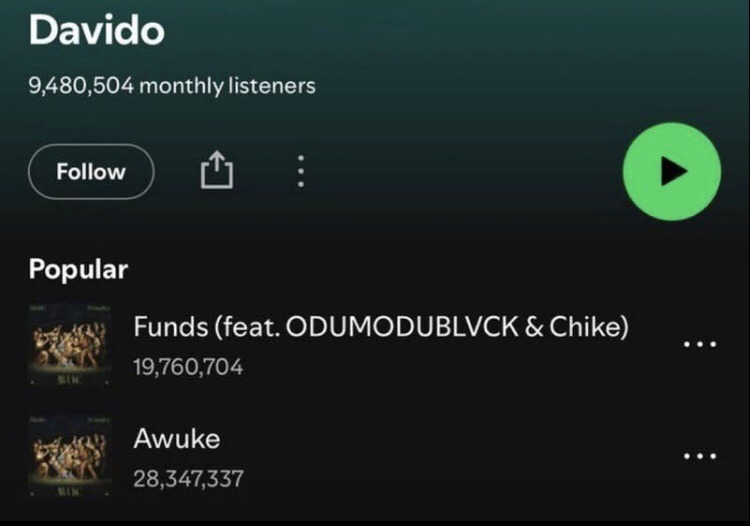
    Before

    Spotify’s decision to remove millions of streams raises some important questions. Over 1.5 million streams were removed from “Funds,” while “Awuke” saw a significant cut of 3 million streams. This is not a common occurrence for major artists, especially one as prominent as Davido.

    One possible explanation is that these streams may have been flagged as part of a practice known as stream farming. Stream farming involves artificially inflating the number of plays on a song through the use of bots or paid listeners. This is something that has become an ongoing issue in the streaming industry as some artists or entities try to boost their numbers to appear more popular or increase their chart standings.

    Spotify Removes Millions of Streams from Davido’s Songs: What Does This Mean for the Artist and the Music Industry?

    For Spotify to take action, it would suggest that there were irregularities in the way these streams were generated. The company uses sophisticated algorithms and detection systems to identify fake streams. By removing these plays, Spotify is working to ensure that only legitimate listens are counted toward an artist’s metrics, protecting the credibility of the platform and the artists who follow the rules.

    The Impact on Davido’s Career
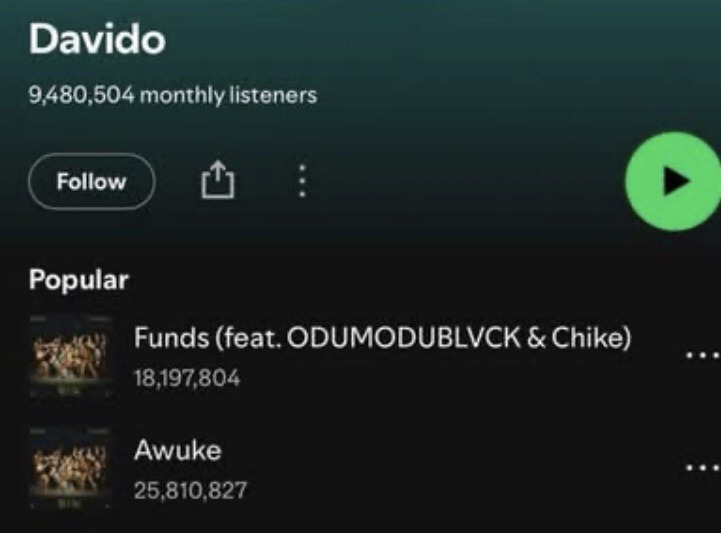
    After

    Davido has been one of the leading figures in Afrobeats, with a massive fanbase known as 30BG (30 Billion Gang). His music has garnered millions of streams worldwide, cementing his position as one of the most influential artists in the genre. While the removal of streams may raise eyebrows, it’s important to consider how this will affect Davido’s standing in the industry.

    Davido’s career is built on years of hard work, incredible talent, and a loyal fanbase. While this incident could cause some temporary embarrassment, it’s unlikely to drastically affect his overall success. His music continues to resonate with millions of fans, and his contribution to Afrobeats is undeniable. The controversy around this may even work in his favor, sparking more attention around his songs.

    The real impact here might be on the credibility of streaming platforms, as they are now more closely scrutinized than ever. The music industry is shifting towards more transparency, and streaming platforms like Spotify are under pressure to ensure fairness in how streams are counted. For artists like Davido, this could mean future efforts to maintain the integrity of streaming numbers.

    Will Fans Defend Davido?

    As expected, the 30BG fanbase has already voiced strong support for their favorite artist. This group has consistently shown fierce loyalty, so it’s no surprise that many believe Davido has been unfairly targeted in this situation. Fans argue that the artist himself may not have been involved in any fraudulent activity, but rather, it could have been done by others—whether bots or third parties—without his direct knowledge.

    Davido’s fans are known for going to great lengths to show support, whether it’s through social media campaigns or buying his albums. With such a dedicated following, this issue is likely to spark more engagement from fans, who will undoubtedly rally behind the artist.

    What Does This Mean for the Music Industry?

    Spotify’s actions send a clear message to the industry: streaming platforms are serious about tackling artificial inflation of streaming numbers. As the music industry becomes more reliant on streaming services for revenue and exposure, these platforms are working to maintain the integrity of their charts and metrics.
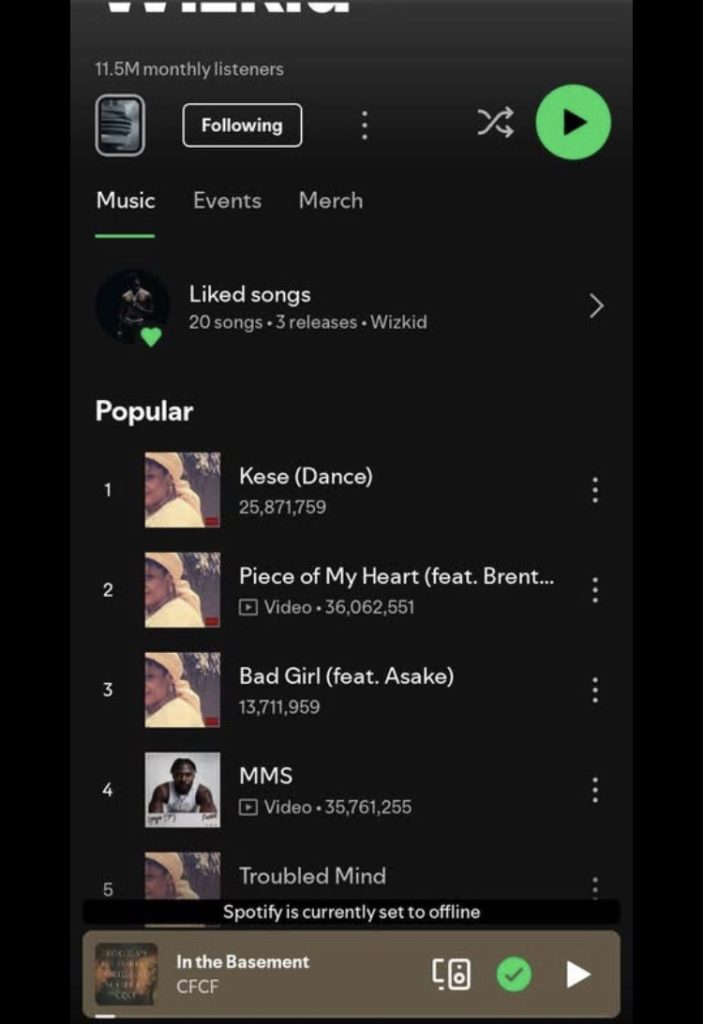
    Spotify Removes Millions of Streams from Davido’s Songs: What Does This Mean for the Artist and the Music Industry?

    The rise of stream farming has raised concerns among artists, labels, and listeners alike. While some see it as a way to manipulate the system, others argue that it’s a symptom of a flawed model that puts too much pressure on numbers rather than the quality of music. For Spotify and other streaming platforms, taking action against stream farming is an attempt to level the playing field, ensuring that the most popular songs are truly reflective of listeners’ preferences, not just the result of artificially inflated numbers.

    What’s Next for Davido?

    As one of the leading voices in Afrobeats, Davido’s music career will likely continue to thrive, regardless of this incident. While this controversy may spark debates about the ethics of stream farming and the role of streaming platforms in regulating their charts, it’s unlikely to change the trajectory of his success. The artist has already proven his resilience in the face of criticism, and his loyal fanbase is always ready to back him up.

    In the coming months, we can expect Davido to continue releasing new music and performing around the world. As the streaming industry evolves, artists like him will likely need to adapt to new standards and practices, but with his talent and support system, he’ll continue to make an impact in the music world.

  • Drake Accuses Universal of Boosting Kendrick Lamar’s Streams Using Bots

    Drake Accuses Universal of Boosting Kendrick Lamar’s Streams Using Bots

    In a significant development within the music industry, Drake has accused Universal Music Group (UMG) of using bots to artificially inflate streaming numbers for Kendrick Lamar’s diss track, Not Like Us. According to Drake, UMG allegedly paid third parties to achieve 30 million Spotify streams shortly after the song’s release. This tactic, he claims, was meant to amplify the track’s visibility and chart performance.

    Related: How Streaming Farms Inflate Play Counts and What It Means for the Music Industry

    UMG has strongly denied these claims, labeling them baseless and affirming its commitment to ethical promotional practices. The controversy has sparked widespread debate, particularly around the transparency of streaming platforms and how they impact artists’ revenues.

    The Debate on Streaming Integrity

    Streaming has revolutionized how music is consumed, but accusations like these highlight ongoing concerns about its fairness. Critics argue that artificially boosting streams undermines organic listener engagement and distorts competition among artists.

    Music expert Catherine Moore from the University of Toronto suggests that identifying bot-generated streams could offer insight into how automated playlists influence track popularity. Such revelations could pressure platforms to adopt stricter measures to ensure streams reflect genuine listener choices.

    Implications for Artists and Fans

    If the allegations hold, smaller artists may face even greater challenges in gaining visibility. Fans, too, may question the authenticity of trending tracks, especially if promotional strategies are not disclosed. For established artists like Drake and Lamar, the stakes involve not only financial gains but also public perception and credibility.

    Related: Understanding Streaming Farms: What They Are, How They Work, and the Risks Involved

    Kendrick Lamar’s Not Like Us has already broken records, becoming a viral hit and earning multiple accolades. However, Drake’s accusations have shifted focus onto the methods behind its success, adding tension to their ongoing rivalry.

  • Drake vs. Kendrick Lamar: Understanding the Legal Dispute Over Not Like Us

    Drake vs. Kendrick Lamar: Understanding the Legal Dispute Over Not Like Us

    The ongoing tensions between Drake and Kendrick Lamar have reached a new peak with a legal filing by Drake concerning Lamar’s track Not Like Us. This situation not only involves accusations of unethical practices but also highlights the competitive nature of the music industry.

    Drake

    Why Is Drake Taking Action?

    Drake’s concerns stem from two key points:

    1. Defamation Claims: Drake alleges that Not Like Us includes lyrics directly attacking his reputation. While artistic rivalries are common in music, defamation lawsuits in this context hinge on whether the lyrics present false statements as facts that harm someone’s reputation.

    2. Unfair Promotion Accusations: In papers filed in New York, Drake’s company, Frozen Moments LLC claims Universal Music Group (UMG) and Spotify manipulated streaming data to favor Not Like Us. Allegedly, bots, paid promotions, and undisclosed financial dealings boosted the song’s popularity. Furthermore, Drake has argued that when users requested his music through voice assistants, they were redirected to Kendrick’s song.

    Universal Music Group’s Response

    UMG, which distributes Kendrick Lamar’s music through its Interscope label, has firmly denied Drake’s allegations. A spokesperson labeled these claims as “offensive” and insisted the company adheres to ethical promotional practices. This response underscores the challenge of proving such allegations in court, especially in an era where streaming data can be opaque.

    Spotify and Lamar have yet to respond.

    What Is Not Like Us?

    Kendrick Lamar’s Not Like Us has quickly become a major hit, debuting at No. 1 on the Billboard Hot 100 and earning Grammy nominations. The song is celebrated for its sharp lyrics and has fueled speculation about its intended targets. Kendrick is known for his thought-provoking, often confrontational style, and this track is no exception.

    Kendrick Lamar

    How Streaming Manipulation Allegations Could Impact the Industry

    If Drake’s accusations hold merit, this case could reshape conversations around streaming practices. Streaming platforms like Spotify and distributors such as UMG face scrutiny over their role in promoting artists. Transparency in how music gains traction on these platforms is crucial to maintain trust between fans, artists, and the industry.

    What Are Pre-Action Filings?

    Drake’s legal move is classified as a “pre-action filing.” This step allows him to request information before filing a formal lawsuit. It signals serious intent but also indicates he may still be gathering evidence. These filings could involve obtaining internal data from UMG and Spotify to verify claims of artificial boosting.

    Related: How Streaming Farms Inflate Play Counts and What It Means for the Music Industry

    The Rivalry Between Drake and Kendrick Lamar

    Drake and Kendrick Lamar have a long-standing rivalry rooted in their distinct approaches to music. Kendrick’s work often challenges societal norms and delves deep into storytelling, while Drake’s music leans heavily on personal experiences and emotional relatability. This clash of styles has made them two of the most influential figures in modern hip-hop.

    What Happens Next?

    While Drake’s filing is not yet a full-fledged lawsuit, it has already sparked widespread discussion. If he proceeds with a lawsuit.

  • Kizz Daniel on Streaming Farms: Authenticity Over Artificial Numbers

    Kizz Daniel on Streaming Farms: Authenticity Over Artificial Numbers

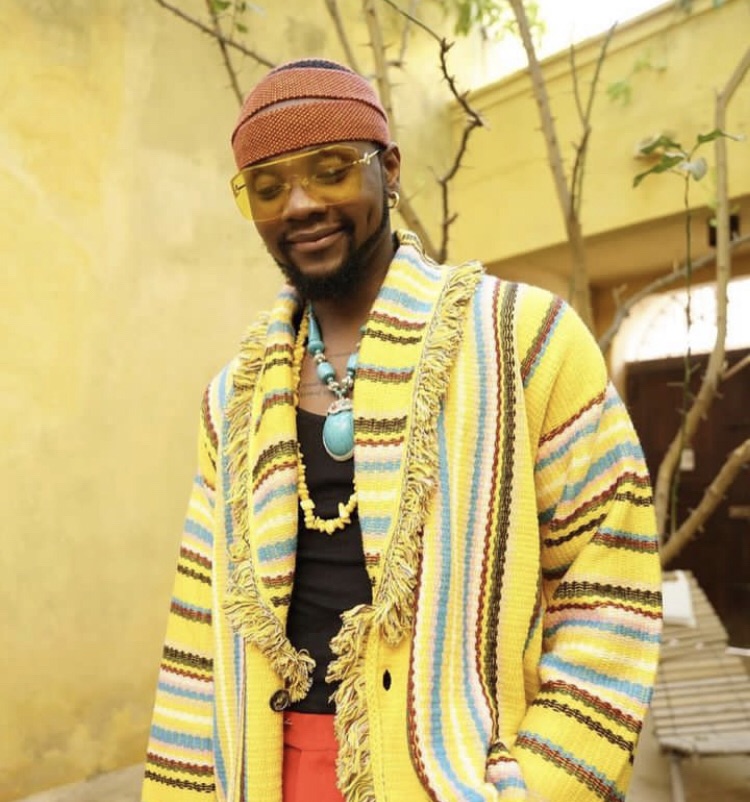
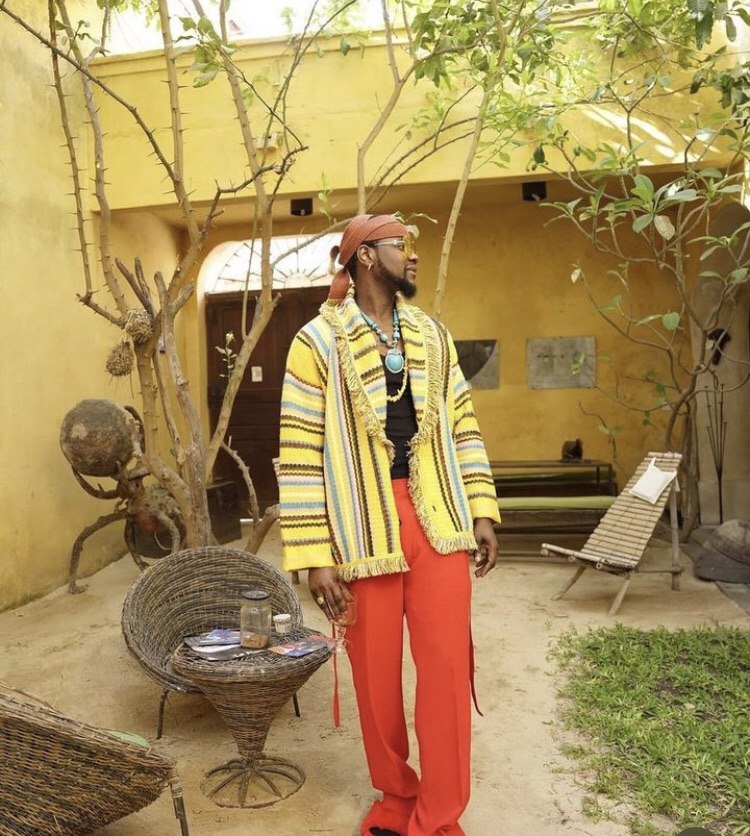
    Streaming farms have been a controversial topic in the music industry, raising questions about authenticity, the value of real engagement, and the ethics of artificially inflating numbers. Kizz Daniel, a prominent Afrobeat artist known for his numerous chart-topping hits, recently addressed this issue, sharing his perspective on the importance of genuine fan interaction and organic growth in music.

    Latest Nigeria celebrity event photos

    What Are Streaming Farms?

    Before diving into Kizz Daniel’s thoughts, it’s essential to understand what streaming farms are. These are setups, often automated, that generate fake streams for songs, boosting numbers on platforms like Spotify, Apple Music, and YouTube. While this may create the illusion of popularity, it undermines the integrity of the music charts and can mislead fans and industry stakeholders.

    Kizz Daniel’s Stance on Streaming Farms

    Kizz Daniel made it clear that he does not support the use of streaming farms. For him, the focus has always been on creating high-quality music that resonates with his audience. He believes that true success comes from genuine listener connections and that artificial methods, such as streaming farms, dilute the essence of artistry.

    Latest Nigeria celebrity event photos

    Kizz Daniel emphasized that his music is crafted to stand the test of time, relying on its quality and appeal rather than inflated numbers. By rejecting shortcuts, he sets an example for artists who may be tempted by quick results but risk their credibility in the long run.

    Why Authenticity Matters in Music

    Authenticity in music isn’t just about maintaining a clean reputation. It’s about building a lasting legacy and fostering genuine relationships with fans. When artists rely on streaming farms, they risk alienating their audience. Fans can often sense when success feels manufactured, and this can lead to a lack of trust.

    Latest Nigeria celebrity event photos

    For Kizz Daniel, authenticity has been a cornerstone of his career. His music, from hits like Woju to more recent tracks, has always connected deeply with listeners. This connection is evident in the organic growth of his fanbase and the global appeal of his sound.

    The Impact of Streaming Farms on the Industry

    Streaming farms don’t just harm individual artists; they distort the entire music ecosystem. Here are a few key issues they create:

    1. Devalued Charts: When fake streams inflate numbers, charts lose their credibility, making it harder for genuinely popular songs to stand out.

    Latest Nigeria celebrity event photos

    2. Unfair Competition: Artists who don’t use streaming farms may struggle to compete with inflated numbers, even if their music is objectively better.

    3. Distrust from Fans: Fans may become skeptical of streaming platforms and artist success when they suspect manipulation.

    For more updates on Kizz Daniel and Afrobeat trends, stay tuned to Anything Celebrity.