Tag: music review

  • Chris Brown Makes History by Selling Out Africa’s Largest Stadium

    Chris Brown Makes History by Selling Out Africa’s Largest Stadium

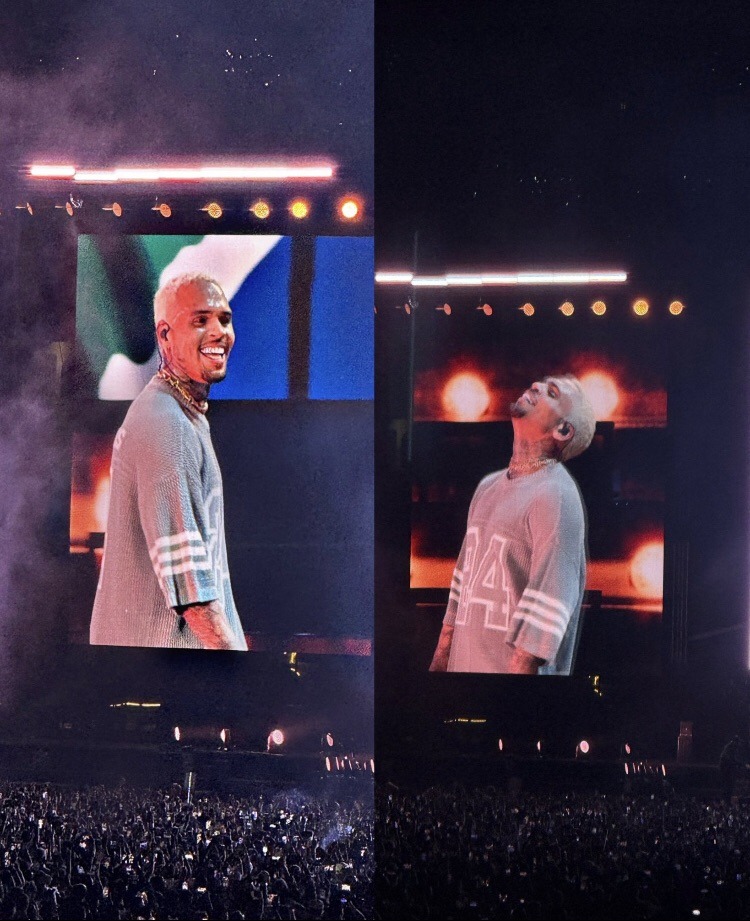
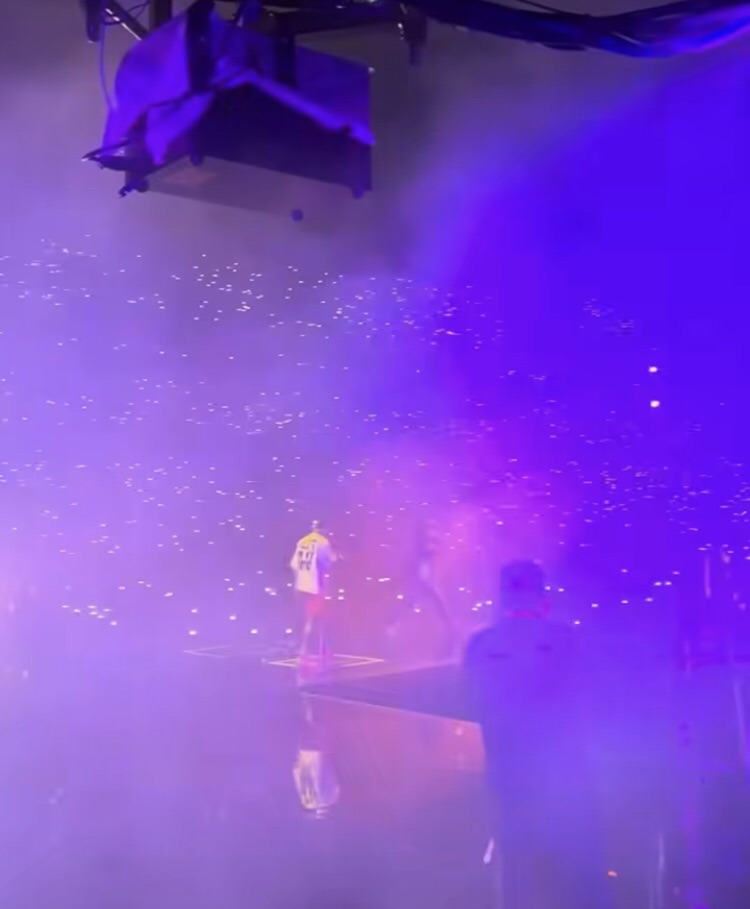
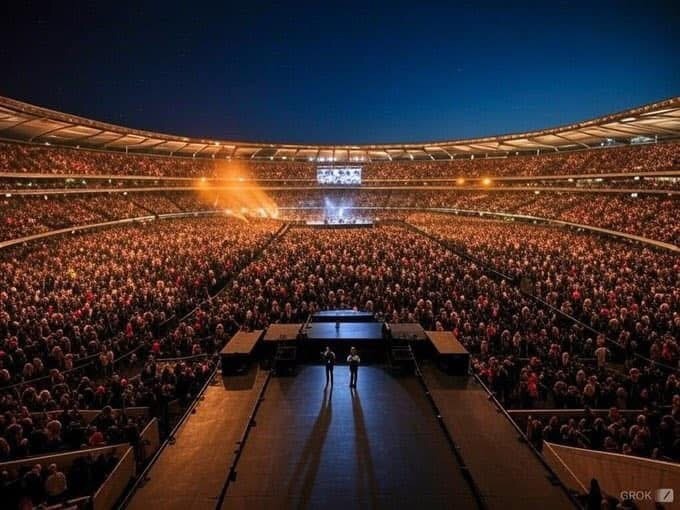
    Chris Brown has once again proven why he remains one of the most celebrated global music icons. His show at the FNB Stadium in Johannesburg, South Africa, drew over 94,000 fans, making it a historic moment in African entertainment. The FNB Stadium, often recognized as Soccer City, is the largest stadium on the continent, and filling it to capacity is no small feat.

    Latest  celebrity event photos

    This remarkable achievement highlights not only Chris Brown’s widespread appeal but also his deep connection with fans across Africa. The energy surrounding the event speaks volumes about his influence and the unwavering loyalty of his audience.

    The Significance of the FNB Stadium

    Located in Johannesburg, the FNB Stadium is a symbol of cultural and historical importance. It’s not just a venue for sports and concerts; it’s a place that has hosted some of the most significant events in African history, including the 2010 FIFA World Cup final and Nelson Mandela’s memorial service.

    Latest  celebrity event photos

    For an artist to sell out this iconic stadium, they must command extraordinary popularity. Chris Brown joins a select group of global stars who have accomplished this, solidifying his legacy in the music world.

    Chris Brown’s Impact on African Music Fans

    Chris Brown has long been embraced by fans in Africa. His music transcends borders, blending R&B, pop, and hip-hop into a style that resonates deeply with listeners on the continent. Over the years, his collaborations with African artists, such as Wizkid on “Call Me Every Day,” have further endeared him to the region.
    Latest  celebrity event photos

    The sold-out FNB Stadium show is a reflection of this strong connection. Fans traveled from across South Africa and neighboring countries to witness the performance, creating a memorable night filled with excitement and admiration for the superstar.

    Why This Moment Matters

    The concert’s success represents more than just impressive ticket sales. It underscores Africa’s growing role as a major player in the global entertainment industry. International artists are increasingly recognizing the continent’s potential, choosing to perform in cities like Johannesburg, Lagos, and Accra.

    For African fans, these events are opportunities to experience world-class performances without traveling abroad. For artists like Chris Brown, it’s a chance to connect with a vibrant and passionate audience that appreciates their work.

    Latest  celebrity event photos

    A Milestone for African Concert Culture

    Chris Brown’s FNB Stadium concert also highlights the evolution of concert culture in Africa. From production quality to audience engagement, the standards for live events continue to rise. The success of this event sets the stage for more international acts to consider performing in Africa’s premier venues.

    As fans left the stadium with memories of a lifetime, it became clear that this was more than just a concert. It was a celebration of music’s ability to unite people, regardless of geography or background.

  • Pharrell Williams on the Emotional Toll of Creating “Happy”

    Pharrell Williams on the Emotional Toll of Creating “Happy”

    Pharrell Williams’ global hit “Happy” is widely known for its infectious energy and feel-good vibe, but behind the scenes, the process of writing this song took an unexpected emotional toll on the artist.

    Pharrell Williams Instagram photo
    Pharrell Williams Instagram photo

    In a candid interview, Pharrell shared that creating “Happy” was more than just another studio session—it was an experience that left him feeling drained. This stark contrast between the song’s upbeat rhythm and its origin adds a deeper layer to its story, making it all the more fascinating.

    The Story Behind the Hit

    Williams was tasked with composing a soundtrack for Despicable Me 2, and after several rejected songs, he found himself stuck. Struggling to come up with something that worked, Pharrell decided to approach the challenge with a sense of sarcasm. He asked himself how he could write about a character who was so happy that nothing could ever bring them down. The irony of this thought sparked the idea for what would become “Happy.”

    This unconventional approach led to the creation of a song that would eventually dominate the airwaves. But for Pharrell, the process of getting there wasn’t easy. In his own words, “It broke me,” as the journey towards crafting this track came with its own set of emotional highs and lows.

    “Happy” as a Turning Point

    When “Happy” was released in 2013, it quickly became more than just a movie soundtrack. The song’s catchy chorus and positive message resonated with audiences worldwide. It went on to top the Billboard Hot 100 for 10 consecutive weeks, became one of the best-selling singles of 2014, and is often cited as one of the defining songs of the decade.

    However, the commercial success didn’t reflect the emotional cost it took to get there. Pharrell admitted that he wasn’t always sure the song would work. In fact, his initial attempts at writing tracks for Despicable Me 2 didn’t hit the mark, with several versions being rejected. It wasn’t until he embraced a less serious, almost sarcastic mindset that the magic happened.

    Pharrell Williams Instagram photo
    Pharrell Williams Instagram photo

    The Legacy of “Happy”

    Despite its challenging creation, “Happy” is now cemented in music history. With over 13 million copies sold worldwide, it remains one of the most played songs of the 2010s. In the UK alone, it became the most-played song on British radio throughout the decade, an achievement that speaks volumes about its cultural impact.

    While fans may forever associate “Happy” with good vibes, Pharrell’s behind-the-scenes struggles offer a reminder that even the most joyful creations can come from complex, sometimes difficult places. His candid reflection on the experience highlights the pressures of creativity, and how even the brightest moments in an artist’s career may carry unseen weight.

    Why Pharrell’s Journey Matters

    Pharrell Williams Instagram photo

    Pharrell’s story of “Happy” is more than just a tale about a song. It’s a testament to the unpredictability of the creative process. Many artists, musicians, and writers face similar struggles when trying to produce something meaningful, often pushing themselves to their emotional limits. Pharrell’s ability to channel frustration into creativity shows how perseverance and even a sense of humor can lead to breakthrough moments.

    For those curious about the realities behind their favorite songs, this story provides valuable insight. Pharrell’s vulnerability in sharing this experience opens up a conversation about the often unseen challenges artists face, even when creating something as joyful as “Happy.”

    The Lasting Impact

    Today, Pharrell continues to thrive as a music producer, fashion designer, and cultural icon, but “Happy” remains one of his most iconic achievements. It reminds us of how music can transcend its origins, becoming something larger than life. While the song’s upbeat nature may define it for most listeners, the story behind it reveals much more about the depth and complexity of the creative process.

    By sharing the emotional cost of writing “Happy,” Pharrell has given fans a rare glimpse into the highs and lows of artistry. This duality—the joy that “Happy” brings and the emotional struggle it took to create—is what makes the song and Pharrell’s journey all the more compelling.

  • J. Cole and Kendrick Lamar: Why Cole Avoided a Feud That Could Have Changed Hip-Hop

    J. Cole and Kendrick Lamar: Why Cole Avoided a Feud That Could Have Changed Hip-Hop

    The rap industry is no stranger to rivalries, and a potential feud between J. Cole and Kendrick Lamar could have become one of the most significant clashes in recent years. However, J.Cole made a conscious decision to step back from escalating tensions with Lamar, a move that surprised many fans.

    J. Cole Instagram photo

    In his new song, Port Antonio, Cole explains his reasons for avoiding the controversy, shedding light on the pressures behind the scenes and his priorities as an artist.

    J. Cole’s Perspective on the Potential Feud

    J. Cole has always been an introspective and thoughtful artist, focusing on authenticity over showmanship. When rumors started to swirl about a potential conflict between him and Kendrick Lamar, Cole recognized the desire from some corners of the media and fans for “blood” — a term he used to describe how people hoped for a dramatic and explosive battle between the two rap icons.

    In Port Antonio, J. Cole reflects on these pressures, stating that many wanted the feud to generate clicks and increase engagement for financial gain. This is common in hip-hop, where conflict often drives attention. However, Cole saw a different outcome if he had pursued the feud: while it could have generated buzz, it also would have damaged his relationship with Lamar. He emphasizes that he wasn’t avoiding a lyrical confrontation out of fear of losing but out of a desire to preserve personal connections.

    What Would the Feud Have Looked Like?

    The rumored conflict reportedly began when Lamar dissed J. Cole and Drake on a track, sparking Cole’s response. However, Cole decided not to release his retaliation, explaining in his latest track that he “pulled the plug” when he realized the situation could have serious repercussions beyond music.

    J. Cole
    J. Cole Instagram photo

    Cole highlights the dangers of these types of conflicts, not only for the individuals involved but also for the wider culture. He noted that while many may have wanted to see him “prove” himself against Lamar, doing so would have cost him more than just a victory or defeat in the battle—it could have resulted in a lasting grudge between two of the most respected voices in the genre.

    Why J. Cole Chose Peace Over Publicity

    J. Cole’s approach to the potential feud shows a level of maturity that isn’t always seen in the music industry. In Port Antonio, he reflects on how the industry can exploit conflicts for profit, and he chose not to be a part of that. He realized that engaging in a public beef would have benefited those looking for drama more than it would have benefited him or Kendrick Lamar. As Cole puts it, he would have gained a foe and lost a friend—all for the approval of people who didn’t truly understand his goals.

    By backing away from the conflict, J. Cole has shown that his artistry is more important to him than temporary hype. His decision reinforces his reputation as someone who prioritizes relationships, substance, and the bigger picture over fleeting moments of fame. This choice may not have satisfied those who wanted to see him and Lamar clash, but it has earned him even more respect from fans who appreciate the integrity he brings to his music.

    The Bigger Picture: What This Means for Hip-Hop

    J. Cole Instagram photo
    J. Cole Instagram photo

    J. Cole’s decision not to engage with Kendrick Lamar in a feud speaks volumes about the current state of hip-hop. While beefs have always been a part of the culture, there is a growing recognition that not all conflicts need to play out publicly. Artists like J. Cole are proving that it’s possible to maintain authenticity and competitive spirit without resorting to personal attacks or feeding into narratives created by the media.

    By addressing the situation directly in his music, J. Cole offers fans a rare glimpse into the pressures he faces as an artist in a highly competitive industry. His decision to step back from conflict with Lamar reflects a broader trend in hip-hop toward more thoughtful and strategic choices, rather than the reactive and sensationalized drama that often dominates headlines.

  • Is Ajebo Hustlers biological brothers?

    Is Ajebo Hustlers biological brothers?

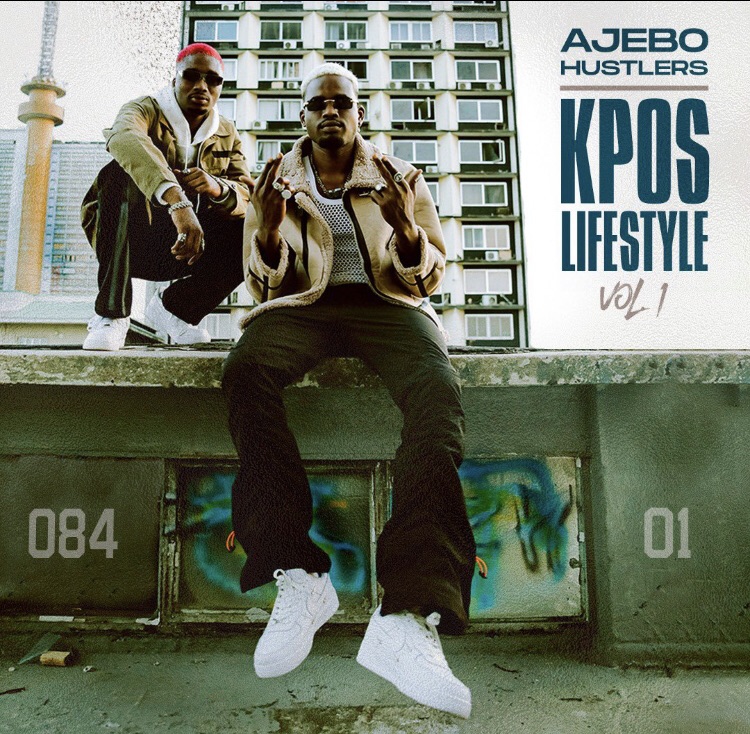
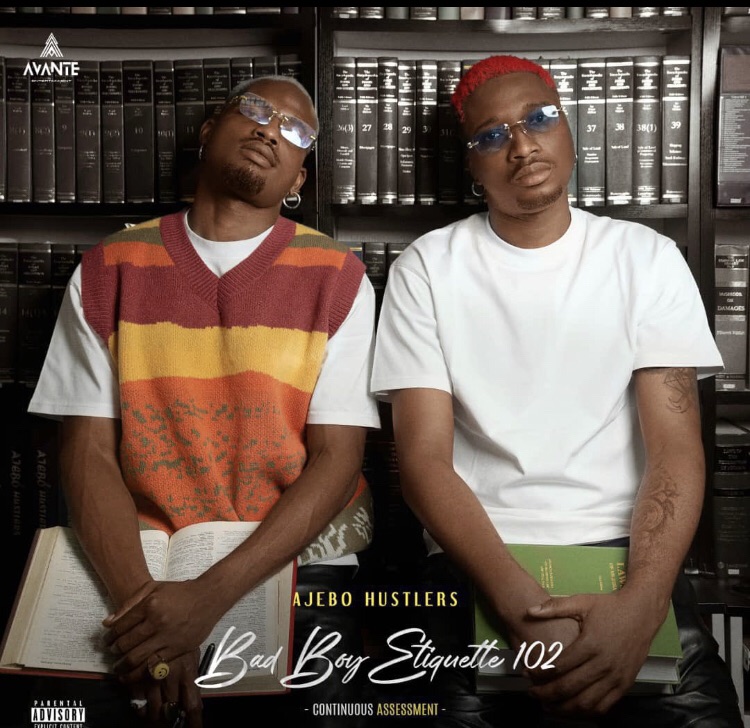
    No they are not biological brothers, in the vibrant and ever-evolving landscape of Nigerian music, few acts have made as significant an impact as the Ajebo Hustlers. Comprising Knowledge (George Dandeson) and Piego (Isaiah Precious), this dynamic duo has taken the industry by storm with their unique sound and captivating performances. Despite their brother-like chemistry, it might surprise many fans to learn that the Ajebo Hustlers are not biological brothers but rather close friends united by their passion for music.

    Is Ajebo Hustlers biological brothers?
    Ajebo Hustlers Instagram photo

    Who are the Ajebo Hustlers?

    The Ajebo Hustlers, hailing from Port Harcourt, Nigeria, have carved out a niche for themselves with their Afrobeat-infused sound that blends elements of highlife, reggae, and contemporary pop. Their music, characterized by catchy melodies and relatable lyrics, resonates deeply with audiences both in Nigeria and beyond. Songs like “Barawo,” which addresses societal issues, and “Symbiosis,” a feel-good track, showcase their versatility and commitment to meaningful storytelling.

    Is Ajebo Hustlers biological brothers?
    Ajebo Hustlers Instagram photo

    The questions people normally ask is if Ajebo Hustlers are biological brothers.

    But the answer is Ajebo Hustlers are not biological brothers but musical brothers

    Is Ajebo Hustlers biological brothers?

    A common misconception about the Ajebo Hustlers is that they are biological brothers. In reality, Knowledge and Piego are friends who share a deep bond, akin to that of brothers. This close relationship is evident in their seamless collaboration and the natural chemistry they exhibit both on and off the stage. Their partnership, founded on mutual respect and a shared vision for their music, has proven to be a powerful driving force behind their success.

    The Rise to Fame

    The journey of the Ajebo Hustlers is one of perseverance and hard work. They began their musical career performing in local shows and steadily built a loyal fan base. Their breakthrough came with the release of several hit singles that caught the attention of music lovers and industry stakeholders alike. Their ability to address social issues while delivering infectious tunes has set them apart in the crowded Nigerian music scene.

    Is Ajebo Hustlers biological brothers?
    Ajebo Hustlers Instagram photo

    The Ajebo Hustlers’ Unique Sound

    What truly distinguishes the Ajebo Hustlers is their ability to blend various musical influences to create a sound that is distinctly their own. Their songs often feature a mix of local dialects and English, reflecting the rich cultural tapestry of Nigeria. This linguistic versatility, coupled with their innovative approach to Afrobeat, makes their music both accessible and refreshing.

    Impact and Future Prospects

    The Ajebo Hustlers are not just musicians; they are cultural ambassadors who use their platform to inspire and uplift. Their music often addresses pertinent societal issues, sparking conversations and encouraging positive change. As they continue to rise in prominence, the duo shows no signs of slowing down. With several chart-topping hits and numerous awards to their name, the future looks incredibly bright for the Ajebo Hustlers.

    Is Ajebo Hustlers biological brothers?
    Ajebo Hustlers Instagram photo

    Their cultural heritage and background

    Ajebo Hustlers, consisting of Knowledge (George Dandeson) and Piego (Isaiah Precious), hail from Nigeria. While specific details about their cultural backgrounds and tribes might not be readily available, they originate from Port Harcourt, which is in the Niger Delta region of Nigeria. In Nigeria, the population is diverse, with over 250 ethnic groups, each with its own distinct cultural heritage and language. Port Harcourt itself is a melting pot of various ethnicities, including the Igbo, Ijaw, and Ikwerre peoples, among others. Therefore, it’s possible that the members of Ajebo Hustlers belong to one of these ethnic groups, but without explicit information from the artists themselves, it’s challenging to determine their precise cultural backgrounds.

    Is Ajebo Hustlers biological brothers?
    Ajebo Hustlers Instagram photo

    How can I differentiate between knowledge and piego

    Certainly! Knowledge (George Dandeson) is known for his rap prowess, delivering sharp and insightful verses that showcase his lyrical dexterity and storytelling ability. On the other hand, Piego (Isaiah Precious) is recognized for his melodic vocals and soulful singing, adding depth and emotion to the duo’s tracks. So, while both members contribute to the overall sound of Ajebo Hustlers, Knowledge stands out as the rapper, while Piego takes on the role of the vocalist. Their distinct styles complement each other seamlessly, creating a harmonious blend that has become synonymous with the Ajebo Hustlers’ signature sound.

    In the realm of Nigerian music, the Ajebo Hustlers have proven that talent, hard work, and a strong partnership can lead to remarkable success. Though not biological brothers, Knowledge and Piego have created a brotherhood through music that transcends familial ties. As they continue to innovate and inspire, there is no doubt that the Ajebo Hustlers will remain a formidable force in the industry for years to come.

    Is Ajebo Hustlers biological brothers?
    Ajebo Hustlers Instagram photo

    For fans and aspiring musicians alike, the story of the Ajebo Hustlers serves as a testament to the power of friendship, collaboration, and the unyielding pursuit of one’s dreams. Keep an eye on this incredible duo as they continue to shape the future of Nigerian music.

  • Kendrick Lamar Dominates the 2024 BET Hip Hop Awards: A Look at His Unstoppable Success

    Kendrick Lamar Dominates the 2024 BET Hip Hop Awards: A Look at His Unstoppable Success

    Kendrick Lamar’s impact on the 2024 BET Hip Hop Awards was undeniable. With eight trophies in his collection, including Artist of the Year and Song of the Year, Lamar’s musical genius continues to set him apart.

    The Not Like Us artist was nominated for a total of eleven awards.

    The ceremony in Las Vegas, which was hosted by Fat Joe for the third consecutive year, really happened last week, but it was broadcasted on Tuesday night. Other noteworthy victories were Missy Elliott for best live performance, Nicki Minaj for hip-hop album of the year, and Sexyy Red for breakthrough hip-hop artist. The ceremony honours black entertainment, and the awards are a spin-off of the main BET Awards.

    These victories are a testament to his ability to stay relevant in the competitive hip-hop scene while consistently delivering tracks that resonate on a deep level.

    Travis Scott, the producer of the song “Highest in the Room,” was also honoured with the I Am Hip Hop award, which acknowledged his more than ten years of work as an artist and producer.

    Kendrick Lamar Dominates the 2024 BET Hip Hop Awards: A Look at His Unstoppable Success
    Travis Scott was honoured for his work in the industry

    “I’ve always had this idea and vision still to this day to take the sound, and take things to the next level,” the 10-times Grammy Award nominee said while accepting his prize.

    “I’m just so glad that we made it this far. I want to let everybody know where you come from doesn’t really matter, what goes on in your brain can take you to the next level and beyond.”

    50 Cent also picked up hustler of the year, with the star recently announcing his first residency in Las Vegas. 

    There were also live performances from Trina, Yung Miami, Juicy J, and 2 Chainz.

    The full list of winners:

    Best hip hop video: Kendrick Lamar – Not Like Us

    Best collaboration: Metro Boomin, Future, Kendrick Lamar – Like That

    Best duo or group: Future and Metro Boomin

    Best live performer: Missy Elliott

    Lyricist of the year: Kendrick Lamar

    Video director of the year: Dave Free and Kendrick Lamar

    Song of the year: Kendrick Lamar – Not Like Us

    Hip Hop album of the year: Nicki Minaj – Pink Friday 2

    Hip Hop artist of the year: Kendrick Lamar

    Best breakthrough Hip Hop artist: Sexyy Red

    Hustler of the year: 50 Cent

    Sweet 16: Best featured verse: Kendrick Lamar – Like That (Future, Metro Boomin and Kendrick Lamar)

    Impact track: Kendrick Lamar – Not Like Us

    Best international flow: Ghetts 

    I Am Hip Hop Award: Travis Scott

    Producer of the year: The Alchemist

    Best hip hop platform – Club Shay Shay

    Kendrick Lamar Dominates the 2024 BET Hip Hop Awards: A Look at His Unstoppable Success
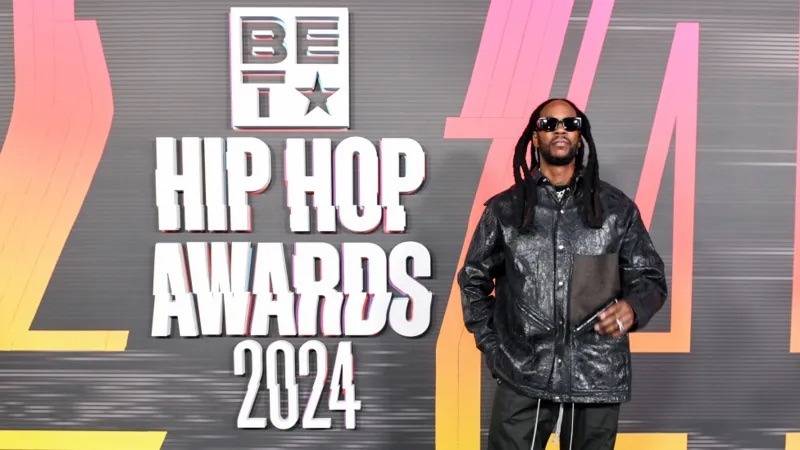
    2 Chainz performed at the awards ceremony in Las Vegas

    DJ of the year – The Alchemist

    How Kendrick Lamar Stole the Show at the 2024 BET Hip Hop Awards

    This year’s BET Hip Hop Awards was a celebration of the genre’s top talents, and Kendrick Lamar stood out once again. His track “N95” won Song of the Year, a clear indicator of his skill in blending sharp lyricism with compelling beats. He also took home the prestigious Artist of the Year award, affirming his influence and artistry.

    In addition, Lamar’s album Mr. Morale & the Big Steppers earned him Album of the Year, a fitting recognition for a project that explores personal struggles and social issues in ways few other artists manage. The album’s emotional depth and cultural relevance have connected deeply with audiences, making it a standout in his discography.

    Why Kendrick Lamar’s Wins Matter

    Lamar’s clean sweep at the awards wasn’t just about trophies; it symbolized his continued dominance in hip hop. As an artist who has consistently challenged societal norms and delivered thought-provoking content, his success at the 2024 BET Hip Hop Awards reinforces his role as a voice for the people.

    What makes Lamar’s artistry unique is his ability to evolve without compromising his core values. He has mastered the craft of storytelling, weaving his experiences with broader societal themes, ensuring each release hits hard with his audience. This balance of personal and political has allowed him to stand out, keeping him at the forefront of the genre.

    Kendrick’s Legacy in Hip Hop

    Kendrick Lamar Dominates the 2024 BET Hip Hop Awards: A Look at His Unstoppable Success
    Kendrick Lamar was up for 11 awards

    Over the years, Kendrick Lamar has cemented his legacy as one of hip hop’s greatest. From his early work on good kid, m.A.A.d city to the critically acclaimed DAMN., he has continually pushed boundaries. His 2024 BET Hip Hop Awards wins are yet another milestone in a career filled with accolades.

    Fans and critics alike are drawn to his thought-provoking lyrics and fearless commentary on issues like race, identity, and inequality. Kendrick is not just a rapper; he is a storyteller who uses his platform to provoke discussion and inspire change. His work serves as a reminder of hip hop’s roots, where music is not only entertainment but also a tool for social commentary.

    What’s Next for Kendrick Lamar?

    As Kendrick Lamar continues to rake in awards, the question on everyone’s mind is: what’s next? His creative output shows no signs of slowing down, and fans eagerly await his next move. With each release, Lamar continues to set the bar higher, leaving many to wonder how he will top his recent successes.

    Given his track record, it’s clear that Kendrick Lamar will remain a central figure in the hip-hop landscape for years to come. His achievements at the 2024 BET Hip Hop Awards not only celebrate his past but also hint at an exciting future.

    Final Thoughts on Kendrick Lamar’s 2024 BET Hip Hop Awards Success

    Kendrick Lamar’s eight wins at the 2024 BET Hip Hop Awards solidified his place in hip hop history. His ability to blend sharp lyricism, cultural awareness, and artistic integrity has kept him at the top of the game. As fans, we can only wait and see what this hip-hop icon will deliver next, but one thing is certain: Kendrick Lamar’s influence isn’t fading anytime soon.

  • Rema Receives a Traditional Māori Welcome in New Zealand: A Global Star Meets Indigenous Culture

    Rema Receives a Traditional Māori Welcome in New Zealand: A Global Star Meets Indigenous Culture

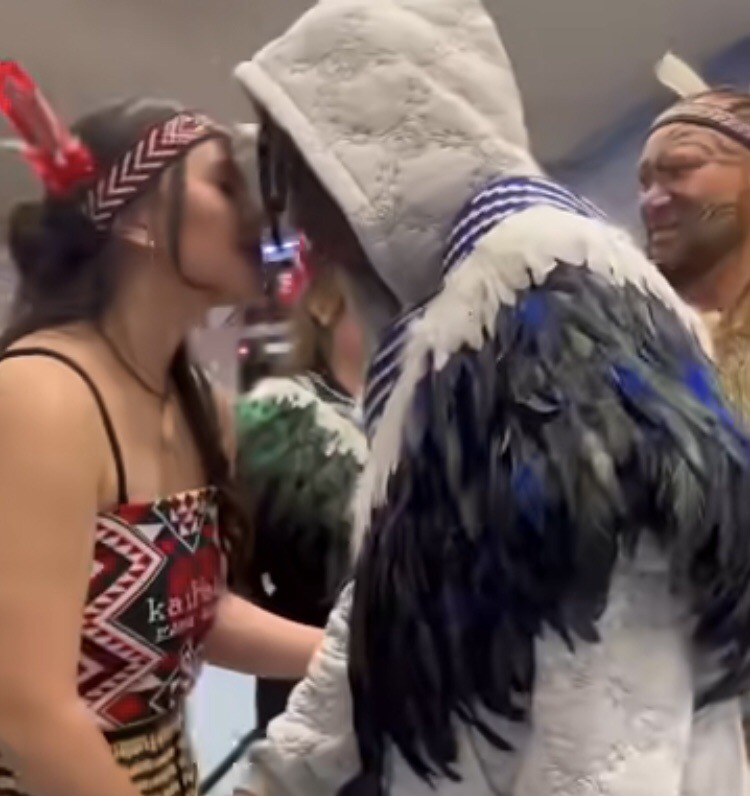
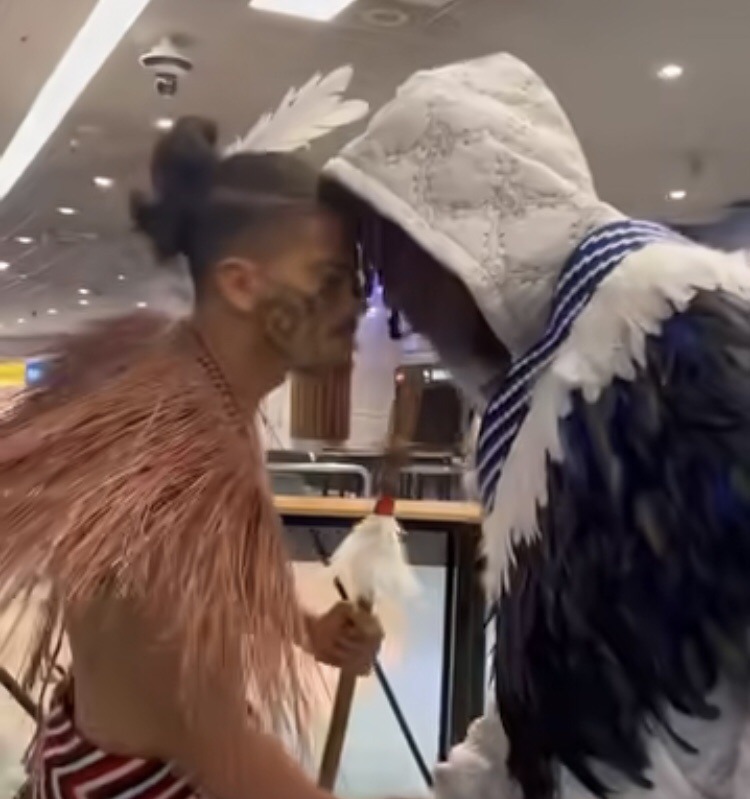
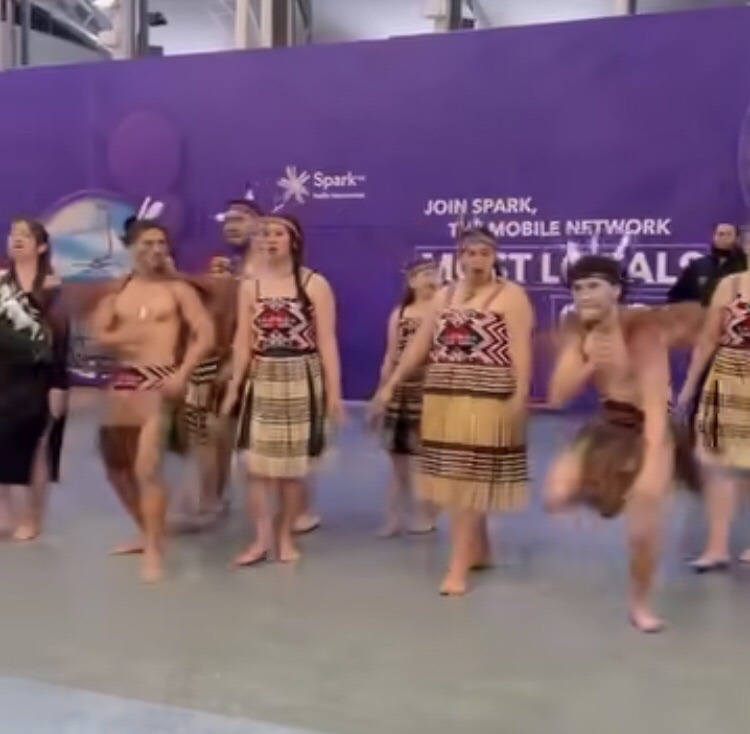
    Nigerian Afrobeat sensation Rema continues his global dominance, making waves in New Zealand where he was given a traditional pōwhiri, a Māori ceremony of welcome, ahead of his headline performance.

    As one of the key faces of Afrobeat’s rise on the global stage, Rema’s warm reception in New Zealand highlights not just his influence but also the cultural bridges music continues to build across continents.

    Rema Instagram photo
    Rema Instagram photo

    What Is a Pōwhiri?

    A pōwhiri is a formal welcome rooted in Māori tradition. It begins with a karanga (call) by the hosts to acknowledge and invite the visitors onto the marae (meeting grounds). This call is often answered by the visitors to show respect. The visitors are then guided onto the marae in a procession that reflects the Māori emphasis on unity and remembrance. The ceremonial part typically includes speeches, songs, and the exchange of greetings, concluding with the hongi—the touching of noses, a gesture that symbolizes the sharing of breath between the hosts and the guests.

    Rema Instagram photo
    Rema Instagram photo

    For Rema, this ceremony was not just a formal greeting but an opportunity to connect with the indigenous Māori culture. Such a welcome is usually reserved for distinguished visitors, further proving the global recognition of his talent.

    The Significance of Rema’s Visit to New Zealand

    Rema’s headline performance in New Zealand marks a significant moment for both him and the country. New Zealand is increasingly becoming a popular destination for Afrobeat artists, with a growing fan base that is drawn to the genre’s energetic beats and universal messages. By receiving a pōwhiri, Rema was welcomed not just as a performer but as a respected guest, an honor that underscores the deep appreciation for his music in the country.

    Rema Instagram photo
    Rema Instagram photo

    The pōwhiri highlights how music can transcend borders and foster mutual respect between different cultures. In Rema’s case, the warm welcome symbolizes the merging of African and Māori traditions, creating a powerful moment of cultural exchange. It’s a testament to how music, especially Afrobeat, continues to unite people from different parts of the world.

    The Global Appeal of Afrobeat

    Afrobeat’s rise is undeniable, and Rema is one of the leading figures of this movement. His hit tracks like “Calm Down” have found audiences far beyond Africa, resonating with listeners in every corner of the world. Afrobeat’s infectious rhythms and compelling lyrics make it a genre that crosses language barriers, and Rema’s distinctive sound has made him a favorite not just in Nigeria but globally.

    His tour through regions like New Zealand shows that Afrobeat is no longer confined to specific geographic areas—it’s a global phenomenon. Fans in countries as far as New Zealand have embraced the genre, and Rema’s warm welcome there is evidence of his far-reaching impact.

    Māori Culture and Music: A Perfect Blend of Traditions

    What makes this welcome even more significant is the connection between African and Māori traditions, both of which are deeply rooted in oral history, music, and storytelling. The Māori pōwhiri and African ceremonial traditions share commonalities, particularly in the way they honor guests through song, performance, and the passing down of cultural heritage.

    Rema Instagram photo
    Rema Instagram photo

    For Rema, experiencing a traditional Māori welcome is more than just a part of his tour—it’s an opportunity to engage with another culture’s deep respect for history and community. This blend of Afrobeat’s modern beats with the ancient rituals of the Māori reflects the universal language of music.

    Rema’s Rising Influence on the World Stage

    This event in New Zealand is another milestone in Rema’s rapidly growing career. From Nigeria to New Zealand, his influence is expanding as more people connect with his music. Being welcomed with a pōwhiri shows how Afrobeat is influencing not only the charts but also cultural exchanges worldwide. As one of the youngest and brightest stars of his generation, Rema’s journey is just beginning, and moments like this are a clear indicator of his growing significance on the global stage.

  • Davido, Burna Boy, and Wizkid Perform Together at Oando PLC End-of-Year Party: A Night to Remember

    Davido, Burna Boy, and Wizkid Perform Together at Oando PLC End-of-Year Party: A Night to Remember

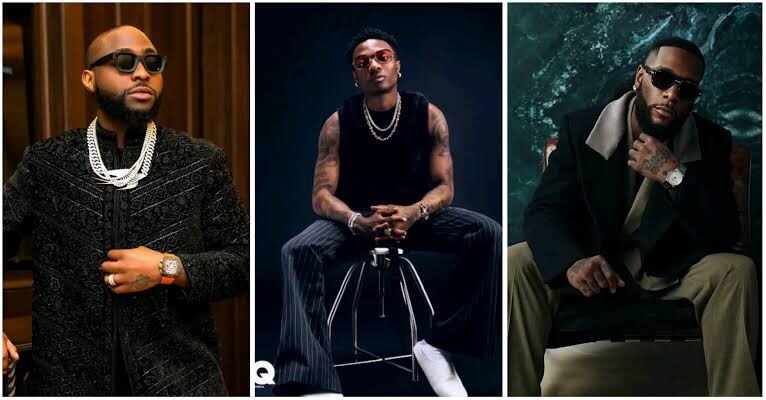
    In an unexpected and thrilling turn of events, three of Nigeria’s biggest music stars—Davido, Burna Boy, and Wizkid—graced the same stage at the Oando PLC end-of-year party held in Lagos, Nigeria. Fans who attended witnessed an extraordinary night filled with electrifying performances from the iconic trio, fondly referred to as the “Big 3” of Afrobeats.

    A Performance That Made History

    For years, fans of these global superstars have debated the possibility of them performing together. Despite their individual successes and differences, this event brought them together, showing the unifying power of music and, of course, the influence of a significant paycheck.

    Latest Nigeria celebrity event photos

    Reports suggest that Davido was paid an astonishing 2.8 billion Naira for his appearance, followed by Burna Boy with 1.7 billion Naira, and Wizkid earning 1.4 billion Naira. These figures not only highlight the star power of these artists but also reflect the value they bring to corporate events and the global entertainment industry.

    What Made This Event So Special?

    1. The Artists’ Repertoire

    Each of the Big 3 performed their greatest hits, turning the party into a night of celebration and nostalgia for their fans. From Davido’s chart-topping tracks like “Unavailable” to Burna Boy’s international anthem “Last Last” and Wizkid’s Grammy-nominated “Essence,” the energy in the room was palpable.

    2. Unity in Diversity

    While their fans often debate who the greatest is among them, this event proved there’s enough space for all three to shine. Their combined stage presence and performances showcased the strength of collaboration, even when competition exists.

    3. Cultural and Global Impact

    These artists are not just Nigerian icons but global ambassadors of Afrobeats. Their ability to share the same platform elevates the genre to new heights, demonstrating its growing influence worldwide.

    How Did Oando Pull This Off?

    Latest Nigeria celebrity event photos

    Oando PLC’s decision to book Davido, Burna Boy, and Wizkid for the same event was a strategic move. The company’s investment reflects its commitment to creating unforgettable experiences for its stakeholders. It’s clear that music remains a powerful tool for fostering connections, and securing these three legends was a way to end the year on a high note.

    The Big Question: Will This Happen Again?

    Now that fans have seen the Big 3 on the same stage, many are wondering if this will become a recurring spectacle. While the hefty payments might limit how often this can happen, this performance has set a precedent. Event organizers, brands, and even fans will be looking forward to similar collaborations in the future.

    The Legacy of the Big 3

    Davido, Burna Boy, and Wizkid have redefined what it means to be an African artist on the global stage. Their music transcends borders, and their performances continue to captivate audiences worldwide. This event will go down in history as a moment that highlighted their collective impact while celebrating their individual brilliance.

    Whether you’re Team Davido, Team Burna Boy, or Team Wizkid, one thing is certain—this was a night for the history books. The Oando PLC end-of-year party wasn’t just a corporate event; it was a celebration of music, culture, and the unifying power of the Afrobeats genre.

  • Jada Pollock Speaks Out: Why She’s More Than Just Wizkid’s “Baby Mama”

    Jada Pollock Speaks Out: Why She’s More Than Just Wizkid’s “Baby Mama”

    Jada Pollock, often referred to as Wizkid’s baby mama, is tired of being boxed into that single title. She wants the world to know that her role in Wizkid’s life goes far beyond being the mother of his children. As his longtime manager and partner, Jada has been instrumental in shaping the global success of one of Nigeria’s biggest musical icons.

    Who Is Jada Pollock?

    Jada Pollock, also known as Jada P, is an accomplished talent manager with years of experience in the entertainment industry. Before her connection with Wizkid, she worked with high-profile clients, including international artists like Akon and Chris Brown. Her career path gave her the tools and connections to guide Wizkid’s journey from being a local superstar to becoming an international sensation.

    A Manager Turned Life Partner

    Jada started as Wizkid’s manager, but their professional relationship eventually blossomed into a personal one. Their bond has led to the birth of two children and a strong partnership both in life and in business.

    Latest Nigeria celebrity event photos

    While many know her as the mother of Wizkid’s kids, Jada wants to be recognized for the significant role she plays in his career. She has helped craft his brand, negotiate major deals, and position him as a leading figure in the global music industry.

    In her own words:

    “I am titled everywhere as Wizkid’s baby-mama, but I’m also his manager, and I’ve helped to build a legacy that shall stand the test of time.”

    Jada’s Role in Wizkid’s Career

    Wizkid’s rise to global stardom didn’t happen overnight. It required strategic planning, brand positioning, and an understanding of the music industry on a global scale. These are areas where Jada’s expertise has been invaluable.

    From securing collaborations with artists like Drake to orchestrating Wizkid’s international tours, Jada has been deeply involved in the decision-making process. She understands what it takes to keep Wizkid relevant in a highly competitive industry.

    Why Does the “Baby Mama” Label Bother Her?

    Jada’s frustration stems from the fact that the term “baby mama” often diminishes a woman’s contributions and reduces her identity to just being a parent. In Jada’s case, she feels the label overlooks her role as a professional who has significantly impacted Wizkid’s career.

    She wants to be recognized as a partner who has helped build a brand that resonates with millions worldwide. Her contributions are not just personal but professional, and she believes it’s time for the narrative to reflect that.

    The Legacy She’s Helped Build

    One of Wizkid’s most significant achievements is becoming a global Afrobeat ambassador. From his chart-topping hits to his Grammy nominations, his career has reached heights that many could only dream of. Behind these milestones is a team of hardworking individuals, with Jada playing a central role.

    By blending her knowledge of the industry with her personal understanding of Wizkid as an artist, Jada has been able to guide his career in a way that feels authentic to his roots while appealing to a global audience.

    Why Recognition Matters

    Jada’s recent statements are a call for people to reframe how they view women in the entertainment industry, particularly those who balance personal and professional relationships. She isn’t seeking applause for doing her job but wants to remind people of the importance of giving credit where it’s due.

    Women like Jada often work behind the scenes, ensuring the success of the artists they manage, yet their efforts frequently go unnoticed. By speaking out, Jada is paving the way for a broader conversation about the recognition of women’s contributions in the entertainment industry.

  • Did Davido Inspire Burna Boy, Rema, Fireboy, and the “New Cats” in Afrobeat?

    Did Davido Inspire Burna Boy, Rema, Fireboy, and the “New Cats” in Afrobeat?

    Afrobeats has grown into a global movement, with several Nigerian artists leading the charge. Recently, Davido made a statement suggesting that apart from Wizkid, he inspired and paved the way for artists like Burna Boy, Rema, Fireboy, and others he referred to as the “New Cats.” This claim has sparked debates within the music community.

    Here, we explore Davido’s influence, his contributions to Afrobeat, and whether his assertion holds up when looking at the timeline of events and achievements in the genre.

    Davido’s Contributions to Afrobeat

    Davido is undeniably one of the key figures responsible for making Afrobeats a global phenomenon. Since his breakout hit “Dami Duro” in 2011, he has consistently delivered chart-topping songs and collaborated with international stars like Chris Brown, Nicki Minaj, and others. His music videos, often characterized by their high-quality production, helped present Afrobeats in a way that resonated globally.

    Moreover, Davido’s work ethic and consistency set a standard for upcoming artists. He has used his platform to support younger talents, signing artists like Mayorkun and Peruzzi to his DMW label. This mentorship role is one reason some believe he has influenced the next generation of artists.

    The “New Cats” and Their Journeys

    Let’s take a closer look at the artists Davido mentioned:

    1. Burna Boy

    Latest Nigeria celebrity event photos

    Burna Boy’s career dates back to 2012 when he released his debut album L.I.F.E. However, his global recognition skyrocketed with the 2018 release of Outside, featuring the hit track “Ye.” Unlike Davido, Burna Boy’s style leans heavily on Afro-fusion, blending Afrobeat, dancehall, and reggae influences. While it’s clear Burna Boy has benefited from the global rise of Afrobeats, his musical journey was distinct and heavily influenced by his grandfather’s connection to Fela Kuti and his time in the UK.

    2. Rema

    Latest Nigeria celebrity event photos

    Rema is among the youngest and most exciting voices in today’s Afrobeats scene. Signed to Mavin Records in 2019, his debut single “Dumebi” propelled him to fame. Rema represents the new wave of artists who are blending Afrobeats with trap, pop, and alternative sounds. While Davido may have inspired Rema’s belief in the global potential of Afrobeats, Rema’s success owes much to his unique sound and vision.

    3. Fireboy DML

    Latest Nigeria celebrity event photos

    Fireboy DML burst onto the scene with his debut album Laughter, Tears, and Goosebumps in 2019, showcasing a sound that combines Afrobeats with R&B and soul. His hit single “Jealous” became an anthem, and Fireboy has continued to dominate with songs like “Peru,” which was remixed by Ed Sheeran. While Fireboy has cited artists like Wizkid and Wande Coal as inspirations, it’s possible that Davido’s global breakthroughs helped create a more accepting market for artists like him.

    Did Davido “Pave the Way”?

    The idea of “paving the way” can mean different things. It could refer to breaking barriers, providing opportunities, or inspiring others.

    Breaking Barriers: Davido, Wizkid, and others undeniably opened doors internationally, making it easier for subsequent artists to enter foreign markets.

    Providing Opportunities: Davido’s DMW label has directly helped a number of artists, though Burna Boy, Rema, and Fireboy do not fall into this category.

    Inspiration: Many artists have been inspired by Davido’s success story, his ability to blend African sounds with global appeal, and his consistency in delivering hits.

    However, artists like Burna Boy and Rema have carved out their paths with unique styles that differ significantly from Davido’s approach.

    Latest Nigeria celebrity event photos

    Why This Debate Matters

    The conversation surrounding Davido’s claim is important because it highlights the collaborative and interconnected nature of Afrobeats. Every artist, whether a pioneer or newcomer, contributes to the genre’s growth in different ways.

    Afrobeats thrives on its diversity of sounds, and while Davido deserves credit for his influence, the success of artists like Burna Boy, Rema, and Fireboy is equally tied to their individuality, hard work, and the infrastructure built by earlier legends like Fela Kuti, 2Baba, and others.

    What’s Next for Afrobeats?

    Afrobeats is no longer confined to Nigeria or even Africa. With stars like Burna Boy headlining stadiums, Rema charting globally with “Calm Down,” and Fireboy collaborating with international acts, the genre is reaching new heights. While pioneers like Davido, Wizkid, and Burna Boy continue to push boundaries, the “New Cats” are poised to carry the torch forward.

    Davido’s statement may have sparked a debate, but one thing is clear: the success of Afrobeats is a collective effort. Every artist, old or new, plays a role in shaping its future.

  • Davido Joins Chris Brown at FNB Stadium: A Night of Afro-American Musical Unity

    Davido Joins Chris Brown at FNB Stadium: A Night of Afro-American Musical Unity

    In a testament to the power of global music collaboration, Nigerian superstar Davido is set to perform at Chris Brown’s much-anticipated concert at the iconic FNB Stadium in Johannesburg, South Africa. This performance, happening during the second night of Chris Brown’s tour stop, underscores the strong bond between the two artists and highlights the growing influence of African music on the global stage.

    Chris Brown and Davido: A Brotherhood in Music

    Chris Brown and Davido share a well-documented friendship that has translated into multiple successful musical projects. Tracks like “Blow My Mind” and “Nobody Has to Know” have cemented their status as one of the most dynamic duos in music today. Brown’s decision to personally invite Davido as the sole African act for this historic concert at a venue with over 94,000 seats speaks volumes about their mutual respect and the trust he places in Davido to deliver an unforgettable performance.

    From India to Brazil to South Africa: Davido’s Nonstop Global Tour

    Just 48 hours ago, Davido was in India for an electrifying performance where he reportedly earned an impressive $10 million. Shortly after, he flew to Brazil for another major event. Now, the Nigerian megastar is in South Africa, bringing his energy and chart-topping hits to Chris Brown’s stage.

    This relentless schedule showcases Davido’s unparalleled work ethic and his ability to connect with audiences worldwide. Fans are thrilled to witness how he bridges cultural gaps with his Afrobeat sound, captivating diverse crowds with his infectious melodies and vibrant performances.

    Why FNB Stadium Matters

    The FNB Stadium, also known as Soccer City, is not just any venue—it’s a cultural landmark in South Africa. Hosting over 94,000 fans, it has seen historic events, including the 2010 FIFA World Cup final. For Davido to perform here alongside Chris Brown is a significant moment, not only for their careers but for African music as a whole.

    Davido’s presence represents a larger narrative of how African artists are dominating global spaces. It’s a celebration of how Afrobeat has become a universal language, breaking barriers and uniting people across continents.

  • The Story Behind “Kasongo” by Super Mazembe: A Timeless Message in Music

    The Story Behind “Kasongo” by Super Mazembe: A Timeless Message in Music

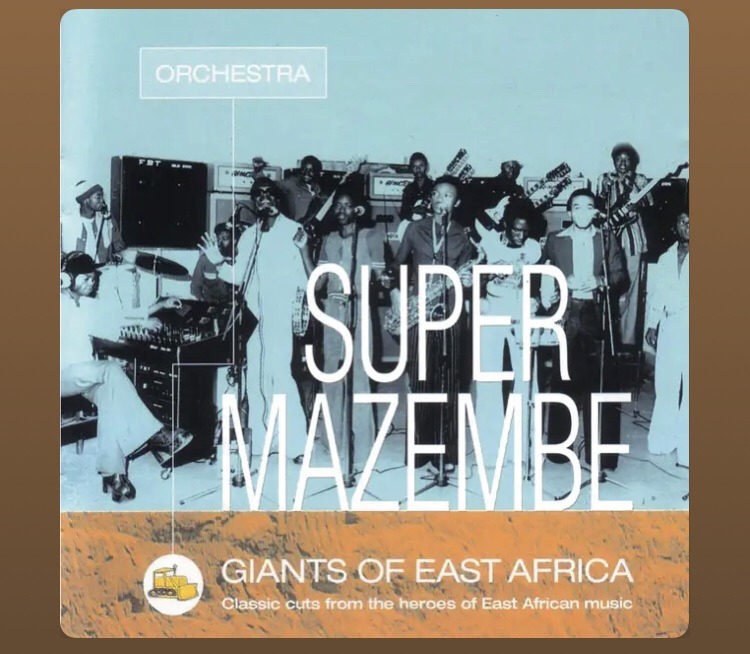
    When you hear the song “Kasongo” by Super Mazembe, you might be captivated by its rich melodies and heartfelt lyrics. But the story behind this classic track is just as compelling as the music itself. It’s a tale of friendship, creativity, and the power of music to communicate when words can’t.

    Super Mazembe, a Congolese band that made Kenya their home in the 1970s, created “Kasongo” during a visit to their friend’s house in Eastleigh, Nairobi. Kasongo wa Kanema, their friend, was not home when they arrived, and his wife shared her worry—he hadn’t been seen for days. With no way to reach him directly, the band decided to craft a song as a way of reaching out, hoping the message would find him wherever he was.

    Who Was Kasongo?

    Kasongo” by Super Mazembe

    Kasongo wa Kanema was a friend of the band members and a beloved figure in their circle. His absence from home left his wife concerned, prompting the band to channel their emotions into a heartfelt song. Sadly, Kasongo passed away two years ago and was laid to rest at Lang’ata Cemetery. His name, however, continues to live on through the music.

    Why Was the Song “Kasongo” Composed?

    Back in the 1970s, communication was not as accessible as it is today. Phones were rare, and the internet didn’t exist. If someone disappeared for a few days, there weren’t many ways to track them down. Kasongo’s wife expressed her concern to the band members, and in that moment, they decided to create a song that could act as both a message and a plea.

    The lyrics of “Kasongo” tell a story from the perspective of his wife, who is waiting for her husband to return. She expresses her worry and longing, asking him to come back home.

    The Lyrics: A Heartfelt Plea

    The chorus of the song captures the wife’s emotions:

    Kasongo ye yeee, mobali na ngai

    (Kasongo, my husband)

    Kasongo nga nawe oo

    (Kasongo, I am dying)

    Zonga libala ee

    (Come back to the marriage)

    Each verse paints a vivid picture of her situation. She describes sitting at home, constantly watching the street, hoping to see him return. She worries about what to tell people who keep asking where her husband is. The raw emotion in the lyrics resonates with anyone who has experienced waiting and worrying for a loved one.

    How the Song Became a Hit

    After composing the song in Kasongo’s living room, the band recorded it. Its relatable theme and infectious rhythm struck a chord with listeners, quickly turning it into one of Super Mazembe’s most beloved tracks. The song not only became a hit in Kenya but also gained recognition across East Africa.

    Why “Kasongo” Remains Relevant

    More than just a beautiful melody, “Kasongo” is a reminder of the universal themes of love, worry, and the bond between partners. It also showcases the power of music to serve as a bridge when other forms of communication fail.

    For Super Mazembe, this song wasn’t just a creative project; it was a practical solution to a real problem. In crafting “Kasongo,” the band demonstrated how music can carry a message, create awareness, and touch hearts all at once.

    A Legacy That Lives On

    Although Kasongo wa Kanema is no longer with us, his name lives on through this song. “Kasongo” is more than just a piece of music—it’s a story, a connection, and a cultural gem that continues to captivate audiences decades after its release.

    Super Mazembe’s ability to transform a personal moment into a timeless hit is a testament to their artistry. The song stands as a symbol of their deep connection to the people and places they called home, even after leaving Congo for Kenya.

    If you’ve never heard “Kasongo,” now is the perfect time to listen. It’s not just a song

  • Wizkid Makes History with 8 Billion Streams on Spotify

    Wizkid Makes History with 8 Billion Streams on Spotify

    Wizkid, one of Nigeria’s most celebrated musicians, has achieved an incredible milestone by amassing 8 billion streams on Spotify. This achievement places him among the elite global artists who have reached this level of streaming success, highlighting his influence in the music world.

    Wizkid Makes History with 8 Billion Streams on Spotify

    Wizkid’s Journey to Global Stardom

    Wizkid’s rise from his early days in Surulere, Lagos, to becoming a global icon is a testament to his talent and consistency. Bursting onto the scene with his debut single Holla at Your Boy, he quickly captured the hearts of fans with his distinct blend of Afrobeats, R&B, and pop influences.

    Over the years, he has released numerous chart-topping hits, including Ojuelegba, which received international recognition after Drake and Skepta shared their admiration for the song. Wizkid’s ability to craft infectious melodies and relatable lyrics has made his music resonate with audiences across different cultures and regions.

    The Impact of “Made in Lagos”

    A major contributor to this milestone is Wizkid’s fourth studio album, Made in Lagos. Released in 2020, the album features hits like Essence featuring Tems, which became a global anthem and earned a Grammy nomination. The deluxe edition, with additional tracks like Mood and Anoti, further boosted its popularity.

    “Made in Lagos” has been praised for its smooth production, Afrobeat rhythms, and collaborations with international stars like Burna Boy, Skepta, and Damian Marley. This album played a pivotal role in introducing Afrobeats to new audiences worldwide.

    Why 8 Billion Streams Matters

    Reaching 8 billion streams is not just a personal victory for Wizkid; it signifies the growing global acceptance of Afrobeats as a dominant genre. Platforms like Spotify have made it easier for Nigerian artists to connect with international fans, and Wizkid’s success is a prime example of this cultural shift.

    This milestone also showcases the dedication of Wizkid’s fanbase, often referred to as “Wizkid FC.” Their unwavering support has propelled his music to the top of charts and playlists worldwide.

    The Role of Collaborations in Wizkid’s Success

    Wizkid’s willingness to collaborate with artists across genres has significantly expanded his reach. From his groundbreaking feature on Drake’s One Dance to working with Beyoncé on Brown Skin Girl, these collaborations have introduced him to audiences who might not have discovered him otherwise.

    Wizkid Makes History with 8 Billion Streams on Spotify

    His strategic partnerships with global stars have also positioned him as a bridge between African music and the wider world. This approach has not only elevated his career but also opened doors for other African artists.

    Meanwhile, Burna Boy has reached 7.2 billion streams on Spotify, securing his place as the second most-streamed African artist on the platform. He is also the most-followed Afrobeats artist on Spotify.

    What’s Next for Wizkid?

    As Wizkid celebrates this monumental achievement, fans are eagerly awaiting his next move. His upcoming projects are expected to push boundaries even further, solidifying his place as a trailblazer in the global music scene.

    With Afrobeats gaining more recognition at major award shows and streaming platforms, Wizkid’s success story is a reminder that the world is ready for more African music.

  • Spotify Removes Millions of Streams from Davido’s Songs: What Does This Mean for the Artist and the Music Industry?

    Spotify Removes Millions of Streams from Davido’s Songs: What Does This Mean for the Artist and the Music Industry?

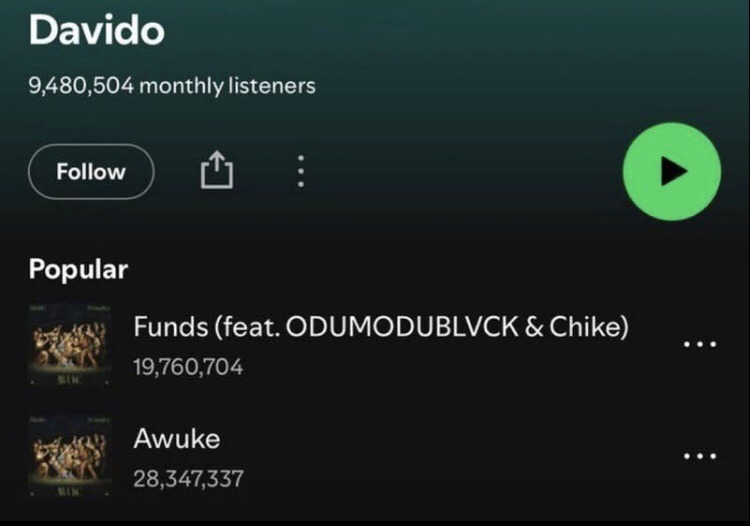
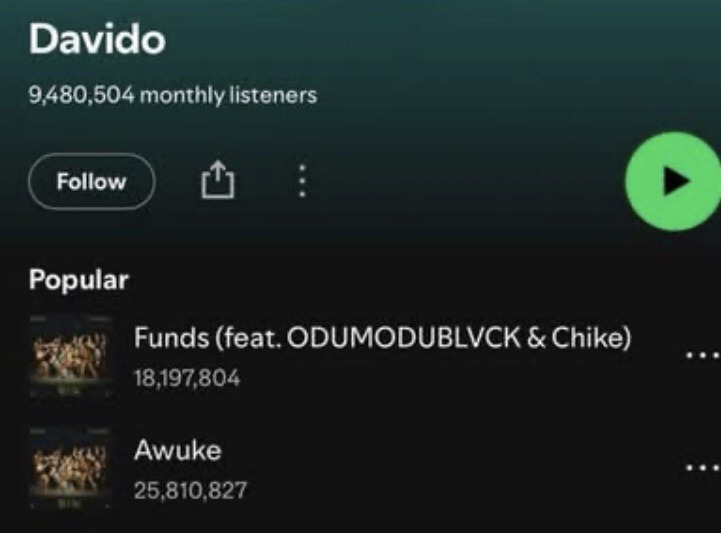
    Recently, Spotify took the significant step of removing over 4 million streams from two of Davido’s popular tracks—“Funds” and “Awuke.” This move has left many fans and industry experts wondering about the implications for the artist and the broader music scene. In this post, we’ll explore what might have caused the removal of these streams, what it means for Davido’s career, and what this could tell us about how streaming platforms are working to maintain fairness in the music industry.

    Why Did Spotify Remove Streams from Davido’s Songs?

    Spotify Removes Millions of Streams from Davido’s Songs: What Does This Mean for the Artist and the Music Industry?
    Before

    Spotify’s decision to remove millions of streams raises some important questions. Over 1.5 million streams were removed from “Funds,” while “Awuke” saw a significant cut of 3 million streams. This is not a common occurrence for major artists, especially one as prominent as Davido.

    One possible explanation is that these streams may have been flagged as part of a practice known as stream farming. Stream farming involves artificially inflating the number of plays on a song through the use of bots or paid listeners. This is something that has become an ongoing issue in the streaming industry as some artists or entities try to boost their numbers to appear more popular or increase their chart standings.

    Spotify Removes Millions of Streams from Davido’s Songs: What Does This Mean for the Artist and the Music Industry?

    For Spotify to take action, it would suggest that there were irregularities in the way these streams were generated. The company uses sophisticated algorithms and detection systems to identify fake streams. By removing these plays, Spotify is working to ensure that only legitimate listens are counted toward an artist’s metrics, protecting the credibility of the platform and the artists who follow the rules.

    The Impact on Davido’s Career

    After

    Davido has been one of the leading figures in Afrobeats, with a massive fanbase known as 30BG (30 Billion Gang). His music has garnered millions of streams worldwide, cementing his position as one of the most influential artists in the genre. While the removal of streams may raise eyebrows, it’s important to consider how this will affect Davido’s standing in the industry.

    Davido’s career is built on years of hard work, incredible talent, and a loyal fanbase. While this incident could cause some temporary embarrassment, it’s unlikely to drastically affect his overall success. His music continues to resonate with millions of fans, and his contribution to Afrobeats is undeniable. The controversy around this may even work in his favor, sparking more attention around his songs.

    The real impact here might be on the credibility of streaming platforms, as they are now more closely scrutinized than ever. The music industry is shifting towards more transparency, and streaming platforms like Spotify are under pressure to ensure fairness in how streams are counted. For artists like Davido, this could mean future efforts to maintain the integrity of streaming numbers.

    Will Fans Defend Davido?

    As expected, the 30BG fanbase has already voiced strong support for their favorite artist. This group has consistently shown fierce loyalty, so it’s no surprise that many believe Davido has been unfairly targeted in this situation. Fans argue that the artist himself may not have been involved in any fraudulent activity, but rather, it could have been done by others—whether bots or third parties—without his direct knowledge.

    Davido’s fans are known for going to great lengths to show support, whether it’s through social media campaigns or buying his albums. With such a dedicated following, this issue is likely to spark more engagement from fans, who will undoubtedly rally behind the artist.

    What Does This Mean for the Music Industry?

    Spotify’s actions send a clear message to the industry: streaming platforms are serious about tackling artificial inflation of streaming numbers. As the music industry becomes more reliant on streaming services for revenue and exposure, these platforms are working to maintain the integrity of their charts and metrics.

    Spotify Removes Millions of Streams from Davido’s Songs: What Does This Mean for the Artist and the Music Industry?

    The rise of stream farming has raised concerns among artists, labels, and listeners alike. While some see it as a way to manipulate the system, others argue that it’s a symptom of a flawed model that puts too much pressure on numbers rather than the quality of music. For Spotify and other streaming platforms, taking action against stream farming is an attempt to level the playing field, ensuring that the most popular songs are truly reflective of listeners’ preferences, not just the result of artificially inflated numbers.

    What’s Next for Davido?

    As one of the leading voices in Afrobeats, Davido’s music career will likely continue to thrive, regardless of this incident. While this controversy may spark debates about the ethics of stream farming and the role of streaming platforms in regulating their charts, it’s unlikely to change the trajectory of his success. The artist has already proven his resilience in the face of criticism, and his loyal fanbase is always ready to back him up.

    In the coming months, we can expect Davido to continue releasing new music and performing around the world. As the streaming industry evolves, artists like him will likely need to adapt to new standards and practices, but with his talent and support system, he’ll continue to make an impact in the music world.

  • The Top 50 Most Streamed Rap Songs on Spotify in 2024: A Year in Review

    The Top 50 Most Streamed Rap Songs on Spotify in 2024: A Year in Review

    The year 2024 has been an incredible one for rap music, with artists breaking records, experimenting with sounds, and reaching global audiences like never before. Spotify’s final list of the Top 50 Most Streamed Rap Songs of 2024 offers a snapshot of what fans have been vibing to all year. Let’s break down the highlights, trends, and what these numbers mean for the genre’s future.

    The Top Contenders

    The standout track of the year, “Not Like Us,” with 984 million streams, shows how a hard-hitting beat and memorable lyrics can resonate across different listener demographics. Following it, “CARNIVAL” (657m) and “Like That” (631m) hold their ground as fan favorites, combining catchy hooks with innovative production styles.

    The Top 50 Most Streamed Rap Songs on Spotify in 2024: A Year in Review

    The list is filled with tracks that have dominated playlists, clubs, and social media challenges. From the hypnotic flows of “redrum” (612m) to the chart-topping energy of “Houdini” (530m), it’s clear that rap in 2024 has continued to evolve while staying true to its roots.

    Trends in 2024’s Rap Scene

    1. Collaborations: Many songs on the list, such as “BAND4BAND” and “Big Dawgs,” showcase the power of collaborations. These tracks brought together talents from different subgenres, appealing to wider audiences and boosting streaming numbers.

    2. Viral Moments: Tracks like “nee nah” and “Get It Sexyy” gained massive traction due to TikTok trends and dance challenges. The integration of music with social media has proven to be a game-changer for artists aiming for widespread recognition.

    3. Emotional Storytelling: Songs such as “Timeless” (383m) and “Family Matters” (129m) highlight a return to introspective themes. These tracks connect deeply with listeners, combining personal narratives with universal emotions.

    The Streaming Game

    Streaming platforms like Spotify have reshaped how rap music reaches audiences. Artists now have access to millions of potential listeners with the click of a button. The competition is fierce, with new releases dropping almost daily. For an artist to break into a list like this, they need more than just a great song—they need a strategy that includes consistent engagement with fans, impactful visuals, and savvy marketing.

    Artists Who Deserve Recognition

    While the list reflects the most streamed songs, it’s worth noting some names missing from this year’s lineup. Talented artists like Rema and Ladipoe, known for blending rap with Afrobeat elements, have had an outstanding year but didn’t make the cut. It’s a reminder that streaming numbers don’t always equate to cultural impact.

    On the other hand, fans have questioned whether tracks like “Think U The Sh*t” (107m) or “HISS” (109m) truly deserved their spots. This has sparked conversations about whether streaming figures should be the sole measure of a song’s value or success.

  • How Fela Kuti’s Song Zombie Sparked a National Uproar in 1970s Nigeria

    How Fela Kuti’s Song Zombie Sparked a National Uproar in 1970s Nigeria

    In 1976, Fela Kuti released Zombie, a track that would go on to ignite one of the most intense reactions to music in Nigerian history. Known for his fearless political stance, Fela used his Afrobeat style to challenge Nigeria’s military rule with unprecedented directness. The song was a scathing critique of the military’s rigid obedience to orders, painting soldiers as “zombies” who followed commands without thinking. This metaphor struck a deep nerve, leading to a national uproar and brutal retaliation from the government.

    The Message of Zombie

    Zombie criticizes Nigeria’s military by comparing soldiers to mindless “zombies” who blindly follow commands. Fela uses simple but powerful lyrics to paint a picture of soldiers being sent on orders to “go and die,” “go and kill,” and obey without question. By likening soldiers to zombies, Fela was challenging not just the military, but the authoritarian nature of Nigeria’s leadership at the time, which was ruled by General Olusegun Obasanjo. The military regime had a stronghold on Nigerian society, and obedience was enforced without regard for individual thought or ethics. This kind of blind loyalty was precisely what Fela was fighting against, as he believed it enabled corruption and abuse of power.

    Latest Nigeria celebrity event photos

    The Public Reaction

    For many Nigerians, Zombie was a revelation. The song’s blunt message and Afrobeat rhythm quickly turned it into an anthem of resistance. It resonated with a society frustrated by years of military rule and yearning for freedom. Nigerians began to see the military not as protectors, but as enforcers of an oppressive regime. Zombie became a symbol of defiance, sparking discussions in homes, workplaces, and social gatherings across the country. This widespread appeal made Zombie more than just a song; it became a rallying cry for people tired of corruption and abuse.

    Latest Nigeria celebrity event photos
    Fela Kuti performs on stage, Paris, 1981. (Photo by Michael Putland/Getty Images)

    The military government, however, saw Zombie as a dangerous provocation. In their eyes, Fela’s critique threatened the respect and authority they commanded. The song became widely popular, but this popularity only intensified the government’s response to Fela and his music.

    The Brutal Backlash from the Government

    The government’s reaction to Zombie was swift and brutal. In 1977, in an attempt to silence Fela and punish him for his defiance, approximately 1,000 soldiers raided his commune, the Kalakuta Republic. This wasn’t just a home but a community that included his family, band members, and supporters. During the raid, soldiers burned down the commune, destroyed Fela’s belongings, and assaulted its residents.

    The attack was personal and devastating. Fela’s mother, Funmilayo Ransome-Kuti, a well-respected political activist, was thrown from a window, sustaining injuries that would lead to her death shortly afterward. The brutality of the attack shocked the nation and cemented Fela’s image as a courageous resistor in the face of oppression.

    Fela’s response was to double down on his message. He organized a symbolic procession where he and his followers carried a coffin to the residence of the then-head of state, Obasanjo, marking a powerful act of defiance. This act and the memory of the attack on Kalakuta became etched in the minds of Nigerians, further embedding Zombie as a landmark in Nigeria’s resistance history.

    The Legacy of Zombie and Its Uproar

    Latest Nigeria celebrity event photos

    Despite the efforts to suppress it, Zombie survived and became a permanent fixture in African music history. Fela’s courage inspired countless others to question authority and speak up against injustice. Even today, Zombie remains a powerful reminder of the cost of resistance and the enduring impact of art in challenging oppression.

    In the 1970s, Fela Kuti’s Zombie was much more than music—it was a catalyst for social change and a testament to the power of art to disrupt and inspire. Through this song, Fela gave Nigerians the voice and courage to question authority, and its influence still resonates in Nigerian culture and political discourse to this day.

  • Fela Kuti’s Banned Music: A Powerful Stand Against Nigeria’s Military Regime

    Fela Kuti’s Banned Music: A Powerful Stand Against Nigeria’s Military Regime

    Fela Anikulapo Kuti, the Nigerian Afrobeat pioneer, wasn’t just an artist; he was a force of nature who used his music as a tool for political resistance. In the Nigeria of the 1970s and ‘80s, when military rule was the norm and dissent was dangerous, Fela dared to use his voice to expose the government’s corruption, brutality, and injustice. His songs often became rallying cries for the people and a thorn in the side of the authorities. Several of his songs were outright banned by the Nigerian government, as they were seen as a threat to the established order.

    Fela Kuti’s Banned Music

    Here, we’ll look at some of the most controversial Fela tracks that were banned and the impact they had on Nigeria’s political and social climate.

    “Zombie” – The Song that Provoked the Military

    One of Fela’s most famous and controversial songs, Zombie was released in Nigeria by Coconut Records in 1976, and in the United Kingdom by Creole Records in 1977 and became an anthem of resistance.

    Latest Nigeria celebrity event photos

    The song criticizes the Nigerian military, likening soldiers to zombies who follow orders without thinking. With sharp lyrics and infectious rhythms, Fela’s message resonated with the public but infuriated the military. In the song, he calls soldiers “zombies” who are trained to follow commands like “Go and kill!” and “Go and die!”

    The government under General Olusegun Obasanjo saw this as a direct attack on their authority. The reaction was swift and brutal: 1,000 soldiers attacked Fela’s communal compound, the Kalakuta Republic. In the raid, his mother, Funmilayo Ransome-Kuti, a respected activist, was thrown from a second-story window, sustaining injuries that later led to her death. The compound was burned down, and Fela himself was severely beaten. Despite the consequences, Zombie remains a symbol of anti-authoritarianism and a reminder of Fela’s commitment to standing up against oppression.

    “Coffin for Head of State” – A Bold Critique of Corrupt Leadership

    In 1980, Fela released Coffin for Head of State, another explosive track aimed at Nigeria’s ruling elite. This song condemned the hypocrisy of political and religious leaders who, according to Fela, exploited their positions for personal gain while ignoring the suffering of ordinary Nigerians. He also criticized the government’s cozy relationship with the clergy, accusing both sectors of being complicit in the country’s problems.

    Latest Nigeria celebrity event photos

    The song’s title was inspired by an event where Fela and his followers carried a coffin to the residence of then-head of state Obasanjo, symbolizing the death of integrity and justice in Nigeria. Coffin for Head of State didn’t just criticize the government; it expressed a deep disappointment with religious institutions that Fela believed had abandoned their moral responsibilities. This song, too, was banned, as its powerful lyrics and imagery challenged both the government and the influential religious institutions.

    “International Thief Thief (I.T.T.)” – Calling Out Corruption

    International Thief Thief (I.T.T.) is another of Fela’s boldest works, taking aim at both the Nigerian government and multinational corporations operating in the country. The title plays on the acronym I.T.T., which was the name of the multinational company International Telephone and Telegraph, whose Nigerian operations were run by prominent businessman Moshood Abiola. In this song, Fela calls out corrupt officials and foreign companies for exploiting Nigeria’s resources, linking them to the suffering of ordinary Nigerians.

    This song went beyond criticizing individuals; it pointed fingers at systemic exploitation, where both local leaders and foreign companies collaborated to plunder the nation. The song was banned, but it cemented Fela’s status as a voice for the people and a critic of neocolonialism, corporate greed, and government corruption.

    “Unknown Soldier” – Exposing Military Brutality

    Unknown Soldier was Fela’s response to the government’s narrative that “unknown soldiers” were responsible for the attack on his Kalakuta Republic compound. In this song, he highlights the government’s attempts to evade responsibility for the destruction of his home, the physical assault on him, and the killing of his mother.

    Fela used Unknown Soldier to paint a vivid picture of the injustice he and his family endured, making it clear that the government was accountable. This song struck a chord with Nigerians who were already frustrated with the lack of accountability and transparency in the military regime. The government banned the song, viewing it as a direct accusation and a threat to their image. However, it served to rally support for Fela and his message, further strengthening his reputation as a fearless advocate for truth and justice.

    Latest Nigeria celebrity event photos

    The Impact of Fela’s Banned Songs on Nigerian Society

    Each of these songs resonated deeply with Nigerians, particularly those who felt oppressed by the military regime and the corrupt political system. Fela’s music spoke directly to the injustices that many Nigerians experienced but felt powerless to confront. By calling out powerful individuals and institutions, Fela gave a voice to the voiceless and became an icon of resistance.

    Despite the bans, Fela’s music continued to spread, gaining popularity through underground networks and word of mouth. His lyrics and fearless attitude inspired a generation of Nigerians

  • Michael Jackson’s”thriller Disclaimer: The untold story

    Michael Jackson’s”thriller Disclaimer: The untold story

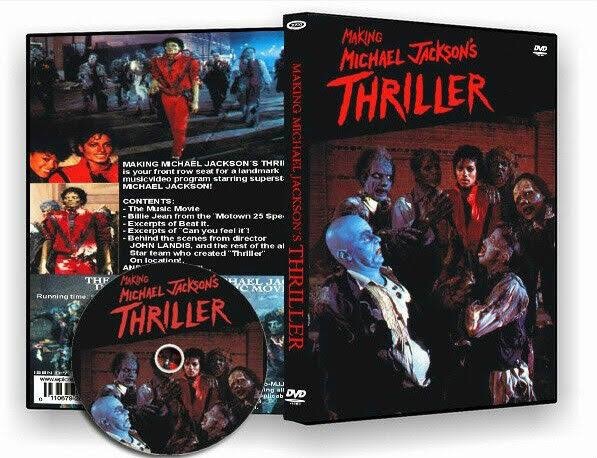
    On December 3, 1983, Michael Jackson’s “Thriller” music video premiered and forever changed the music and entertainment industries. However, few people know the story of why Jackson, one of the most creative artists of his generation, was required to include a disclaimer in the video distancing it from any endorsement of the occult.

    This decision was influenced by Jackson’s religious beliefs and his affiliation with the Jehovah’s Witnesses, a Christian denomination that held strict views on supernatural themes and imagery.

    Michael Jackson's"thriller Disclaimer: The untold story

    The Influence of Religion on Michael Jackson’s Career

    During the early 1980s, Michael Jackson was a member of the Jehovah’s Witnesses, a group known for its adherence to a literal interpretation of the Bible. This religious background shaped many aspects of his life and career, particularly the way he approached creative projects.

    The release of the “Thriller” video, with its elaborate scenes of werewolves, zombies, and eerie settings, sparked concern among the church elders. They believed that the video’s themes could be interpreted as promoting occult practices, which contradicted their teachings.

    Why the Disclaimer Was Added

    Facing immense pressure from the church elders, Jackson reluctantly agreed to include a disclaimer at the start of the video. The statement reads:

    Due to my strong personal convictions, I wish to stress that this film in no way endorses a belief in the occult.”

    This disclaimer was a direct response to the church’s concerns. Jackson wanted to maintain his membership in the church while also ensuring the artistic integrity of the video.

    The Impact on Jackson’s Personal and Professional Life

    While the disclaimer may have appeased the elders, it highlighted a growing tension between Jackson’s artistic vision and the restrictions imposed by his faith. Reports from those close to him suggest that the situation caused significant stress, as he felt torn between his loyalty to the church and his desire to create groundbreaking art.

    Eventually, these conflicts contributed to Jackson distancing himself from the Jehovah’s Witnesses later in his career. This decision allowed him more creative freedom, though it came at the cost of severing ties with a community that had been a significant part of his life.

    “Thriller”: A Cultural Milestone

    Michael Jackson's"thriller Disclaimer: The untold story

    Despite the controversy, the “Thriller” music video remains one of the most iconic works in entertainment history. Directed by John Landis and featuring choreographed sequences that are still replicated today, it broke new ground for the music industry.

    The video helped Thriller become the best-selling album of all time, solidifying Jackson’s status as the King of Pop. Its innovative storytelling, paired with unmatched music and dance, set the standard for music videos and reshaped how artists approached visual media.

    While the disclaimer may seem like a minor detail today, it represents a pivotal moment in Jackson’s life. It shows his efforts to respect his faith while pursuing his passion for pushing creative boundaries.

  • Chris Brown and Lojay’s Epic Collaboration: “Sensational” Lights Up Johannesburg

    Chris Brown and Lojay’s Epic Collaboration: “Sensational” Lights Up Johannesburg

    Chris Brown surprised fans in Johannesburg last night by bringing Nigerian Afrobeat sensation Lojay on stage at the FNB Stadium. Together, they performed their hit track, “Sensational,” thrilling the crowd with a live rendition that perfectly blended Lojay’s Afrobeat rhythms with Chris Brown’s signature R&B style.

    The performance was part of Chris Brown’s global tour, and it showcased the seamless fusion of African sounds with international music. Fans in the audience were ecstatic as the two artists delivered an electrifying performance, making the moment a highlight of the night.

    https://www.instagram.com/p/DDktpdtyLU_/?igsh=MXd3N2l3cW1xdHEwZw==

    Why “Sensational” Resonates Globally

    Sensational” is a collaboration that has captivated listeners worldwide. Its catchy melody, smooth production, and heartfelt lyrics have made it a favorite on streaming platforms and airwaves. The track reflects a growing trend where international artists embrace Afrobeat, highlighting the genre’s global appeal.

    Lojay, known for his unique voice and ability to create memorable hooks, brought his A-game, complementing Chris Brown’s polished vocal delivery. Their partnership on the track has proven to be a masterstroke, blending the best of Afrobeat and contemporary R&B.

    A Night to Remember in Johannesburg

    The FNB Stadium, renowned for hosting large-scale events, provided the perfect setting for this remarkable moment. Fans at the venue sang along word-for-word, showcasing the song’s popularity in South Africa and beyond. The collaboration symbolizes a bridge between African and global music scenes, and the energy in the stadium reflected that connection.

    As videos from the performance circulate online, the demand for similar collaborations is growing. Many fans are now calling for Chris Brown to include Nigeria on his tour. One fan said,

    “Chris Brown, please make a bus stop in Nigeria so we can experience the Bezzy effect.”

    Will Chris Brown Bring the Show to Nigeria?

    With the overwhelming response from fans in South Africa, it’s no surprise that Nigerian fans are eager to see Chris Brown and Lojay perform live in their country. Nigeria, being the heart of Afrobeat, would provide an electric atmosphere for such a performance.

    Bringing “Sensational” to a Nigerian stage could also highlight the growing influence of Nigerian artists on the global music scene. From Lagos to Los Angeles, Afrobeat has become a dominant force, and artists like Lojay continue to push the genre forward.

  • The Story Behind 2Baba’s “Only Me”: A Lesson on Fame, Respect, and Self-Expression

    The Story Behind 2Baba’s “Only Me”: A Lesson on Fame, Respect, and Self-Expression

    2Baba, one of Nigeria’s most celebrated music icons, has always been known for creating songs that resonate with people on a personal and emotional level. His hit track, “Only Me,” is no exception. While fans have long enjoyed the song’s message of individuality and self-reliance, few know the deeply personal story behind its creation.
    Latest Nigeria celebrity event photos

    In a rare and heartfelt revelation, 2Baba shared an experience that left a lasting impact on him. This event, involving Nigerian football legend Mikel Obi, offers insight into the realities of fame, human interaction, and how artists channel emotions into their work.

    What Happened Between 2Baba and Mikel Obi?

    2Baba and Mikel Obi were two Nigerian stars excelling in their respective fields. While 2Baba was making waves internationally with his music, Mikel was winning hearts as a footballer at the peak of his career. Both were flagbearers of Nigerian talent, representing the country on the global stage.

    During a visit to the U.K., 2Baba spotted Mikel Obi at a shopping mall. For 2Baba, this was a moment of pride and excitement. He walked up to Mikel, eager to greet a fellow Nigerian who was also achieving remarkable success. However, to his dismay, Mikel ignored him.

    This interaction—or lack of it—left 2Baba feeling hurt and confused. He couldn’t understand why Mikel would act that way. Despite being an established icon, the experience reminded 2Baba that even celebrities are not immune to feelings of rejection.

    Turning Pain into Music: The Birth of “Only Me”

    Rather than dwelling on the incident, 2Baba decided to express his emotions in the best way he knew: through music. The result was “Only Me,” a song that encourages listeners to embrace their individuality and not rely on external validation.

    In the lyrics, 2Baba reflects on the importance of standing strong, even when others fail to recognize or support you. The song’s message resonates universally, making it one of his most relatable tracks. While the song doesn’t explicitly reference Mikel or the incident, it captures the essence of what 2Baba felt at the time—a mix of disappointment and a renewed focus on self-worth.

    Why This Story Matters

    This story sheds light on the human side of fame. Celebrities, despite their success, still crave connection and respect from their peers. 2Baba’s experience with Mikel Obi is a reminder that recognition and kindness are powerful, even among the most accomplished individuals.

    For fans, this revelation adds a new meaning to “Only Me.” The song becomes not just a catchy tune but a reflection of personal growth, resilience, and the ability to turn negative experiences into something positive.

    The Legacy of “Only Me”

    Years after its release, “Only Me” remains one of 2Baba’s standout tracks. Its timeless message continues to inspire fans around the world. By sharing the story behind the song, 2Baba reminds us that behind every hit lies a story of real-life experiences and emotions.

    Whether you’re a fan of Afrobeats or simply someone navigating life’s ups and downs, the message of “Only Me” is clear: you have the power to shine, even when it feels like you’re standing alone.

  • Wizkid’s Morayo: A Celebration of Legacy and Success

    Wizkid’s Morayo: A Celebration of Legacy and Success

    Afrobeats sensation Wizkid has once again captured the spotlight with his album Morayo, released on the 22nd of November 2024 a heartfelt tribute to his late mother. Since its release, the album has resonated with fans globally, drawing attention for its emotionally charged lyrics, innovative sound, and star-studded collaborations. Here, we’ll explore the album’s success so far, the public reception, and the elements that make it stand out.

    A Personal Touch with Universal Appeal

    Wizkid dedicated Morayo to his late mother, infusing the album with themes of love, gratitude, and reflection. This personal connection has struck a chord with fans, who appreciate the depth and sincerity behind the music. The album features 16 tracks, blending Afrobeats with influences from R&B, highlife, and Yoruba folk sounds. This fusion showcases Wizkid’s ability to stay true to his roots while maintaining a global appeal.

    Morayo

    Noteworthy Collaborations

    The album boasts features from a mix of Nigerian stars and international artists. Collaborations with Brent Faiyaz, Jazmine Sullivan, and Tiakola bring diverse international flavors. Each collaboration feels purposeful, adding layers to the album without overshadowing Wizkid’s presence.

    Public Reception and Streaming Numbers

    Fans and critics alike have praised Morayo as one of Wizkid’s best projects to date. Within days of its release, the album dominated streaming platforms, topping charts in multiple countries. Tracks like “Troubled Mind” “Time” and “piece of my heart featuring Brent faiyaz” have become fan favorites, with millions of streams on Spotify and Apple Music. Social media is buzzing with discussions about the album, and hashtags like #MorayoAlbum have been trending globally.

    A Cultural and Commercial Success

    Beyond its musical qualities, Morayo has become a cultural phenomenon. Listeners have expressed admiration for how Wizkid used the album to honor his mother while addressing universal themes of resilience and love. This duality has made the album relatable to a broad audience, further cementing Wizkid’s position as one of Afrobeats’ most influential artists.

    What Makes Morayo Special?

    1. Lyrical Depth: From introspective tracks to party anthems, the lyrics in Morayo showcase Wizkid’s versatility and maturity as an artist. Each song tells a story, creating a cohesive experience for listeners.

    2. Production Quality: The production, handled by a mix of local and international producers, is polished yet authentic. The beats are infectious, and the instrumentation complements Wizkid’s voice perfectly.

    3. Global Appeal: While rooted in African sounds, the album’s universal themes and collaborations ensure it resonates with listeners worldwide.

    The Road Ahead

    As Morayo continues to climb the charts, its impact is undeniable. Fans are eagerly anticipating music videos, live performances, and possibly a world tour to celebrate the album. Meanwhile, the album’s success further solidifies Wizkid’s legacy as a pioneer of modern Afrobeats.

  • Nicki Minaj on Why Wizkid’s Essence Deserved a Grammy: A Reflection on the 2020 Snub

    Nicki Minaj on Why Wizkid’s Essence Deserved a Grammy: A Reflection on the 2020 Snub

    The 2020 Grammy Awards became a hotbed of debate, especially for fans of Wizkid and his global hit Essence. Despite its undeniable cultural impact and global reach, Essence was overlooked for the Best Global Music Performance category. Many believe the song, which blended Afrobeat and R&B with unmatched finesse, deserved to win. This snub sparked widespread criticism, with notable voices, including international stars, questioning the fairness of the Grammys’ selection process. In this post, we’ll explore why Essence was such a standout track, why its exclusion from Grammy recognition matters, and what it reflects about the treatment of Afrobeat on the global stage.

    Latest Nigeria celebrity event photos

    The Phenomenal Rise of Essence

    Released in 2020 as part of Wizkid’s Made in Lagos album, Essence took the world by storm. Featuring Nigerian singer Tems, the track was hailed as the “song of the summer” in 2021, receiving praise from fans and industry leaders alike. The song wasn’t just a chart success—it became a cultural anthem, celebrated for its smooth rhythm, relatable lyrics, and a vibe that transcended borders.

    Essence broke records, becoming the first Nigerian song to chart on the Billboard Hot 100 and earning a Platinum certification in the United States. Its remix, featuring Justin Bieber, further expanded its reach, solidifying its status as a global hit. The song was played in clubs, on radio stations, and during countless personal moments, making it a favorite among music lovers worldwide.

    Why Essence Was More Than Just a Song

    The impact of Essence went beyond entertainment. It represented the growing global recognition of Afrobeat as a genre and showcased Africa’s potential to dominate the music scene. Wizkid’s collaboration with Tems also opened doors for Nigerian artists, introducing many to a wider audience.

    The song’s lyrics resonated deeply with listeners, offering a refreshing alternative to the fast-paced, high-energy tracks dominating pop charts. Its production, led by Nigerian producer P2J and legendury Beatz, combined traditional Afrobeat elements with contemporary sounds, creating a blend that felt authentic yet universally appealing.

    The Grammy Controversy: Was Essence Ignored?

    The Grammys have faced criticism for years over their handling of non-Western music categories. Despite its global success, Essence lost in the Best Global Music Performance category. This decision left many questioning the selection criteria and whether the Grammys truly recognized cultural and artistic significance over industry politics.

    Nicki Minaj, among others, has been vocal about the perceived biases in the Grammy selection process, pointing out how many artists, including Wizkid, have been overlooked despite their massive contributions to music. These criticisms underline a larger issue: the need for equitable recognition of artists from diverse backgrounds.

    Moving Forward: The Legacy of Essence

    Despite the snub, Essence remains a defining moment for Afrobeat. Its success has paved the way for other Nigerian artists like Burna Boy, Tems, and Rema to gain international acclaim. The song’s legacy is a reminder that awards, while prestigious, don’t always define a song’s impact.

    For fans and artists alike, the message is clear: Afrobeat is here to stay. The global music industry must adapt to this reality, ensuring fair representation and recognition for all artists, regardless of origin.

  • Kizz Daniel on Streaming Farms: Authenticity Over Artificial Numbers

    Kizz Daniel on Streaming Farms: Authenticity Over Artificial Numbers

    Streaming farms have been a controversial topic in the music industry, raising questions about authenticity, the value of real engagement, and the ethics of artificially inflating numbers. Kizz Daniel, a prominent Afrobeat artist known for his numerous chart-topping hits, recently addressed this issue, sharing his perspective on the importance of genuine fan interaction and organic growth in music.

    Latest Nigeria celebrity event photos

    What Are Streaming Farms?

    Before diving into Kizz Daniel’s thoughts, it’s essential to understand what streaming farms are. These are setups, often automated, that generate fake streams for songs, boosting numbers on platforms like Spotify, Apple Music, and YouTube. While this may create the illusion of popularity, it undermines the integrity of the music charts and can mislead fans and industry stakeholders.

    Kizz Daniel’s Stance on Streaming Farms

    Kizz Daniel made it clear that he does not support the use of streaming farms. For him, the focus has always been on creating high-quality music that resonates with his audience. He believes that true success comes from genuine listener connections and that artificial methods, such as streaming farms, dilute the essence of artistry.

    Latest Nigeria celebrity event photos

    Kizz Daniel emphasized that his music is crafted to stand the test of time, relying on its quality and appeal rather than inflated numbers. By rejecting shortcuts, he sets an example for artists who may be tempted by quick results but risk their credibility in the long run.

    Why Authenticity Matters in Music

    Authenticity in music isn’t just about maintaining a clean reputation. It’s about building a lasting legacy and fostering genuine relationships with fans. When artists rely on streaming farms, they risk alienating their audience. Fans can often sense when success feels manufactured, and this can lead to a lack of trust.

    Latest Nigeria celebrity event photos

    For Kizz Daniel, authenticity has been a cornerstone of his career. His music, from hits like Woju to more recent tracks, has always connected deeply with listeners. This connection is evident in the organic growth of his fanbase and the global appeal of his sound.

    The Impact of Streaming Farms on the Industry

    Streaming farms don’t just harm individual artists; they distort the entire music ecosystem. Here are a few key issues they create:

    1. Devalued Charts: When fake streams inflate numbers, charts lose their credibility, making it harder for genuinely popular songs to stand out.

    Latest Nigeria celebrity event photos

    2. Unfair Competition: Artists who don’t use streaming farms may struggle to compete with inflated numbers, even if their music is objectively better.

    3. Distrust from Fans: Fans may become skeptical of streaming platforms and artist success when they suspect manipulation.

    For more updates on Kizz Daniel and Afrobeat trends, stay tuned to Anything Celebrity.

  • Burna Boy’s ‘Love, Damini’ Joins Nigerian Albums with Highest RIAA Certification: A New Milestone for Afrobeat

    Burna Boy’s ‘Love, Damini’ Joins Nigerian Albums with Highest RIAA Certification: A New Milestone for Afrobeat

    Afrobeat’s global rise continues to reach new heights, and Burna Boy is undeniably one of the genre’s driving forces. His album Love, Damini, released in July 2022, has now earned a significant distinction—it is among the few Nigerian albums to achieve one of the highest certifications by the Recording Industry Association of America (RIAA). This recognition highlights the album’s popularity in the US and underscores Burna Boy’s growing influence on the international stage.

    Related: Burna Boy Equals Tems’ Record in the US: A New Milestone for Afrobeat

    What is RIAA Certification and Why is it Important?

    The RIAA awards certifications based on the number of albums sold or streamed. Gold certification requires 500,000 units, Platinum demands one million, and multi-Platinum recognizes two million or more. Burna Boy’s Love, Damini joins a select group of Nigerian albums that have hit this mark, marking a milestone not just for the artist, but also for the Afrobeat genre as a whole.

    Burna Boy’s ‘Love, Damini’ Joins Nigerian Albums with Highest RIAA Certification: A New Milestone for Afrobeat
    Burna boy Instagram photo

    Burna Boy’s Journey with Love, Damini

    Love, Damini is Burna Boy’s sixth studio album and follows his Grammy Award-winning project, Twice as Tall. The album features a mix of Afrobeats, reggae, and pop influences, making it an eclectic and engaging listen. Songs like “Last Last,” which samples Toni Braxton’s “He Wasn’t Man Enough,” became a global hit, while “For My Hand,” featuring Ed Sheeran, connected Burna Boy to an even wider audience.

    Related: What type of singer is Burna boy?

    This album not only expanded Burna Boy’s international reach but also cemented his position as one of Nigeria’s biggest music exports. By blending African sounds with global genres, Love, Damini resonates across borders, making it a favorite for both local and global listeners.

    Burna Boy’s ‘Love, Damini’ Joins Nigerian Albums with Highest RIAA Certification: A New Milestone for Afrobeat
    Burna boy Instagram photo

    Why Love, Damini Achieved Global Success

    There are several reasons why Love, Damini stands out as a global success:

    1. Wide Appeal: The album blends various genres seamlessly, making it relatable for diverse audiences. The use of Afrobeats alongside pop and reggae allows it to appeal to both African and Western listeners.

    2. High-Profile Collaborations: Featuring collaborations with international stars like Ed Sheeran, J Balvin, and Khalid, Burna Boy ensured the album would attract attention from outside Africa.

    3. Emotional Depth: Burna Boy addresses personal themes throughout the album, touching on loss, love, and growth. This emotional resonance helps listeners from different backgrounds connect with the music on a deeper level.

    4. Strong Promotion: Burna Boy’s global tour and strategic marketing played a significant role in the album’s visibility. His performance at sold-out venues across the world ensured that the album reached international ears.

    Related: Burna Boy’s Love, Damini: A Global Success and Its RIAA Certification

    Burna Boy’s Influence on Nigerian Music

    This RIAA certification is another feather in the cap for Burna Boy, whose career continues to elevate Nigerian music on the global scene. He follows in the footsteps of other Nigerian musicians like Wizkid and Davido, who have also received international acclaim. However, Burna Boy’s unique ability to mix traditional African sounds with global pop music sets him apart.

    His success is more than just personal; it’s also part of the larger story of Afrobeat’s rise in the international music industry. The genre has gone from being a local phenomenon to a global trend, with major music festivals, radio stations, and record labels all embracing the sound.

    What’s Next for Burna Boy?

    With Love, Damini achieving high RIAA certification, the question remains—what’s next for Burna Boy? He shows no signs of slowing down. His consistent output of hits and collaborations suggests that Burna Boy will continue to be at the forefront of Afrobeat’s global takeover. His upcoming projects are expected to follow the same trajectory, gaining even more international recognition.

    Burna Boy’s ‘Love, Damini’ Joins Nigerian Albums with Highest RIAA Certification: A New Milestone for Afrobeat
    Burna boy Instagram photo

    Burna Boy’s Place in Afrobeat’s Global Expansion

    Burna Boy’s success with Love, Damini represents not just a win for him, but for Afrobeat as a whole. By earning high RIAA certification, the album solidifies Afrobeat’s global presence and underscores Burna Boy’s influence in the music industry. His achievements are a testament to the power of African music and its ability to break cultural and geographical boundaries. As Afrobeat continues to spread worldwide, artists like Burna Boy are leading the charge, proving that the genre is here to stay.

    This latest recognition from the RIAA is not just a reflection of Burna Boy’s talent but also a milestone for Nigerian music, as it reaches new audiences and achieves greater commercial success. With Afrobeat gaining more recognition globally, the future looks bright for Burna Boy and the next generation of African artists.

  • Rising costs of music video production in Nigeria: what’s driving the 100 million price tag?

    Rising costs of music video production in Nigeria: what’s driving the 100 million price tag?

    The cost of producing music videos in Nigeria has skyrocketed in recent years, with some high-end productions reaching over 100 million Naira. The increase in cost has raised questions about what’s driving the price tag. This blog post will explore the various factors behind the rising cost of Nigerian music video production, focusing on the reasons why artists and producers are investing so heavily in their visual content.

    what’s driving the 100 million price tag?

    Increased Demand for High-Quality Visuals

    One of the primary reasons music video costs are climbing in Nigeria is the growing demand for high-quality visuals. Nigerian music has gained international recognition, and with it comes higher expectations for video production. Fans and critics alike are looking for videos that match or exceed global standards, which requires the use of advanced technology, professional crews, and meticulous post-production work.

    Related: Timaya Decries High Cost of Music Video Promotion: A Closer Look at the ₦100 Million Price Tag

    To compete on the world stage, Nigerian artists are no longer content with simple or low-budget productions. High-definition cameras, drones, and cutting-edge lighting setups are now standard, and they come at a price. Renting this type of equipment can be costly, but it’s necessary to create the kind of videos that will resonate with both local and international audiences.

    Location Costs

    Another significant factor contributing to the high price of Nigerian music videos is the choice of locations. Music videos are no longer confined to simple studio settings or local spots. Many artists now choose to shoot their videos in exotic or iconic locations, both within Nigeria and abroad.

    Shooting in high-end locations comes with numerous expenses, including permits, travel costs for the cast and crew, and sometimes even special insurance for the equipment. When you add these costs to the already significant production expenses, it’s easy to see why video budgets are ballooning.

    Hiring Top Talent

    In today’s music scene, a top-tier director is often just as important as the artist. Directors like TG Omori, Clarence Peters, and Meji Alabi are in high demand because they have proven track records of delivering visually stunning videos. Hiring these directors, along with a skilled crew that includes camera operators, set designers, makeup artists, and choreographers, doesn’t come cheap.

    These professionals bring expertise that elevates the overall quality of the production. Their creative input can make a significant difference in how the video is perceived by audiences, but the cost of their services adds up quickly. Many artists are willing to pay for the best, understanding that a well-executed video can greatly enhance their brand and visibility.

    Elaborate Set Design and Wardrobe

    Modern music videos often feature elaborate set designs, custom-built for the specific needs of the production. Creating these sets can involve significant costs, especially when the vision calls for something unique or grand in scale. Building, decorating, and dressing these sets can drive up production costs, particularly when dealing with larger or more complex setups.

    Some artists even opt to work with international production teams or shoot in foreign countries to enhance the appeal of their videos. This global outlook, while beneficial for increasing exposure, also adds to the overall production costs.

    Related: How Independent Artists can manage High Promotion Costs

    Wardrobe and styling are another area where costs can escalate. Custom-designed outfits, luxury fashion, and unique accessories are now standard in many high-end Nigerian music videos. Artists want to stand out, and their clothing and overall presentation are key elements of the video’s visual appeal. The cost of these elements can be substantial, especially when multiple looks are required for a single video.

    Post-Production and Special Effects

    After the shoot, there’s still plenty of work to be done in post-production. This phase can include everything from editing and color grading to adding special effects and animations. Many Nigerian artists are now opting for videos with more complex visual effects, which require additional time and resources to complete.

    Editing a music video to perfection takes time, and high-end editors often charge a premium for their services. Special effects, such as CGI or animation, add another layer of complexity and cost. This post-production work is essential for creating a polished, professional final product, but it’s also one of the most expensive parts of the process.

    The Role of International Influence

    The global success of Nigerian music, particularly Afrobeats, has exposed artists to international standards in both sound and visuals. As a result, there’s been a noticeable shift toward producing videos that can compete with those coming out of major entertainment hubs like Los Angeles or London.

    Music Videos as a Marketing Tool

    In today’s digital world, a well-produced music video is a crucial part of an artist’s marketing strategy. Videos are no longer just a way to visualize a song; they are powerful promotional tools that help artists reach wider audiences, secure brand deals, and grow their fan base. A standout video can go viral, driving massive engagement on platforms like YouTube, Instagram, and TikTok.

    Given the potential return on investment, artists are willing to spend large sums on video production to ensure their content makes a lasting impact. The ability to generate millions of views and create buzz around a release can translate into increased streams, concert ticket sales, and merchandise revenue. In this context, the high cost of video production can be seen as a necessary investment.

  • How Independent Artists can manage High Promotion Costs

    How Independent Artists can manage High Promotion Costs

    In today’s music industry, independent artists face a steep challenge: promotion. The costs associated with marketing a song or album can be high, especially for those who don’t have the backing of a record label.

    Yet, independent artists are finding innovative ways to cope, ensuring their music reaches audiences without breaking the bank.

    How Independent Artists can manage High Promotion Costs

    How Independent Artists Are Managing High Promotion Costs

    Leveraging Social Media for Free Promotion

    Social media has become one of the most powerful tools for artists. Platforms like TikTok, Instagram, and YouTube allow independent musicians to connect directly with fans. Creating engaging content—whether it’s behind-the-scenes videos, music challenges, or live performances—can organically reach thousands, even millions, of people without any cost.

    TikTok, in particular, has become a game-changer for music promotion. With the right challenge or viral trend, a song can quickly gain traction. Artists often encourage fans to create videos using their music, which boosts visibility and creates an organic wave of promotion.

    Related: Timaya Decries High Cost of Music Video Promotion: A Closer Look at the ₦100 Million Price Tag

    Building Direct Fan Relationships

    One of the most effective ways to manage promotional costs is by building direct relationships with fans. Platforms like Bandcamp or Patreon allow artists to offer exclusive content, early releases, or merchandise in exchange for support. This helps artists build a loyal fan base that is willing to invest in their success. Fans feel more connected to the artist and are more likely to share the music, acting as promoters themselves.

    By focusing on fan engagement, artists can bypass traditional, costly promotional channels and still achieve widespread recognition.

    The Power of Collaborations

    Collaborating with other musicians or content creators is another way artists manage promotion costs. When artists team up, they can share audiences, cutting promotional efforts in half. Cross-promotion allows both artists to reach new listeners without doubling their marketing spend.

    Influencers also play a big role in today’s music scene. Many artists partner with social media influencers who have large followings. These influencers feature their music in videos or posts, introducing the artist to a whole new audience. This strategy often costs less than traditional advertising and can be more effective, especially when the influencer has a strong relationship with their audience.

    DIY Marketing Skills

    With promotion costs rising, many artists are taking matters into their own hands by learning the basics of marketing. From running targeted ads on social media to optimizing their online presence, artists are becoming their own marketers.

    How Independent Artists can manage High Promotion Costs

    Learning to use tools like Google Ads, Facebook Ads, or even email marketing services helps artists control their promotion without relying on costly agencies. This DIY approach allows them to target specific demographics or regions, ensuring their marketing budget goes further.

    Crowdfunding for Promotional Campaigns

    Crowdfunding platforms like Kickstarter or GoFundMe provide independent artists with the ability to raise funds directly from their fans. By offering perks such as exclusive music, signed merchandise, or even private concerts, artists can raise enough money to cover their promotional expenses.

    Related: Rising costs of music video production in Nigeria: what’s driving the 100 million price tag?

    This approach not only helps with funding but also strengthens the bond between artist and fan, as supporters feel personally invested in the artist’s success.

    Playlists and Streaming Platforms

    Getting featured on popular playlists can be a huge promotional boost. Spotify, Apple Music, and YouTube Music offer curated playlists that can introduce an artist’s music to new listeners. Many independent artists submit their music to playlist curators or music blogs in hopes of being featured. While this takes time and persistence, it’s often an effective way to gain exposure without needing a massive budget.

    How Independent Artists can manage High Promotion Costs

    Brand Partnerships and Sponsorships

    Independent artists are increasingly partnering with small businesses or brands to reduce promotional costs. These partnerships can be mutually beneficial, as both the artist and the brand gain exposure. In exchange for promoting a product or service, artists receive support in promoting their music, whether through co-branded social media campaigns or sponsorship deals.

    Brand partnerships often allow artists to reach new audiences while aligning with companies that share similar values or target demographics.