Category: Music rights

Understand the world of music rights and royalties. From copyright issues to artist payouts, we break down how the music industry protects artists and their creative work.

  • “The Music Industry Is Very Devilish” – Carter Efe Opens Up On Leaving Music

    “The Music Industry Is Very Devilish” – Carter Efe Opens Up On Leaving Music

    In an interview with BBC Carter Efe says he is stepping away from music, describing the industry as “very devilish” during a livestream.
    The comedian cited pressure and negative experiences, despite earlier success with his viral hit song Machala.

    Nigerian comedian and content creator Carter Efe has stirred conversations online after speaking about his decision to step away from music, describing the industry as “very devilish.”

    The internet personality made the statement during a recent livestream, where he opened up about his struggles in the music business and the pressure that came with trying to build a music career.

    His comments quickly started trending across X, TikTok, Instagram, and Facebook, with many Nigerians reacting to his emotional remarks.

    What Did Carter Efe Say About The Music Industry?

    During the livestream session, Carter Efe claimed that the music industry is filled with negativity and frustration. According to him, his experience in the industry changed the way he viewed fame and entertainment.

    He stated that the music business is “very devilish,” a comment that immediately sparked debate online.

    Many viewers interpreted his statement as a reflection of personal disappointment, especially after his attempts to transition from comedy and streaming into music.

    “The Music Industry Is Very Devilish” – Carter Efe Opens Up On Leaving Music

    Why Is Carter Efe Leaving Music?

    Carter Efe suggested that stress, criticism, and negative experiences played a major role in his decision to quit music.

    Over the past few years, he released several songs and collaborated with different artists while trying to establish himself as a musician. Even with some viral moments, he continued facing criticism from music fans online.

    Some social media users often questioned his vocal ability and accused him of relying more on internet popularity than musical talent.

    His recent comments now suggest that the pressure surrounding the industry may have become too much for him.

    Did Carter Efe Ever Have A Successful Song?

    Yes, Carter Efe gained major attention in the Nigerian music scene after releasing the viral hit song Machala, dedicated to Afrobeats superstar Wizkid.

    The song became a social media sensation and dominated streaming platforms shortly after its release. Many fans saw the success of Machala as proof that Carter Efe could build a music career beyond comedy content.

    The track also generated controversy at the time after it was briefly removed from streaming platforms due to reported issues linked to licensing and distribution.

    How Did Nigerians React To Carter Efe’s Statement?

    Social media reactions have been mixed since the video surfaced online.

    Some fans sympathized with Carter Efe and said the entertainment industry can become emotionally draining, especially for creators dealing with constant online criticism.

    Others argued that the music industry is highly competitive and not every viral entertainer can successfully transition into becoming a respected artist.

    Several users also joked about the situation, turning his “very devilish” statement into memes and trending catchphrases.

    Related: How Carter Efe Became One of Africa’s Biggest Streamers in Just a Few Months

    Who Is Carter Efe?

    Carter Efe is a Nigerian comedian, streamer, and social media personality known for his energetic online content and viral comedy videos.

    He rose to fame through skits and livestream sessions before entering the music scene. His popularity grew even bigger after the release of Machala, which became one of the most talked-about Nigerian internet songs at the time.

    Over the years, Carter Efe has remained one of the most controversial and discussed online entertainers in Nigeria.

    Is Carter Efe Completely Done With Music?

    At the moment, Carter Efe has not officially confirmed whether his exit from music is permanent.

    Many fans believe his comments may have been made out of frustration and emotional exhaustion. Others think he may focus fully on comedy, livestreaming, and content creation moving forward.

    Since internet personalities often return to music after taking breaks, some followers believe Carter Efe could still release songs in the future.

    Frequently Asked Questions

    Why did Carter Efe leave music?

    He suggested that negative experiences, pressure, and frustration in the industry contributed to his decision.

    What did Carter Efe call the music industry?

    He described the music industry as “very devilish” during a livestream session.

    What is Carter Efe’s biggest song?

    His most popular song remains Machala, the viral track inspired by Wizkid.

    Is Carter Efe still making music?

    He has hinted at stepping away from music, though there is no official confirmation that he has retired permanently.

    Reported by Anything Celebrity – Nigeria’s hub for entertainment gist and celebrity updates.

    See more on Anything Celebrity entertainment news.

    © 2026 Anything Celebrity. Follow us on social: X | Facebook.

  • Why the Grammys Keep Overlooking Cameroonian Artists — And Why Davido’s Nomination Matters

    Why the Grammys Keep Overlooking Cameroonian Artists — And Why Davido’s Nomination Matters

    Why are Cameroonian artists often left off Grammy nomination lists?

    it usually comes down to exposure and submission process, not talent. Cameroon has a deep pool of great artists and genres like Makossa and Bikutsi, but many top hits stay local or regional. The Recording Academy sees what travels widely and what gets pushed into U.S. and international markets.

    What exactly blocks Cameroonian artists from getting Grammy attention?

    • Limited global promotion: Many songs lack international marketing or playlist pushes that reach Academy voters.
    • Distribution gaps: If music isn’t submitted through recognized distributors or labels with Grammy access, it may never enter consideration.
    • Network effects: Artists with regular international touring, collaborations, or label relationships get more visibility.

    Are Cameroonian songs not good enough for Grammy quality?

    grammys overlooking cameroonian artists why davido nomination matters
    grammys overlooking cameroonian artists why davido nomination matters

    No. Cameroonian production, songwriting, and vocal talent regularly match global standards. The issue is how far the music reaches. Songs can sound world-class but still miss recognition if they don’t reach the right ears or aren’t entered properly for consideration.

    How can a Cameroonian track be “Grammy-ready” without changing its sound?

    1. Work with a distributor that can submit releases to the Recording Academy.
    2. Push for international playlist placements and radio spins.
    3. Plan targeted PR in markets where Grammy voters are active, especially the U.S. and parts of Europe.

    Related: SONY RCA Congratulates Davido and Label Artists on 2026 Grammy Nominations

    Why does Davido’s nomination give hope to African music, including Cameroon?

    Davido’s nomination proves that African records can cut through when they have strong teams behind them. His track “With You” featuring Omah Lay hit the right mix of melody, production, and reach — and that combination matters when it comes to Grammy visibility.

    Does Davido’s success help Cameroonian artists directly?

    Indirectly, yes. Every African artist recognized on the global stage increases attention toward the continent’s music. Labels, promoters, and playlist curators pay more attention, which creates new pathways for artists from countries that previously flew under the radar.

    What practical steps can Cameroonian artists take right now?

    Here are realistic moves that can improve chances without compromising creative identity:

    • Partner with global distributors: Make sure releases are submitted correctly for Grammy consideration.
    • Collaborate strategically: Features with artists who have a global footprint help music cross borders.
    • Invest in targeted PR: Short campaigns in U.S./U.K. markets can make a big difference.
    • Leverage streaming data: Focus on playlists and audience growth metrics that catch industry attention.
    • Join industry networks: Attend conferences, festivals, and panels where decision-makers and voters gather.

    Related: Why Fans Say the GRAMMY Awards Are a Joke in 2026

    Reported by Anything Celebrity – one stop for Nigerian Celebrity Gist & Entertainment News.

    See more on Anything Celebrity entertainment news.

  • UMG CEO Lucian Grainge Says He Had No Prior Knowledge of Kendrick Lamar’s “Not Like Us”

    UMG CEO Lucian Grainge Says He Had No Prior Knowledge of Kendrick Lamar’s “Not Like Us”

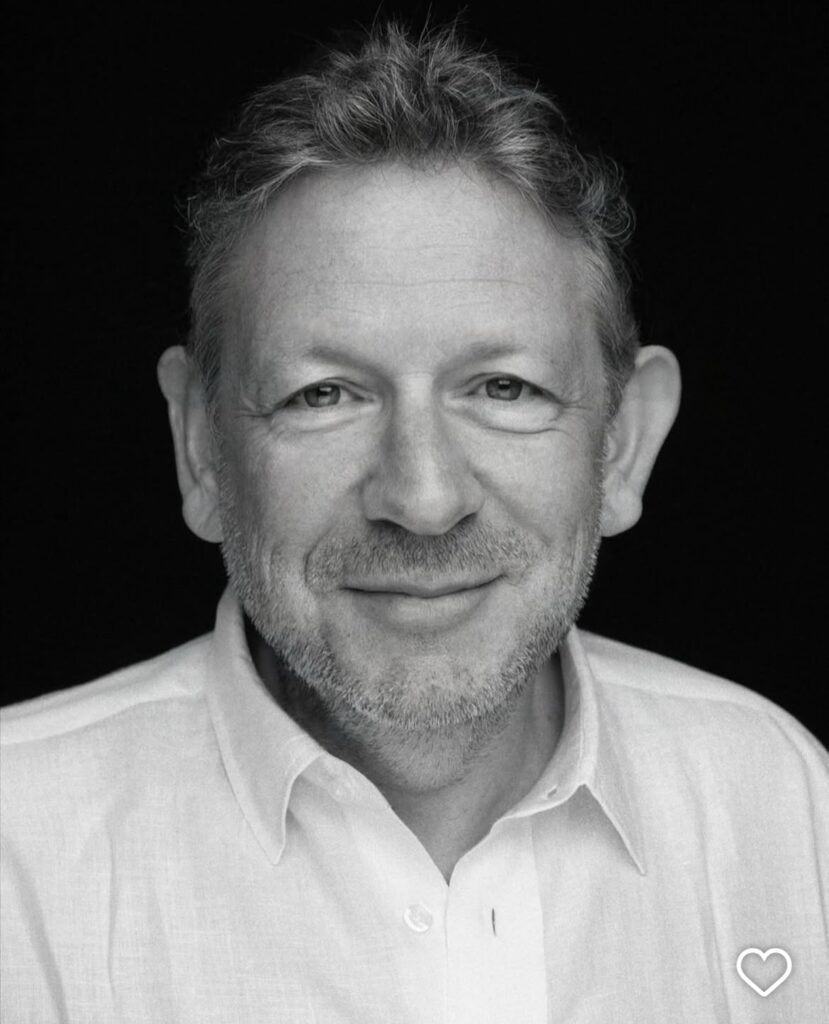
    The ongoing tension between Kendrick Lamar and Drake has produced one of the most talked-about diss tracks of the decade — Not Like Us. Released on May 4, 2024, through Interscope Records, the song became an anthem for fans and a heated talking point in the rap community. But now, an unexpected figure has been pulled into the conversation: Universal Music Group’s CEO, Lucian Grainge.

    According to court documents filed on August 15, 2025, Grainge insists he had nothing to do with the track’s approval, release timing, or promotion. His name surfaced because Drake’s legal team requested access to his personal communications, arguing that he was “personally involved” in decisions surrounding the diss track.

    UMG CEO Lucian Grainge Says He Had No Prior Knowledge of Kendrick Lamar’s “Not Like Us”
    CEO Lucian Grainge

    What exactly did Lucian Grainge say?

    In his sworn statement, Lucian Grainge made it clear that he had never heard the recording of Not Like Us, nor seen the cover art or music video, until after they were released by Interscope Records. He described claims that he approved or directed the rollout as “groundless” and “ridiculous.”

    This puts the spotlight on how much direct involvement a music executive of his level actually has in an individual song release — especially when it comes to artist-driven tracks like diss records.

    Why is Drake’s legal team interested in Grainge’s emails?

    Drake’s lawyers believe Grainge’s communications could reveal whether there was any strategic push from UMG to amplify Not Like Us. This matters to Drake’s side because the song did massive numbers and heavily shaped public conversation during their feud.

    UMG’s legal team has pushed back strongly, calling the request unnecessary and an attempt to harass one of the most high-profile executives in the music business.

    Could a CEO really be unaware of such a huge track before its release?

    It’s more common than people think. Large record companies often manage hundreds of releases a month. While executives might be briefed on major projects or collaborations, not every single track — especially those created quickly in the middle of an artist rivalry — gets a CEO’s attention before it drops.

    In this case, Not Like Us was part of an ongoing rap battle between two megastars. It’s possible the rollout moved fast enough that the usual corporate review process wasn’t followed at the top level.

    Who is truly responsible for the release?

    From the official statements, all signs point to Interscope Records handling the release directly. Interscope is part of UMG, but its team operates with a degree of independence, especially on creative and promotional decisions for its artists.

    If Grainge’s declaration is accurate, the decision to release Not Like Us rested entirely with Interscope’s internal team and Kendrick’s camp.

    What does this mean for the Kendrick vs. Drake feud?

    This legal back-and-forth adds another layer to an already charged rivalry. Kendrick Lamar has been riding a wave of cultural and commercial wins since the track’s release, while Drake’s side continues to look for ways to challenge what they see as an orchestrated push against him.

    Whether Grainge’s name stays in the legal spotlight will depend on the court’s decision about those requested communications. For now, the CEO stands firm: he didn’t hear Not Like Us until the world did.

  • Gospel Artist Sues Travis Scott, SZA & Future Over ‘Telekinesis’ – Claims Ye Had No Role in Original Demo

    Gospel Artist Sues Travis Scott, SZA & Future Over ‘Telekinesis’ – Claims Ye Had No Role in Original Demo

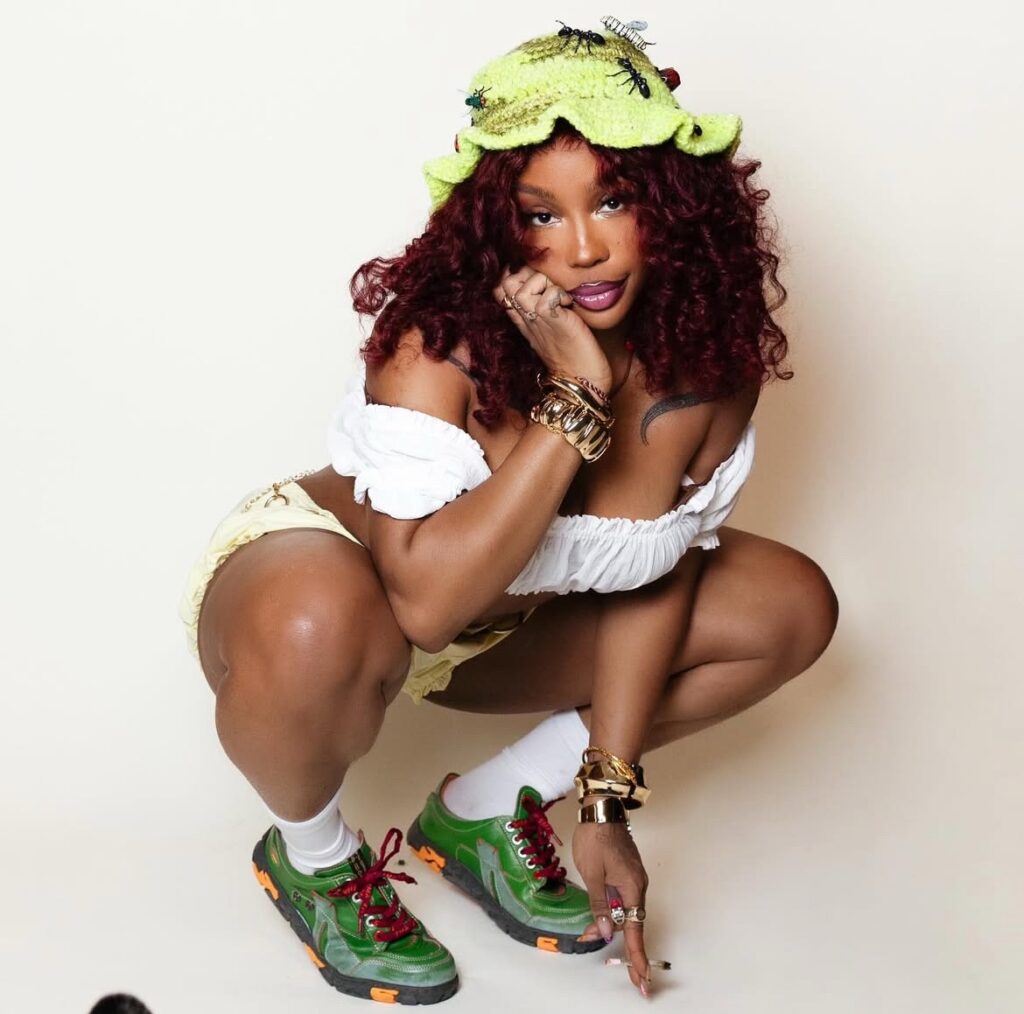
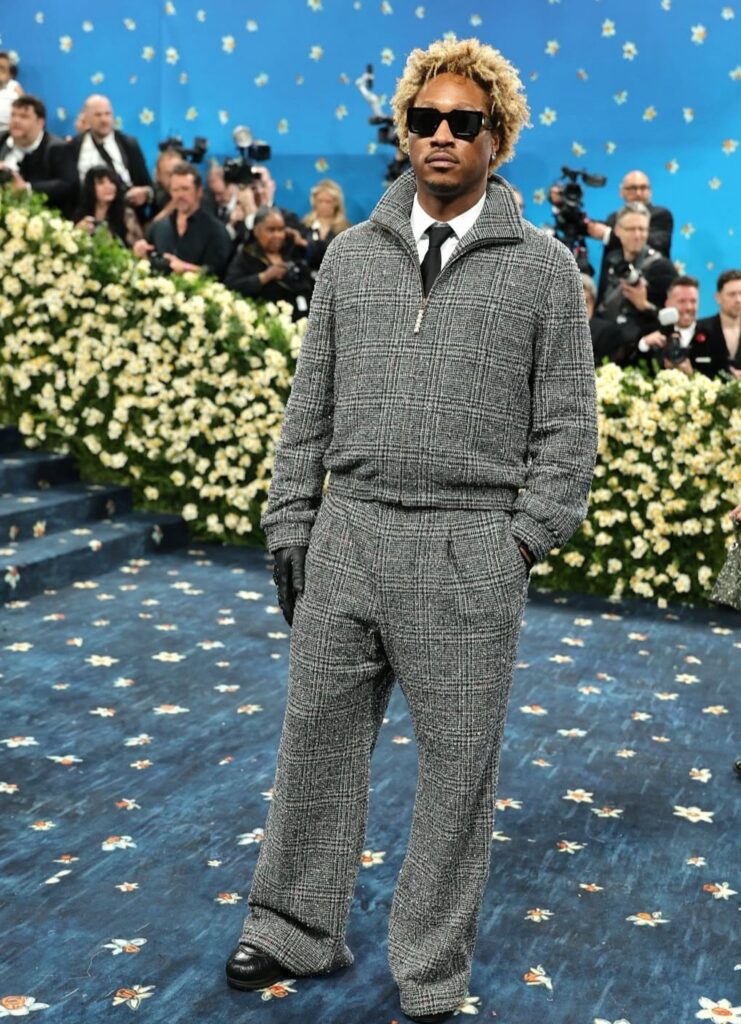
    A legal battle is unfolding over Telekinesis, one of the standout tracks from Travis Scott’s Utopia album featuring SZA and Future. A gospel artist, identified in new court documents, has filed a lawsuit against the three superstars, claiming the song uses elements from a demo he created — without his permission.

    Gospel Artist Sues Travis Scott, SZA & Future Over ‘Telekinesis’ – Claims Ye Had No Role in Original Demo

    The most surprising part? He’s also saying that Ye (formerly Kanye West) didn’t co-write the demo, pushing back against any claim that the rapper-producer was involved in its original creation.

    What’s the Story Behind the Lawsuit?

    According to reports, the gospel singer — who says he recorded the original idea years before Utopia dropped — is accusing Travis Scott and his collaborators of using the structure and vocals from his track without clearance.

    Gospel Artist Sues Travis Scott, SZA & Future Over ‘Telekinesis’ – Claims Ye Had No Role in Original Demo

    The original version, he claims, was shared with individuals close to Ye. From there, he believes it was passed on and eventually used by Travis for Telekinesis, without proper credit or compensation.

    What adds weight to his complaint is that Telekinesis is a fan favorite and features high-profile artists like SZA, whose chorus is often cited as one of the most powerful parts of Utopia.

    Why Deny Ye’s Involvement?

    In the complaint, the gospel artist is not only demanding recognition but is also pushing to clear the record on who created what. He claims Ye never co-wrote the original demo contradicting what some might have assumed due to Ye’s long-standing collaboration with Travis Scott.

    Gospel Artist Sues Travis Scott, SZA & Future Over ‘Telekinesis’ – Claims Ye Had No Role in Original Demo

    The lawsuit is reportedly centered around copyright infringement and seeks both damages and a formal acknowledgment of the plaintiff’s contribution.

    What Fans Should Know

    This isn’t the first time Travis Scott’s music has sparked legal issues. The Utopia rollout was already marked by controversies, and this lawsuit adds a new chapter to an album cycle filled with big moments and bigger conversations.

    If the gospel artist’s claim holds up in court, it could lead to adjustments in songwriting credits or even financial settlements. It may also spark discussions in the industry about how demos are shared and protected, especially when sent to major artists or producers.