Catch up on the latest Nigerian music gist and entertainment news. From Afrobeats stars like Davido, Wizkid, Burna Boy, Rema, and Asake to upcoming talents, we bring you music updates, collaborations, and industry trends.
Renowned Nigerian rapper Reminisce, also known as Alaga Ibile, has just released his highly anticipated EP titled Sui Generis. This seven-track project showcases a blend of talents, featuring collaborations with prominent artists like Vector and Badboy Timz. Sui Generis, which translates to “unique,” exemplifies Reminisce’s innovative approach to hip-hop and Afrobeat.
A Look into Sui Generis
Released on September 27, 2024, Sui Generis builds on Reminisce’s established reputation in the Nigerian music industry. Following his successful 2023 album Alaye Toh Se Gogo VOL. 1, this new EP reflects his versatility and commitment to producing high-quality music. The tracks included in the EP, such as “Kupe,” “Up As Fxck,” and “Ire,” are crafted to resonate with a wide audience, blending catchy hooks with meaningful lyrics.
Featured Artists
The collaboration with Vector adds depth to the project, as both artists are celebrated for their lyrical prowess. Vector, known for his intricate wordplay and storytelling ability, complements Reminisce’s style perfectly. Badboy Timz brings his fresh sound, enhancing the EP’s appeal to younger audiences. Other featured artists include Logos Olori, Bard Banks, Bhadboi OML, and Easyscope, showcasing a diverse range of musical influences.
Production and Sound
The production quality of Sui Generisis a highlight, featuring a mix of traditional and contemporary sounds that reflect Nigeria’s vibrant music scene. This combination allows Reminisce to maintain his roots while also appealing to a global audience. Each track is meticulously crafted, ensuring that listeners experience a seamless journey through various musical styles.
Why Sui Generis Stands Out
What sets Sui Generis apart from other releases is its focus on authenticity and originality. Reminisce has always been an advocate for indigenous hip-hop, and this EP is no exception. By collaborating with both established and emerging artists, he bridges the gap between different genres and generations, creating a rich tapestry of sounds.
Anticipation and Reception
Since the announcement of Sui Generis, anticipation has been high among fans and critics alike. The initial singles, “Up As Fxck” and “Kupe,” received positive feedback, setting the stage for the EP’s release. Fans are eager to see how this project will contribute to the ongoing evolution of Afrobeat and hip-hop in Nigeria.
As Nigeria celebrates its 64th Independence Anniversary, Apple Music has unveiled its list of the top 10 biggest Nigerian songs of all time. This exciting announcement has generated considerable buzz in the music community, especially with Burna Boy leading the charge, followed by Wizkid and Rema, while notable artist Davido is surprisingly absent from the rankings.
Burna Boy’s Dominance
Burna Boy has solidified his position as a powerhouse in the music industry, showcasing his talent and cultural influence with four songs in the top 10. His ability to blend Afrobeat with various genres has resonated with fans both in Nigeria and around the world. Tracks like “Last Last” and “Onyeka (Baby)” highlight his unique sound and storytelling abilities, earning him critical acclaim and numerous awards.
Burna Boy’s success reflects his dedication to producing music that speaks to the heart and soul of his audience. His lyrics often draw from personal experiences and cultural narratives, making them relatable and impactful.
Wizkid and Rema: A Strong Showing
Wizkid, known for his smooth vocals and catchy melodies, has two songs on the list, reinforcing his status as one of the leading figures in Afrobeats. Hits like “Essence” have not only topped charts but have also gained international recognition, further elevating the genre. Wizkid’s collaborations with global artists have expanded his reach, making him a household name.
Rema also shines in this ranking with two standout tracks, including “Dumebi,” which catapulted him into the spotlight. His youthful energy and innovative style resonate with a younger audience, establishing him as a major player in the Afrobeats scene. Rema’s music often explores themes of love and youthful exuberance, making it relatable and enjoyable for fans.
Rising Stars: Ayra Starr and Tems
The inclusion of Ayra Starr and Tems in the top 10 underscores the emergence of new talent in the Nigerian music industry. Ayra Starr’s song “Away” has gained immense popularity, showcasing her vocal prowess and lyrical depth. Her ability to convey emotion through her music has endeared her to fans, positioning her as a rising star to watch.
Tems has also made waves with her distinct voice and thought-provoking lyrics. Her collaboration with Wizkid on “Essence” significantly contributed to her recognition, earning her a spot among Nigeria’s top artists. Tems’ music often explores themes of empowerment and self-discovery, resonating with many listeners.
Davido’s Absence: A Surprising Omission
The absence of Davido from the top 10 list has sparked conversations among fans and industry experts alike. Known for his infectious hits and energetic performances, Davido has been a driving force in the Nigerian music scene. Songs like “Fall” and “If” have defined the sound of Afrobeats globally. His lack of representation in this particular list raises questions about changing trends and listener preferences.
The Impact of Apple Music’s Rankings
Apple Music’s rankings not only celebrate the artists but also reflect the changing dynamics of the Nigerian music industry. With streaming platforms gaining prominence, the way music is consumed and appreciated has shifted significantly. This list serves as a reminder of the artists who have shaped the sound of Nigeria and continue to inspire new generations.
Nigerian Afrobeats superstar Kizz Daniel has recently released two exciting singles, “Marhaba” and “We Must,” as part of his “Vado At 10” celebrations, commemorating ten impactful years in the music industry. These tracks not only highlight his artistic evolution but also reinforce his status as a key player in the Afrobeats genre.
“Marhaba”: A Cross-Cultural Fusion
“Marhaba,” which translates to “welcome” in Arabic, beautifully marries Kizz Daniel’s Afrobeat style with elements of Northern African traditional music. Produced by Ramii and Suhel Nafar, the song is Drawing from his personal experiences during his travels in Northern Africa, he encapsulates a welcoming vibe that resonates with listeners across cultures.
The fusion of different musical influences demonstrates his commitment to expanding the boundaries of Afrobeats and making it accessible to a wider audience.
“We Must”: A Message of Resilience
The second single, “We Must,” carries an empowering message centered on resilience and determination. With production credits to Ayzed and Blaisebeats, this track showcases Kizz Daniel’s growth as an artist. Initially planned as a collaboration with a UK rapper, the project evolved when delays prompted him to take the lead, resulting in a bold solo effort.
This move not only emphasizes his confidence but also his ability to innovate within the genre. The anthem-like quality of “We Must” is poised to inspire listeners, solidifying its potential as a staple in his discography.
A Decade of Impact
Since his breakout single “Woju” in 2014, Kizz Daniel has consistently released hit after hit, making him a household name in Afrobeats. With over four billion streams and sold-out tours across continents, his influence is undeniable. The “Vado At 10” world tour celebrates this remarkable journey, highlighting his significant contributions to music. Tracks like “Buga,” “Lie,” and “Rich Till I Die” have become anthems, further showcasing his ability to create good music.
What’s Next for Kizz Daniel?
As Kizz Daniel continues to celebrate his decade-long career, fans eagerly anticipate what he will offer next. His innovative approach and willingness to experiment with various musical styles suggest that he will remain a significant figure in the Afrobeats scene. By blending different genres and drawing from diverse cultural influences, Kizz Daniel not only enriches his own music but also contributes to the global appeal of Afrobeats.
Wizkid, the Grammy-winning Nigerian superstar, recently hosted an unforgettable release party at a popular nightclub in Paris to celebrate his upcoming single, “Piece of My Heart.” This event marks a significant moment in his musical journey and the anticipation surrounding his new album, Morayo, which pays homage to his mother.
The Buzz Surrounding the Event
The release party drew fans, music industry influencers, and celebrities alike, highlighting Wizkid’s stature in the global music scene. Attendees were treated to a night filled with vibrant performances, exclusive previews, and an electric atmosphere that showcased the essence of Afrobeats. The single “Piece of My Heart,” featuring the talented Brent Faiyaz, blends a variety of genres, including R&B, Caribbean influences, and Dancehall, creating a fresh sound that appeals to a wide audience.
Morayo: An Album With Heart
Wizkid’s album Morayo is anticipated to be a deeply personal project, reflecting his growth as an artist and individual. During interviews, he expressed his desire for the album to resonate with listeners and spread positivity. The album’s title holds sentimental value, as it is named after his mother, further emphasizing the emotional depth that fans can expect.
The snippets shared from the album reveal a blend of smooth melodies and heartfelt lyrics, promising to deliver both danceable tracks and reflective moments. “Piece of My Heart” has already garnered attention for its catchy chorus and engaging production, indicating that this single could be a defining track in Wizkid’s discography.
The Impact of the Release Party
Hosting the release party in Paris not only highlights Wizkid’s international appeal but also signifies his commitment to connecting with fans globally. The choice of venue, a chic nightclub in the heart of the city, adds a layer of exclusivity and excitement to the event. Fans eagerly shared their experiences on social media, amplifying the buzz surrounding both the single and the album.
Hailing from the vibrant and culturally rich streets of port Harcourt Nigeria, Nuel Pistolz who’s birth name is Emmanuel Tamunosusu has carved out a distinct niche for himself in the world of rap music. His journey is a testament to raw talent, relentless hustle, and an unyielding passion for the art of storytelling through rhythm and rhyme.
Nuel Pistolz Position in the family
Nuel Pistolz is the second son in a family of four from Ogu/Bolo Rivers State Nigeria
Early Life and Influences
Born in Nigeria in Ogu/Bolo, Emmanuel Tamunosusu was immersed in a world where music was a constant companion. Growing up in Port Harcourt, he was influenced by a diverse array of sounds—from the traditional beats and melodies of African music to the global rhythms of hip-hop. Artists like 21 savage, Migos, Metro boomin, Tupac Shakur, and Jay-Z served as early inspirations, fueling his desire to merge the rich musical heritage of his homeland with the dynamic energy of rap.
Musical Style and Themes
Nuel Pistolz is known for his unique blend of trap and rap, creating a sound that is both innovative and deeply rooted in his cultural heritage. His lyrics are a powerful narrative, often addressing themes of personal struggle, and the triumph from grass to grace. With a sharp lyrical prowess and a knack for storytelling, Nuel Pistolz paints vivid pictures of life in Nigeria, resonating with audiences both locally and globally.
Career Milestones
Since stepping into the music scene, Nuel Pistolz has released several singles that have garnered significant attention. Tracks like “Grind” and “Account” [both tracks are available on audio mack] showcase his ability to combine gritty, honest lyrics with infectious beats. His music videos, characterized by vibrant visuals and compelling narratives, have also gained a substantial following on platforms like YouTube and Instagram.
Nuel Pistolz has shared the stage with some of the biggest names in the Nigerian music industry here in Port Harcourt, performing at major events and festivals across the country. His energetic stage presence and ability to connect with the audience have made him a favorite among live music enthusiasts.
Collaborations and Projects
A collaborative spirit, Nuel Pistolz has worked with various artists and producers, further enriching his musical repertoire. His collaborations span a range of genres, demonstrating his versatility and commitment to pushing the boundaries of rap music. His upcoming EP, “Echoes of the Street,” is highly anticipated and promises to deliver a fresh wave of hits.
Looking Ahead
With his eyes set on international stardom, Nuel Pistolz continues to evolve as an artist. He aims to use his platform to shine a light on important social issues and inspire the next generation of musicians. His dedication to his craft and his unwavering belief in the power of music to bring about change make him a force to be reckoned with in the world of rap.
Nuel Pistolz is not just a rapper; he is a storyteller, a cultural ambassador, and a visionary. As he continues to rise, one thing is clear: the world is yet to see the full extent of his talent. Stay tuned as Nuel Pistolz takes the music world by storm, one beat at a time.
Wizkid, one of Nigeria’s most celebrated music experts, has once again stirred excitement with the announcement of his upcoming album Morayo. Named in honor of his late mother, the album promises to showcase the artist in a more personal light. With snippets already shared, the album is shaping up to be a memorable addition to Wizkid’s already impressive catalog.
What Makes Morayo Different?
Unlike Wizkid’s previous projects, Morayo carries emotional weight, being dedicated to his mother who passed away in 2023. This personal connection suggests a deeper, more reflective side to the artist. While Made in Lagos offered a smooth blend of Afrobeat and R&B, Morayo hints at a more introspective direction, one where Wizkid hopes to spread positive energy to his listeners.
Featured Collaborations
One of the album’s most talked-about features is the track Piece of My Heart, a collaboration with American R&B sensation Brent Faiyaz. This track brings together multiple influences, merging Afrobeat with Caribbean, Dancehall, and R&B elements. Wizkid has always been known for his genre-blending ability, and this collaboration underscores his global appeal, making Piece of My Heart a song to watch out for when the album drops.
Sound and Production
Fans of Wizkid are familiar with his laid-back style and unique voice that blends perfectly with the Afrobeat sound. With Morayo, it seems he will be leaning into his strengths while also exploring new musical territories. Collaborating with long-time producers like P2J, Wizkid has crafted a sound that captures the mellow yet vibrant feel that fans have come to love. The inclusion of Brent Faiyaz adds an international dimension to the music, appealing to both Afrobeat enthusiasts and global R&B fans.
What to Expect From the Album
Wizkid’s ability to create timeless music that transcends borders has been evident since his earlier works. With Morayo, listeners can expect a mix of Afrobeat rhythms, introspective lyrics, and an overall theme of positive vibes. Fans are eagerly awaiting the release to see how Wizkid will express his emotions and how this album will compare to his previous hits like Ojuelegba and Essence.
Why the Hype?
Over the years, Wizkid has become a global icon, collaborating with stars like Drake, Beyoncé, and Justin Bieber. His music consistently tops charts, making him one of the most influential Afrobeat artists in the world. Given the personal nature of Morayo and the buzz surrounding its release, it is likely to resonate deeply with fans and potentially mark another milestone in his career.
Stay tuned for the official release of Morayo and more surprises from Big Wiz as he continues to push the boundaries of Afrobeat.
In the dynamic realm of Nigerian music, Timaya shines as a beacon of talent and creativity. However, despite his undeniable contributions to the industry, Timaya’s absence from certain award nominations raises questions about the influence of industry politics. In this blog post, we delve into the complexities of award nominations and explore how factors beyond musical merit may impact an artist’s recognition.
Understanding industry politics in Award Nomination
Numerous factors, such as an artist’s popularity, commercial success, and critical recognition, frequently impact award nominations. But industrial politics, with its alliances, personal prejudices, and behind-the-scenes manipulating, can also be quite important. These political tensions inside the music industry may be partially to blame for Timaya’s lack of nominations at several award events.
The complexities of Recognition
Fans and industry insiders alike recognise Timaya’s brilliance and significance, but there have been challenges in his path to popular fame. Timaya has been a part of spectacular concerts and chart-topping tunes, yet her name is noticeably missing from certain prominent award nominations. This disparity highlights the complex relationship between artistic value and business politics in the Nigerian music scene.
Navigating the Landscape of Nigerian Music Award.
In Nigeria’s vibrant music scene, award shows are used to promote and honour the country’s finest musicians. External influences, such as personal relationships, alliances, and even rivalries, might, on occasion, obscure the nomination process. While Timaya’s music has a strong appeal to both listeners and critics, his absence from certain nominations underscores the need for greater openness and fairness in the prize selection process.
The Resilience of Timaya’s Fan Base
Despite the hurdles faced by industry politics, Timaya’s fan base remains unwavering in their support for the artist. Fans continue to raise Timaya’s profile and celebrate his musical accomplishments through social media activism, concert attendance, and streaming figures. Their unrelenting dedication demonstrates Timaya’s long-lasting influence on Nigerian music, which extends beyond award nominations.
As we negotiate the complexities of Nigerian music awards, it is critical to acknowledge the role of industry politics in the nomination process. While Timaya’s exclusion from certain nominations may raise questions, his evident talent and devoted fan base solidify his place as a prominent player in Nigerian music. As we advocate for openness and fairness in the industry, let us continue to recognise artists like Timaya, whose talents enhance the cultural tapestry of Nigerian music.
Industry politics can manifest in Various ways within the Nigerian music industry, impacting artist, producers, and other stakeholders.Here are some examples:
Payola: Payola refers to the practice of paying for airplay on radio stations or placement on music charts. In Nigeria, payola can influence which songs receive heavy rotation on the airwaves, regardless of their quality or popularity among listeners. This practice can disadvantage independent artists who may not have the financial resources to engage in payola.
Gatekeeping: Gatekeeping occurs when industry insiders control access to opportunities such as record deals, collaborations, and performance slots. This can create barriers for emerging artists trying to break into the mainstream, as they may struggle to gain visibility without the support of influential figures within the industry.
Award selection Bias: The process of selecting nominees and winners for music awards can be influenced by personal biases, affiliations, and relationships within the industry. As a result, deserving artists may be overlooked in favor of those with stronger connections or alliances with award organizers.
Record labelspolitics: Record labels wield significant power in the music industry, often dictating an artist’s career trajectory and creative decisions. Label politics, including favoritism toward certain artists or neglect of others, can impact an artist’s success and visibility within the industry. Competition and Rivalries: Competition among artists and labels can sometimes lead to conflicts and rivalries that overshadow the music itself. This competitive environment can create tensions and divisions within the industry, affecting collaboration opportunities and the overall atmosphere of camaraderie. Streaming and Playlist Manipulation: In the digital age, streaming platforms and curated playlists play a crucial role in music consumption. However, industry politics can influence which songs are included in prominent playlists or featured on streaming platforms, affecting an artist’s exposure and streaming revenue. These examples highlight the complex interplay of factors that shape the Nigerian music industry and underscore the importance of transparency and fairness in promoting diversity and supporting emerging talent.
How do fans play a role in shaping an artist Success despite the industry politics?
Fans play a crucial role in shaping an artist’s success and impact, especially in the face of industry politics. Here’s how:
Support and loyalty: Fans provide unwavering support to their favorite artists, attending concerts, buying albums, and streaming their music. This support not only generates revenue for the artist but also helps to boost their visibility and relevance within the industry. Social Media Advocacy: In today’s digital age, fans have the power to amplify an artist’s voice through social media platforms. By sharing content, posting positive reviews, and engaging with their favorite artists online, fans can help to create buzz and generate interest in their music. Word of Mouth: Positive word-of-mouth recommendations from fans can significantly impact an artist’s success. When fans share their love for an artist’s music with friends, family, and followers, it can lead to increased exposure and attract new listeners to their music.
Creating Community: Fans often come together to form communities centered around their shared love for an artist’s music. These communities provide a sense of belonging and support for both the artist and fellow fans, fostering a strong sense of loyalty and dedication.
Demand for Authenticity: Fans appreciate authenticity and are drawn to artists who stay true to themselves and their craft. In an industry where image and trends often dominate, artists who prioritize authenticity can build deeper connections with their fan base and stand out amidst the noise.
Championing Diversity: Fans have the power to champion diversity and support artists from underrepresented backgrounds or genres. By embracing artists who may not fit the mainstream mold, fans can help to push boundaries and promote a more inclusive and diverse music industry.
In essence, fans are not just passive consumers of music; they are active participants who play a vital role in shaping an artist’s success and navigating the challenges of industry politics. Their unwavering support, advocacy, and dedication can often make the difference between obscurity and stardom for an artist.
Odumodublack has undoubtedly created waves in the rap arena, offering a new viewpoint and energy that some may argue has revitalised the genre. Wizkid’s endorsement demonstrates Odumodublack’s influence on the rap world, bringing new life to what some may have deemed a stale genre.
In a recent statement, Wizkid stirred controversy by proclaiming rap as a “dead genre.” However, rising star Odumodublack is challenging this narrative with his dynamic approach to rap music. Let’s delve into how Odumodublack is breathing new life into the rap scene, revitalizing a genre that some believed to be on the decline.
The Decline of Rap: Wizkid’s assertion of rap’s demise sparked debate within the music industry. With the rise of other genres and changing musical tastes, some argued that rap was losing its relevance.
Odumodublack’s Emergence: Despite these claims, Odumodublack emerged as a beacon of hope for rap enthusiasts. With his innovative style and lyrical prowess, he quickly garnered attention and amassed a dedicated fan base.
Redefining Rap: Odumodublack’s music challenges conventional rap norms, blending elements of various genres to create a unique sound that resonates with listeners. His versatility and authenticity set him apart in an increasingly saturated music landscape.
Cultural impact: Beyond his musical talents, Odumodublack’s influence extends to cultural and societal realms. His lyrics reflect the realities of contemporary life, tackling issues such as social justice, mental health, and identity.
Collaborative spirit: Odumodublack’s collaborative efforts with other artists further demonstrate his commitment to pushing the boundaries of rap music. By collaborating with diverse talents, he fosters creativity and innovation within the genre.
Wizkid’s Recognition: Despite his earlier statement, even Wizkid acknowledged Odumodublack’s contribution to the rap scene. His endorsement serves as validation of Odumodublack’s impact and underscores the resilience of rap music.
Odumodublack’s rise ushers in a new era for rap music, defying predictions of its demise. His work has rekindled interest in the genre and inspired a new generation of rap performers. As the music industry evolves, Odumodublack’s legacy serves as a reminder of rap’s continued importance and ability to fascinate people throughout the world.
In the ever-changing realm of rap music, few musicians have had as significant an impact as Odumodublack. From his humble origins to his climb to popularity, his story has enthralled viewers and made an unforgettable effect on the rap scene.
Odumodublacks Background:
Odumodublack was born and raised in the heart of Lagos, Nigeria, and developed his love for music at a young age. Inspired by the sounds of hip-hop icons like as Tupac Shakur and Notorious B.I.G., he began perfecting his skill, using music as a way of self-expression and storytelling. Despite overcoming various problems as a child, including financial difficulties and societal limitations, Odumodublack remained determined to pursue a career in music.
Blowing up:
Odumodublack’s rise to popularity was not sudden. It was distinguished by years of dedication, hard labour, and tenacity. Armed alone with his talent and determination, he navigated the difficulties of the music industry, gradually creating a passionate fan base along the way.
His breakthrough came with the release of his debut single, Picanto which swiftly acquired popularity on social media and drew the attention of industry insiders. Odumodublack’s career took off from there, as he began to release hit after hit, receiving praise for his lyrical prowess and distinct sound.
impact on the Rap Community:
Odumodublack’s music has resonated deeply with fans around the world, transcending borders and cultural barriers. His raw and authentic approach to storytelling has earned him praise from fellow artists and critics alike, solidifying his place as a force to be reckoned with in the rap community.
Moreover, Odumodublack’s success has opened doors for aspiring artists, particularly those from underrepresented backgrounds. His rise to prominence serves as a testament to the power of perseverance and self-belief, inspiring a new generation of musicians to chase their dreams fearlessly.
Furthermore, Odumodublack’s impact extends beyond the realm of music. He has been vocal about social issues, using his platform to advocate for change and shed light on injustices facing marginalized communities. Whether through his lyrics or his actions, Odumodublack continues to challenge societal norms and push for progress.
In an industry often dominated by trends and fleeting fads, Odumodublack stands as a beacon of authenticity and creativity. Through his music and activism, he has not only entertained audiences but has also sparked important conversations and challenged the status quo. As he continues to push the boundaries of rap music and use his platform for good, one thing is certain: Odumodublack’s impact on the rap community will be felt for years to come.
How has Odumodublacks Music impacted the rap community?
Authentic storytelling: Through his lyrics, Odumodublack shares authentic stories that resonate with listeners from various backgrounds. His ability to craft compelling narratives about his own experiences and those of others has earned him respect and admiration within the rap community.
cultural representation: As a Nigerian artist, Odumodublack brings a unique cultural perspective to his music. He has helped to diversify the rap landscape, shedding light on the vibrant music scene emerging from Africa and inspiring other artists to embrace their cultural roots.
Social Commentary: Odumodublack isn’t afraid to tackle social and political issues in his music. He addresses topics such as inequality, poverty, and corruption, sparking important conversations and raising awareness among his audience.
Musical innovation: With his distinct sound and innovative approach to production, Odumodublack pushes the boundaries of traditional rap music. His willingness to experiment with different styles and genres has helped to keep the genre fresh and exciting. Inspiration for Aspiring Artists: Odumodublack’s journey from humble beginnings to international success serves as an inspiration for aspiring artists everywhere. He proves that with talent, hard work, and perseverance, it’s possible to achieve your dreams in the competitive world of rap music. Overall, Odumodublack’s music has made a lasting impression on the rap community, influencing both artists and listeners alike with its authenticity, cultural richness, and social relevance.
Phyno, the renowned Nigerian rapper, has always been known for his ability to surprise fans with his musical choices. His latest project, Full Time Job, has stirred a wave of reactions, not only because of its powerful lineup of Nigerian and international stars, but also due to a collaboration no one saw coming: an interlude featuring the controversial figure, Hushpuppi.
Phyno’s Full Time Job: A Star-Studded Release
Scheduled for release on October 4, 2024, Full Time Job is already generating significant buzz. Phyno’s fans are eagerly waiting to hear tracks featuring top names like Burna Boy, Johnny Drille, Cheque, Flavour, and British talents like Arrdee. However, it’s the appearance of Hushpuppi, an imprisoned figure known for his involvement in internet fraud, that has caught everyone’s attention.
The Unexpected Hushpuppi Feature
Phyno’s decision to include Hushpuppi on the track “Nwoke Esike” has caused widespread speculation. The two had a public clash back in 2017, when Phyno criticized Hushpuppi’s extravagant lifestyle on social media, which led to a heated exchange. Many assumed their relationship would remain fractured, yet here we are, seven years later, with Phyno including him on one of the most anticipated albums of the year.
The track is set to feature an interlude from Hushpuppi, which fans believe may have been recorded prior to his imprisonment. This bold move has led to questions about whether the two have reconciled, and if so, how this collaboration came to be. Some speculate that this could symbolize a turning point in their relationship, while others believe it is purely a strategic move to create buzz around the album.
The Reactions: Divided Opinions Online
The response from Phyno’s fanbase has been a mix of shock, curiosity, and criticism. Social media is filled with comments questioning the inclusion of Hushpuppi, with some expressing discontent due to the negative association with his criminal past. Others, however, are intrigued by the story behind this collaboration and believe it could lead to a deeper message within the track.
This feature also raises the question of how Phyno will navigate the controversy, considering the global reach of his music. The inclusion of a figure like Hushpuppi, who is synonymous with fraud, could lead to discussions beyond music, touching on themes of redemption, power, and fame.
Beyond Hushpuppi: A Blend of Nigerian and British Influences
While the Hushpuppi collaboration has generated the most attention, Full Time Job is packed with exciting features that could make it one of Phyno’s most successful projects yet. Tracks with Flavour and Johnny Drille promise to bring emotional depth and vocal diversity, while collaborations with Burna Boy and Arrdee add both energy and international appeal.
This fusion of Nigerian and British artists shows Phyno’s intent to reach a broader audience, tapping into the global Afrobeat movement that has been taking the world by storm. From catchy hooks to introspective lyrics, the album seems primed to cater to both local fans and those following Afrobeat trends worldwide.
What to Expect From Full Time Job
With Phyno’s versatility and his unique ability to blend Igbo rap with mainstream sounds, fans can expect Full Time Job to offer a mix of energetic bangers and thought-provoking tracks. The album promises to showcase Phyno’s growth as an artist while staying true to the style that has made him a household name in Nigeria.
Tracks like “Do I” featuring Burna Boy and “Sweet Karma” with Flavour are already predicted to be fan favorites, offering a blend of Afrobeat rhythms and deep lyrics. Phyno’s attention to detail and his ability to pull together different sounds will likely make Full Time Job a standout release in his discography.
In the mid-90s, hip-hop was defined by fierce rivalries, with the East Coast vs. West Coast feud standing out as the most notorious. This conflict reached a peak when 2Pac, after aligning with Death Row Records, released “Hit ‘Em Up,” a track that took direct aim at some of New York’s most respected artists, including Mobb Deep. Known for their raw, street-heavy sound, Mobb Deep took offense and responded with the track “Drop a Gem on ’Em.” This post explores the significance of their response, examining the background, the lyrics, and the impact this diss track had on 90s hip-hop.
The Build-Up: How 2Pac Targeted Mobb Deep
By 1996, the tension between East and West Coast rappers had escalated, largely fueled by 2Pac’s aggressive stance. Fresh out of prison and under the Death Row banner, 2Pac was relentless in his attacks, particularly on The Notorious B.I.G. and his circle.
In “Hit ‘Em Up,” he aimed his aggression at Mobb Deep, famously mocking Prodigy’s battle with sickle cell anemia with the line:
“Don’t one of you n**s got sickle cell or something?”
This line wasn’t taken lightly by Mobb Deep, prompting them to craft their own rebuttal.
Unpacking “Drop a Gem on ’Em”
Released on their Hell on Earth album in November 1996, “Drop a Gem on ’Em” served as Mobb Deep’s answer to 2Pac’s provocation. The track exemplifies the duo’s signature style, combining Havoc’s eerie production with Prodigy’s menacing delivery. Without mentioning 2Pac by name, the lyrics clearly address the insults thrown at them.
Prodigy’s line, “Rock you in your face, stab your brain with your nose bone,” stands out as one of the key moments in the track, conveying the intensity of their response. The approach taken by Mobb Deep was more subtle yet equally aggressive, leaning on street credibility and lyrical finesse.
Havoc’s beat reinforces the mood, characterized by dark, atmospheric sounds that mirror the gritty vibe of New York streets. Compared to 2Pac’s more straightforward attack in “Hit ‘Em Up,” Mobb Deep’s response relied on wordplay and a more layered approach to deliver their message.
The Controversy Around the Track’s Release
One aspect that adds to the significance of “Drop a Gem on ’Em” is its timing. The track was recorded before 2Pac’s death in September 1996, but its release came after, raising ethical questions about whether a diss track should be dropped when the target is no longer alive. Mobb Deep did consider shelving the track but ultimately chose to release it, noting that the recording was already completed and relevant to the ongoing rivalry.
Despite the controversy, the track gained significant attention and quickly became a fan favorite. It remains a standout moment on Hell on Earth, reinforcing Mobb Deep’s position in the upper echelon of 90s rap.
The Lasting Impact of “Drop a Gem on ’Em”
Within the broader narrative of 90s hip-hop, “Drop a Gem on ’Em” goes beyond being a diss track. It captures the intensity of rap feuds at a time when words carried real consequences. Unlike many modern-day diss tracks that chase social media attention, Mobb Deep’s response was deeply personal, rooted in their desire to defend their reputation and neighborhood pride.
The track remains a pivotal moment in Mobb Deep’s catalog, demonstrating their ability to stand firm without compromising their sound. While it never reached the commercial success of 2Pac’s “Hit ‘Em Up,” it is still revered as a classic by hardcore hip-hop enthusiasts. Its legacy is a reminder of how serious these rivalries were during that era, and how they shaped the careers of those involved.
The Significance of “Drop a Gem on ’Em” for Mobb Deep’s Legacy
Following the release of Hell on Earth, Mobb Deep’s status as one of the most respected duos in rap solidified further. The album debuted at number six on the Billboard 200 and highlighted the group’s consistent ability to produce gritty, authentic music even during a time of heightened tension in the rap scene.
For hip-hop fans, “Drop a Gem on ’Em” stands as a symbol of the era when rap beefs had weight and meaning. It’s a track that encapsulates the no-nonsense, street-centric ethos that defined Mobb Deep’s sound and solidified their reputation. Through all the drama of the East Coast vs. West Coast conflict, Mobb Deep held their ground and delivered a song that’s still celebrated decades later.
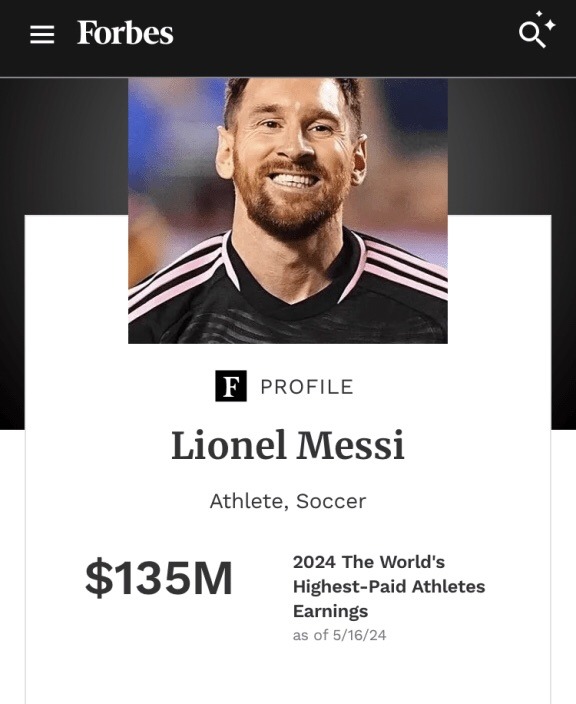
When you think of wealth in the sports and music industries, a few names immediately come to mind. In football, Lionel Messi and Cristiano Ronaldo are the undisputed kings, not just for their prowess on the field but also for their staggering earnings. On the other hand, in music and entertainment, JAY-Z has built an empire that stretches far beyond rap music. What’s mind-blowing is that the net worth of JAY-Z is reportedly more than double that of Messi and Ronaldo combined!
The Football Giants: Messi & Ronaldo’s Combined Net Worth
Lionel Messi and Cristiano Ronaldo have dominated football for over a decade, not only raking in trophies but also immense wealth. According to Forbes magazine reports:
Lionel Messi’s Net Worth: Approximately $135 million.
Cristiano Ronaldo’s Net Worth: Approximately $260 million.
Together, their combined net worth totals roughly $335 million That’s huge, but as surprising as it sounds, it’s not even half of what JAY-Z is worth.
JAY-Z: The Rap Mogul Worth $2.5 Billion
JAY-Z, born Shawn Carter, is not just a rapper; he’s a full-blown business mogul. From music royalties and record labels to investments in fashion, liquor, and tech, JAY-Z has created multiple income streams that have built his fortune. As of 2024, his net worth is estimated at a whopping $2.5 billion.
Here’s a look at some of the key businesses and investments contributing to his wealth:
Music and Streaming: JAY-Z’s catalog alone is worth millions. Additionally, his involvement with TIDAL, a music streaming service, significantly boosted his earnings.
Alcohol Brands: JAY-Z has stakes in premium alcohol brands, including Ace of Spades (Armand de Brignac) champagne and D’Ussé cognac, which have seen significant growth over the years.
Roc Nation: Founded by JAY-Z, Roc Nation is a powerhouse in the entertainment and sports management sectors, representing top artists and athletes.
Art and Real Estate: JAY-Z is also heavily invested in high-value art and luxury real estate, further adding to his net worth.
Comparing Music Money to Football Money
The fact that JAY-Z’s net worth outshines that of Messi and Ronaldo combined sends a clear message: the music industry, especially when leveraged with smart investments, can be just as (if not more) lucrative as sports. JAY-Z’s journey from rapper to billionaire mogul showcases the potential of diversifying income sources and scaling them strategically.
Why This Comparison Matters
The comparison between JAY-Z and football’s greatest icons isn’t just a numbers game. It challenges conventional thinking about wealth in sports versus entertainment. Many people assume that top athletes, given their salaries and endorsements, are at the top of the wealth ladder. However, when you factor in smart investments, ownership stakes, and diverse business ventures, JAY-Z has managed to climb far beyond just the music industry.
The next time someone mentions footballers making big money, remind them that JAY-Z’s fortune eclipses even Messi and Ronaldo’s combined wealth. It’s a testament to how diverse investments, ownership, and entrepreneurship can take you from being just wealthy to becoming a billionaire.
whether it’s football or music, both industries have the potential for massive earnings. However, the way those earnings are managed, reinvested, and scaled makes all the difference. JAY-Z has shown that even in a world dominated by superstar athletes, the smart money often belongs to the business-minded moguls.
On August 24, 2015, Nigerian artist Vector Tha Viper set an unmatched rap record. Vector, known for his lyrical prowess, astonished listeners by executing an uninterrupted freestyle session spanning more than two hours on Rhythm FM’s The Road Show with Raezy Winston. This event not only established a standard in the Nigerian hip-hop business, but it also demonstrated the rapper’s extraordinary ability to maintain bars, flow, and innovation without losing momentum.
What Made This Freestyle So Iconic?
Vector’s performance wasn’t just about the length; it was a showcase of skill, stamina, and presence. He rapped effortlessly, weaving through different topics, punchlines, and wordplay, all while maintaining the attention of listeners for such an extended period. His versatility as an artist was clear in how he switched up flows and effortlessly delivered sharp, thought-provoking rhymes.
Listeners tuned in from across Nigeria, and the buzz on social media that followed was electric. Fans and industry professionals alike recognized it as a significant moment for the rap culture in the country. The session wasn’t pre-recorded or rehearsed—just pure, spontaneous freestyling that captured the essence of hip-hop.
Why Has the Record Remained Unbroken?
Freestyling for such a long time requires more than just lyrical ability; it demands mental endurance, focus, and a deep well of creative inspiration. While many Nigerian rappers have freestyled impressively, few have come close to Vector’s consistency and endurance on that day. Holding a crowd’s attention while maintaining quality content is no easy feat, and Vector’s ability to do so for over two hours is a rare achievement in itself.
Furthermore, breaking this record would require a rapper with a similar combination of skill, creativity, and endurance. Vector’s session set a high bar, and anyone attempting to surpass it would need to not only match his energy but also captivate the audience throughout.
The Legacy of Vector’s Freestyle
This event did more than establish a record; it cemented Vector’s place as one of Nigeria’s top rappers. His ability to deliver consistently at such a high level has contributed to his lasting relevance in the industry. Fans still talk about that freestyle today, often pointing to it as a defining moment in Nigerian hip-hop.
In an industry where trends shift quickly, Vector’s freestyle remains a timeless moment, still referenced and celebrated nearly a decade later. It’s a reminder of what true freestyling embodies—spontaneity, creativity, and the raw expression of thoughts and ideas without a script.
How Does This Compare Globally?
While global rap scenes have seen impressive freestyles, Vector’s performance stands out in its own right. His session sits alongside some of the longest freestyles worldwide, and it’s a feat that remains unparalleled in Nigeria.
As we celebrate the anniversary of this moment, it’s clear that Vector’s achievement is more than just a record—it’s a moment of pride for Nigerian hip-hop. The fact that it remains unchallenged speaks volumes about how significant it was and continues to be.
If you’re a fan of rap, whether in Nigeria or beyond, Vector’s session is one you should revisit. It’s a masterclass in freestyle
Magnito, a Nigerian rapper and songwriter, has created a unique space for himself in the music scene with his vibrant storytelling, relatable lyrics, and catchy melodies. His songs go beyond typical commercial tracks—they bring stories that resonate deeply with listeners, especially those familiar with the Nigerian experience. The lasting appeal of Magnito’s music lies in his distinct approach to both content and delivery, which makes his songs enjoyable long after their release.
Storytelling that Sticks
One thing that sets Magnito apart is his ability to tell stories through his music. Rather than just sticking to popular trends or simple hooks, he crafts narratives that capture everyday life experiences. Tracks like “If I Get Money Eh” and his well-known “Relationship Be Like” series are prime examples of this. In these songs, Magnito paints vivid scenes of situations many people can easily relate to—whether it’s about relationships, struggles, or aspirations.
How Magnito Uses Metaphors in His Songs
One of the reasons Magnito’s music sticks with listeners is his metaphoric style of rap. He has a way of comparing everyday struggles, relationships, and hustles with witty expressions that paint deeper meanings.
His metaphoric style shows that he’s not just a rapper but also a creative storyteller who can turn ordinary life into lyrical art.
His storytelling approach keeps listeners coming back because each play offers something new to discover in the lyrics. The engaging way he presents relatable stories makes his music hard to forget, enhancing its replay value.
“If I Get Money Eh” – A breakout hit that mixes humor with aspiration.
“Genevieve” – A love-inspired rap that showcases his storytelling.
“Girls” ft. Juwhiz – A playful track that blends catchy rhythms with witty lyrics.
“Relationship Be Like” (series) – Hilarious storytelling that fans can’t get enough of.
Everyday Topics Delivered with Humor
Magnito’s songs often touch on themes that are familiar to many, like love, money, and social situations. What makes his take on these topics stand out is the way he blends humor with authenticity. The “Relationship Be Like” series, for instance, humorously highlights common relationship issues in a way that listeners can’t help but laugh while nodding in agreement.
This blend of lightheartedness and truth gives his songs a broad appeal. They don’t feel forced or overly commercial, which allows his audience to connect with them on a personal level. This genuine feel is a big reason why people keep coming back to his music.
Clever Use of Language
Magnito’s use of Pidgin English gives his music a distinct flavor. Pidgin is widely spoken across Nigeria, and his skillful integration of it into his lyrics makes his tracks more relatable and enjoyable. The witty lines and playful word choices in Pidgin make his songs memorable and fun to sing along to, whether he’s talking about everyday struggles or social life.
This unique blend of language, humor, and rhythm ensures that Magnito’s songs stick with listeners long after they first hear them. The melodies are catchy, but it’s the relatable words and clever phrasing that truly make them replayable.
Catchy Beats and Strong Production
Magnito’s songs’ timeless appeal is also largely due to their excellent production. His music creates patterns that captivate listeners from the first beat by fusing hip-hop elements with Afrobeat rhythms. This combination is demonstrated by songs like “Genevieve” and “If I Get Money Eh,” which provide dance-oriented sounds without detracting from the lyrics.
It makes sense that people listen to these songs repeatedly because the music is as pleasurable to hear as the lyrics are thought-provoking. His songs stand out in a crowded field thanks to their potent production and distinctive message.
Collaborations That Add Variety
Magnito has consistently worked with top-tier artists like Falz, Patoranking, and Duncan Mighty, bringing a mix of voices and styles to his music. These collaborations broaden the reach of his tracks while keeping the sound fresh and versatile. The added diversity that comes from featuring different artists ensures that listeners don’t tire of his music easily.
This ability to keep things interesting through well-chosen collaborations is another reason why Magnito’s songs remain relevant and replayable.
Staying Power in a Fast-Paced Industry
In a music industry where trends change rapidly, it’s easy for songs to lose their appeal quickly. However, Magnito’s focus on meaningful content helps his music stand the test of time. By creating songs with substance rather than just chasing trends, he ensures that his tracks stay relevant long after their initial release.
Listeners appreciate the depth and thought behind his lyrics, making his catalog one that fans continue to revisit. It’s this lasting quality that solidifies his place as an artist with real staying power.
Is Magnito Underrated in Nigerian Music?
Yes, many fans believe Magnito is underrated compared to mainstream Afrobeats stars. While he may not dominate charts like Burna Boy or Asake, his cult following proves that good music doesn’t always need heavy promotion — word of mouth and replay value keep his songs alive.
Reported by Anything Celebrity – Nigeria’s hub for entertainment gist and celebrity updates.
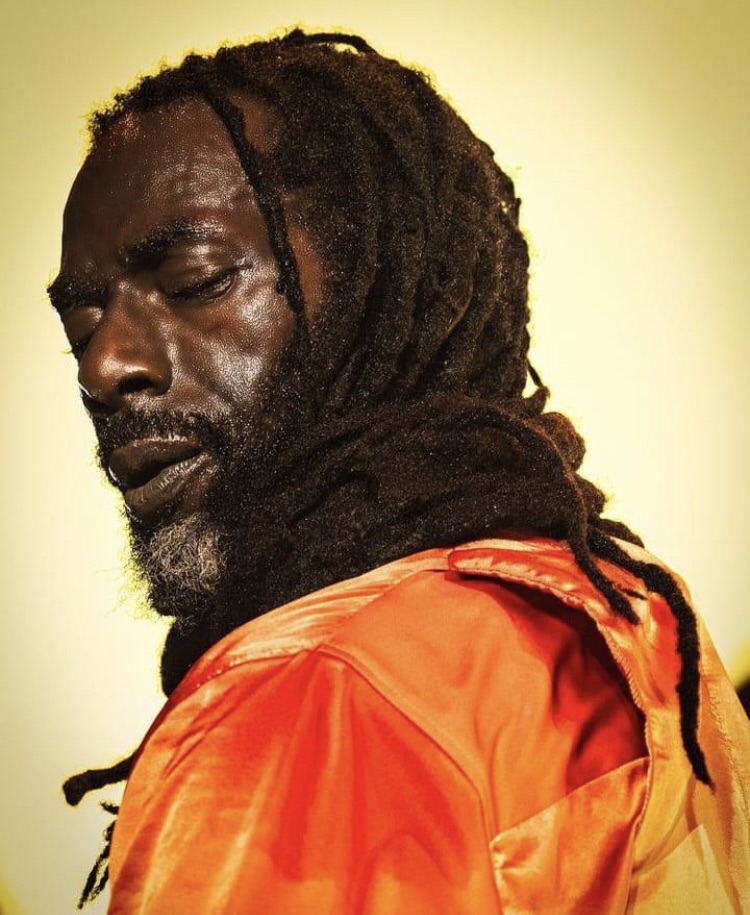
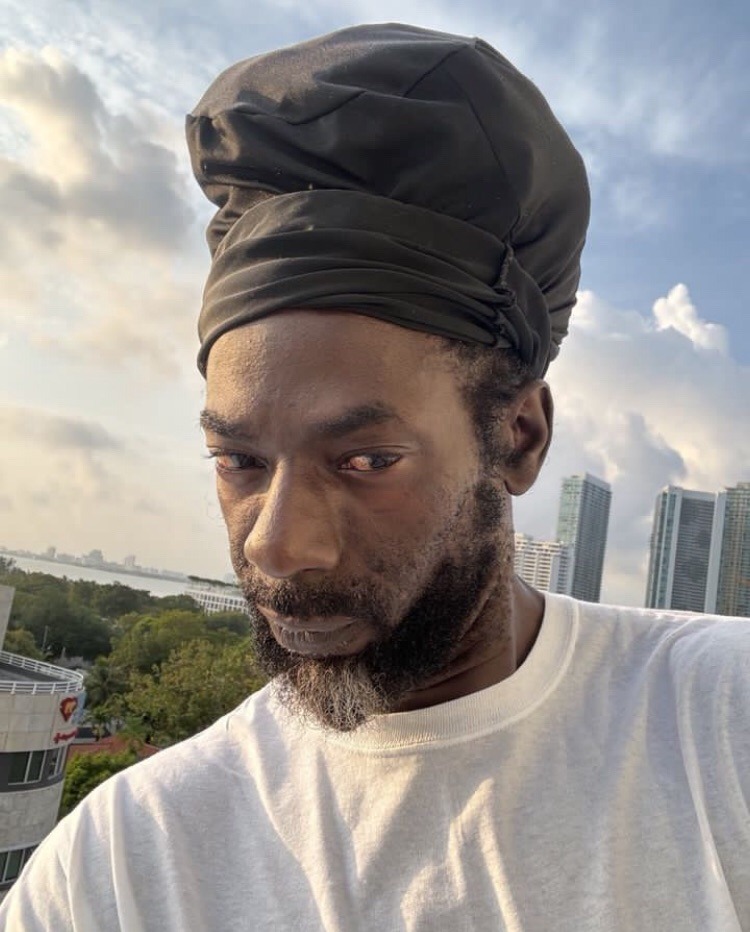
Reggae icon Buju Banton recently made waves with a statement linking his ancestry to Nigeria. According to the legendary artist, “My generation in Jamaica originated from Nigeria. I’m an Igbo man according to my bloodline.” This proclamation has sparked widespread interest, especially among those exploring the historical and cultural connections between Jamaica and Africa.
The Historical Connection Between Jamaica and Nigeria
To appreciate the significance of Buju Banton’s statement, it’s essential to look at the history connecting Jamaica and Nigeria. During the transatlantic slave trade, millions of Africans were transported to the Caribbean, with many hailing from what is now Nigeria. Among these groups were a significant number of Igbo people, who brought their culture, language, and traditions with them, greatly influencing the development of Jamaica’s identity.
The Igbo people, known for their strong communal bonds and spiritual practices, carried these traditions to Jamaica, where they merged with local customs. This blend of cultures laid the foundation for the rich cultural heritage that continues to shape Jamaican society today.
Buju Banton’s Embrace of His Igbo Roots
Buju Banton, born Mark Anthony Myrie, is a reggae powerhouse recognized for his music’s deep messages, spiritual themes, and social consciousness. By publicly claiming his Igbo lineage, he highlights the deep connections that still exist between African descendants in the Caribbean and their roots in Africa.
In recent years, more people of African descent have sought to reconnect with their heritage, using tools like DNA testing to trace their lineage. Many have found connections to regions in West Africa, particularly Nigeria, where the Igbo ethnic group is prominent. Buju’s acknowledgment of his ancestry reflects this trend of rediscovering and embracing African heritage as a crucial part of one’s identity.
The Lasting Influence of the Igbo People in Jamaica
The influence of the Igbo community is evident throughout Jamaican culture. The Igbo language left its mark on Jamaican Patois, while various customs and spiritual beliefs intertwined with local traditions, shaping religious practices, community life, and even folklore.
The communal support systems seen in Jamaica today, like the “partner” schemes, have roots in Igbo customs. Similarly, spiritual practices found in Jamaican traditions like Obeah, Kumina, and Rastafarianism bear similarities to Igbo beliefs. Buju Banton’s acknowledgment of his Igbo roots speaks to the ongoing presence of these cultural elements in Jamaican society.
A Celebration of African Identity
Buju Banton’s recognition of his Igbo heritage aligns with a broader movement focused on reclaiming African identity across the diaspora. Throughout history, many Caribbean artists have promoted African unity and solidarity, using their platform to highlight shared struggles and shared roots.
By expressing pride in his heritage, Buju underscores the importance of remembering the cultural legacies that connect Africa and the Caribbean. This message carries particular significance in today’s discussions on identity, history, and the continued impact of Africa’s influence worldwide.
Why Buju Banton’s Statement Matters
Buju Banton’s declaration resonates with Jamaicans and the African diaspora, highlighting the deep connections that continue to exist despite centuries of separation. At a time when cultural identity and historical awareness are central topics, Buju’s statement reminds us of the powerful ties between Africa and its descendants.
For younger generations, his embrace of his roots offers an inspiring example of the value of knowing one’s background. It also highlights how these connections continue to shape culture, identity, and community for people across the globe.
Wizkid’s hit song Ojuelegba has turned 10, and Spotify is celebrating this iconic track in style, with banners displayed around the world. This celebration highlights how much the song has impacted not just the Nigerian music scene but also global listeners, solidifying its place in the world of Afrobeats.
The Rise of “Ojuelegba”
Released in 2014, Ojuelegba became a massive hit for Wizkid, propelling him from local stardom in Nigeria to international acclaim. The song, named after a popular area in Lagos, captures the artist’s journey and struggles before his breakthrough. Fans connected with the authenticity and raw emotion in the lyrics, which reflect the daily life of many in Lagos and beyond.
Wizkid’s rise through Ojuelegba wasn’t just about the catchy rhythm, but the relatability of the story it tells. It’s a tale of hustle, resilience, and eventual triumph, themes that resonate deeply with listeners worldwide.
The Role of Ojuelegba in Wizkid’s Global Success
Though Wizkid had several hits before Ojuelegba, this song remains a defining moment in his career. The track caught the attention of top international stars, including Drake and Skepta, both of whom jumped on a remix. This collaboration helped to introduce Wizkid and Afrobeats to a broader global audience, making Ojuelegba one of the key tracks that played a role in bridging the gap between Afrobeat and mainstream Western music.
The success of Ojuelegba set the stage for even greater achievements in Wizkid’s career. From his Grammy award to his Billboard-topping Made in Lagos album, his rise can be traced back to the impact this single had, both in Nigeria and internationally.
Spotify’s Global Celebration: A Testament to Afrobeat’s Reach
Spotify’s decision to honor Ojuelegba with banners across the globe shows just how much Afrobeat has grown in the past decade. The song’s presence in major cities around the world underscores not only Wizkid’s international appeal but also how far Nigerian music has come.
Afrobeats has become a global genre, with artists like Burna Boy, Davido, and Rema following in Wizkid’s footsteps to bring the sound to new audiences. But it was songs like Ojuelegba that laid the groundwork for this success.
The worldwide recognition of Ojuelegba serves as a moment of pride for Afrobeats fans and the Nigerian music industry. It’s a reminder of how far the genre has come and a celebration of the continued growth and influence of African music on the global stage.
What Does This Mean for the Future of Afrobeats?
As we look back at the past decade, it’s clear that Ojuelegba helped open doors for African artists in the international music market. With platforms like Spotify giving recognition to tracks like this, it’s likely we’ll see even more African artists reaching global fame in the coming years.
The global celebration of Ojuelegba isn’t just about honoring a song; it’s about recognizing the power of Afrobeats and its potential to continue shaping the future of global music. As the genre continues to evolve, more milestones like this will keep happening, pushing Afrobeats further into the spotlight.
Wizkid’s journey, symbolized by this track, represents the dreams of countless young African artists. It serves as a beacon of hope, showing that hard work and authenticity can break through any barriers, no matter where you’re from.
Phyno, one of Nigeria’s most celebrated music stars, is making waves once again with his latest single, Time of My Life. Collaborating with UK rapper ArrDee, this track fuses the essence of Afrobeat with UK rap, creating a tune that resonates across continents.
As fans gear up for the release of Phyno’s new album Full Time Job on October 4, 2024, this single is gaining attention for its infectious energy, catchy lyrics, and cultural significance.
Phyno’s Influence in the Afrobeat Scene
Phyno has consistently delivered hits throughout his career, bringing a unique style to the Nigerian music scene.
Known for his ability to combine Igbo language with modern sounds, Phyno has become a household name both locally and internationally. Tracks like “Ghost Mode” and “Fada Fada” have cemented his position as one of the most influential figures in Afrobeat and indigenous rap music. Time of My Life continues this tradition of blending sounds, drawing on both his heritage and contemporary music trends.
ArrDee’s Fast Rise to Fame
ArrDee, a British rap sensation, has quickly gained popularity for his distinct flow and youthful energy. With his success in the UK rap scene, this collaboration marks an exciting moment in his career. ArrDee brings a fresh perspective to the track, contributing verses that balance the Afrobeat rhythm with a UK rap influence. Fans of both artists will appreciate the seamless combination of these two worlds, making this collaboration one of the most exciting releases of 2024.
The Theme of Time of My Life
Produced by Jaysynths Beatz, Time of My Life is all about celebrating success, enjoying the moment, and living life to the fullest. Phyno’s verses mix English and Igbo, while ArrDee adds his own flavor with hard-hitting rap lines. The song reflects a carefree attitude, with lyrics centered around the joys of wealth, success, and living large. It’s designed to get listeners on their feet, making it a perfect anthem for celebrations.
Afrobeats has consistently evolved, and one of the most talked-about collaborations of 2024 is the surprise feature of Wizkid on Asake’s track “MMS” from Lungu Boy. This partnership has sent waves through the music industry, solidifying both artists’ positions as leaders in the genre.
Wizkid Instagram photo
The Story Behind the Collaboration
Asake recently revealed that the collaboration wasn’t part of his original plan. In an Instagram Live session, he explained that another artist had been in mind for the song. However, producer P. Prime played the track for Wizkid, and the Afrobeat superstar immediately wanted to be a part of it. This spontaneous decision not only added a fresh dimension to the track but also created a buzz among fans. Asake praised Wizkid’s involvement, highlighting the strong chemistry that quickly developed between them.
Why This Collaboration Stands Out
Wizkid Instagram photo
The success of “MMS” reflects the synergy between two artists with different styles yet a common understanding of Afrobeat rhythms. While Asake is known for his energetic, street-oriented sound, Wizkid brings his smooth, laid-back delivery. This combination has helped the track dominate charts, with many hailing it as one of the standout songs of 2024.
Wizkid’s involvement in Lungu Boyhas also sparked discussions about his relevance in the current music scene. While Wizkid has long been a major figure in Afrobeats, his collaboration with Asake has brought him renewed attention. This partnership serves as a reminder of Wizkid’s ability to stay at the forefront of the industry by working with rising stars like Asake.
Asake Instagram photo
How “MMS” is Shaping the Music Industry
The collaboration is not just a hit—it’s a trendsetter. By merging their strengths, Asake and Wizkid have demonstrated the power of cross-generational partnerships in music. Asake’s innovative approach to Afrobeat, combined with Wizkid’s seasoned expertise, is setting the stage for more exciting collaborations across the industry. Their success together is encouraging other artists to think outside the box and experiment with unexpected pairings.
Beyond the music itself, this collaboration highlights the importance of flexibility in creative processes. Asake’s openness to a new feature on “MMS” speaks to the fluid nature of artistic collaboration in today’s music world, where ideas and input can come from different directions, leading to something extraordinary.
The Impact on Wizkid’s Career
Wizkid Instagram photo
For Wizkid, this collaboration couldn’t have come at a better time. While he has been a consistent force in Afrobeats, the partnership with Asake has reignited interest in his work among younger audiences. His ability to remain relevant and adaptable in a fast-changing industry is further proof of his staying power as one of Nigeria’s biggest music icons. Wizkid’s feature on “MMS” aligns perfectly with his approach to evolving his sound, constantly staying connected to the latest trends and artists.
The Vibrant Global Music Scene: Trends and Key Players in 2024
The global music scene is a dynamic and ever-evolving landscape, bringing together diverse genres, cultures, and artists from every corner of the world. In 2024, this scene is more interconnected than ever, with trends and talents shaping the soundscape of our times. Let’s dive into the key trends and influential players defining the global music scene today.
The Rise of Afrobeats
Burna Boy
One of the most exciting developments in the global music scene is the rise of Afrobeats. This genre, characterized by its infectious rhythms and vibrant beats, has taken the world by storm. Artists like Burna Boy, Wizkid, and Tems have become international stars, bringing the sounds of Africa to a global audience. Their ability to blend traditional African sounds with contemporary music elements has made Afrobeats a favorite across continents.
The Dominance of Latin Music
J Balvin
Latin music continues to dominate the global music scene, with reggaeton and Latin pop leading the charge. Artists such as Bad Bunny, J Balvin, and Rosalía are at the forefront, consistently topping charts and breaking streaming records. The appeal of Latin music lies in its energetic beats, catchy melodies, and the seamless fusion of various musical influences from across Latin America.
K-Pop’s Global Phenomenon
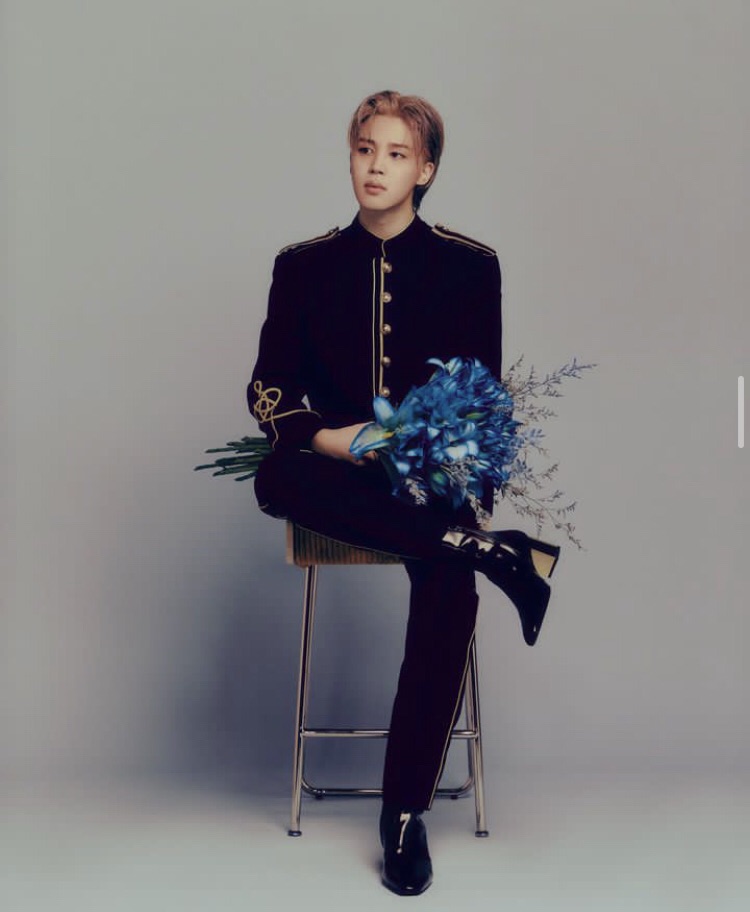
BTS
K-Pop remains a major force in the global music scene. South Korean groups like BTS and BLACKPINK have amassed massive international followings, becoming cultural icons in the process. Their polished performances, intricate choreography, and engaging social media presence have helped K-Pop transcend language barriers and resonate with fans worldwide.
The Enduring Appeal of Electronic Dance Music (EDM)
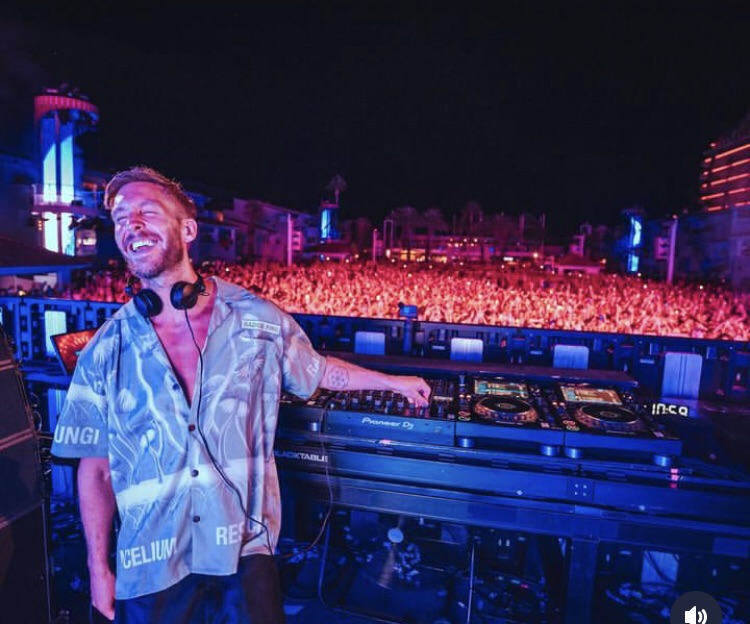
Calvin Harris
EDM continues to be a staple in the global music scene. DJs like Calvin Harris, David Guetta, and Marshmello are consistently headlining major music festivals and releasing chart-topping hits. The genre’s ability to energize crowds and create unforgettable live experiences ensures its enduring popularity.
Hip-Hop and Rap: A Dominant Force
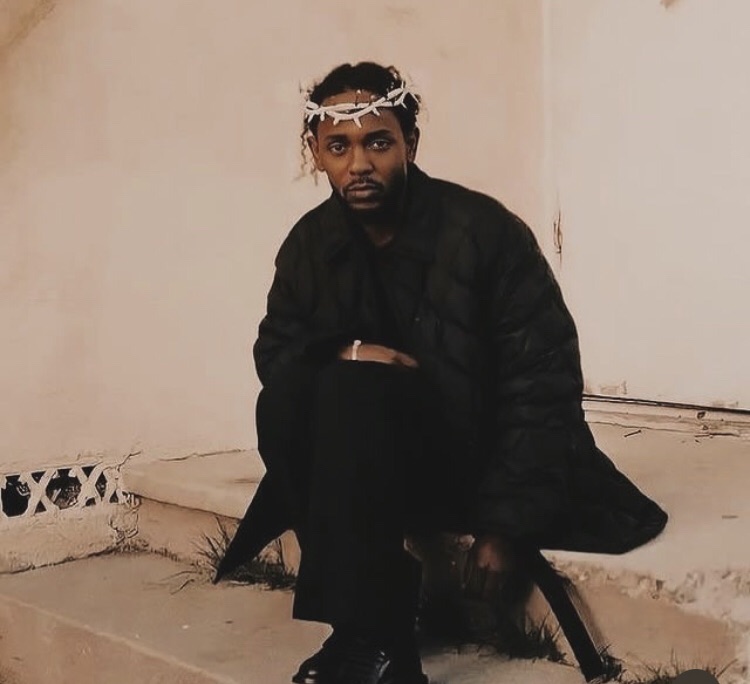
Kendrick Lamar
Hip-hop and rap remain dominant forces in the global music scene. Artists such as Drake, Kendrick Lamar, and Megan Thee Stallion are shaping modern hip-hop with their innovative sounds and thought-provoking lyrics. The genre’s influence extends beyond music, impacting fashion, language, and culture worldwide.
Indie and Alternative: Unique Sounds and Storytelling
Billie Eilish
The indie and alternative scenes are thriving, bringing unique sounds and compelling storytelling to the global music scene. Artists like Billie Eilish, Tame Impala, and Phoebe Bridgers are pushing the boundaries of music, experimenting with different styles and delivering deeply personal narratives. Their work resonates with listeners seeking authenticity and originality.
Pop Music: Ever-Popular and Ever-Evolving
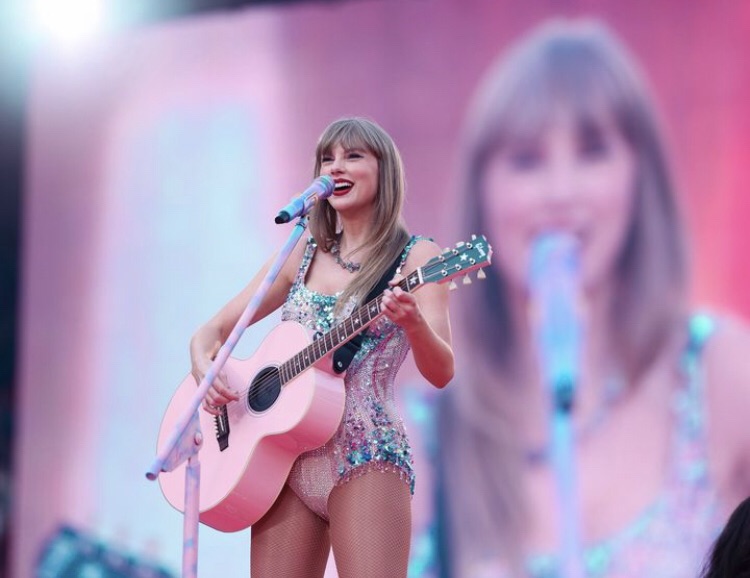
Taylor Swift
Pop music continues to be a mainstay in the global music scene, with artists like Taylor Swift, Harry Styles, and Dua Lipa consistently delivering hits. The genre’s ability to adapt and incorporate elements from other musical styles keeps it fresh and relevant. Pop stars often set trends in music, fashion, and culture, making them influential figures in the entertainment world.
The global music scene in 2024 is a vibrant and diverse tapestry of sounds and cultures. From the infectious rhythms of Afrobeats and Latin music to the polished performances of K-Pop, the energetic beats of EDM, the innovative sounds of hip-hop, and the authentic storytelling of indie and alternative artists, there’s something for everyone. As technology continues to bridge gaps and bring people together, the global music scene will only become more interconnected and exciting. Stay tuned for more groundbreaking trends and emerging talents that will shape the future of music.
By understanding and appreciating these trends and key players, we can better enjoy and celebrate the rich diversity of the global music scene. Whether you’re a fan or a musician, there’s never been a more thrilling time to be part of this ever-evolving world of music.
In a remarkable achievement for Afrobeat, Burna Boy has matched Tems’ impressive record in the United States. This significant milestone not only highlights the global influence of these Nigerian artists but also underscores the rising popularity of Afrobeat music worldwide.
Grammy-winning singer, Damini Ogulu, aka Burna Boy, has tied Tems as the Nigerian artiste with the second most certified singles in RIAA history (4 each).
He accomplished this after the Recording Industry Association of America, RIAA, certified his collaborative hit with British Grime star, Dave, ‘Location’ as Gold for sales of 500,000 units in the country. Burna Boy previously had three certified songs in the United States: ‘Last Last’ (Platinum), ‘Ye’ (Gold), and ‘On the Low’ (Gold).
Wizkid is the most certified Nigerian artist in the US, with seven certified singles. Meanwhile, American rapper J.Cole’s 2019 hit ‘Middle Child’ became his first diamond certified single, selling 10 million units.
Burna Boy’s Journey to International Stardom
Burna Boy, born Damini Ebunoluwa Ogulu, has been a formidable force in the music industry. His distinctive blend of Afrobeat, dancehall, reggae, and pop has earned him a loyal fan base and numerous accolades. With hits like “Ye,” “On the Low,” and “Last Last,” Burna Boy has consistently demonstrated his ability to create music that resonates across cultures and continents.
His album “Twice as Tall,” released in 2020, further cemented his status as a global superstar. The album not only won a Grammy Award for Best Global Music Album but also received critical acclaim for its production and powerful themes. Burna Boy’s relentless pursuit of excellence and his unique sound have been pivotal in bringing Afrobeat to the forefront of global music.
Tems: A Trailblazer in Her Own Right
Tems, whose real name is Temilade Openiyi, has also made significant strides in the music industry. Known for her soulful voice and emotive songwriting, Tems has quickly become one of the most influential artists of her generation. Her collaboration with Wizkid on the hit song “Essence” was a game-changer, earning widespread acclaim and charting high on the Billboard Hot 100.
Tems’ success continued with her feature on Drake’s album “Certified Lover Boy,” further establishing her presence in the international music scene. Her unique style, which blends R&B, neo-soul, and Afrobeat, has garnered her a dedicated global audience.
Equaling Tems’ Record: A Testament to Burna Boy’s Impact
Burna Boy’s latest achievement in the US marks a significant moment in his career. By equaling Tems’ record, Burna Boy has demonstrated the powerful impact of Afrobeat on the global music landscape. This milestone reflects the increasing acceptance and appreciation of Afrobeat in mainstream music markets.
The record that Burna Boy has matched involves significant chart positions and streaming numbers in the US, a testament to his widespread popularity and the universal appeal of his music. This achievement is not just a personal victory for Burna Boy but also a win for the Afrobeat genre as a whole.
The Rising Popularity of Afrobeat
Afrobeat has seen a meteoric rise in popularity over the past few years. Artists like Burna Boy, Tems, Wizkid, and Davido have played crucial roles in this movement, bringing African rhythms and stories to global audiences. The genre’s infectious beats, rich melodies, and vibrant cultural expressions have resonated with listeners worldwide.
The success of Afrobeat artists on international charts signals a broader shift in the music industry. It indicates a growing appetite for diverse musical styles and a willingness to embrace sounds from different parts of the world. This trend is likely to continue, with more Afrobeat artists poised to make their mark on the global stage.
Burna Boy equaling Tems’ record in the US is a significant achievement that highlights the growing influence of Afrobeat music. As both artists continue to break barriers and set new records, they pave the way for future generations of musicians. Their success stories inspire countless artists and affirm the universal appeal of Afrobeat.
The rise of Afrobeat is a testament to the power of music in bridging cultural divides and bringing people together. With artists like Burna Boy and Tems leading the charge, the future of Afrobeat looks incredibly bright. Their achievements in the US mark just the beginning of what promises to be a long and successful journey for Afrobeat music on the global stage.
In the vibrant world of Afrobeat, few names shine as brightly as Ernest CoolEtz. Today, as we celebrate his birthday, we recognize not just the day a star was born but also the journey of a musical genius whose beats and rhythms have enchanted millions.
A Meteoric Rise
Ernest CoolEtz’s ascent in the music industry has been nothing short of spectacular. From his early days of crafting beats in a modest studio to headlining major festivals around Abia State Nigeria, his journey is a testament to talent, dedication, and an unyielding passion for music. Each track he releases becomes an anthem, resonating deeply with fans across the globe.
Musical Genius
What sets Ernest CoolEtz apart is his unique sound—a perfect fusion of traditional African rhythms with contemporary beats. His ability to tell stories through music, to make us dance, and to evoke a spectrum of emotions is unparalleled. Tracks like “Bella” and “Rambo” have not only topped charts but have also become cultural milestones, shaping the modern Afrobeat landscape.
Beyond his music, Ernest CoolEtz is a beacon of inspiration. His story is one of perseverance and innovation, encouraging aspiring artists to follow their dreams. His commitment to using his platform for positive change, advocating for social issues, and supporting emerging talents makes him a true icon in every sense.
A Day of Celebration
As Ernest CoolEtz celebrates another year of life, we join his fans worldwide in wishing him joy, health, and continued success. May his beats keep us dancing, his lyrics keep us inspired, and his journey keep us in awe.
Happy Birthday, Ernest CoolEtz! Here’s to many more years of groundbreaking music and unforgettable moments.
In celebrating Ernest CoolEtz, we celebrate the spirit of Afrobeat and the power of music to transcend boundaries and bring us all together. Let’s raise a toast to the maestro of melodies, the king of beats—Ernest CoolEtz.
The Nigerian music scene continues to be a hub of incredible talent, with artists like Buju, Wizkid, Davido, and Burna Boy making significant waves. Each of these musicians has their own unique style and sound, contributing to the richness of Afrobeat and Afropop. This article explores Buju’s vocal abilities in comparison to those of Wizkid and Davido, while also recognizing Burna Boy’s exceptional skills.
The Rise of Buju (Bnxn)
Buju, born Daniel Benson, has rapidly risen to prominence in the Nigerian music scene. Known for his melodious voice, heartfelt lyrics, and unique style, Buju has captured the hearts of many music lovers. His tracks such as “My Life,” “Pigin and English,” “Regret,” “Many Ways,” and “Pray” showcase his lyrical prowess and vocal versatility.
Buju vs. Wizkid: A Vocal Comparison
Wizkid, also known as Starboy, is a major figure in the Afrobeat genre, with a career filled with global hits. His voice and catchy melodies have made him a favorite among music lovers around the world.
Buju, on the other hand, brings a different kind of energy with his natural vocal talent and the ability to evoke strong emotions in his listeners. While Wizkid excels at creating infectious tunes, Buju’s approach offers something fresh and authentic, showcasing his range and depth as a vocalist.
Buju vs. Davido: The Vocal Showdown
Davido, often referred to as OBO, is known for his powerful voice and high-energy performances. His music is full of anthems that get people moving, making him a key player in the Nigerian music industry.
Buju, however, shines in his ability to blend melody and emotion seamlessly. Tracks like “My Life” and “Pray” highlight his vocal skills and his knack for telling stories through music. While Davido’s strong voice and lively style are unmatched, Buju’s softer, more melodic approach offers a different kind of appeal.
Why Burna Boy Stands Out
Burna Boy, also known as the African Giant, has made a name for himself with his unique voice and genre-blending music. His ability to mix Afrobeat, reggae, dancehall, and pop has earned him international acclaim.
While Buju is undoubtedly talented, Burna Boy’s wide vocal range and versatile style put him in a category of his own. Buju’s strengths are clear, but Burna Boy’s consistency and creativity keep him at the top.
Buju’s Unique Style and Impact
Buju’s rapid rise in the music industry is a result of his talent and hard work. His ability to connect with listeners through his voice and lyrics makes him a compelling artist to watch. Songs like “My Life” not only highlight his vocal abilities but also his skill in crafting meaningful lyrics.
Buju’s unique style and commitment to his craft have set him on a path to becoming one of the leading voices in Afrobeat. Whether you’re a fan of Wizkid, Davido, or Burna Boy, Buju’s music offers something special that is sure to leave a lasting impression.
As Buju continues to grow as an artist, the future of Nigerian music looks even brighter with him as one of its shining stars.
In the world of hip-hop, diss tracks have always been a central part of the culture. From battles over beats to lyrical takedowns, they represent the raw essence of competition in rap music. Over the years, we’ve seen many iconic diss tracks, from Nas’s Ether to Pusha T’s The Story of Adidon. Yet, despite the countless rap battles and lyrical feuds that have emerged, Tupac Shakur’s Hit ‘Em Up still stands tall as the most iconic and ruthless diss track in hip-hop history.
While newer diss tracks like Kendrick Lamar’s Not Like Us may have shattered records and drawn attention, Hit ‘Em Up has a legacy and impact that numbers alone can’t quantify. In this article, we explore why Hit ‘Em Up remains unparalleled and why it’s still regarded as the greatest diss track ever recorded.
The Context: East Coast vs. West Coast Feud
Before talking about the track itself, it’s important to understand the historical significance of Hit ‘Em Up. The mid-90s saw the height of the East Coast vs. West Coast rivalry, a cultural divide that defined hip-hop. On one side, you had Bad Boy Records, led by The Notorious B.I.G. (Biggie Smalls) and Puff Daddy, representing New York’s East Coast sound. On the other side, there was Death Row Records, spearheaded by Tupac and Suge Knight, representing the West Coast.
Hit ‘Em Up wasn’t just another diss track—it was Tupac’s response to what he perceived as betrayal by Biggie and the East Coast, accusing them of being involved in his 1994 shooting. The beef became personal, and Hit ‘Em Up was Tupac’s explosive retaliation.
Raw Emotion and Aggression
One of the reasons Hit ‘Em Up remains iconic is the raw, unfiltered aggression in Tupac’s delivery. The track opens with the now-legendary line: “First off, fk your b*h and the clique you claim.” This introduction alone sets the tone for the entire track, where Tupac goes on a tirade against Biggie, Puffy, Lil’ Kim, and everyone associated with Bad Boy Records.
Unlike many other diss tracks that use clever wordplay or subtle jabs, Hit ‘Em Up is as direct and confrontational as it gets. Tupac wasn’t just dissing Biggie; he was looking to humiliate him on a personal level. The venom in Tupac’s voice, combined with the ruthless nature of the insults, makes the track feel intensely personal. This level of raw emotion is hard to replicate, which is why Hit ‘Em Upcontinues to be the number one diss track of all times.
Lyrical Brutality and No Holds Barred Approach
Another key factor that sets Hit ‘Em Up apart is its unapologetic brutality. Tupac didn’t just throw a few insults; he went all in, attacking everything from Biggie’s credibility to his crew’s loyalty. The track was filled with personal shots, explicit threats, and disrespectful taunts, making it clear that this wasn’t just about rap—it was a declaration of war.
While some might argue that other diss tracks like Nas’s Etheror Jay-Z’s Takeover are lyrically superior, Hit ‘Em Up is unmatched in its sheer audacity. Tupac’s willingness to take things to such an extreme level is what makes the track unforgettable. He made it clear that this wasn’t just about skill—it was about dominance.
The Cultural and Historical Significance
When discussing the greatest diss tracks of all time, it’s impossible to overlook the cultural impact of Hit ‘Em Up. The track didn’t just shake the rap world; it defined an era. At a time when tensions between the East Coast and West Coast were already at a boiling point, Hit ‘Em Up added fuel to the fire, escalating the feud to unprecedented levels.
Hit ‘Em Up isn’t just a song—it’s a cultural artifact. It’s a snapshot of a time when rap wasn’t just entertainment; it was life and death. The tragic outcomes of both Tupac and Biggie only further cemented the legendary status of the track. Hit ‘Em Up symbolizes the danger, intensity, and realness that defined 90s hip-hop.
Influence on Future Diss Tracks
While there have been many diss tracks before and after Hit ‘Em Up, its influence is undeniable. It set the bar for what a diss track should be—bold, aggressive, and utterly disrespectful. Artists like Eminem, Drake, Pusha T, and others have all drawn from the blueprint that Tupac laid down with Hit ‘Em Up.
Even when newer diss tracks break streaming records or go viral, they rarely carry the same weight. Hit ‘Em Up was more than just a diss track; it was a statement. It represented the intensity of real-life conflict and had consequences far beyond the music industry. While Kendrick Lamar’s Not Like Us might be breaking records, it doesn’t have the historical and cultural significance that Hit ‘Em Up carries.
Why Hit ‘Em Up Will Always Be the GOAT of Diss Tracks
Tupac Shakur’s Hit ‘Em Up remains the greatest diss track in rap history because it transcends music. It’s not just about numbers or streams; it’s about impact, emotion, and legacy. From its opening line to its unapologetic brutality, Hit ‘Em Up set a standard that has yet to be matched.
In the end, diss tracks are not just about lyrical skill—they’re about moments. Hit ‘Em Up was a moment in hip-hop history that will never be forgotten. Even as new diss tracks emerge and break records, they can’t erase the legacy of Tupac’s magnum opus. The track’s blend of personal venom, cultural significance, and historical context is why Hit ‘Em Up continues to be the undisputed king of rap beef.
When comparing these two icons, it’s often a matter of choosing between Wizkid’s long-standing impact and Burna Boy’s current dominance. Wizkid has been a trailblazer, opening doors for Afrobeat on the world stage, while Burna Boy continues to break new ground with his recent achievements.
The ongoing debate over whether Wizkid or Burna Boy is the bigger artist is a favorite topic among Afrobeat lovers. Both artists have carved out significant careers, each contributing uniquely to the global music stage.
Wizkid: The Afrobeat Star
Wizkid, born Ayodeji Ibrahim Balogun, burst onto the scene in 2010 with his album Superstar and quickly became a major figure in music. His style, which mixes Afrobeat with elements of pop and R&B, has gained attention globally. Collaborations with major international artists like Drake on “Come Closer” and Beyoncé on “Brown Skin Girl” have only solidified his position. Wizkid has been instrumental in bringing Afrobeat to a global audience, making him a key figure in the genre.
Burna Boy: The African Giant
Burna Boy, whose real name is Damini Ebunoluwa Ogulu, earned the nickname “African Giant” for his commanding presence in the music world. With albums like Outside, African Giant, and Twice as Tall, Burna Boy has showcased a blend of Afrobeat, dancehall, and reggae that appeals to audiences worldwide. His Grammy win and sold-out shows at venues like the O2 Arena in London and New York’s Madison Square Garden underscore his massive international success.
Legacy vs. Current Influence
When comparing these two icons, it’s often a matter of choosing between Wizkid’s long-standing impact and Burna Boy’s current dominance. Wizkid has been a trailblazer, opening doors for Afrobeat on the world stage, while Burna Boy continues to break new ground with his recent achievements.
Final Thoughts
Both Wizkid and Burna Boy have significantly shaped Afrobeat, each in their own way. Whether one is bigger than the other depends on what aspects of their careers and achievements you value most. The debate continues as both artists keep pushing the boundaries of Afrobeat music on a global scale.
Reported by Anything Celebrity – Nigeria’s hub for entertainment gist and celebrity updates.
Exploring Burna Boy’s Afro-Fusion: A Unique Sound in Global Music
Burna Boy is widely regarded as a leading force in Afro-fusion, a genre that blends African rhythms with reggae, dancehall, pop, and other global sounds. His unique style, powerful storytelling, and hits like Ye helped take African music to a global audience, while his Grammy-winning album Twice as Tall further cemented his influence on the international music scene.
Burna Boy has become a major force in the music world, thanks to his distinctive blend of African rhythms and global sounds. This genre, known as Afro-fusion, combines elements from Afrobeat, dancehall, reggae, and pop. Burna Boy has played a significant role in popularizing Afro-fusion, which has led to its growing recognition both in Africa and internationally.
Afro-fusion brings together the rich musical traditions of Africa with influences from around the globe. Burna Boy’s music is an excellent example of this genre, where traditional African beats meet contemporary global styles. This blend results in a sound that is fresh and vibrant, capturing the essence of both African and international music traditions.
Burna Boy: A Trailblazer in Afro-Fusion
Born Damini Ebunoluwa Ogulu, Burna Boy was raised in a musically rich environment. His grandfather was a manager for Fela Kuti, the pioneer of Afrobeat, and this connection deeply influenced Burna Boy’s musical direction. Growing up in Nigeria, he was exposed to a variety of music, ranging from local sounds to genres like reggae and hip-hop. This diverse background shaped his Afro-fusion style.
Burna Boy’s music is distinguished by his deep, raspy voice, which adds a unique quality to his songs. His lyrics often touch on themes of African identity, social issues, and personal stories, making his music resonate with a wide audience. His ability to create songs that are both meaningful and rhythmically engaging sets him apart in the music industry.
Key Features of Afro-Fusion
Afro-fusion stands out due to its combination of different musical elements. Some of the key features include:
African Rhythms: The heartbeat of Afro-fusion lies in its rhythmic patterns, often driven by African drums and percussion.
Global Influences: Afro-fusion is enriched by its incorporation of styles like dancehall and reggae, creating a sound that is both innovative and familiar.
Storytelling: Lyrics play a crucial role in Afro-fusion, often reflecting the artist’s experiences and thoughts. Burna Boy’s storytelling ability adds depth to his music, making it more than just a beat-driven genre.
Adaptability: Afro-fusion’s flexibility allows it to be enjoyed in various settings, from energetic dance tracks to more reflective songs.
Afro-Fusion’s Global Reach
The appeal of Afro-fusion lies in its ability to connect with listeners from different cultures. While it retains its African roots, the global influences in Afro-fusion make it accessible to a wide audience. Burna Boy has been able to build a global fanbase by performing at international events and collaborating with artists from different parts of the world.
His hits, such as “Ye” and “On the Low,” have resonated not only in Africa but also across the globe, thanks to their catchy tunes and relatable themes. Burna Boy’s success shows how Afro-fusion has the potential to become a leading genre in global music.
Burna Boy’s Influence on Afro-Fusion
Burna Boy’s contribution to Afro-fusion has been immense. He has not only brought the genre to a broader audience but has also helped redefine the image of African music on the world stage. Through his work, Burna Boy has demonstrated that African sounds can be both contemporary and deeply rooted in tradition, appealing to listeners across the globe.
His Grammy win for Best Global Music Album with “Twice as Tall” highlights the growing recognition of Afro-fusion. This achievement opens doors for other artists in the genre and solidifies Afro-fusion’s place in the global music scene.
Burna Boy’s Afro-fusion is a powerful and innovative genre that has left a significant mark on the music industry. By blending African rhythms with global sounds, he has created a style that is both unique and universally appealing. His ability to tell compelling stories through his music, combined with his deep understanding of various musical genres, has made him a trailblazer in the industry.
As Afro-fusion continues to gain traction worldwide, Burna Boy’s influence will undoubtedly shape its future. His music not only entertains but also brings the rich sounds of Africa to the global stage, fostering a deeper appreciation for the diversity and creativity of African music.