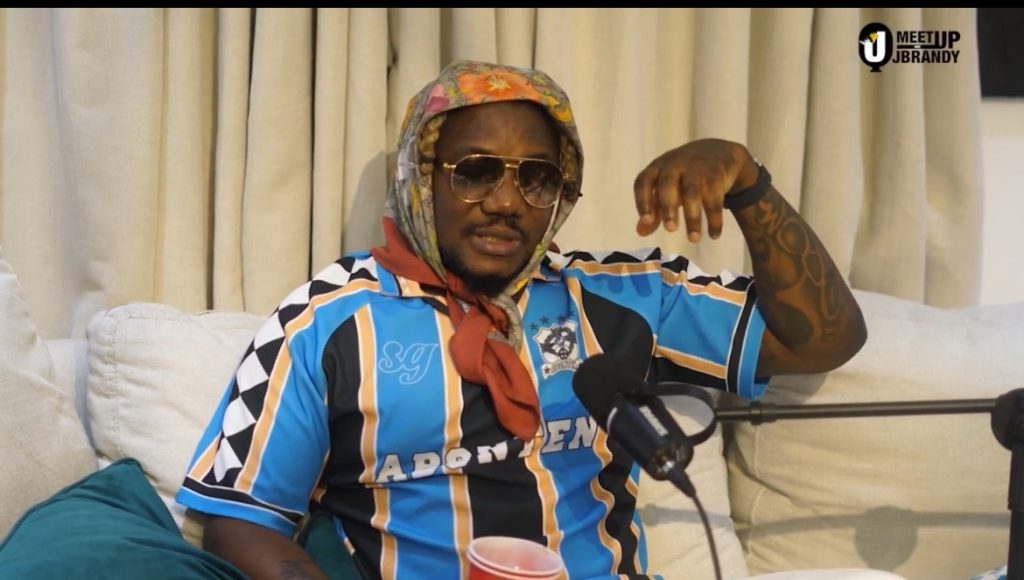
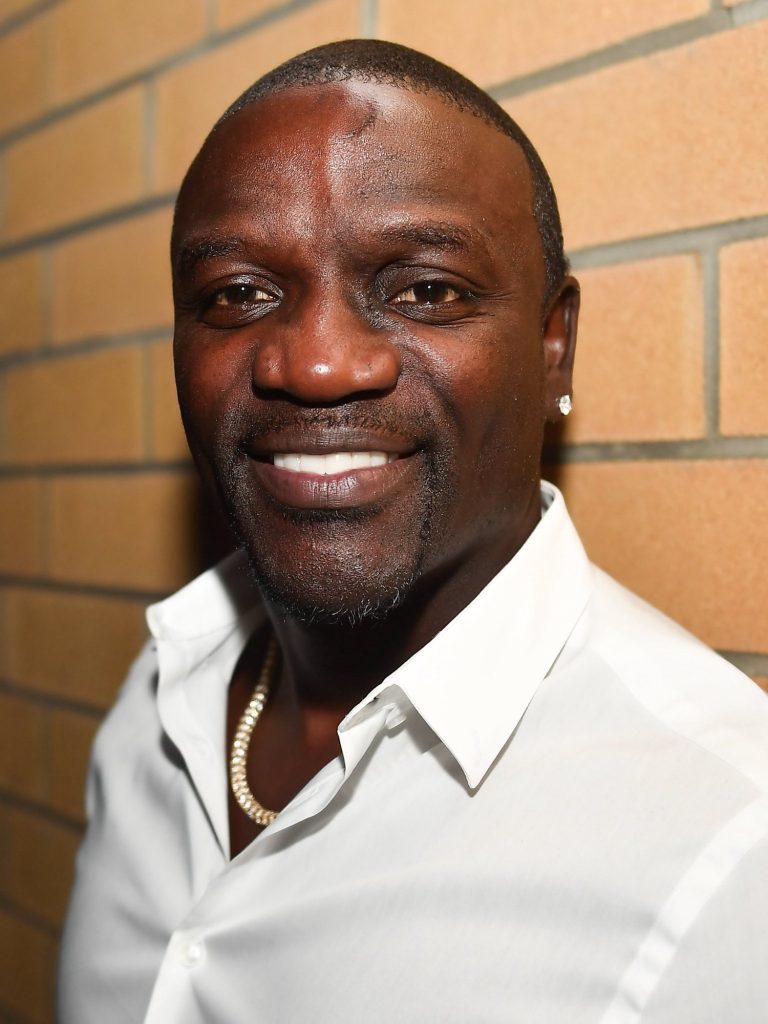
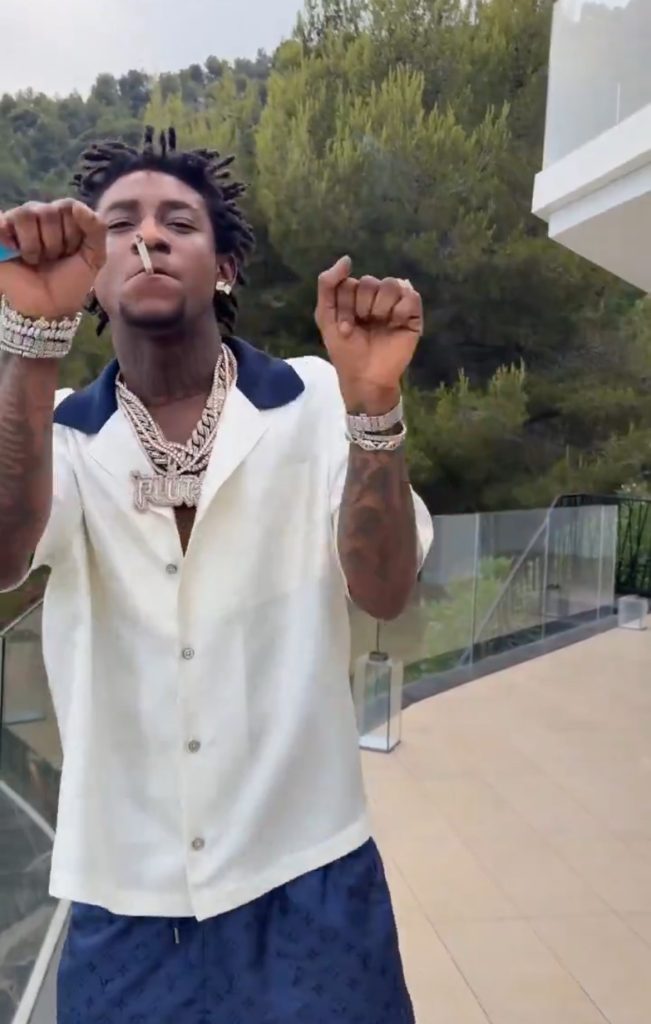
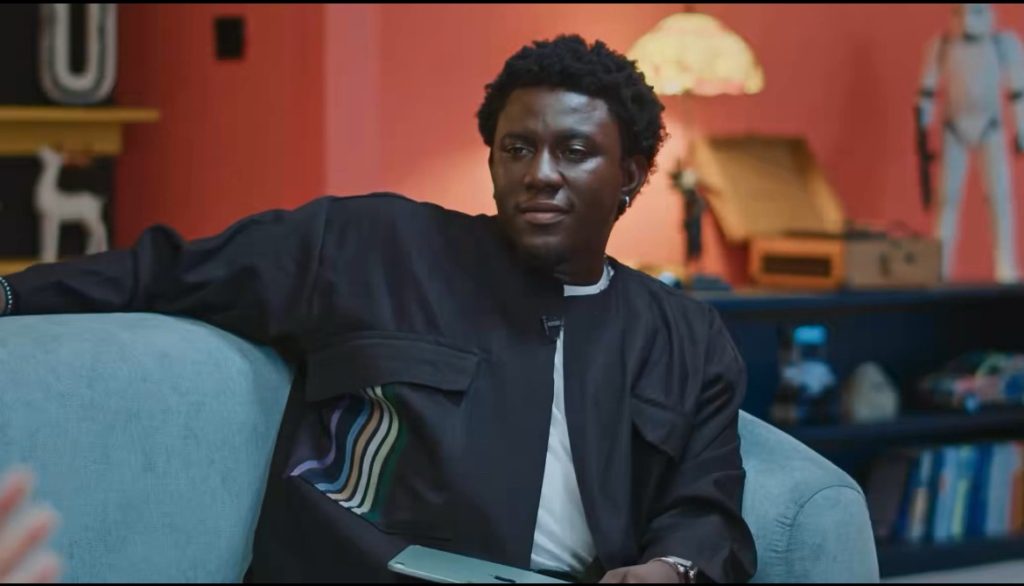
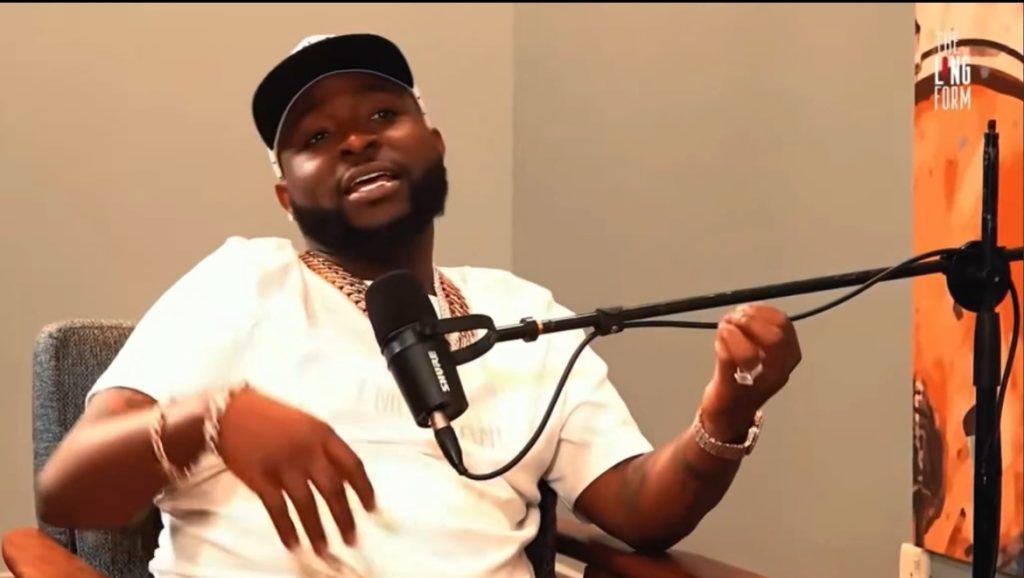
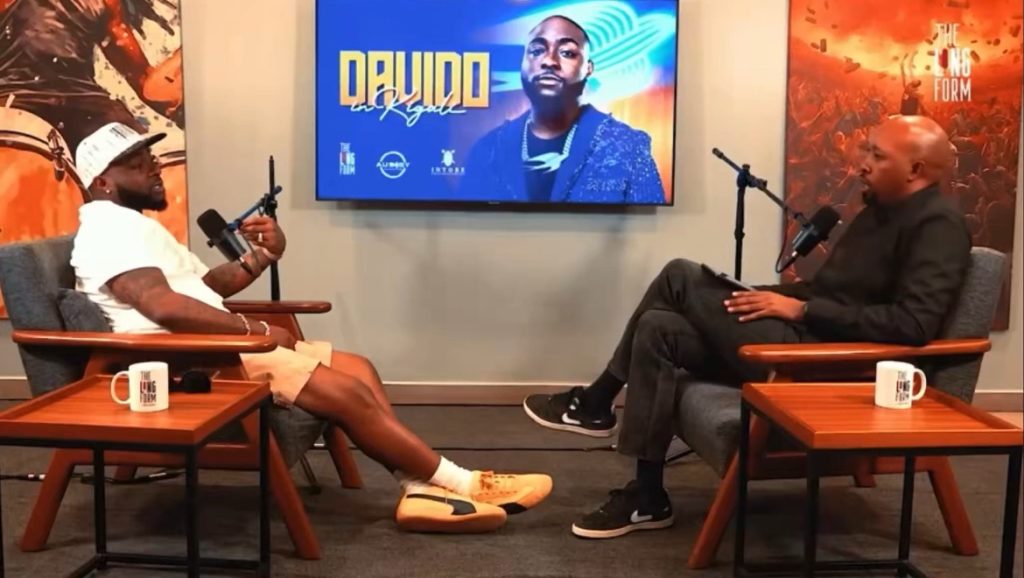
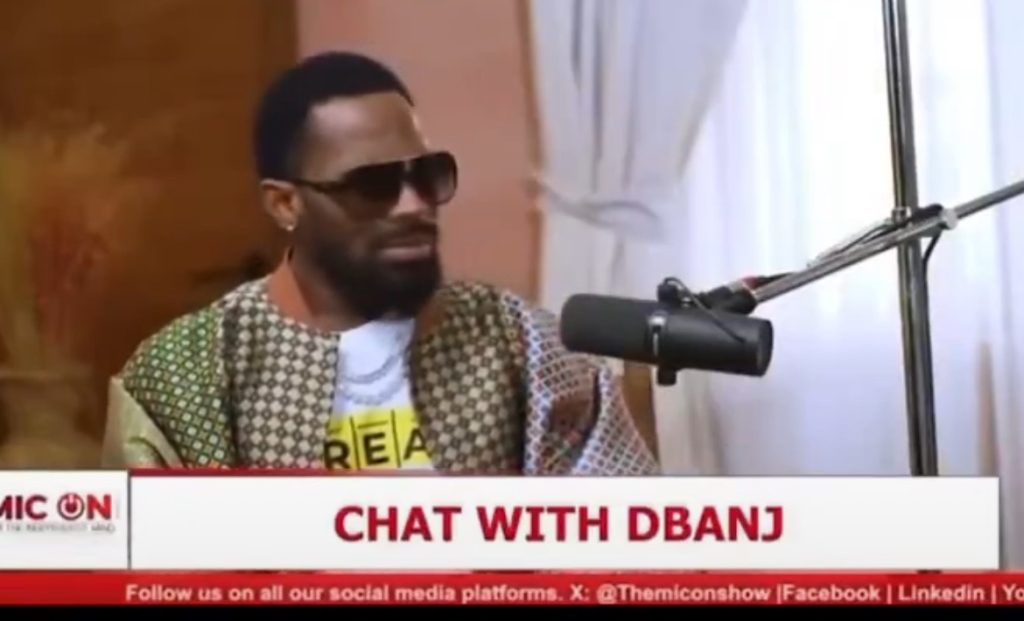
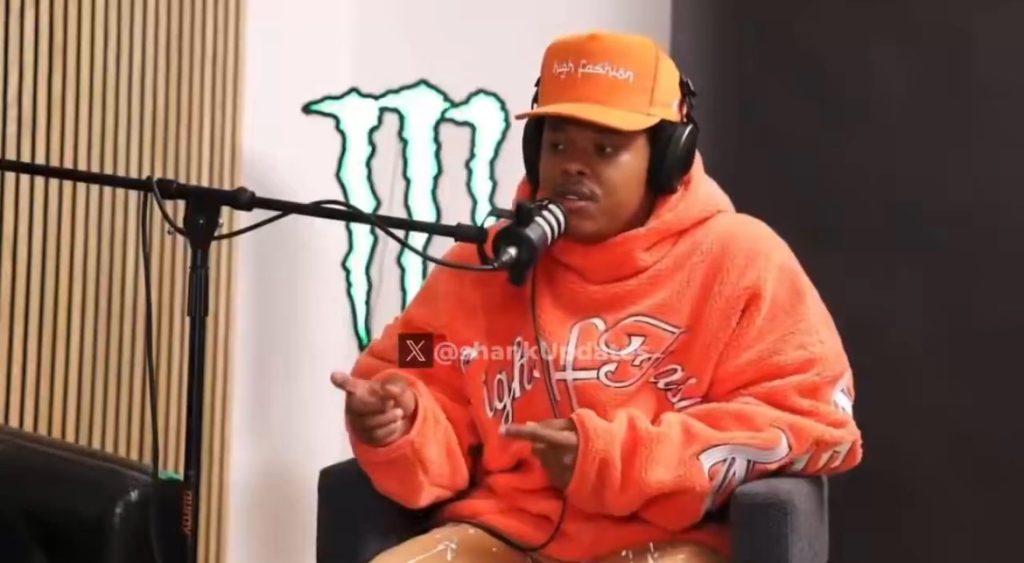
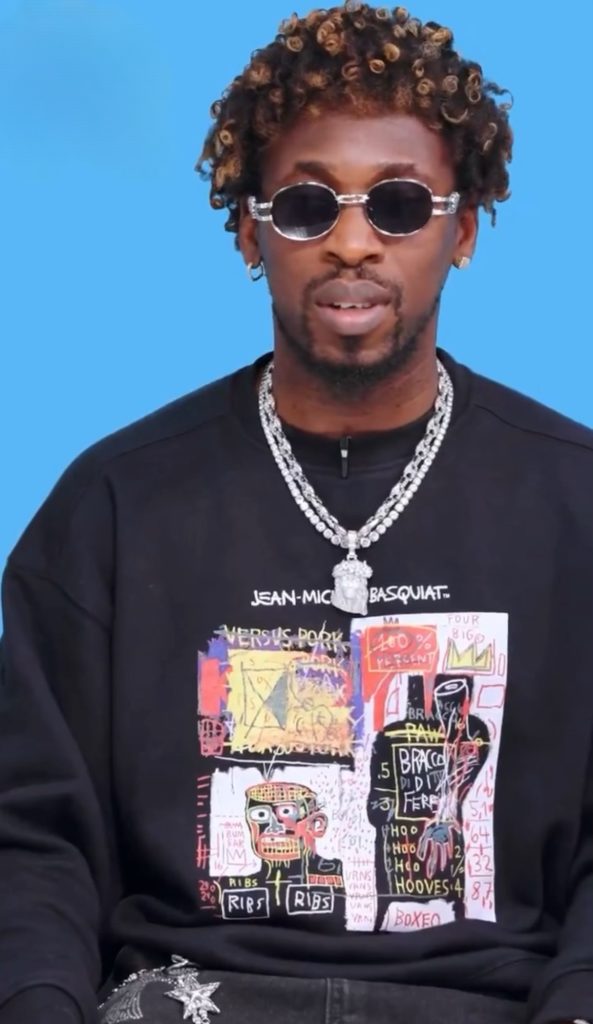
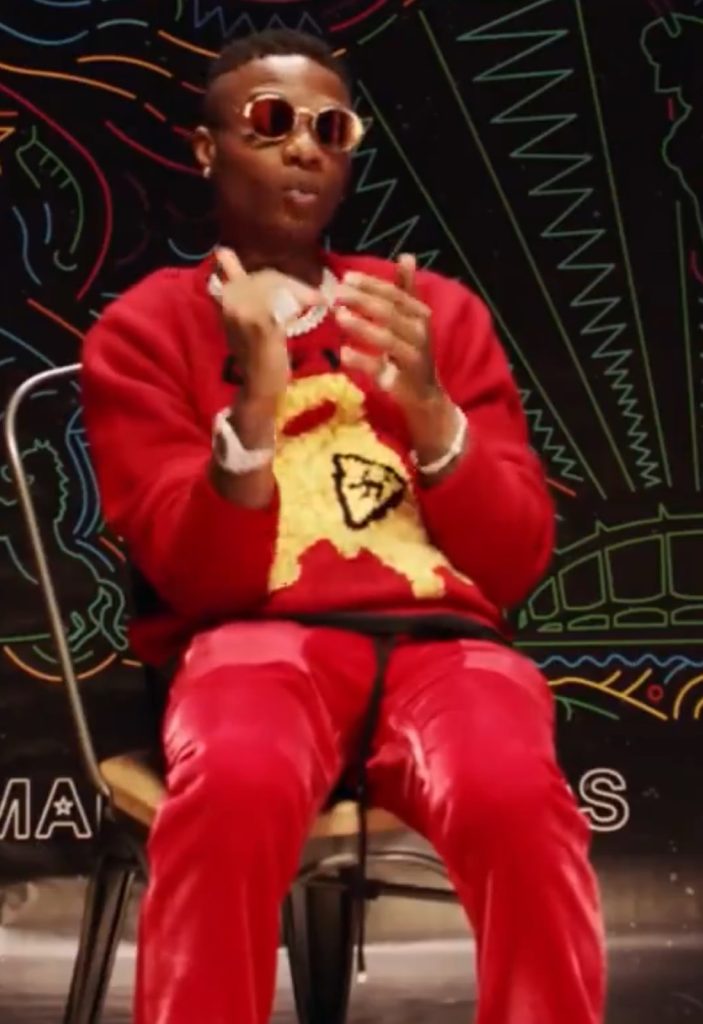
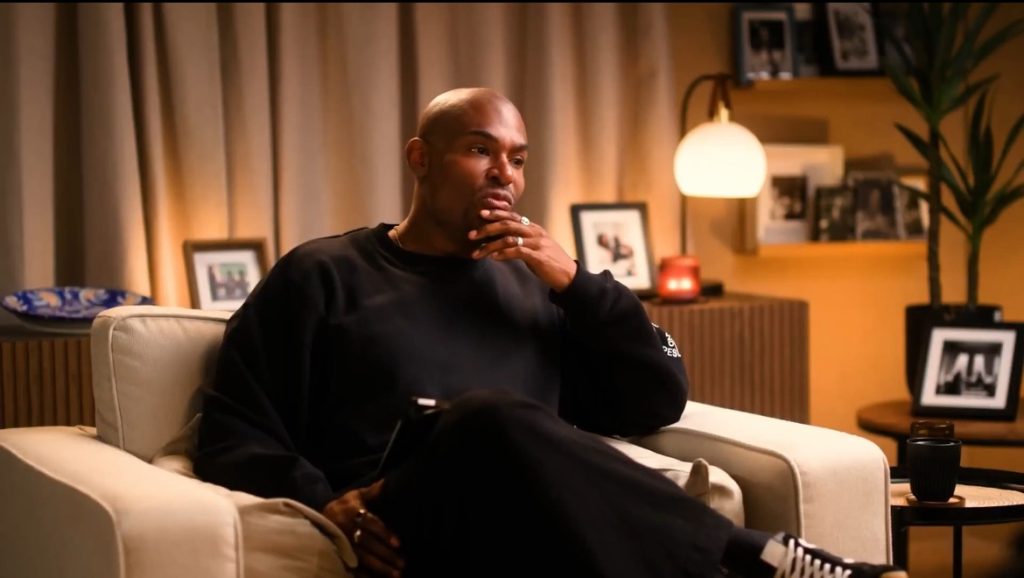
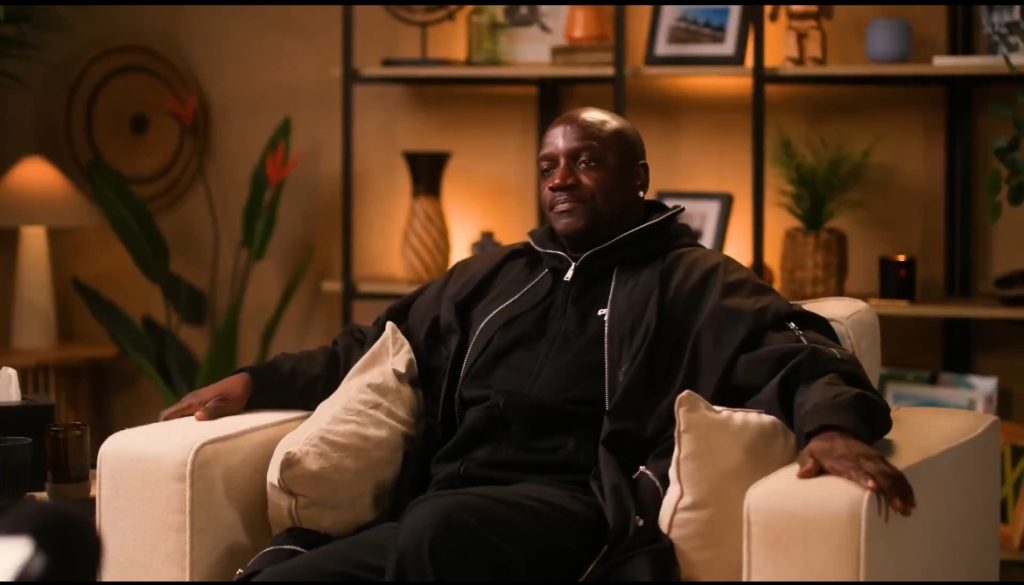
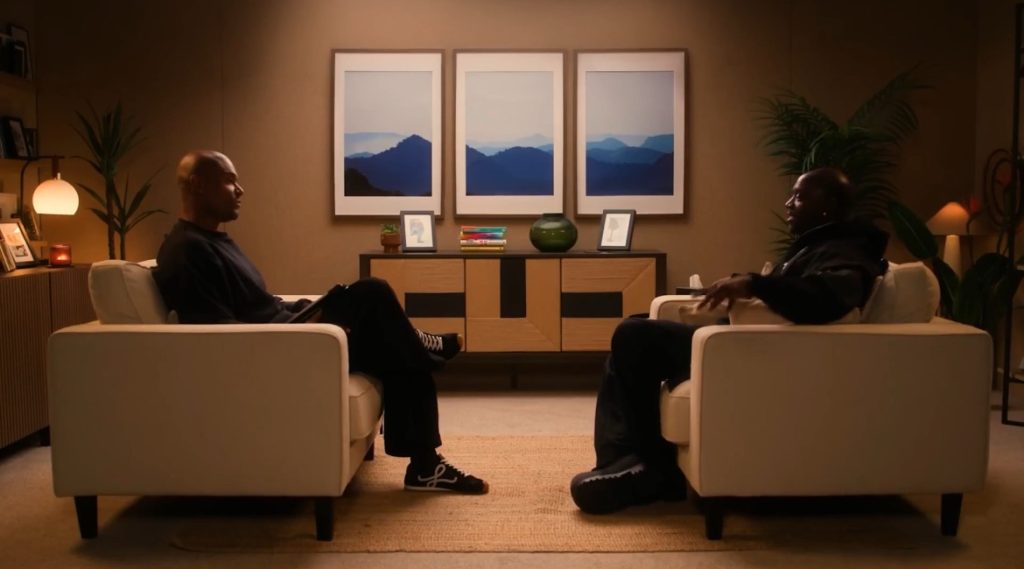
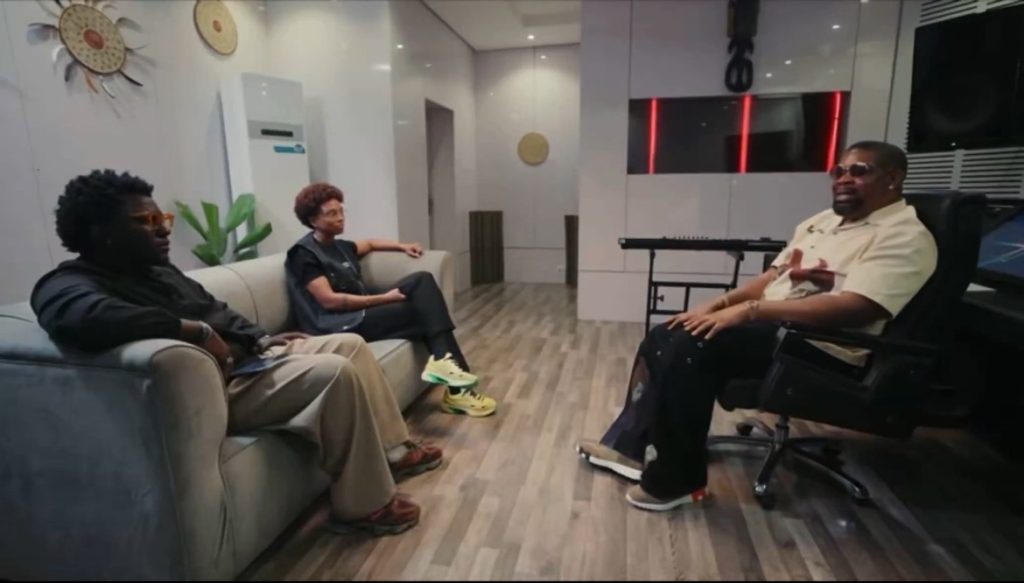
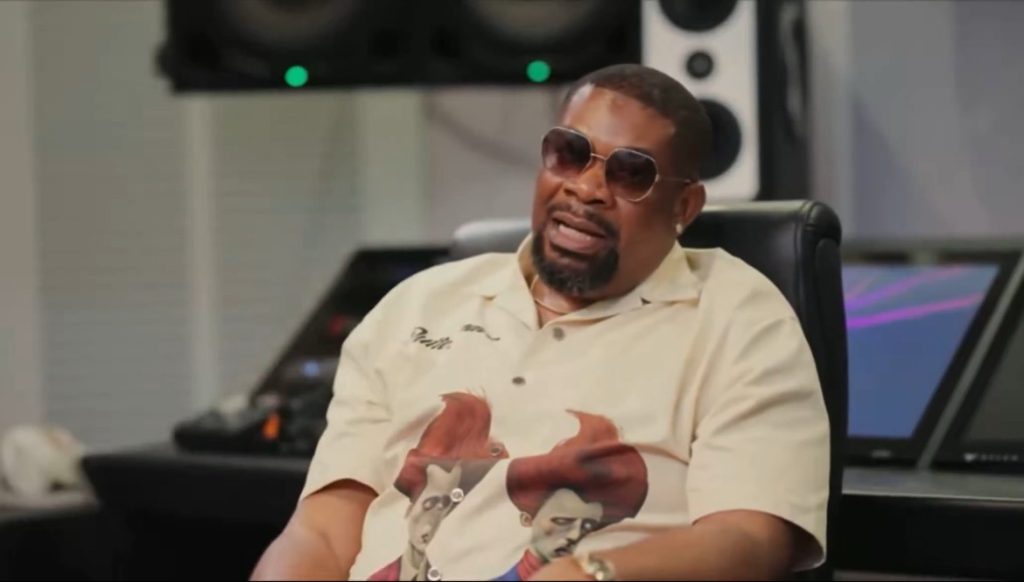
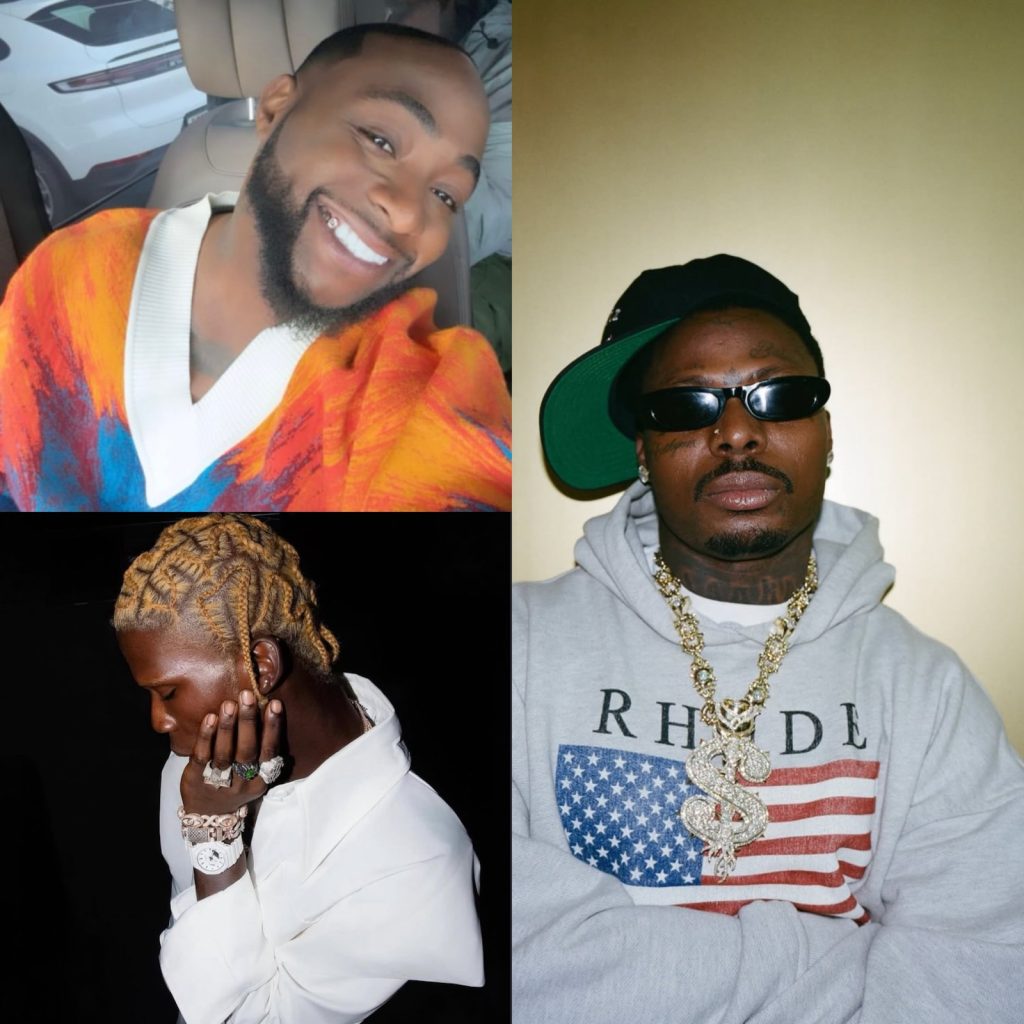
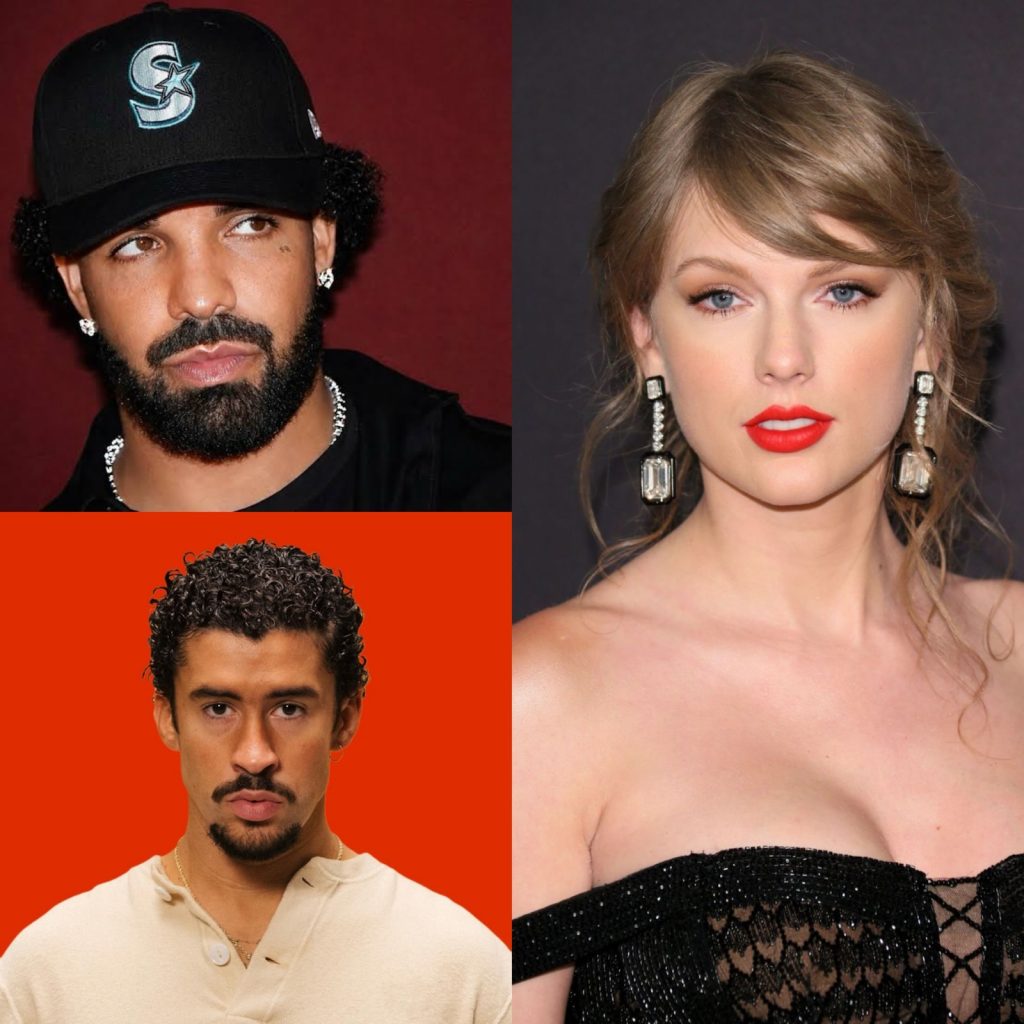
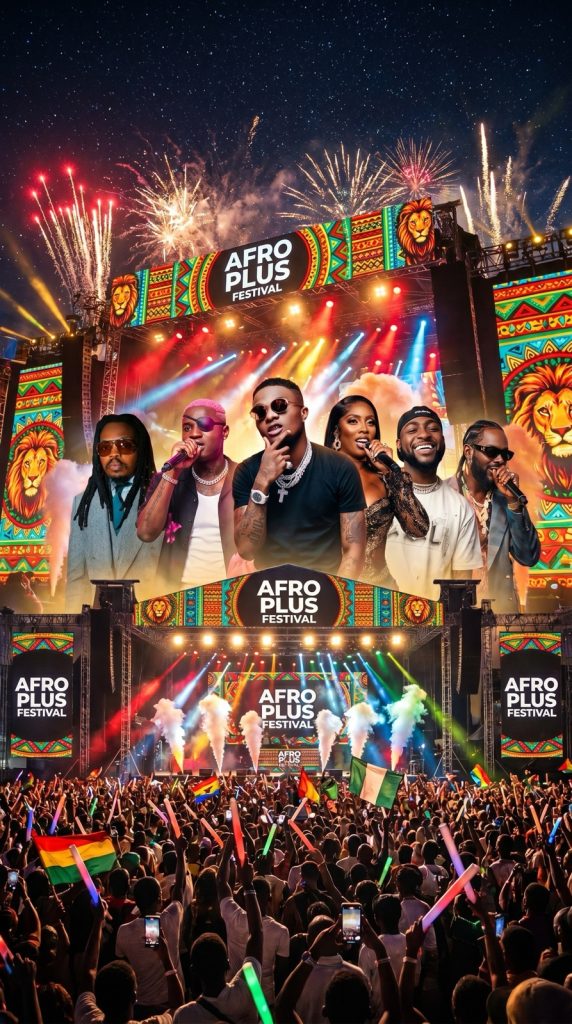
CDQ has said that success in the Nigerian music industry is now heavily influenced by group connections, not just talent. Speaking during a conversation with JBrandy, the rapper claimed that many artists must belong to certain inner circles before they can get real support or opportunities. He also warned that some musicians spend heavily on promotion but still struggle to see results without strong connections.
The statement has sparked debate across the Nigerian entertainment scene, especially among upcoming artists trying to break into the industry.
CDQ says music has become a game of belonging to “caucuses” or groups before getting support 🎶💭
— Anything celebrity (@AnytinCelebrity) June 4, 2026
What did CDQ say about the Nigerian music industry?
CDQ said the music industry has become a space where belonging to a “caucus” or group can determine an artist’s level of success. According to him, artists without access to these networks often face difficulty getting support, even when their music is good.
He added that some artists invest large amounts of money into music promotion, videos, and collaborations, but still struggle to gain traction if they are not connected to influential groups within the industry.
His point focused on one idea: access to networks can be as important as talent.
Who is CDQ referring to when he talks about “caucus” or groups?
CDQ did not mention specific individuals, but his comments refer to informal networks within the Nigerian music industry.
These groups can include:
Industry circles that influence collaborations and features
Promotion teams that control visibility on radio and playlists
Social networks that shape media attention and public exposure
In places like Lagos, these networks often overlap with record labels, managers, influencers, and entertainment executives.
cdq caucus politics nigerian music industry
Is gatekeeping really a problem in Nigerian music?
The Nigerian music industry has grown globally, especially with Afrobeats gaining international attention through artists like Burna Boy, Davido, and Wizkid. Still, many upcoming artists say access remains difficult without strong backing.
Common concerns raised by upcoming musicians include:
Playlist placement often influenced by industry connections
Radio and club promotion favoring established relationships
Collaboration opportunities depending on access to certain circles
At the same time, social media platforms like TikTok, YouTube, and Instagram have helped some independent artists gain attention without traditional industry support.
Why CDQ’s statement went viral
The conversation between CDQ and JBrandy spread quickly online because it reflects a topic many people in the entertainment space relate to. Upcoming artists, fans, and industry watchers reacted strongly to his claims about how the system works behind the scenes.
Some people agreed with him, saying connections matter more than talent. Others argued that consistency, creativity, and digital platforms still allow independent artists to succeed without industry backing.
What this means for upcoming Nigerian artists
CDQ’s comments highlight the importance of more than just making good music. Many upcoming artists now focus on combining talent with strategy and visibility efforts.
Key realities in the industry include:
Networking plays a major role in gaining exposure
Marketing and promotion require planning and investment
Industry relationships can influence collaborations and bookings
Still, viral moments on social media continue to give independent artists a chance to break through without traditional backing.
— Anything celebrity (@AnytinCelebrity) June 3, 2026
What did Akon mean by “artists are broke, they are just famous”?
Akon was talking about how earnings are shared in the music industry.
Artists usually receive payment after multiple parties have taken their share from a song or project. These include record labels, managers, distributors, lawyers, and publishers.
By the time the money reaches the artist, a large portion has already been deducted.
This is why Akon said many artists are known worldwide but may not be financially stable.
Why do artists get paid last in the music industry?
In most traditional music deals, artists sit at the end of the payment chain.
Record labels recover advances and marketing costs first
Managers and agents take commission percentages
Producers and collaborators receive their agreed payments
Publishing and songwriting splits are deducted
Streaming and distribution platforms also take their share
After all these deductions, the artist’s earnings can become much smaller than expected.
akon artists are broke famous interview
What music roles make more consistent money?
Akon suggested that people who want steady income in the music industry should consider other roles.
He mentioned:
Music producers
Songwriters
Managers
Agents
Entertainment lawyers
These roles often earn from multiple artists or take percentages from several deals, which can lead to more stable income than relying only on being an artist.
Is it easier to become an artist today?
Akon pointed out that music creation is now more accessible than ever.
With smartphones, home studios, and streaming platforms, almost anyone can release music.
This has led to:
More competition in the music space
Difficulty standing out financially
Shorter attention span from listeners
Even talented artists can struggle to convert popularity into long-term income.
Akon’s experience in the music industry
Akon is a five-time Grammy-nominated artist who has sold over 35 million albums worldwide.
He has also spoken about starting his career with a very small advance and learning early how the industry works financially.
Over time, he expanded into business ventures beyond music, including investments and large-scale projects such as Akon City and natural resources.
How this relates to Afrobeats artists
In Afrobeats, artists from Nigeria and across Africa have gained global recognition, but the business structure remains similar.
Streaming revenue is split across multiple stakeholders
Label agreements affect long-term earnings
Publishing and songwriting rights play a major role
Brand deals and touring often generate higher income than streaming
This is why many Afrobeats artists now focus more on ownership and business partnerships.
Why Akon’s statement still matters
The quote continues to attract attention because it highlights a common reality in the music industry.
Fame can come quickly, but financial stability often depends on contracts, ownership, and business decisions behind the scenes.
Akon’s message remains relevant across global music markets, including Afrobeats.
Shallipopi will release his new street-pop single “Allergies” on June 12, 2026, under Plutomania Records. The track is already generating buzz, with fans expecting another viral Afrobeats hit packed with catchy slang, heavy beats, and strong TikTok appeal.
Watch video clip…
Shallipopi announces new track “ALLERGIES” dropping next Friday 🚨🔥
— Anything celebrity (@AnytinCelebrity) June 3, 2026
Afrobeats and street-pop sensation Shallipopi is officially set to drop a new single titled “Allergies” on Friday, June 12, 2026. The announcement has already sparked massive buzz across social media, with fans eagerly anticipating another viral hit from the Plutomania boss.
What is “Allergies” by Shallipopi?
“Allergies” is an upcoming Nigerian street-pop and Afrobeats single by Shallipopi, known for his unique blend of catchy Pidgin lyrics, playful delivery, and heavy percussion-driven sound.
Song title: Allergies
Artist: Shallipopi
Release date: Friday, June 12, 2026
Genre: Street-pop / Afrobeats
Record label: Plutomania Records
Availability: All major streaming platforms (Apple Music, Spotify, Boomplay, etc.)
Why fans are excited about “Allergies”
The announcement of “Allergies” has already triggered massive reactions online. Fans are predicting another viral moment, especially on TikTok and Instagram Reels, where Shallipopi’s sound has consistently performed well.
Many listeners believe the song will continue his streak of street hits following recent releases like “Laho” and “Na So,” which helped solidify his dominance in the new wave of Afrobeats street music.
shallipopi allergies release june
Shallipopi’s rise in Afrobeats
Born Crown Uzama (April 12, 2000), Shallipopi has built a fast-rising career around his distinct street-inspired sound and viral storytelling style. He is also the founder of Plutomania Records, which has become a growing force in Nigeria’s music scene.
From breakout moments to charting singles, Shallipopi has quickly positioned himself as one of the most recognizable voices in the new generation of Afrobeats artists.
What to expect from “Allergies”
While the full sound has not yet been released, fans expect “Allergies” to carry the same energy as his previous hits — infectious hooks, street slang, and dance-ready production.
The track is widely predicted to trend heavily on social media shortly after release, especially within Nigeria’s street-pop community and global Afrobeats playlists.
Fan reactions so far
Since the announcement, fans have been flooding social media with reactions, excitement, and predictions. The most common question circulating online is simple: “How’s it sounding?”
Anticipation is high, and many believe this could become one of Shallipopi’s biggest releases of 2026.
Vector joked that when Davido arrived at the studio with a large entourage, he looked around and said, “Today all of us must sing.” The funny story quickly got fans laughing online.
Nigerian rapper Vector has shared a funny studio experience involving Afrobeats star Davido, and fans are reacting to it online.
According to Vector, Davido arrived at a recording session with a large group of people. Instead of treating it as a distraction, he turned it into a light-hearted moment that involved everyone in the room.
Watch the video clip below…
Vector says Davido brought so many people to the studio 😭😂
— Anything celebrity (@AnytinCelebrity) June 3, 2026
What Did Vector Say About Davido’s Studio Session?
Vector shared the story on X (formerly Twitter) on June 2, 2026. He explained that the studio suddenly became crowded after Davido walked in with his team and friends.
“Davido brought so many people to the studio . I looked around and said, ‘Today all of us must sing’ .”
He added that while some artists prefer a quiet studio setup, he chose to work with the energy in the room.
“Some artists don’t like recording with too many people in the studio but I took advantage of that.”
vector davido studio crowd story
Why Is This Studio Story Getting Attention?
The story is trending because it matches what many fans already associate with Davido’s lifestyle.
The singer is known for moving with a large circle of friends, collaborators, and crew members. Whether in the studio, at shows, or public events, Davido often brings high energy and a full entourage.
Vector’s story gave fans a behind-the-scenes picture of how that energy plays out during recording sessions.
Have Vector and Davido Worked Together Before?
Yes. Both artists have collaborated on music before.
They worked together on the 2019 song “Comfort”, which appeared on Vector’s EP Vibes Before Teslim.
The track was produced by Vstix and Mr Eff, and the video was directed by Nigerian music video director TG Omori.
About the Song “Comfort”
“Comfort” blends Vector’s rap style with Davido’s melodic sound. The record gained strong attention from fans after its release in 2019.
The collaboration remains one of the notable moments between a Nigerian rapper and a major Afrobeats star.
Who Is Vector?
Vector is one of Nigeria’s respected rappers known for strong lyricism and storytelling.
He has been active in the music industry for years and has earned recognition at major award platforms including The Headies.
Vector has also worked with other Nigerian artists across different sounds, showing his range in the music industry.
vector davido studio crowd story’s
Why Do Some Artists Prefer Fewer People in the Studio?
Many artists prefer a smaller studio environment because it helps them focus better during recording sessions.
Davido responded to “nepo baby” claims by insisting that hard work built his career. He said his income comes from touring, DMW 2.0, endorsement deals, merchandise, his clothing line, and his Sony Music partnership. The singer also announced plans to launch a film production company focused on movies, interviews, and podcasts, as he continues to expand beyond music into broader entertainment ventures.
Watch the video clip below…
Davido Responds to Nepo Baby Claims, Reveals How He Makes His Money and Announces Film Production Company pic.twitter.com/bHtZpm49fx
— Anything celebrity (@AnytinCelebrity) June 3, 2026
Nigerian music star Davido has responded to the long-running “nepo baby” debate by listing the businesses, endorsement deals, and ventures that contribute to his wealth.
The singer made the statement while addressing critics who often point to his family background whenever discussions about his success come up. According to Davido, his income comes from multiple sources, including touring, DMW 2.0, endorsement partnerships, merchandise sales, his clothing line, and his deal with Sony Music.
He also revealed that he will soon launch a film production company focused on movies, interviews, and podcasts.
The announcement has sparked fresh conversations online about his career, business empire, and whether the “nepo baby” label fairly represents his journey.
What Did Davido Say About Being a Nepo Baby?
Davido directly rejected the idea that his success can be reduced to family wealth.
In his statement, he wrote:
“I’m not a nepo baby. Hard work got me here.”
He followed that statement by listing several businesses and partnerships that generate revenue for him.
The post quickly gained attention because discussions about Davido’s privileged background have followed him throughout his career.
Why Do People Call Davido a Nepo Baby?
The term “nepo baby” is often used to describe people whose careers benefited from family influence, wealth, or connections.
Davido, whose real name is David Adedeji Adeleke, is the son of billionaire businessman Dr. Adedeji Adeleke.
His father is one of Nigeria’s most successful businessmen, with investments spanning education, power, real estate, and other sectors.
Because of this background, critics have argued that Davido had access to opportunities that many aspiring musicians could only dream of.
Supporters of the singer usually make a different argument. They point out that access alone does not guarantee success. They note that Davido has remained relevant for more than a decade in one of the most competitive music industries in the world.
His ability to consistently release hit songs, sell out venues, and maintain a global fan base is often cited as proof that talent and hard work have played a major role in his career.
How Does Davido Make His Money?
Davido listed several income streams that contribute to his wealth.
According to the singer, his earnings come from:
Touring and live performances
DMW 2.0 record label operations
Martell endorsement partnership
Stake partnership
Puma endorsement deal
His clothing line
Sony Music agreement
Merchandise sales
This list highlights how modern music stars earn money beyond streaming and record sales.
For top artists, touring remains one of the largest sources of revenue. Brand endorsements also provide significant earnings, especially for artists with international recognition.
What Is DMW 2.0?
DMW 2.0 is Davido’s music label and entertainment company.
The label serves as a platform for developing and promoting artists. Over the years, Davido has used his influence to support emerging talents and expand his business interests within the music industry.
DMW has become one of the most recognized music labels in Nigeria and has helped strengthen Davido’s position as an executive and entrepreneur.
What Is Davido’s New Film Production Company About?
The biggest revelation from his statement may be his plan to launch a film production company.
According to Davido, the company will focus on:
Movies
Interviews
Podcasts
The move suggests that he wants to expand beyond music and become a larger force in African entertainment.
Film production can create new revenue opportunities through licensing, streaming partnerships, advertising, sponsorships, and content ownership.
For a celebrity with a massive audience across Africa and internationally, entering the film and digital content space is a logical business move.
Has Davido Spoken About Film Production Before?
Yes.
Davido has publicly discussed his interest in movies and television projects in previous interviews.
He revealed that he had been exploring opportunities in film and series production and expressed confidence in his ability to act.
He has also worked on ideas with director Dami Twitch and has previously discussed projects connected to streaming platforms.
His latest announcement confirms that those plans are moving closer to becoming a formal business operation.
Has Davido Acted in Movies Before?
Yes.
Davido has appeared in several productions over the years.
His most notable appearances include:
Coming 2 America (2021)
Fate of Alakada (2020)
These appearances gave fans a glimpse of his interest in acting and screen entertainment.
Why Is Davido Expanding Into Film and Podcasts?
The African entertainment industry has experienced major growth over the past decade.
Nollywood remains one of the largest film industries globally by output, and African stories are attracting increasing international attention through platforms like Netflix, Prime Video, and Showmax.
Podcasts and interview-based content have also become valuable businesses, attracting millions of views and sponsorship deals.
By entering these sectors, Davido is positioning himself to benefit from entertainment trends that extend beyond music.
FAQs
Did Davido say he is not a nepo baby?
Yes. Davido publicly stated that he is not a nepo baby and said hard work is responsible for his success.
What businesses does Davido own?
Davido is involved in DMW 2.0, merchandise sales, a clothing line, endorsement partnerships, and is preparing to launch a film production company.
What will Davido’s film company produce?
The company is expected to focus on movies, interviews, and podcasts.
Who is Davido’s father?
Davido’s father is Dr. Adedeji Adeleke, a Nigerian billionaire businessman and founder of Adeleke University.
Has Davido acted before?
Yes. He has appeared in Coming 2 America and Fate of Alakada.
Reported by Anything Celebrity – Nigeria’s hub for entertainment gist and celebrity updates.
Davido says he believes he will never be broke because of smart early contracts, ongoing music ownership plans, and future royalty structures. He is also working to regain his song masters from Sony Music and plans to assign songs to his five children so they continue earning from royalties.
His statement went viral because it highlights long-term wealth building through music ownership, streaming income, and legacy planning in Afrobeats.
Davido has said he does not see himself ever being broke, pointing to his music contracts, ownership plans, and royalty strategy as the reason behind his confidence.
He explained that he signed smart deals early in his career and is now working toward regaining ownership of his song masters from Sony Music. He also revealed that his five children will each inherit songs that continue earning royalties even after he stops performing.
What did Davido say about never being broke?
Davido stated that financial struggle is unlikely for him because of how his music business was structured from the start. He credited long-term planning and ownership-focused deals for his financial stability.
Davido revealed that he plans to assign songs to his five children so they continue earning income from them over time.
Music royalties can come from:
Streaming platforms like Spotify and Apple Music
Radio airplay
Film and advertisement licensing
Sync deals and public performances
With the right structure, these royalties can continue for many years, even decades.
Why artists focus on owning music today
More artists now focus on ownership because music has become a long-term digital asset. Songs continue generating income years after release, especially when they remain active on streaming platforms and social media.
Catalog value increases when songs stay relevant, get reused in media, or resurface on digital platforms.
Why Davido’s statement is trending
The statement gained attention because of Davido’s status as a leading Afrobeats star and the financial confidence behind his comments.
Key reasons it went viral include:
“Never be broke” financial claim
Reference to Sony Music and masters ownership
Plans for children to inherit royalties
His influence in the global Afrobeats scene
What this means for his legacy
Davido’s strategy shows a focus on long-term wealth beyond music performance. If fully achieved, his catalogue could continue generating income for his children for many years.
This positions his career as not just entertainment, but also a structured financial legacy built through music ownership and royalties.
Reported by Anything Celebrity – Nigeria’s hub for entertainment gist and celebrity updates.
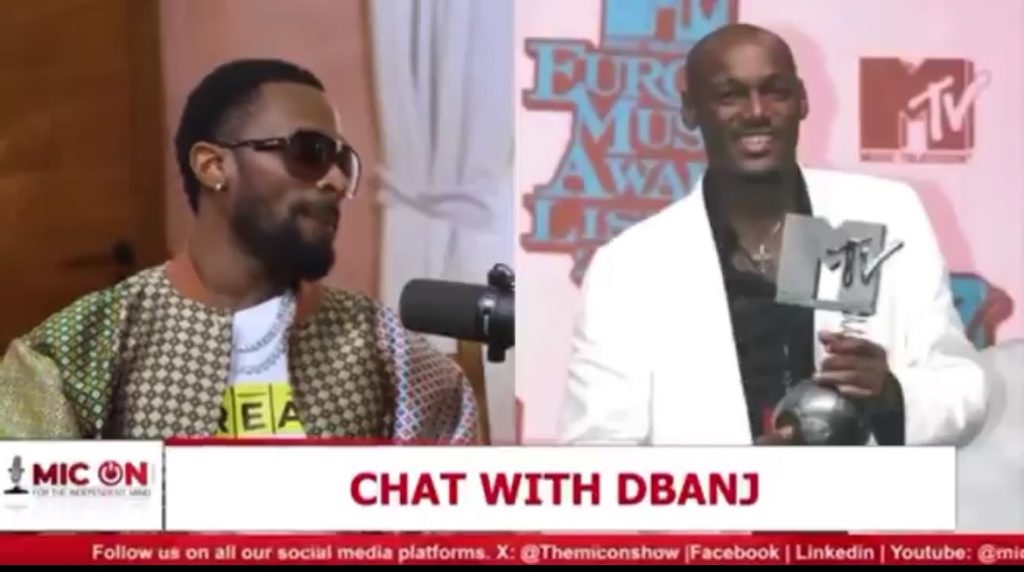
D’Banj revealed that 2Face Idibia predicted his 2007 MTV Europe Music Awards win before the ceremony. According to him, 2Face said if award organizers called him days before the show to prepare outfits, it meant he had already won. D’Banj later won the Best African Act award, and the story has sparked nostalgia among Afrobeats fans online.
Nigerian music star D’Banj has shared a memorable story about how legendary singer 2Face Idibia predicted his victory at the MTV Europe Music Awards (EMAs) in 2007 before the official announcement.
The story has sparked reactions online, especially among Afrobeats fans who remember the era when Nigerian artists started gaining major international recognition.
What Did D’Banj Say About 2Face and the EMAs?
According to D’Banj, he reached out to 2Face before attending the 2007 MTV Europe Music Awards because 2Face had already experienced winning the award before him.
D’Banj recalled that 2Face gave him a simple tip that later turned out to be true.
“When I was going for the EMAs in 2007 I called 2face because he had won it before and he said:
‘If they call you 2 days before the award say make you wear wetin you wan wear come somewhere, you don win be that’
Eventually, they called me and I went there with Sunday Are.”
The statement quickly caught attention on social media because it gave fans a rare behind-the-scenes look at how award shows sometimes operate.
— Anything celebrity (@AnytinCelebrity) May 29, 2026
Which Award Did D’Banj Win at the EMAs?
D’Banj won the Best African Act award at the MTV Europe Music Awards in 2007.
At the time, the achievement was a huge moment for Nigerian music. International platforms were just beginning to pay serious attention to Afrobeats and African entertainers.
The award helped push D’Banj further into global conversations and strengthened his reputation as one of the leading African artists of that era.
Many fans are talking about the story because it connects two major figures in Nigerian music history.
2Face Idibia, now known as 2Baba, had already opened international doors for Nigerian artists before D’Banj’s rise. Hearing D’Banj explain how 2Face guided him before the award has reminded many people about the relationship older artists had within the industry.
Some fans also found the story funny because of how confidently 2Face predicted the outcome.
Who Is Sunday Are Mentioned by D’Banj?
Sunday Are is a respected Nigerian entertainment manager who has worked with several major artists in the music industry.
D’Banj mentioned attending the event with him after receiving the call that hinted at his win.
Music fans familiar with the Nigerian entertainment business know Sunday Are as one of the industry figures who played important roles behind the scenes during the growth of Afrobeats.
What Did 2Face Mean by “You Don Win Be That”?
The phrase basically meant that if the award organizers contacted D’Banj shortly before the show and told him to prepare specific outfits or arrangements, it was likely a sign that he had already won the category.
Fans online believe 2Face was speaking from experience since he had already gone through the process himself.
Why Was the 2007 EMA Win Important for Nigerian Music?
Back in 2007, international recognition for Nigerian artists was not as common as it is today.
Streaming platforms were not dominating music yet, and African artists had fewer global opportunities compared to now.
D’Banj’s EMA victory became one of the moments that helped increase global awareness of Nigerian music and Afrobeats culture.
The success also added to the growing international reputation built by artists like 2Face, P-Square, and others during that period.
Fans React to D’Banj’s Story
After the interview clip surfaced online, many fans praised the friendship and support between older Nigerian artists.
Some social media users described the story as proof that experienced artists often know how award systems work behind the scenes.
Others simply enjoyed hearing old-school music stories from the early Afrobeats era.
Frequently Asked Questions
Did D’Banj really win an MTV EMA award in 2007?
Yes. D’Banj won the Best African Act category at the MTV Europe Music Awards in 2007.
Who told D’Banj he was going to win?
According to D’Banj, 2Face Idibia told him that if award organizers contacted him shortly before the ceremony, it likely meant he had already won.
Who is 2Face Idibia?
2Face Idibia, also known as 2Baba, is one of Nigeria’s most influential musicians and one of the pioneers of modern Afrobeats.
Why are people discussing this story online?
Fans enjoy hearing stories from the early days of Afrobeats, especially moments involving major artists like D’Banj and 2Face.
What are the MTV Europe Music Awards?
The MTV Europe Music Awards, often called the EMAs, are international music awards organized by MTV to celebrate artists from different regions around the world.
D’Banj and 2Face’s Legacy in Afrobeats
D’Banj and 2Face remain two of the biggest names connected to the global rise of Nigerian music.
Long before Afrobeats became a worldwide movement, artists from their generation were already pushing African music onto international stages and winning major awards abroad.
Stories like this continue to remind fans how far Nigerian entertainment has grown over the years.
Reported by Anything Celebrity – Nigeria’s hub for entertainment gist and celebrity updates.
D’Banj says the decision to end Mo’Hits Records came from Don Jazzy, not from any serious fight or betrayal. He revealed that Don Jazzy gave him full ownership of his music catalog and even handed him 10 unreleased songs after the split.
According to D’Banj, the breakup was more about different visions than personal issues, and both stars still remain cool years later.
The breakup of Mo’Hits Records remains one of the biggest moments in Nigerian music history. Fans spent years asking what really happened between D’Banj and Don Jazzy after the label suddenly collapsed at its peak.
Now, D’Banj has shared fresh details about the split, and his comments are changing how many fans see the situation.
According to the singer, there was no serious fight, betrayal, or personal beef behind the breakup. He explained that the decision to separate actually came from Don Jazzy himself.
What Did D’Banj Say About Don Jazzy and the Mo’Hits Breakup?
Speaking during a recent interview, D’Banj said:
“The idea to go our separate ways came from Don Jazzy and that’s why we are still cool with no issues.”
The “Oliver Twist” star added that Don Jazzy handed over full ownership of his music catalog and even gave him 10 unreleased songs after they parted ways.
D’Banj also admitted that he cannot point to any specific issue that caused the separation.
“I can’t even remember if Jazzy did anything to me, I can’t also remember if I did anything to him so maybe it was just vision.”
Those words have surprised many longtime fans who believed the split was caused by conflict behind the scenes.
Why Did Mo’Hits Records Break Up?
Many Nigerians still ask this question more than a decade later.
Mo’Hits Records was one of the most successful music labels in Africa during the late 2000s and early 2010s. The label was home to artists like Wande Coal, Dr SID, D’Prince, and producer Don Jazzy.
At the center of the movement was D’Banj, whose international hit song “Oliver Twist” helped Afrobeats gain more global attention.
At the time, many rumors claimed money issues, ego clashes, or industry politics destroyed the partnership. D’Banj’s latest statement paints a different picture. He suggested that the separation happened because their goals and direction changed.
That explanation lines up with how their careers moved afterward.
D’Banj focused more on international collaborations and business ventures, while Don Jazzy later built Mavin Records into one of Africa’s most powerful music labels.
Did Don Jazzy Give D’Banj His Music Rights?
Yes. D’Banj said Don Jazzy gave him 100 percent ownership of his catalog.
That detail stands out because music ownership is one of the biggest issues in the entertainment business. Many artists fight long legal battles over masters, royalties, and publishing rights after leaving labels.
Fans online reacted positively to D’Banj’s revelation because it showed mutual respect between both men despite ending their partnership.
The singer also revealed that Don Jazzy gave him 10 unreleased songs.
That part of the interview immediately got fans talking on social media, with many hoping the songs could someday be released.
Are D’Banj and Don Jazzy Still Friends?
According to D’Banj, yes.
The singer made it clear that there is no bad blood between them. Their public appearances over the years have also supported that claim.
Fans have seen both stars reunite at events, concerts, and industry gatherings several times since the Mo’Hits breakup.
Their relationship remains important to many Nigerian music lovers because Mo’Hits shaped modern Afrobeats culture. The label helped create a sound and image that influenced many artists dominating the industry today.
How Important Was Mo’Hits to Nigerian Music?
Mo’Hits changed Nigerian pop music in many ways.
Before streaming platforms fully took over Africa, the label already understood branding, music videos, artist promotion, and hit-making chemistry.
Songs released during that era became street anthems, club records, and radio staples across Nigeria and beyond.
The partnership between D’Banj and Don Jazzy also helped push Afrobeats into international conversations years before the genre exploded globally.
Many younger artists today grew up watching Mo’Hits dominate television, concerts, and award shows.
Fans React to D’Banj’s Interview
Many fans on X, Instagram, and TikTok praised the maturity between D’Banj and Don Jazzy.
Some people admitted they expected years of hidden resentment between both stars. Others said the interview showed that not every breakup in the music industry comes from hatred.
A lot of fans also praised Don Jazzy for allowing D’Banj to keep full ownership of his catalog.
Music industry observers noted that situations like this are rare, especially when major commercial success is involved.
Could D’Banj and Don Jazzy Work Together Again?
Neither artist has confirmed plans for a full reunion project.
Still, fans continue to hope for new music from the legendary duo. Their chemistry remains one of the most celebrated partnerships in Nigerian entertainment history.
Even years after the Mo’Hits era ended, conversations about D’Banj and Don Jazzy still trend online whenever either artist speaks about the past.
That shows how deeply their music impacted Afrobeats and Nigerian pop culture.
Frequently Asked Questions About D’Banj and Don Jazzy
Who ended Mo’Hits Records?
D’Banj said the decision to separate came from Don Jazzy.
Did D’Banj and Don Jazzy fight?
D’Banj said he cannot remember any serious issue between them and explained that they are still cool with each other.
Did Don Jazzy give D’Banj his music catalog?
Yes. D’Banj revealed that Don Jazzy gave him 100 percent ownership of his catalog.
Are D’Banj and Don Jazzy still friends?
According to D’Banj, they still have a good relationship and no bad blood exists between them.
What happened to Mo’Hits artists after the breakup?
Many former Mo’Hits artists continued their solo careers, while Don Jazzy later founded Mavin Records, which became one of Africa’s top music labels.
Nasty C says his collaboration with Davido boosted his career bookings in Nigeria and across Africa, opening new performance markets after gaining wider exposure through the feature.
South African rapper Nasty C says his music feature with Nigerian superstar Davido changed the direction of his bookings across Africa. He explained that after working with Davido, he began getting more shows in Nigeria, and the attention later spread to other countries.
What did Nasty C say about Davido?
Nasty C said that after his collaboration with Davido, he started traveling more to Nigeria for performances. He noted that bookings increased quickly in Nigeria before other African countries followed.
The rapper linked this growth to the visibility he gained from the feature, which introduced him to a wider Nigerian audience and strengthened his reach in the African music market.
— Anything celebrity (@AnytinCelebrity) May 25, 2026
Which Davido feature is Nasty C referring to?
Nasty C has worked with Davido on multiple occasions in the African music scene, including joint performances and collaborations that gained attention across streaming platforms and social media.
The connection between both artists helped merge South African hip-hop with Nigerian Afrobeats audiences, creating wider exposure for Nasty C beyond his home country.
Why did Nigeria respond strongly to the collaboration?
Nigeria has one of the biggest music industries in Africa, with cities like Lagos acting as major entertainment hubs. When an artist connects with Davido, it often leads to increased visibility because of his large fanbase and industry influence.
Nasty C’s sound, combined with Davido’s reach in Afrobeats, made it easier for Nigerian fans to accept and book him for shows after the collaboration.
nasty c davido collaboration impact
Did bookings increase outside Nigeria too?
Yes. Nasty C explained that after gaining traction in Nigeria, other African countries started showing interest. Promoters in different regions began adding him to event lineups after noticing his rising demand.
This pattern is common in African music, where success in Nigeria often spreads to Ghana, Kenya, Uganda, and other entertainment markets.
How did Davido influence Nasty C’s career reach?
Davido is one of Africa’s most followed artists, with a strong presence across streaming platforms and international stages. His collaborations often bring attention to featured artists, especially those outside Nigeria.
For Nasty C, the exposure created a bridge into markets that previously had limited booking activity for him, helping expand his touring schedule across the continent.
What does this mean for African music collaborations?
The experience shared by Nasty C shows how cross-country collaborations in African music can shift an artist’s career path. Working with high-profile artists like Davido can open access to new audiences and performance opportunities.
It also highlights the growing connection between South African hip-hop and Nigerian Afrobeats, two of the biggest sounds shaping modern African music.
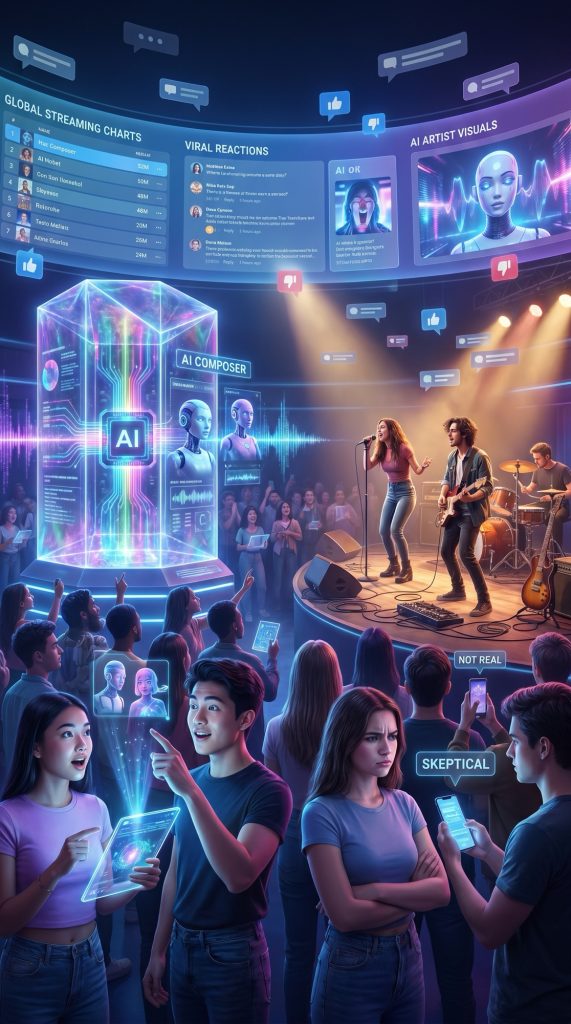
Streaming platforms are rushing to label AI-generated music as detection systems struggle to identify synthetic songs after mixing and mastering
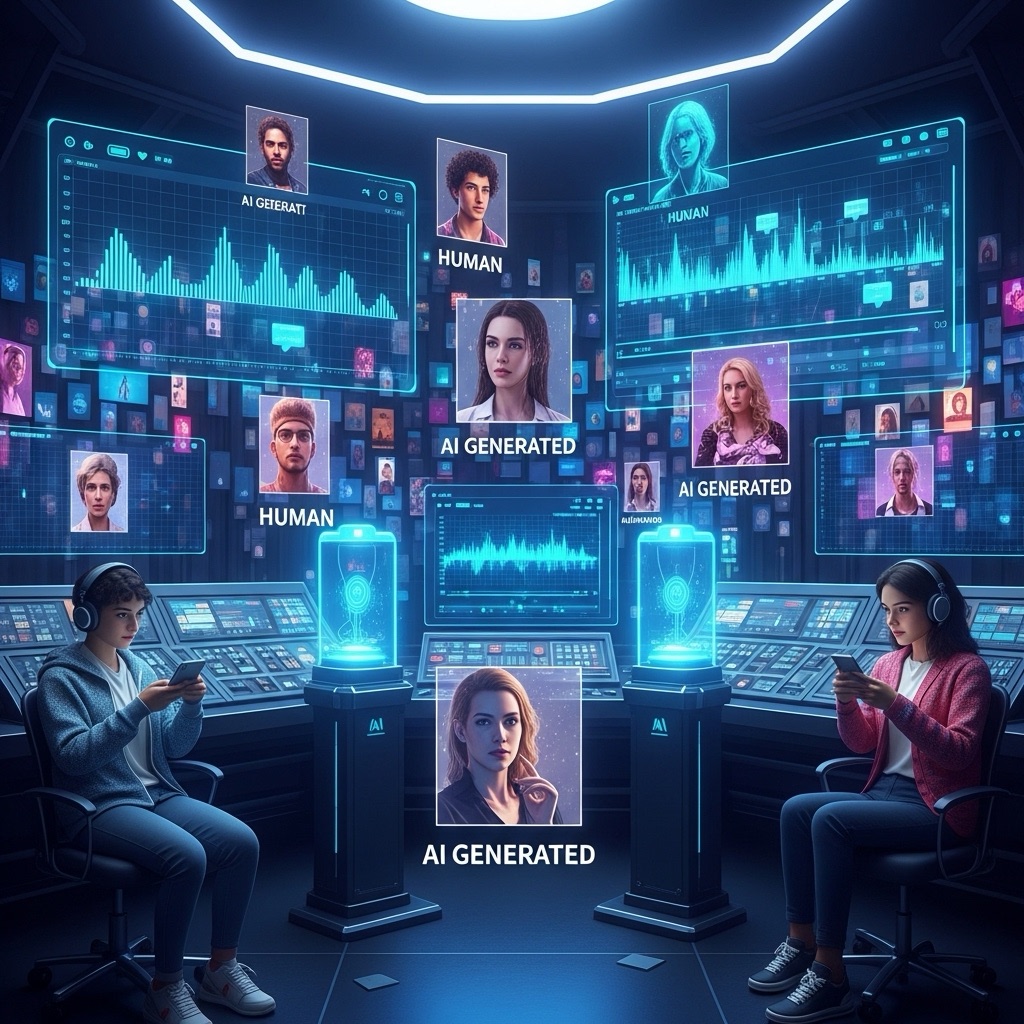
New studies show 97% of listeners can’t reliably tell AI music from human music, while platforms like Spotify, Apple Music, and Deezer now push for AI transparency and disclosure tags.
Artificial intelligence is already flooding streaming platforms with music, and most listeners cannot tell the difference anymore.
New listener studies show that 97% of people struggle to reliably identify whether a song was made by a human or generated by AI. At the same time, 80% of listeners say they want clear labels on streaming services showing when artificial intelligence was used in a track.
That gap between listener trust and platform transparency is becoming one of the biggest debates in the music industry.
Streaming services including Apple Music, Spotify, Deezer, Bandcamp, and Qobuz are now introducing AI music disclosure systems, detection tools, and new rules around transparency.
The industry is no longer asking whether AI music should exist. The focus has shifted toward tracking it, labeling it, and controlling how it spreads across streaming platforms.
Why Are Streaming Platforms Suddenly Labeling AI Music?
The pressure started building after the viral release of Heart on My Sleeve in 2023.
The song used AI-generated vocals that sounded almost identical to Drake and The Weeknd. Before rights holders could react, the track had already gained millions of streams online.
That moment exposed a major weakness inside the music business.
Labels realized they could no longer manually track every AI-generated upload hitting streaming services. Platforms also understood that listeners could easily mistake synthetic music for official releases.
Since then, music companies have started building AI detection systems directly into their upload pipelines and metadata systems.
Industry discussions are now centered around AI disclosure, artist consent, copyright tracking, metadata verification, synthetic voice protection, and training data transparency.
Music executives are treating provenance data as the next major layer of digital music rights management.
ai music detection failing
Can People Actually Tell AI Music From Human Music?
Most people cannot.
Research cited across multiple listener studies shows that nearly all listeners struggle to reliably separate fully AI-generated songs from human-created music.
That confusion is starting to affect trust.
Many listeners now say they feel uncomfortable listening to music when they do not know whether artificial intelligence created the vocals, lyrics, or instrumental production.
72% of listeners want streaming platforms to disclose when AI-generated music is being recommended
45% say they would actively avoid AI-generated songs
40% say they would skip AI music if they discovered it during playback
The reaction is not entirely anti-AI.
A large number of listeners support AI-assisted production tools used for mixing, mastering, or editing. The backlash becomes stronger when artificial intelligence replaces the artist completely or imitates real musicians without consent.
How Does AI Music Detection Actually Work?
AI music detection tools analyze patterns inside audio files to determine whether machine-generated systems likely created the track.
vocal synthesis patterns
instrumental generation signatures
waveform inconsistencies
spectral fingerprints
metadata traces
training-model artifacts
One of the best-known systems currently comes from Cyanite.
According to the company, its detector successfully identifies most AI-generated tracks created with platforms like Suno, Udio, and ElevenLabs.
Cyanite claims detection accuracy reaches around 98% on raw WAV audio files.
The company also says false positives are extremely rare, meaning fully human songs are unlikely to be incorrectly tagged as AI-generated.
Why Is AI Music Detection Still Failing?
The problem appears after songs enter real-world production pipelines.
mixing
mastering
compression
equalization
post-production processing
Once tracks go through those stages, detection accuracy starts dropping.
This is one reason many critics argue current AI detection systems are still unreliable outside controlled testing environments.
Some Reddit users and AI music creators claim entirely human performances have already been incorrectly flagged as AI-generated by various tools.
Others argue that processed AI music becomes much harder to distinguish once engineers alter the original audio file.
“It works very accurately on pure AI audio, but the accuracy drops when there’s any secondary mixing, mastering, or compression.”
That creates a serious issue for streaming services trying to automate moderation systems at scale.
What Is Apple Music’s AI Transparency Policy?
Apple Music introduced a new “Transparency Tags” system designed to identify when artificial intelligence played a major role in music production.
Artwork
Tracks
Compositions
Music Videos
The platform says the labels are intended for situations where AI generated a meaningful portion of the work rather than minor technical assistance.
“Proper tagging of content is the first step in giving the music industry the data and tools needed to develop thoughtful policies around AI.”
Apple Music also stated that labels and distributors will eventually be expected to disclose AI-generated content during uploads.
What Is Spotify Doing About AI Music?
Spotify is focusing heavily on impersonation, deepfake abuse, streaming manipulation, and spam prevention.
The platform is also working with DDEX, the Digital Data Exchange standard used across the music business, to create broader AI disclosure systems.
AI-generated vocals
AI instrumentation
AI-assisted mixing
synthetic production involvement
Spotify’s strategy appears less focused on banning AI music and more focused on disclosure and platform safety.
Why Did Bandcamp Ban AI-Generated Music?
Bandcamp took one of the strongest positions in the industry.
The platform reportedly banned music that is fully or substantially generated by artificial intelligence.
That decision reflects growing demand for human-created music as a premium category.
human-made music
non-AI vocals
authentic songwriting
organic recordings
Why Is Deezer Detecting AI Songs Automatically?
Deezer says around 60,000 fully AI-generated songs are uploaded to its platform every single day.
To manage the volume, the company developed its own AI music detection system.
Deezer now automatically identifies and labels AI-generated tracks. The platform also excludes many AI songs from algorithmic and editorial recommendations.
Can Fans Block AI Music Completely?
Some platforms are already testing that option.
Coda Music introduced settings that allow users to turn AI music recommendations on or off completely.
AI tracks become ineligible for autoplay
AI music disappears from radio recommendations
generative playlists stop including synthetic artists
The platform also labels identified synthetic performers with “AI ARTIST” tags.
The largest concerns inside the music industry are consent, compensation, training data transparency, and artist control.
Universal Music Group has already entered discussions with AI companies, though the label says artist consent remains central to its strategy.
Creator groups are demanding stricter rules around how AI systems train on copyrighted music catalogs.
More than 10,500 creatives reportedly signed statements calling for explicit permission before AI training, fair payment for usage, and stronger disclosure systems.
Sony Music Group also publicly opted out of AI training systems using its licensed recordings in 2024.
Many musicians now fear two separate problems:
their voices being cloned without permission
their real music being falsely labeled as AI-generated
What Is the EU AI Act Saying About Music?
The European Union’s AI Act treats many forms of AI-generated media as high-risk systems requiring transparency obligations.
Creator groups have pushed lawmakers to strengthen rules around training data disclosure, AI-generated content labeling, visible warnings for synthetic media, and artist consent systems.
California’s Generative AI Disclosure Act already requires disclosure surrounding copyrighted materials used during AI training processes.
The legal side of AI music is still developing, but streaming platforms, labels, and governments increasingly want traceable AI metadata attached to music uploads.
Why Metadata Is Becoming the Music Industry’s New Weapon
Music companies are beginning to realize they cannot remove every AI-generated upload after release.
The newer strategy focuses on tracking songs before they spread across streaming systems.
Platforms want to know:
who created the track
whether AI generated vocals
whether synthetic instruments were used
which datasets trained the system
whether artists gave permission
Rights holders believe better provenance tracking could reduce lawsuits, improve royalty auditing, and create more accountability around synthetic music.
What Happens Next for AI Music?
The music industry appears headed toward three different platform models.
Transparency-First Platforms
Services like Apple Music and Qobuz are leaning toward disclosure systems that allow AI music but require clear labeling.
Detection-Driven Platforms
Deezer is focusing heavily on automated AI detection and recommendation filtering.
Human-Only Platforms
Platforms like Bandcamp and initiatives like iHeartRadio’s “Guaranteed Human” campaign are positioning human-created music as a protected category.
The Bigger Problem Facing the Music Industry
The industry is facing a trust issue more than a technology issue.
Listeners already struggle to identify synthetic music.
Detection systems still fail after real-world audio processing.
Platforms are racing to introduce disclosure systems before AI-generated uploads become impossible to track at scale.
The next phase of music streaming may depend less on whether AI music exists and more on whether audiences believe they are being told the truth about what they are hearing.
Reported by Anything Celebrity – Nigeria’s hub for entertainment gist and celebrity updates.
Gen Z listens to more AI music than anyone else, but many are now rejecting fully AI-generated songs over concerns about fake artist cloning, lack of emotion, and originality
New reports show most listeners want AI music labeled clearly, with many saying they prefer AI assisting artists — not replacing human creativity completely.
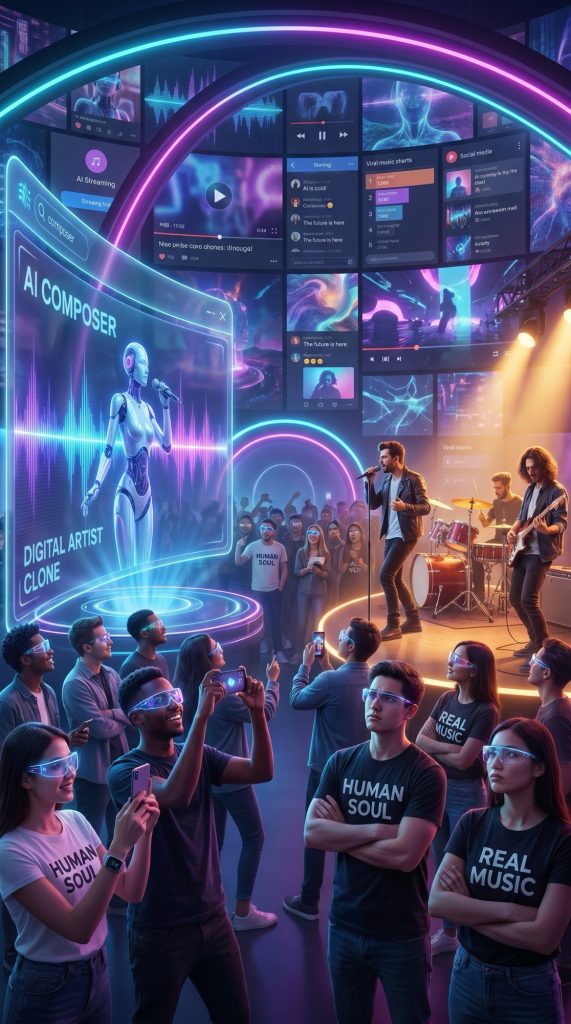
AI music is growing fast, but public opinion is shifting in the opposite direction. New reports and listener surveys show that many people — especially Gen Z and Gen Alpha — are becoming more uncomfortable with fully AI-generated songs, AI artist clones, and tracks that imitate real musicians.
The most surprising part is that younger listeners are also the people consuming AI music the most. Many use AI tools themselves for beats, songwriting ideas, vocal editing, and content creation. Still, when it comes to fully AI-made songs or fake artist recreations, reactions quickly turn negative.
Recent studies show people are worried about originality, transparency, artist identity, and emotional connection. Many listeners say AI music sounds technically good but emotionally empty. Others say they feel misled when they cannot tell whether a song was made by a real artist or generated by software.
The debate around AI music is no longer just about technology. It is now about trust, authenticity, ownership, and what people want music to feel like in the future.
why gen z against ai music
New Reports Show Interest in AI Music Is Falling
A recent Luminate report tracking listener attitudes between May and November 2025 found that consumer interest in AI music dropped from -13% to -20% within six months.
The report also stated that consumers generally have a negative perception of AI music and that more people feel uneasy than comfortable about its growing role in the industry.
The strongest shift came from Gen Z and Gen Alpha listeners. These are the same audiences driving streaming culture on TikTok, YouTube Shorts, Instagram Reels, and Spotify.
Young listeners are hearing more AI music than any generation before them, yet many are also becoming more skeptical of it.
People React More Negatively to Fully AI-Generated Songs
The reports make an important distinction between AI-assisted music and fully AI-generated music.
AI-assisted music includes cases where artists use AI tools for production help, lyric ideas, mixing, mastering, or vocal editing.
Fully AI-generated songs are different. These tracks can be created without a real human performer attached to the music at all.
Listener reactions become much harsher once the human element disappears completely.
Many respondents said they are more comfortable with AI helping artists than replacing them entirely.
One of the biggest emotional reactions came from listeners who felt AI-generated songs lacked personal experience, struggle, memory, or storytelling.
Comments from listeners often sounded like this:
“It sounds clean, but it doesn’t feel lived in.”
“I can hear the difference emotionally even if the production sounds good.”
“AI can imitate music, but it cannot imitate human experience.”
Why AI Songs That Copy Real Artists Trigger the Strongest Backlash
The strongest negative reactions came from AI songs that mimic real artists.
Listeners said they are especially uncomfortable with songs designed to sound like famous musicians without permission.
This includes:
AI voice cloning
Fake unreleased songs
AI-generated vocals
Songs copying an artist’s signature style
Deepfake music uploads on streaming platforms
Many fans see this as crossing a line.
For younger audiences, artist identity matters deeply. Fans connect with musicians through interviews, social media, life stories, performances, and personal struggles. When AI copies that identity artificially, many listeners feel manipulated.
Some reactions online include:
“If the artist didn’t approve it, it’s fake.”
“That’s not the real person. It’s a copy pretending to be human.”
“I don’t want AI using someone’s voice after they worked years to build their sound.”
For many people, the issue is no longer whether AI music sounds good. The issue is consent.
Most People Cannot Tell if a Song Is AI-Generated
The study found that 97% of listeners could not reliably tell whether a song was fully AI-generated or made by a human artist.
A Deezer and Ipsos survey added another major concern.
That statistic shocked many people online.
The inability to identify AI music has increased pressure on streaming platforms to label AI-generated content clearly.
The same research found:
80% want AI music labeled clearly
72% want streaming services to disclose AI recommendations
45% would actively avoid AI-generated songs
40% said they would skip AI tracks if discovered
One major concern repeated across social media discussions is the fear of being tricked.
Many listeners are not fully against AI tools. They simply want transparency.
A common reaction online sounds like this:
“Tell me it’s AI first. Don’t make me discover it later.”
Gen Z Uses AI Music More Than Any Other Generation
A Morgan Stanley survey from 2026 found that 60% of people aged 18 to 29 listen to AI music regularly, averaging around three hours weekly.
This creates an interesting contradiction.
Young listeners consume AI music heavily, yet negative sentiment toward AI-generated artists continues to rise among the same group.
Many younger users experiment with AI creatively themselves.
Some use AI for:
Beat creation
Demo vocals
Song ideas
Remixes
TikTok audio edits
Independent music production
Still, many draw a clear line between AI as a tool and AI replacing artists completely.
That distinction appears repeatedly across listener comments.
“Using AI to help create music is fine. Pretending AI is the artist is where it gets weird.”
Many Listeners Say AI Music Feels Emotionally Empty
A biometric study published in PLOS One during 2025 found that AI-generated music could trigger strong reactions physically, including excitement and stimulation.
At the same time, participants described AI songs as less intimate and emotionally distant compared to human-created music.
This emotional gap appears repeatedly in listener feedback.
People often describe AI songs as:
Overproduced
Too perfect
Emotionally flat
Uncanny
Soulless
Missing human struggle
Many listeners believe real music carries memories, pain, culture, mistakes, and lived experiences that AI cannot genuinely replicate.
Originality Is Becoming a Bigger Concern
gen z against ai music
A YouGov survey found that the biggest concern people have about AI music is originality.
59% of respondents said they fear AI music could reduce uniqueness in music.
Other major concerns included:
Musicians losing work opportunities
Copyright disputes
Over-commercialization
Streaming oversaturation
Reduced genre diversity
Many people worry the industry could become flooded with algorithm-friendly songs designed for streams instead of emotional connection.
Some listeners also fear labels may eventually prioritize cheaper AI-generated acts over developing real artists.
Why Gen Z and Gen Alpha Care So Much About Authenticity
Gen Z and Gen Alpha grew up online.
They are already used to:
Deepfakes
Algorithm-driven feeds
AI recommendations
Edited online identities
Viral fake content
That exposure has made younger audiences highly sensitive to authenticity.
Music is one of the few places where many listeners still want real emotion, real identity, and real storytelling.
Fans want to know:
Who wrote the song?
Who sang it?
Who experienced the emotions behind it?
Was the artist actually involved?
That emotional connection matters heavily in modern fan culture.
Could Human-Made Music Become More Valuable?
Many industry watchers believe the rise of AI music may increase the value of verified human artistry.
Cheap AI-generated functional music for background listening and algorithms
Human-driven music built around identity, emotion, and artist connection
As AI-generated tracks flood streaming platforms, live performances, personal storytelling, handwritten lyrics, and authentic artist identities may become more important commercially.
Some experts believe music could split into two categories:
This shift may already be starting.
Listeners are asking more questions about how songs are made and whether artists approved the use of AI.
What This Means for the Future of AI Music
AI music is not disappearing anytime soon.
The technology is improving rapidly, and many artists will continue using AI tools during production.
Still, listener reactions show something important.
People may accept AI as assistance, but many are resisting the idea of AI replacing human creativity entirely.
The strongest backlash appears when AI removes transparency, imitates real artists without consent, or hides the human element behind the music.
For streaming platforms, labels, and artists, trust may become one of the most important parts of music marketing in the AI era.
Listeners are already making their expectations clear:
Label AI-generated songs clearly
Respect artist consent
Protect originality
Keep human creativity visible
The future of music may not be about choosing between humans and AI.
It may come down to whether audiences still believe there is a real person behind the song.
AI is already reshaping the music industry by powering streaming recommendations, assisting music production, and influencing how hits are discovered. Platforms like Spotify and Apple use AI to analyze listener behaviour, while producers now use AI tools for beats, melodies, and sound design. However, concerns around voice cloning, copyright, and reduced artist income are growing, making AI a powerful but controversial force that is changing how music is created, distributed, and monetized.
Artificial Intelligence is already reshaping the music industry. From how songs are produced to how they are recommended on streaming platforms, AI is now part of the entire music system. It is helping artists work faster, changing how hits are discovered, and raising serious questions about copyright, voice cloning, and artist earnings.
Platforms like Spotify already rely heavily on AI-powered recommendation systems, while record labels and tech companies such as Apple are using machine learning to understand listener behaviour and predict trends.
The result is a music industry where human creativity and machine systems are now working side by side.
african artist working with ai
What is AI doing in the music industry right now?
AI is now involved in almost every stage of the music process. It is used in production, distribution, discovery, and marketing.
Streaming platforms like Spotify use AI systems to recommend songs, build playlists, and decide what appears on users’ homepages. This directly influences which songs become popular.
On the production side, AI tools can generate beats, suggest melodies, assist with mixing, and even create full instrumental drafts from text prompts.
Some tools also generate synthetic vocals that sound similar to real human singers, which is now one of the most controversial areas in the industry.
How AI is changing music creation
Music creation has become faster and more experimental due to AI tools. Many producers now start songs with AI-generated ideas before refining them manually.
Common uses include:
Beat and drum pattern generation
Chord progression suggestions
Vocal tuning and editing assistance
Sound design experimentation
Some artists treat AI as a creative assistant, using it to overcome writer’s block or speed up early-stage production. Others avoid it completely and stick to traditional methods.
Why are people worried about AI in music?
Even though AI is helping creativity, it is also creating concern across the industry.
AI voice cloning and imitation
One major concern is the ability of AI tools to imitate real artists’ voices without permission. This raises serious questions about identity and consent.
Impact on artist income
There is growing fear that AI-generated music could reduce demand for human producers, writers, and session musicians, especially for commercial projects like ads and background music.
Oversaturation of music content
Streaming platforms may be flooded with large volumes of AI-generated songs, making it harder for human artists to stand out.
What do fans think about AI music?
Public opinion is divided.
Some listeners enjoy AI-assisted music when it is clearly labeled and used for casual listening or background content. Others reject it completely, especially when it mimics known artists.
Many listeners still prefer music that feels personal, emotional, and tied to real human experiences.
How record labels and streaming platforms are reacting
Music companies are actively experimenting with AI while trying to manage legal and ethical concerns.
Companies like Apple are using AI to improve music recommendations, organise large music catalogs, and analyse listening trends.
Record labels are also using AI to predict viral sounds, track social media trends, and improve playlist placement strategies.
However, most companies are moving carefully due to copyright and voice rights issues.
Can AI replace musicians?
AI can generate sound, but it does not replace human identity in music.
Music built on personal experiences, live performance energy, and cultural expression still depends on human artists.
AI works best as a supporting tool, not a replacement for creativity.
african artist working with ai
Legal issues around AI music
Lawmakers and music organisations are currently dealing with new challenges caused by AI.
Key issues include:
Ownership of AI-generated songs
Use of artist voices without consent
Copyright and training data concerns
Royalty distribution for AI-assisted music
There is increasing pressure for clearer laws around voice protection and music data usage.
How AI is changing music business models
AI is also reshaping how music earns money.
Streaming platforms now rely heavily on AI algorithms that decide which songs get exposure. This directly affects streaming revenue distribution.
New models being explored include AI-generated music libraries for ads and games, automated licensing systems, and adaptive music that changes based on user activity.
The future of AI in music
The music industry is moving toward a hybrid system where both human creativity and AI tools exist side by side.
Human artists are likely to remain central in performance and cultural storytelling, while AI will continue expanding in production, marketing, and background music creation.
The direction of the industry will depend on regulation, platform policies, and how audiences respond to AI-generated content.
Orezi reportedly compared working with Wizkid and Davido, saying Wizkid’s studio vibe is calm and focused while Davido’s is more energetic and fast-paced. The comment sparked debate online, but it wasn’t a direct shade—just a comparison of recording styles. Fans reacted because both artists are Afrobeats giants with very different creative environments, keeping Wizkid vs Davido discussions trending again.
A recent comment linked to Nigerian singer Orezi has sparked online debate about the difference between recording with Wizkid and Davido. The discussion centers on claims that Wizkid’s studio sessions feel calmer, while Davido’s environment is more energetic and fast-paced.
The conversation spread quickly across social media, especially among Afrobeats fans who closely follow how top artists behave during recording sessions.
What did Orezi say about Wizkid and Davido?
The comment being circulated suggests that Orezi described recording with Wizkid as calm and easygoing, with a relaxed studio atmosphere.
In contrast, recording with Davido was described as more energetic, lively, and fast-moving, with a different kind of studio pressure and excitement.
This comparison quickly turned into a trending topic across entertainment platforms.
orezi wizkid davido studio debate
Why fans say Wizkid’s studio vibe feels different
Many artists and fans often describe Wizkid as someone who prefers a quiet and controlled studio environment.
He is known for working with a small circle of collaborators, focusing heavily on melody, sound, and delivery without too many distractions.
This is why discussions about his recording style often include words like “calm” and “relaxed.”
Why Davido’s studio sessions are described as high energy
Davido is widely recognized for his energetic personality, and that energy often carries into his studio sessions.
His recording environment is often described as active and fast-paced, with frequent collaboration, movement, and spontaneous creative input.
Fans say this type of environment helps create quick ideas and hit records, especially during group sessions.
Did Orezi shade Davido?
The reaction online comes mainly from interpretation rather than a direct insult.
Orezi did not publicly make any direct attack. The comparison focuses on differences in studio experience rather than criticism.
However, fans of both Wizkid and Davido quickly turned the comment into a debate.
Watch the clip below…
Recording with Wizkid feels more calm and enjoyable than recording with Davido. The whole vibe and energy is just different.
Wizkid started as a church singer in Lagos at about 11 years old, performing with a group called Glorious Five before moving into local studio sessions under the name “Lil Prinz.” He spent his teenage years around studios like OJB Jezreel’s Point Beat, building experience and refining his sound.
He later met Banky W, joined E.M.E Records in 2009 (around age 18–19), and broke into mainstream fame in 2010 with “Holla at Your Boy.” The track made him a national star and marked the start of his professional music career before his later global success.
Wizkid (Ayodeji Ibrahim Balogun) started music as a church singer in Lagos, spent years recording in small studios, and later signed to Empire Mates Entertainment (E.M.E) in 2009 under Banky W. His breakout came in 2010 with “Holla at Your Boy”, which turned him into a national star in Nigeria.
This article breaks down his early journey, using verified facts about his rise before fame.
Where did Wizkid start music from?
Wizkid started music in church in Lagos at around age 11. He grew up singing in a Pentecostal church where he joined a music group called Glorious Five. This group recorded early gospel songs that gave him his first recording experience.
At this stage, he was not thinking about fame. He was learning how to sing properly, write simple melodies, and perform in front of people.
He later moved from church music into local studios in Lagos, where his interest in secular music began to grow.
Did Wizkid have another stage name before fame?
Before “Wizkid” became a household name, he used the stage name “Lil Prinz”.
Under that name, he recorded early songs and worked on a small project that reportedly had several tracks. These recordings were not mainstream releases, but they helped him understand how studio sessions work.
He was also constantly present at OJB Jezreel’s Point Beat Studios in Lagos, trying to get studio time whenever possible. People in the industry often described him as someone who stayed around studios just to learn and observe.
How did Wizkid meet Banky W?
Wizkid’s connection to Banky W came through the Lagos music scene around Surulere, where young artists and producers interacted frequently.
Banky W, who was building his record label Empire Mates Entertainment (E.M.E), noticed Wizkid’s voice, writing ability, and consistency in the studio environment.
He was later introduced into the E.M.E circle, where he began recording professionally and working closely with other upcoming artists under the label.
Did Wizkid really write songs for Banky W?
Yes Akon made the claim that Wizkid wrote songs for Banky W during his early years. Verified public records do not confirm specific credited songwriting for Banky W before Wizkid’s signing.
What is clear is that Wizkid spent time in E.M.E studios contributing creatively, learning production, and working with other artists under the label.
Banky W has spoken publicly about discovering Wizkid’s talent early and mentoring him through the development process that led to his first major release.
When did Wizkid sign with E.M.E?
Wizkid signed to Empire Mates Entertainment in 2009. At that time, he was around 18 to 19 years old.
E.M.E was one of Nigeria’s rising record labels in the late 2000s, founded by Banky W and Tunde Demuren. The label focused on R&B and Afrobeats, giving young artists a structured platform.
This signing marked Wizkid’s shift from underground studio sessions to professional music production.
What was Wizkid’s first hit song?
Wizkid’s first major hit was “Holla at Your Boy”, released on January 2, 2010.
The song was produced by DJ Klem and Vebee. It quickly gained attention across Nigerian radio stations and youth culture spaces.
The track introduced Wizkid as a fresh voice in Afrobeats and positioned him as E.M.E’s breakout artist.
“Holla at Your Boy” also played a major role in earning him recognition at award shows, where he won the Next Rated category at The Headies.
What happened after “Holla at Your Boy”?
After his breakout single, Wizkid released more music under E.M.E, including “Tease Me / Bad Guys” and later his debut album “Superstar” (2011).
He collaborated with Banky W, Skales, and other E.M.E artists, building a strong fan base across Nigeria and beyond.
By 2014, Wizkid left E.M.E after completing his contract and began his independent journey, which later led to international success.
Why Wizkid’s early career still matters today
Wizkid’s early career shows how consistent studio work, early mentorship, and local exposure can shape a music career.
His path from church singer to E.M.E breakout artist reflects how many Afrobeats stars in Nigeria started from small beginnings before reaching global stages.
Akon recently revisited his early encounter with Wizkid, describing him as a teenage music prodigy and claiming he spotted his talent before his mainstream breakthrough.
Akon has again spoken about meeting Wizkid when he was about 14–15 years old around that time Wizkid wrote songs for Banky w and other top artists.
Akon has spoken publicly about meeting Wizkid when he was very young and already showing strong musical talent. The story has gone viral again because it connects two big names in global music: Akon and Wizkid, and raises questions about who truly shaped Wizkid’s early career.
Key facts about Akon and Wizkid’s connection
Akon described Wizkid as a teenager, around 14–15 years old, when they first met. He referred to him as a “wizard” because of how advanced his music talent already was.
Wizkid later rose to fame under Banky W and E.M.E Records in 2010 with his breakout single “Holla at Your Boy”.
Akon also claimed early interest in Wizkid through Konvict Music and suggested he helped bring attention to Afrobeats internationally.
Did Akon meet Wizkid when he was 14 or 15?
Yes according to the singer, Akon’s statement is based on his personal recollection of when he first encountered Wizkid’s talent.
Wizkid was born on July 16, 1990. Based on that timeline:
2004–2005: Wizkid would be around 14–15 years old
2007–2008: Around 17–18 years old
2010: Around 19–20 years old when he broke into mainstream fame
Public records of Wizkid’s rise place his major breakthrough closer to 2009–2010 under E.M.E Records.
Did Wizkid write songs for Banky W as a teenager?
Yes wizkid wrote songs for Banky W as claimed by Akon, Wizkid’s early time at E.M.E Records built his reputation as a fast-rising songwriter and performer.
He worked closely with Banky W during the early E.M.E era and contributed creatively within the label environment.
Confirmed points:
Wizkid joined E.M.E around 2009
He began recording professionally under the label shortly after
He also wrote songs for Banky W at age 14 to 15
He became a breakout star with “Holla at Your Boy” in 2010
There is no verified record showing Wizkid writing major Banky W releases as a teenage ghostwriter but you can watch the clip below as Akon confirms this.
Don Jazzy’s statement that artists who don’t like posting may not be signed is trending because it highlights how social media has become essential in today’s music industry. The debate centers on whether visibility and consistent posting now matter as much as talent, especially for upcoming artists trying to attract labels, build audiences, and stay relevant online.
A statement linked to Nigerian record executive Don Jazzy, founder of Mavin Records, has sparked conversation across social media. The line — “I will never sign you if you don’t like to post” — is being discussed by upcoming artists, fans, and industry watchers.
The message is simple on the surface. Artists who avoid social media activity may struggle to get signed or promoted by major labels. The debate now centers on whether posting regularly is part of modern music success or just online pressure.
What Did Don Jazzy Say About Posting and Music Artists?
The statement attributed to Don Jazzy focuses on how artists present themselves online. He reportedly warned that artists who refuse to post on Instagram or treat their page like a “private aesthetic space” may not be ready for the demands of the music business.
His point connects directly to how labels now operate. Social media is no longer just a personal space. It works as a promotion tool, a branding channel, and a way to measure audience engagement before signing talent.
For labels like Mavin Records, visibility often matters as much as talent at the early stage.
Why Do Record Labels Care About Instagram and Posting Frequency?
Record labels look at more than music when considering new artists. Social media presence gives a quick picture of how an artist connects with people.
An active page shows that an artist can maintain attention, promote songs, and build a fanbase without waiting for external promotion.
A page with very few posts often raises concerns. It may suggest limited audience engagement or difficulty in marketing new releases.
Are Global Stars Also Active on Social Media?
Many international celebrities maintain very active social media accounts. Kim Kardashian uses Instagram as part of her business and branding strategy, with thousands of posts supporting her public image.
American rapper Travis Scott also uses social media heavily during album rollouts, tour announcements, and brand partnerships. His online activity is closely tied to his music marketing cycle.
These examples are often used in discussions about modern artist promotion. The focus is not only on music releases but also on continuous visibility.
Watch the clip below…
Don Jazzy: “I Will Never Sign You If You Don’t Like to Post†— What He Actually Meant and Why It’s Trending pic.twitter.com/L8uU4VIdUf
— Anything celebrity (@AnytinCelebrity) May 20, 2026
Why Are Some Nigerian Artists Called “Low Post” Artists?
A growing trend among upcoming Nigerian artists is minimal posting on Instagram. Some pages show only a few photos, sometimes less than five, even while the artist is actively releasing music.
This approach is sometimes described by fans as “aesthetic pages.” The idea is to look clean, curated, and mysterious.
Critics argue that this style reduces visibility, especially for new artists who still need attention from listeners, blogs, and labels.
How Do Fans React to Don Jazzy’s Statement?
Reactions online are divided.
Some fans support the idea, saying artists must treat social media as part of their job. They believe posting regularly increases chances of being noticed and signed.
Others disagree, arguing that music quality should be the main focus. They say not every artist is comfortable being active online every day or turning their life into content.
The debate continues across X (Twitter), Instagram, and TikTok, where users compare different artists and their posting habits.
Does Posting More Guarantee Success in Music?
Posting often does not automatically lead to success. Music quality, consistency, branding, and timing still matter.
Social media activity works more like support. It helps people discover an artist, stay aware of releases, and engage with content outside streaming platforms.
Artists who combine strong music with consistent online presence often gain faster recognition, especially in the early stages of their careers.
Why This Statement Is Getting Attention
The quote attributed to Don Jazzy is trending because it touches on a real shift in the music industry. Social media is now part of how artists are discovered, promoted, and signed.
It also raises a common question among upcoming artists: whether success depends more on music alone or on how visible they are online.
“WGFT” by Gunna and Burna Boy from The Last Wun is trending as the album’s strongest track, driven by massive global streams, playlist dominance, and cross-market appeal across the US, UK, and Africa. The Afro-fusion and trap collaboration is widely reported as the project’s top performer, boosted by viral social media engagement and both artists’ international fanbases.
“WGFT” by Gunna and Burna Boy is one of the most talked-about tracks from Gunna’s project The Last Wun. The song is widely reported as the strongest-performing record on the album, driven by heavy streaming numbers, international playlist support, and award-season conversations.
The collaboration pairs American rapper Gunna with Nigerian global star Burna Boy, creating a cross-continental release that quickly gained attention across streaming platforms.
What is “WGFT” by Gunna and Burna Boy about?
“WGFT” is a collaboration track from The Last Wun album. It blends Gunna’s melodic rap style with Burna Boy’s Afro-fusion sound.
The song focuses on themes commonly found in both artists’ catalogues: success, lifestyle, and personal growth after fame. The sound leans heavily on a smooth trap rhythm supported by Afro-influenced vocals.
Is “WGFT” really the most streamed song on The Last Wun?
Reports from music blogs and tracking platforms indicate that “WGFT” is the most streamed song on the album so far. The track has crossed major streaming milestones on Spotify and Apple Music, with figures reported in the hundreds of millions.
Streaming patterns show that songs with high-profile features tend to dominate album performance, and “WGFT” follows that trend due to Burna Boy’s global audience combined with Gunna’s established fanbase in the United States and Europe.
This site kworb.net also confirmed that WGFT is the most streamed song in Gunna wun album so far
Has “WGFT” received any certifications?
Certifications linked to “WGFT” have been reported in regions like the United Kingdom and New Zealand. These certifications are based on official sales and streaming equivalents tracked by national recording industry bodies.
Each country issues certifications separately, so a song can be certified in one region while still growing in another. “WGFT” gaining certifications in multiple territories points to strong international performance rather than a single global award system.
Did “WGFT” receive award nominations?
There are online reports suggesting that “WGFT” has been mentioned in award conversations, including major platforms like BET and the American Music Awards. However, nominations should always be verified directly through official award announcements.
At this stage, the song is better described as a strong contender in public discussions rather than a confirmed multi-award nominee across all categories.
What makes “WGFT” important for Gunna and Burna Boy?
For Gunna, the song strengthens his international reach beyond the US trap scene. For Burna Boy, it continues his pattern of high-profile global collaborations that extend his influence in mainstream hip-hop spaces.
The track also reflects how Afrobeats and hip-hop collaborations continue to shape global music charts.
“WGFT” by Gunna and Burna Boy has achieved major international certifications, earning Gold status in New Zealand (RMNZ) and further strengthening Burna Boy’s record as one of the most certified African artists in the country check the video clip
The track has also been certified Silver in the United Kingdom (BPI), based on its combined sales and streaming performance in the UK market check the video clips
Streams: Over 240 million plays on Spotify (Kworb).
A song titled “Goals” reportedly linked to LISA, Rema, and Anitta is trending online after appearing in music registration listings and sparking claims it may be tied to the FIFA World Cup 2026.
A song titled “Goals” credited to LISA, Rema, and Anitta has been circulating online with claims that it may be linked to the FIFA World Cup 2026. The track is reportedly registered in music databases and is being widely shared on social media with rumors of a Thursday release.
What is “Goals” by LISA, Rema & Anitta?
“Goals” is a reported music title linked to LISA, Rema, and Anitta, along with production credits involving Tropkillaz.
The conversation started after the song title appeared in music registration databases such as ASCAP, where the credited names included:
LISA
Rema
Anitta
Tropkillaz
FIFA (as seen in circulating reports)
This combination sparked speculation that the song could be connected to FIFA World Cup 2026 promotional music.
Is “Goals” the official FIFA World Cup 2026 song?
There is no confirmed announcement from FIFA stating that “Goals” is the official anthem for the tournament.
What is currently known:
The song title appears in reported registration listings tied to multiple artists
Social media posts have amplified the claim
Short clips labeled as “Goals (FIFA World Cup 2026)” are circulating online
No official FIFA press release has confirmed the track as part of the tournament music rollout.
— Anything celebrity (@AnytinCelebrity) May 19, 2026
Why are LISA, Rema, and Anitta linked to a World Cup song?
The three artists come from different major global music markets:
LISA represents global K-pop reach through BLACKPINK
Rema is one of Nigeria’s biggest Afrobeats exports
Anitta is a leading Latin pop and international crossover artist
FIFA World Cup music often brings together artists from different regions to reflect its worldwide audience, which is why this combination gained attention quickly.
When is “Goals” reportedly releasing?
Social media claims suggest the song may drop “this Thursday.” However, this has not been officially confirmed by any verified source connected to the artists or FIFA.
So far:
No confirmed release date on streaming platforms
No official announcement from FIFA
Most claims are circulating from fan pages and music accounts
FAQs about “Goals” by LISA, Rema & Anitta
Is “Goals” confirmed as the FIFA World Cup 2026 anthem?
No official confirmation has been released by FIFA.
Has the song been officially released?
No full official release has been confirmed on major streaming platforms.
Why is everyone talking about it?
The rumored collaboration between LISA, Rema, and Anitta has generated global attention due to their massive fanbases and FIFA connection claims.
Could it still be a rumor?
Yes. Until verified announcements are made, the information remains unconfirmed.
Larry Gaaga is set to release a new track “Come On” this Friday featuring Olamide, Mavo, and Kidd Carder. The collaboration is already trending as fans expect a strong street-hop Afrobeats sound, with Olamide’s verse and the new-gen artists driving early hype for a possible hit.
Nigerian music executive and singer Larry Gaaga has officially teased a new collaboration titled “Come On” featuring Olamide, Mavo, and Kidd Carder. The song is scheduled for release this Friday, and the announcement is already generating reactions across Afrobeats social media.
Fans are especially excited about the appearance of Olamide, whose feature verses often turn collaborations into major streaming records. The addition of Mavo and Kidd Carder has also sparked interest among younger listeners who follow new-generation Afrobeats and alternative sounds.
The collaboration is expected to blend street-hop energy, catchy melodies, and polished production. Many fans on X and Instagram have already predicted that the song could become one of the most talked-about Afrobeats releases of the week.
Why Are Fans Excited About “Come On”?
The excitement around the song comes from the combination of artists involved. Larry Gaaga has built a reputation for putting together collaborations that appeal to mainstream listeners while still keeping a street music feel.
Olamide’s involvement adds another layer of anticipation. The YBNL boss remains one of the most influential artists in Nigerian music, especially when it comes to hit collaborations. Fans expect him to deliver energetic rap lines mixed with Yoruba and English flows.
Mavo and Kidd Carder bring a newer sound that connects with younger streaming audiences. Their melodic styles could give the track replay value on platforms like TikTok, Instagram Reels, and Audiomack.
Clips from the supposed song are already making rounds on the internet see the clip below…
When Will Larry Gaaga’s “Come On” Be Released?
“Come On” is expected to drop this Friday 22nd may 2026 on major streaming platforms including Spotify, Apple Music, Audiomack, and Boomplay.
Larry Gaaga announced the collaboration online with a teaser post mentioning all featured artists, immediately drawing attention from fans across Nigeria and beyond.
Fans React To Larry Gaaga, Olamide, Mavo And Kidd Carder Collaboration
Many fans have described the collaboration as a potential “street anthem” even before hearing the full song.
Some listeners believe Olamide’s verse could dominate conversations online after release, while others are curious to hear how Mavo and Kidd Carder fit into the track.
On social media, fans are already predicting that “Come On” could become one of the standout Nigerian music releases of the month.
In an interview with BBC Carter Efe says he is stepping away from music, describing the industry as “very devilish” during a livestream. The comedian cited pressure and negative experiences, despite earlier success with his viral hit song Machala.
Nigerian comedian and content creator Carter Efe has stirred conversations online after speaking about his decision to step away from music, describing the industry as “very devilish.”
The internet personality made the statement during a recent livestream, where he opened up about his struggles in the music business and the pressure that came with trying to build a music career.
His comments quickly started trending across X, TikTok, Instagram, and Facebook, with many Nigerians reacting to his emotional remarks.
What Did Carter Efe Say About The Music Industry?
During the livestream session, Carter Efe claimed that the music industry is filled with negativity and frustration. According to him, his experience in the industry changed the way he viewed fame and entertainment.
He stated that the music business is “very devilish,” a comment that immediately sparked debate online.
Many viewers interpreted his statement as a reflection of personal disappointment, especially after his attempts to transition from comedy and streaming into music.
Why Is Carter Efe Leaving Music?
Carter Efe suggested that stress, criticism, and negative experiences played a major role in his decision to quit music.
Over the past few years, he released several songs and collaborated with different artists while trying to establish himself as a musician. Even with some viral moments, he continued facing criticism from music fans online.
Some social media users often questioned his vocal ability and accused him of relying more on internet popularity than musical talent.
His recent comments now suggest that the pressure surrounding the industry may have become too much for him.
Did Carter Efe Ever Have A Successful Song?
Yes, Carter Efe gained major attention in the Nigerian music scene after releasing the viral hit song Machala, dedicated to Afrobeats superstar Wizkid.
The song became a social media sensation and dominated streaming platforms shortly after its release. Many fans saw the success of Machala as proof that Carter Efe could build a music career beyond comedy content.
The track also generated controversy at the time after it was briefly removed from streaming platforms due to reported issues linked to licensing and distribution.
How Did Nigerians React To Carter Efe’s Statement?
Social media reactions have been mixed since the video surfaced online.
Some fans sympathized with Carter Efe and said the entertainment industry can become emotionally draining, especially for creators dealing with constant online criticism.
Others argued that the music industry is highly competitive and not every viral entertainer can successfully transition into becoming a respected artist.
Several users also joked about the situation, turning his “very devilish” statement into memes and trending catchphrases.
Carter Efe is a Nigerian comedian, streamer, and social media personality known for his energetic online content and viral comedy videos.
He rose to fame through skits and livestream sessions before entering the music scene. His popularity grew even bigger after the release of Machala, which became one of the most talked-about Nigerian internet songs at the time.
Over the years, Carter Efe has remained one of the most controversial and discussed online entertainers in Nigeria.
Is Carter Efe Completely Done With Music?
At the moment, Carter Efe has not officially confirmed whether his exit from music is permanent.
Many fans believe his comments may have been made out of frustration and emotional exhaustion. Others think he may focus fully on comedy, livestreaming, and content creation moving forward.
Since internet personalities often return to music after taking breaks, some followers believe Carter Efe could still release songs in the future.
Frequently Asked Questions
Why did Carter Efe leave music?
He suggested that negative experiences, pressure, and frustration in the industry contributed to his decision.
What did Carter Efe call the music industry?
He described the music industry as “very devilish” during a livestream session.
What is Carter Efe’s biggest song?
His most popular song remains Machala, the viral track inspired by Wizkid.
Is Carter Efe still making music?
He has hinted at stepping away from music, though there is no official confirmation that he has retired permanently.
Reported by Anything Celebrity – Nigeria’s hub for entertainment gist and celebrity updates.
Spotify’s 2026 all-time Nigeria streaming chart ranked Asake as the most-streamed artist in the country since the platform launched in 2021. Wizkid, Seyi Vibez, Burna Boy, and Davido completed the top five most-streamed artists in Spotify Nigeria history.
In early 2026, Spotify marked its fifth anniversary in Nigeria by releasing a historic all-time streaming chart that revealed the most-streamed artists in the country since its launch in 2021. The ranking reflects five years of massive growth in Afrobeats, street pop, and global Nigerian music consumption on digital platforms.
The data shows how Nigerian artists have dominated streaming culture, with a mix of street-pop breakout stars and globally established Afrobeats giants shaping listening habits across the country.
How Spotify Compiled the Ranking
The list is based on total cumulative streams recorded in Nigeria since Spotify officially launched in the country in 2021. It reflects long-term listening trends rather than weekly or yearly charts, making it one of the most important indicators of artist dominance in the streaming era.
According to reports from Spotify’s anniversary data, the ranking highlights how Nigerian music consumption has expanded rapidly, driven largely by younger listeners and the rise of digital-first music discovery.
#1 Asake — The Most Streamed Artist in Spotify Nigeria History
Asake emerged as the most-streamed artist of all time on Spotify Nigeria, leading the entire chart with a strong catalog of hit songs and consistent releases.
His dominance is driven by a unique blend of street-pop energy, amapiano influence, and viral hits that consistently perform across playlists. Since his breakout, Asake has become one of the fastest-rising Afrobeats stars in the streaming era.
#2 Wizkid — Global Icon with Strong Streaming Legacy
Wizkid ranks second on the all-time Spotify Nigeria chart, reinforcing his status as one of Africa’s most influential music exports.
With a career spanning over a decade, Wizkid’s catalog continues to perform strongly on streaming platforms, driven by timeless hits, international collaborations, and massive replay value across generations of fans.
Spotify Nigeria’s Most Streamed Artists of All Time (2026 Ranking Revealed)
#3 Seyi Vibez — The Street Pop Streaming Force
Seyi Vibez takes the third position, powered by an aggressive release strategy and strong connection to street audiences across Nigeria.
His rise reflects the growing dominance of grassroots music consumption, where consistency and emotional storytelling translate directly into high streaming numbers.
#4 Burna Boy — Global Afrobeats Heavyweight
Burna Boy ranks fourth on the list, supported by both local streaming success and his massive global audience.
Known for blending Afrofusion with international sounds, Burna Boy remains one of the most globally recognized Nigerian artists, and his catalog continues to perform strongly in Nigeria’s streaming ecosystem.
#5 Davido — Consistent Hitmaker and Fan Favorite
Davido completes the top five, reflecting his long-standing influence and consistent delivery of hit records across multiple projects.
Since 2021, Davido has maintained strong streaming performance with hit singles, successful albums, and a loyal fanbase that continues to drive massive replay value on digital platforms.
Full Spotify Nigeria All-Time Top 5 Artists (2026)
1. Asake
2. Wizkid
3. Seyi Vibez
4. Burna Boy
5. Davido
Why This Ranking Matters
This ranking is more than just numbers — it shows the evolution of Nigerian music consumption in the streaming era. Since Spotify entered Nigeria, listening habits have shifted dramatically toward digital platforms, allowing artists to build global careers directly from local audiences.
It also highlights the rise of new-generation stars alongside established icons, proving that Afrobeats continues to expand both culturally and commercially.
Spotify has released its all-time streaming rankings, and the list confirms what many fans already suspected: Taylor Swift, Bad Bunny, and Drake sit at the very top as the most-streamed artists in Spotify history.
Who are the most-streamed artists on Spotify right now?
Spotify’s official all-time chart places these three at the top:
1. Taylor Swift
2. Bad Bunny
3. Drake
The ranking reflects total global streams since Spotify launched, covering billions of plays across albums, singles, and features.
How did Taylor Swift become the most-streamed artist?
Taylor Swift taking the number one spot shows how consistent her streaming power has been across different eras of her career. From her earlier country records to her pop albums like 1989 and Midnights, her catalog continues to pull massive replay numbers.
Her recent releases also played a big role in pushing her ahead of other global stars, especially as fans revisit older albums after re-recordings and new tours.
Why is Bad Bunny so high on the list?
Bad Bunny holds the second spot thanks to his dominance in Latin music streaming. His albums regularly break streaming records within days of release, with long-lasting replay value across global audiences.
His consistent yearly performance has kept him among the most-played artists worldwide for several years running.
Where does Drake rank on Spotify’s all-time list?
Drake comes in at number three, making him one of the most streamed artists ever on the platform. His position is boosted by a massive catalog, frequent releases, and a high number of collaborations that add to his total streaming count.
He remains one of the most replayed rap artists globally, with songs from different eras still pulling strong daily streams.
Globally, the top three most-streamed artists of all time are Taylor Swift, Bad Bunny and Drake. Bad Bunny’s Un Verano Sin Tiis the most-streamed album, while The Weeknd’s ‘Blinding Lights’ is the most-streamed song, followed by Ed Sheeran’s ‘Shape of You’. The most-streamed podcast globally is The Joe Rogan Experience, and the most-streamed audiobook among Premium subscribers is Sarah J. Maas’sA Court of Thorns and Roses.
Why these three artists dominate streaming numbers
The success of Taylor Swift, Bad Bunny, and Drake comes down to a few key factors:
Large and loyal global fan bases
Consistent music releases over many years
Strong presence on playlists and charts
High replay value across albums and singles
Each artist also appeals to different global regions, which expands their streaming reach beyond one market.
These rankings show how streaming platforms now shape music success. Instead of album sales, long-term streaming numbers decide how artists are remembered in the digital era.
Drake’s position highlights hip-hop’s global reach, Bad Bunny shows the rise of Latin music worldwide, and Taylor Swift reflects the strength of pop storytelling across generations.
FAQs about Spotify’s most-streamed artists
Is Taylor Swift the most-streamed artist ever on Spotify? Yes, she currently holds the top position in Spotify’s all-time global ranking.
Is Bad Bunny the most-streamed Latin artist? Yes, he leads all Latin artists and ranks second globally overall.
Where is Drake ranked overall? Drake sits in third place on Spotify’s all-time most-streamed artists list.
Does this include features and collaborations? Yes, Spotify’s totals include streams from both lead songs and featured appearances.
Spotify’s 5th anniversary in Nigeria revealed its all-time most-streamed artists, with Asake leading the list. Wizkid came second, followed by Seyi Vibez in third, while Burna Boy and Davido completed the top five, reflecting their strong streaming dominance in Nigeria.
Reported by Anything Celebrity – Nigeria’s hub for entertainment gist and celebrity updates.
Drake surprised fans by releasing three albums at once — ICEMAN, Habibti, and Maid of Honour — in a massive 2026 music drop. The combined project features over 40 tracks and has sparked global reactions as fans debate their favorite album.
The music world woke up to a major shake-up when Drake released not just one project, but three full albums at once. The long-awaited album ICEMAN arrived alongside two surprise projects, turning the drop into one of the biggest release moments of 2026.
ICEMAN – the main project fans had been waiting for
Habibti – a surprise full-length album
Maid of Honour – another unexpected release
The combined drop reportedly carries over 40 tracks, giving listeners a large pool of new music to explore in one sitting.
Why are fans talking so much about ICEMAN?
ICEMAN has been positioned as Drake’s major return project after a long period without a solo studio album. The album carries a mix of personal themes, reflective writing, and direct references to his life, relationships, and career pressures.
Listeners have pointed out that Drake leans heavily into storytelling across the project, pairing calm melodies with sharp lyrical lines that reflect his current mindset.
‘What Did I Miss’ is the only pre-release single on‘ICEMAN’ has Drake delivers 17 new tracks, featuring guest appearances by rappers Future, Molly Santana, and 21 Savage. In the album, Drake subtly touched on his beef with Kendrick Lamar in the opening track ‘Make Them Cry,’ where he also got vulnerable by disclosing his father’s battle with cancer.
Why release two surprise albums at the same time?
Releasing multiple albums at once is rare, even for a global artist. Drake’s move appears designed to shift attention away from traditional album rollout rules. Instead of stretching promotions over weeks, the focus lands on a single moment where fans receive everything at once.
This approach keeps listeners engaged longer because each album carries a different tone and sound direction. It also increases replay value since fans move between three projects instead of one.
How are fans reacting to the triple album drop?
Social media platforms have been flooded with reactions since the release. Many listeners are surprised by the volume of music, while others are comparing which album feels strongest.
Some fans prefer the main album ICEMAN for its emotional tone. Others are leaning toward the surprise albums because they feel less predictable in sound and structure.
What themes appear across the albums?
The projects touch on several recurring ideas tied to Drake’s personal life and career journey:
Relationships and emotional distance
Fame and public pressure
Trust and loyalty issues
Reflection on success and isolation
Each album carries its own mood, giving listeners different sides of Drake’s current artistic direction.
Where can fans listen to ICEMAN and the surprise albums?
The three albums are available across major streaming platforms where Drake’s music is usually released. Fans can stream or download the projects and move between albums depending on their listening preference.
Why this release matters for Drake’s career
This triple drop places Drake back at the center of global music conversations. It also shows a shift in how major artists handle album releases, moving away from long promotional cycles toward sudden, high-volume releases that dominate streaming charts instantly.
FAQs about Drake’s ICEMAN release
Did Drake really release three albums at once? Yes, ICEMAN arrived alongside two surprise albums, Habibti and Maid of Honour.
Is ICEMAN a solo project? Yes, ICEMAN is positioned as Drake’s main solo studio album in this release wave.
Why did Drake release surprise albums? The release style keeps attention focused on one moment while giving fans more music to explore across different sounds.
How many songs did Drake drop in total? The combined tracklist across all three albums runs past 40 songs.
Where can I stream the albums? They are available on major music streaming platforms where Drake’s releases usually appear.
Drake’s two surprise albums ‘HABIBTI‘ and ‘MAID OF HONOUR‘
Reported by Anything Celebrity – Nigeria’s hub for entertainment gist and celebrity updates.
Afrobeats lovers could be getting one of the biggest music festivals of the year as reports claim that Nigerian music stars Wizkid, Davido, Olamide, Ruger, Tiwa Savage, and Adekunle Gold are set to perform at the Afro Plus Festival this September.
The reported lineup has already sparked excitement across social media, with fans talking about possible live performances, surprise collaborations, and unforgettable stage moments. If confirmed, the event could easily rank among the biggest Afrobeats festivals of 2026.
Why Fans Are Excited About Afro Plus Festival
Afrobeats has continued to dominate clubs, streaming platforms, concerts, and charts around the world. Bringing together artists like Wizkid, Davido, Olamide, Tiwa Savage, Ruger, and Adekunle Gold on one stage is the type of lineup fans rarely get to see.
Each artist brings a different sound and fan base to the festival. Wizkid is known for smooth melodies and calm stage control, Davido delivers energy-packed performances, Olamide carries street-hop culture with years of hit records, Tiwa Savage remains one of Africa’s biggest female stars, Ruger has become one of the strongest voices among the new generation, and Adekunle Gold keeps winning fans with his classy mix of Afropop and highlife-inspired music.
The possibility of seeing all these artists at one event has already created major buzz online.
Will Wizkid and Davido Perform Together?
One major talking point among fans is whether Wizkid and Davido could share the same stage during the festival.
The two Afrobeats superstars have one of the biggest fan rivalries in African music, and anytime they appear at the same event, social media reacts instantly. Many fans are hoping the festival could produce a historic moment between both artists.
At the moment, there is no official confirmation about a joint performance, but the possibility alone has kept fans talking.
What Could Fans Expect From Olamide?
Olamide remains one of the most respected names in Nigerian music. His stage performances usually carry strong street energy, crowd interaction, and hit songs that fans know word for word.
Festival attendees will likely expect songs like “Wo,” “Rock,” “Infinity,” and several classic records from his long music catalog.
Why Ruger’s Performance Could Be One of the Biggest Surprises
Ruger has built a strong reputation for energetic live shows and catchy performances. His confidence on stage and connection with fans have helped him stand out among younger Afrobeats stars.
Many fans believe Ruger could steal the spotlight during the festival with records like “Asiwaju,” “Girlfriend,” and “Bounce.”
Tiwa Savage Continues to Represent Female Power in Afrobeats
Tiwa Savage remains one of the biggest female artists to ever come out of Africa. Her ability to control the crowd during performances has made her a regular favorite at concerts and festivals around the world.
Fans attending Afro Plus Festival will likely expect hit songs, dance moments, and strong vocals from the singer.
Adekunle Gold’s Unique Sound Adds Variety to the Festival
Adekunle Gold has successfully created his own lane in Afrobeats with a sound that mixes modern Afropop, highlife, soul, and catchy melodies.
His live performances usually create a calmer but exciting atmosphere, giving fans something different from the fast-paced energy many festivals are known for.
When Is Afro Plus Festival Taking Place?
Reports say the festival is expected to hold in September 2026. More details about ticket sales, venue information, and official artist confirmations are still expected.
Temmie Ovwasahas explained how she was treated like a princess on camera but wasn’t treated with respect behind closed doors. She also explained how producer Pheelz, lost a flash drive containing 25 unreleased songs.
Temmie Ovwasa, once known as the YBNL Princess, was Olamide’s first female signee. Her story is one that blends talent, fame, heartbreak, and resilience. Signed to YBNL Nation in 2015 at just 18, she was introduced to Nigeria’s music scene as a promising young voice who could change the game for female artists under one of the country’s biggest record labels.
This post takes a closer look at Temmie’s rise, her time with YBNL, the challenges she faced, and where she stands today.
How Did Olamide Discover Temmie Ovwasa?
Temmie’s journey began on Instagram, where she regularly posted freestyle videos. Her raw talent caught the attention of Olamide, who sent her a direct message offering her a record deal. This unexpected message marked the beginning of her transition from life in Ilorin to Lagos, where she joined one of Nigeria’s most respected record labels.
Her signing was a big deal for YBNL. Olamide introduced her as “YBNL Princess”, positioning her as the label’s first lady and a major part of their future plans.
Why Did Temmie Ovwasa’s Music Career Stall Under YBNL?
Temmie Ovwasa’s debut single, Ire, showcased her unique sound and earned her attention. However, after that release, her music career slowed down.
In a series of Instagram posts in 2021, Temmie shared details about her struggles during her five years with YBNL. She explained that she had recorded more than enough songs to release multiple albums but never got the opportunity to share them.
She also revealed that a flash drive containing 25 recorded songs was misplaced by producer Pheelz, who was overseeing her debut album. Losing so much music was a major setback, but she kept recording. She claimed she had recorded enough songs to drop a new album every week, but they remained unreleased.
Did Temmie Ovwasa Live With Olamide During Her Time in YBNL?
Temmie confirmed that she lived under the same roof as Olamide and his family while she was signed to YBNL. While she appreciated his initial support, she described her time there as emotionally difficult. She said that she often felt paraded as the “Princess” in public but wasn’t treated with respect behind closed doors.
She also claimed that her relationship with Olamide’s wife contributed to tension in the household. Eventually, this tension played a role in the decision to end her contract with YBNL.
Why Did Temmie Ovwasa Leave YBNL Records?
After five years with YBNL, Temmie’s contract was officially terminated. According to her, this happened after Olamide’s wife raised concerns about her presence in their home. Rather than create controversy, she chose to leave quietly, even though she was deeply hurt.
Olamide, however, has never publicly spoken negatively about Temmie. In interviews, he has expressed respect for her talent, and she still holds the title of YBNL’s first female signee—a title that remains part of her legacy.
Temmie Ovwasa’s Life After Leaving YBNL
Since leaving YBNL, Temmie has embraced her independence and used her music to express herself more freely. Her story has sparked discussions about how female artists are treated in Nigeria’s music industry, especially within male-dominated record labels.
She has openly shared personal struggles, including her mental health battles and her experiences with fame. Over time, Temmie has built a loyal fan base that appreciates her honesty and creativity.
What Lessons Can Be Learned From Temmie Ovwasa’s Story?
Temmie’s journey is a reminder that talent alone doesn’t guarantee success in the music industry. It highlights the importance of artist management, mental health support, and the challenges female artists face when signed to male-dominated labels.
Although her time with YBNL ended painfully, she has carved her own path as an independent artist. Her experience continues to inspire conversations about the Nigerian music industry, artist welfare, and the need for better support systems.